


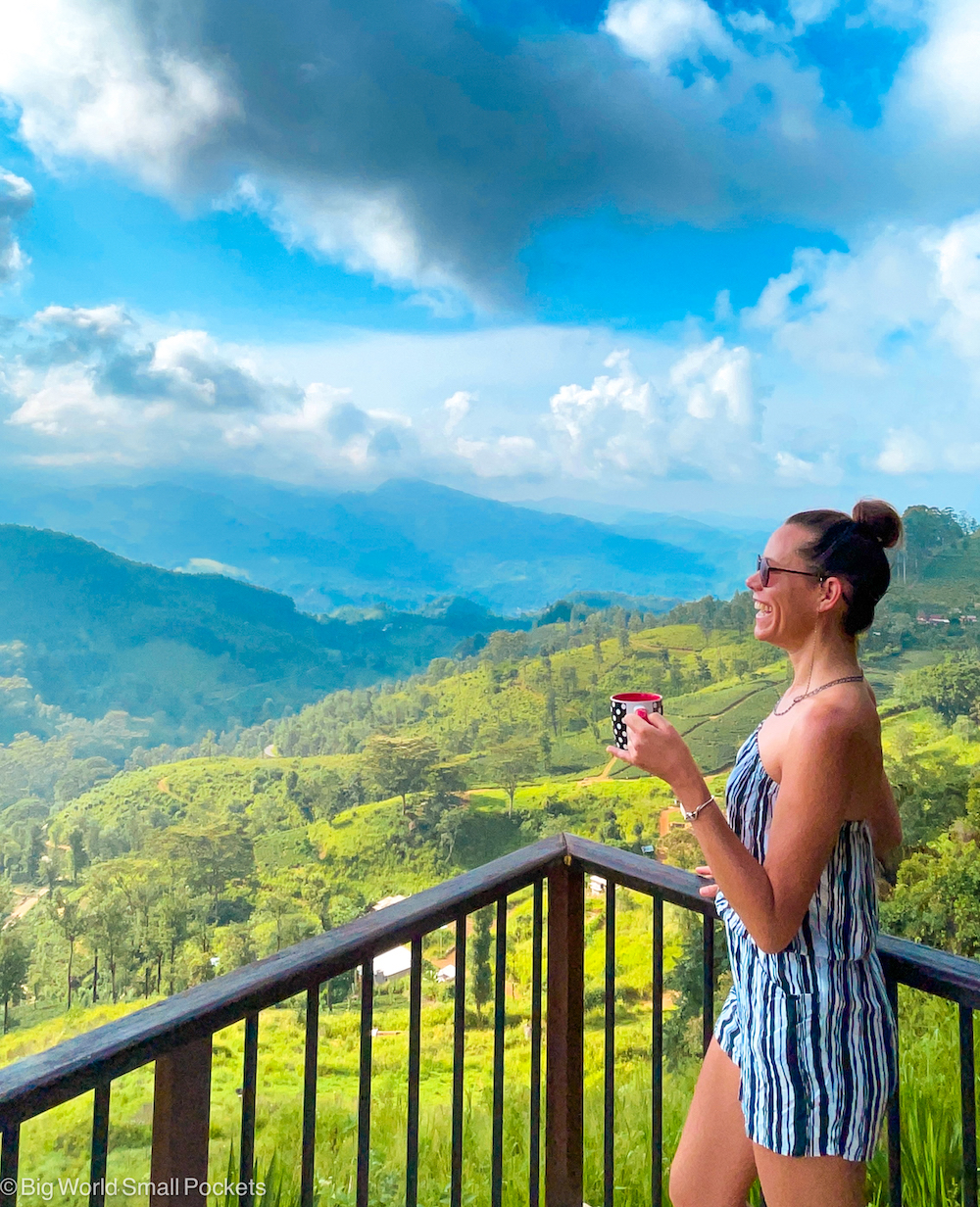
Sri Lanka may be famous for golden beaches, ancient temples and wildlife-filled national parks, but head into the island’s central highlands and the scenery changes dramatically.
Here, mountainsides are covered in impossibly green tea bushes, colourful tea pickers work their way across steep slopes and old factories still produce the Ceylon tea that ends up in cups around the world.
Visiting the tea plantations Sri Lanka is famous for was high on my list when travelling through the country, not least because it combines several things I love: beautiful landscapes, local history, ridiculously scenic train journeys and an activity that doesn’t need to cost a fortune.
And you certainly don’t need an expensive organised tour.
From Nuwara Eliya and Ella to quieter Haputale and Hatton, Sri Lanka’s tea country is relatively easy to explore independently using trains, buses and tuk-tuks.
Here’s everything you need to know about visiting Sri Lanka’s tea plantations, including where to go, which factories to visit, how tours work and where to stay…
Related Posts
- Sigiriya, Lion’s Rock: Sri Lanka’s Jewel
- Sri Lanka Itinerary: Best 2 Weeks
- Everything You Need to Know Before Travelling Sri Lanka
Why is Sri Lanka Famous for Tea?
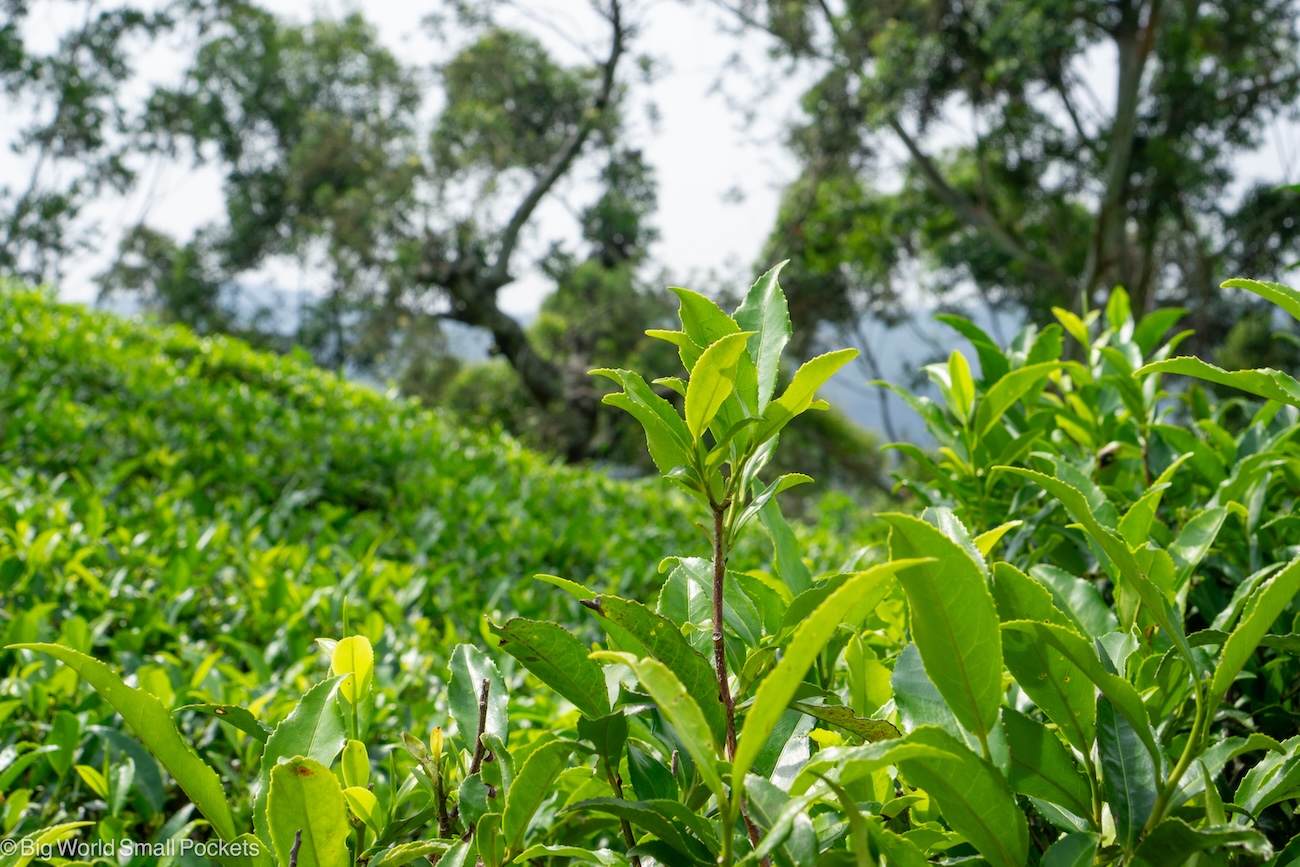
Tea is so intertwined with Sri Lanka that it’s easy to assume it has been grown here forever.
In fact, commercial tea production only really took off during the British colonial period.
Coffee had previously dominated the plantation economy, but disease devastated the crop during the 19th century.
Scottish planter James Taylor successfully established commercial tea cultivation at Loolecondera near Kandy in 1867, helping kick-start an industry that would transform the island.
Even after Ceylon became Sri Lanka in 1972, the industry retained the name “Ceylon Tea” because it had become such a recognisable international brand.
Today, you’ll see tea estates across huge areas of Sri Lanka’s central and southern highlands.
And yes, drinking a cup of tea while looking across the actual plantation it came from does make it taste approximately 74% better.
Scientifically unverified, obviously.
Where are the Tea Plantations Sri Lanka is Famous for?
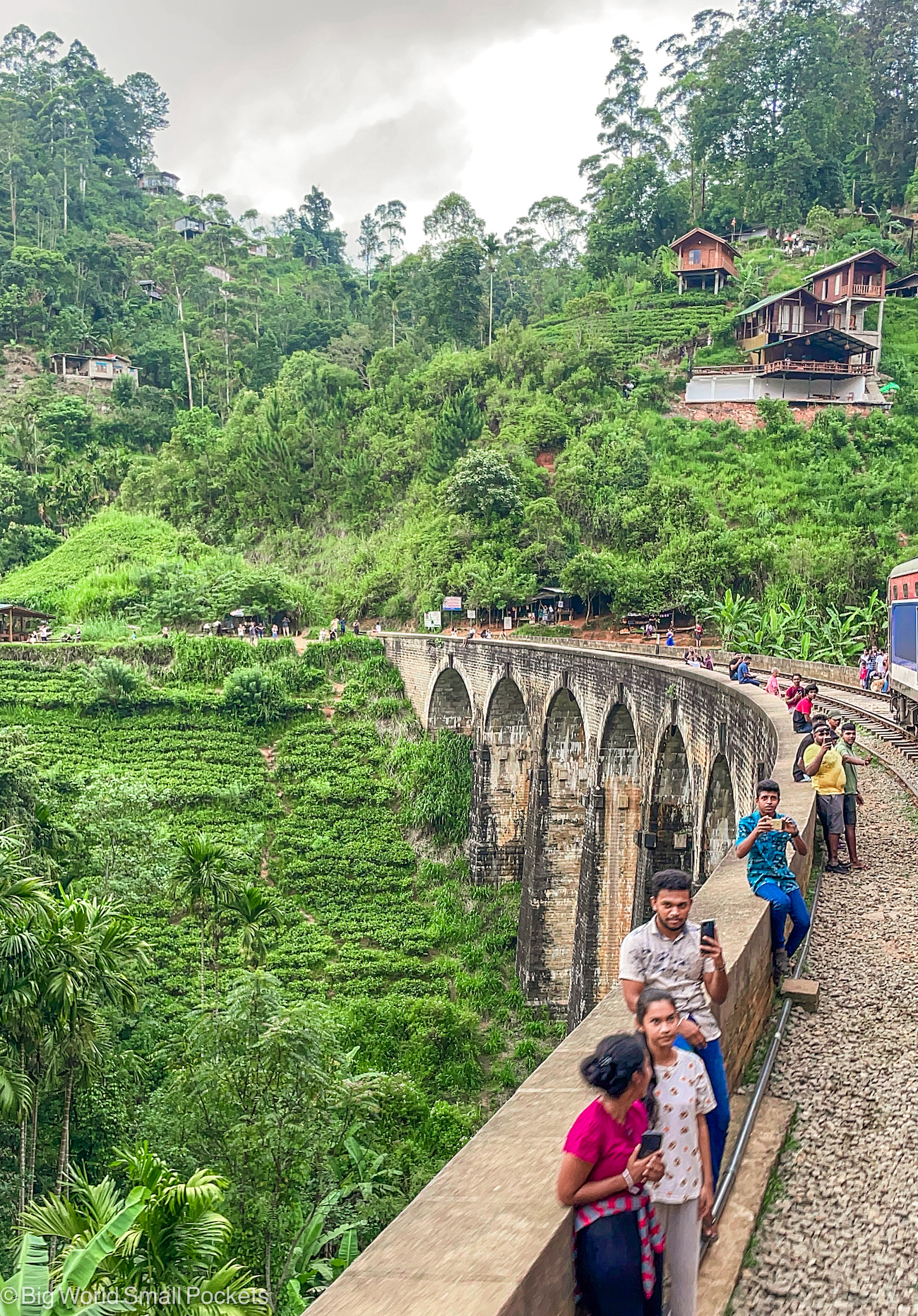
Most travellers experience Sri Lanka’s tea country somewhere along the famous railway line running through the central highlands.
The main areas to consider are…
| Tea Region | Best for | Good Base |
| Nuwara Eliya | First-time visitors and factory tours | Nuwara Eliya |
| Ella | Easy tours combined with hiking | Ella |
| Haputale | Budget travellers and quieter scenery | Haputale |
| Hatton | Tea estates and fewer tourists | Hatton |
| Kandy | Tea history and convenient day trips | Kandy |
| Talawakelle | Working tea country and scenery | Nuwara Eliya/Hatton |
The Sri Lanka Tea Board officially recognises several distinct tea-growing regions, with differences in altitude and climate affecting the character of the tea produced.
Kandy, for example, produces predominantly “mid-grown” tea at elevations below around 1,300m.
For most first-time visitors, however, I’d concentrate on Nuwara Eliya, Ella and Haputale.
Nuwara Eliya Tea Plantations
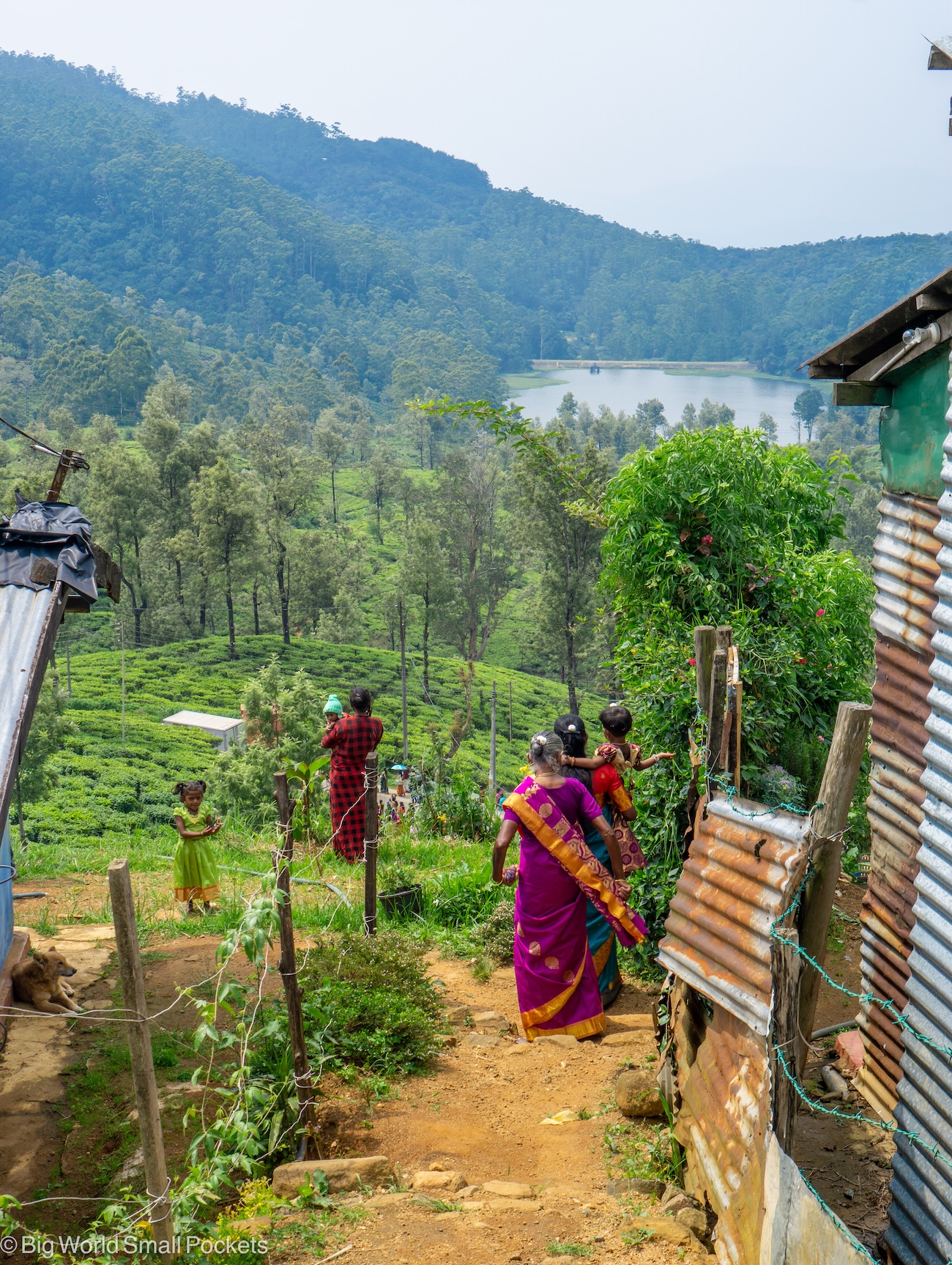
If you want that classic image of rolling hills covered in endless rows of tea bushes, Nuwara Eliya is probably the place to start.
Located high in Sri Lanka’s Central Province, the town is surrounded by tea-growing areas including Hatton, Talawakelle and Maskeliya, where the area’s cool, moist climate as ideal for tea cultivation.
Nuwara Eliya itself has an almost bizarre British feel, with colonial-era buildings, gardens and a considerably cooler climate than the coast.
Pack a jumper. You may be in Sri Lanka, but your flip-flops don’t care.
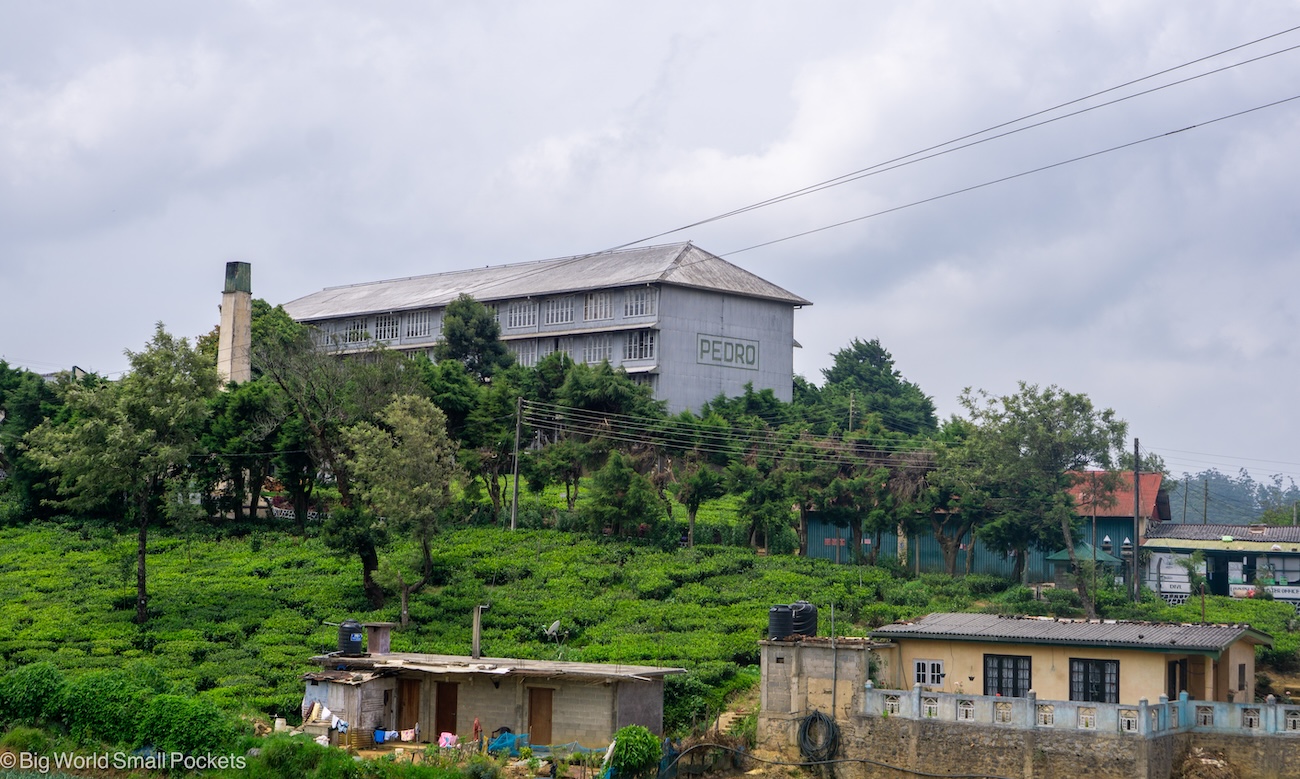
Pedro Tea Estate
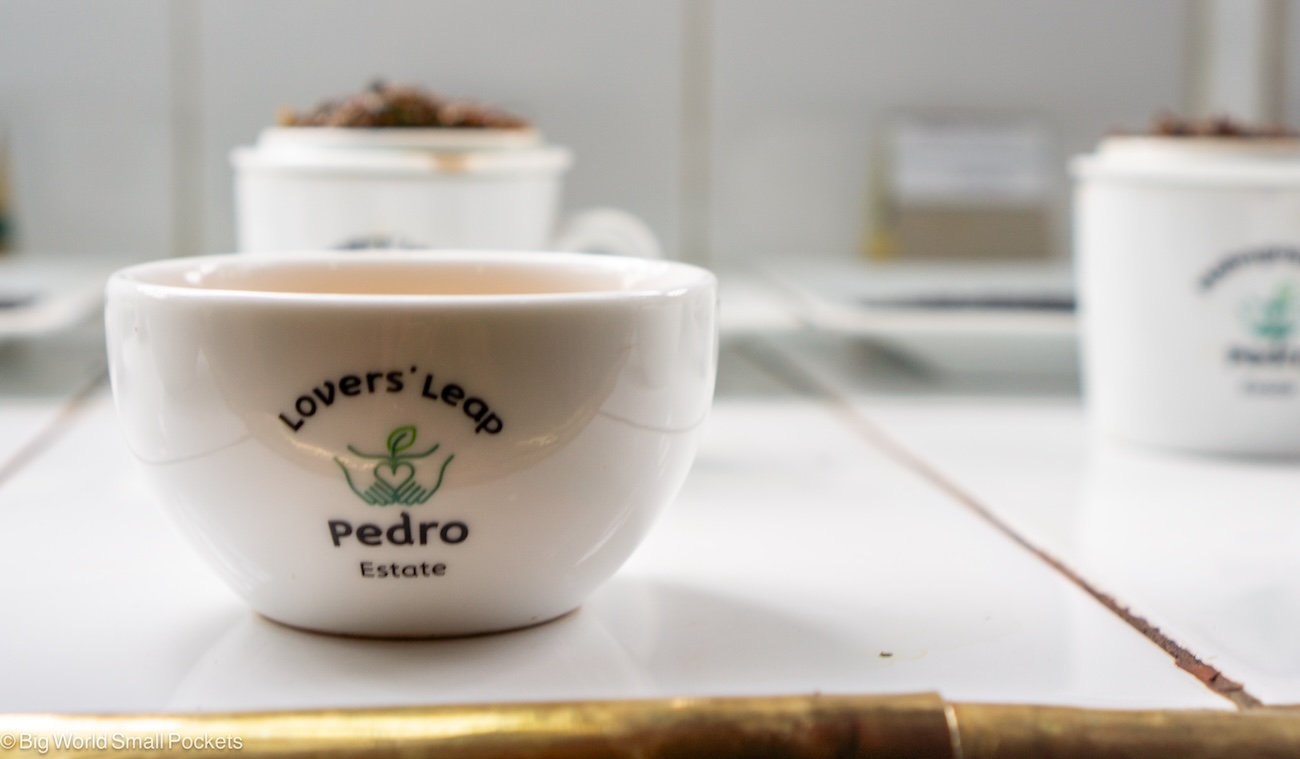
Pedro Tea Estate is one of the best-known tea estates around Nuwara Eliya and is conveniently close to town.
This is the tea tour I took.
Visits typically include an introduction to tea production and the chance to see the machinery used during processing.
Because access, tour availability and opening arrangements can change depending on factory operations, I’d check locally before travelling rather than relying on an old online timetable.
A tuk-tuk from central Nuwara Eliya is normally the easiest budget option.
Damro Labookellie Tea Centre
Another popular option is the Damro Labookellie Tea Centre, north of Nuwara Eliya on the road towards Kandy.
Its location makes it particularly useful if you’re travelling between Kandy and Nuwara Eliya and want to incorporate a tea stop into the journey rather than taking a separate day trip.
The broader Ramboda area is one of the best areas to experience tea plantations and factory production.
Ella Tea Plantations
Ella is one of Sri Lanka’s most popular mountain towns and a convenient place to combine tea with hiking, waterfalls and the famous Nine Arch Bridge.
It’s busier and more tourist-orientated than Haputale, but that also makes arranging tours extremely easy.
Uva Halpewatte Tea Factory
One of the best-known options around Ella is Uva Halpewatte Tea Factory.
Tours generally explain the journey from freshly picked leaf through withering, rolling, oxidation, drying, sorting and eventually the tea that ends up in your pot.
This is the sort of experience I’d recommend if you’re genuinely interested in how tea is produced rather than simply looking for somewhere photogenic.
Check tour schedules before travelling because tea production is agricultural, not a performance staged conveniently for tourists! What you see can vary according to harvesting and processing schedules.
Haputale and Lipton’s Seat
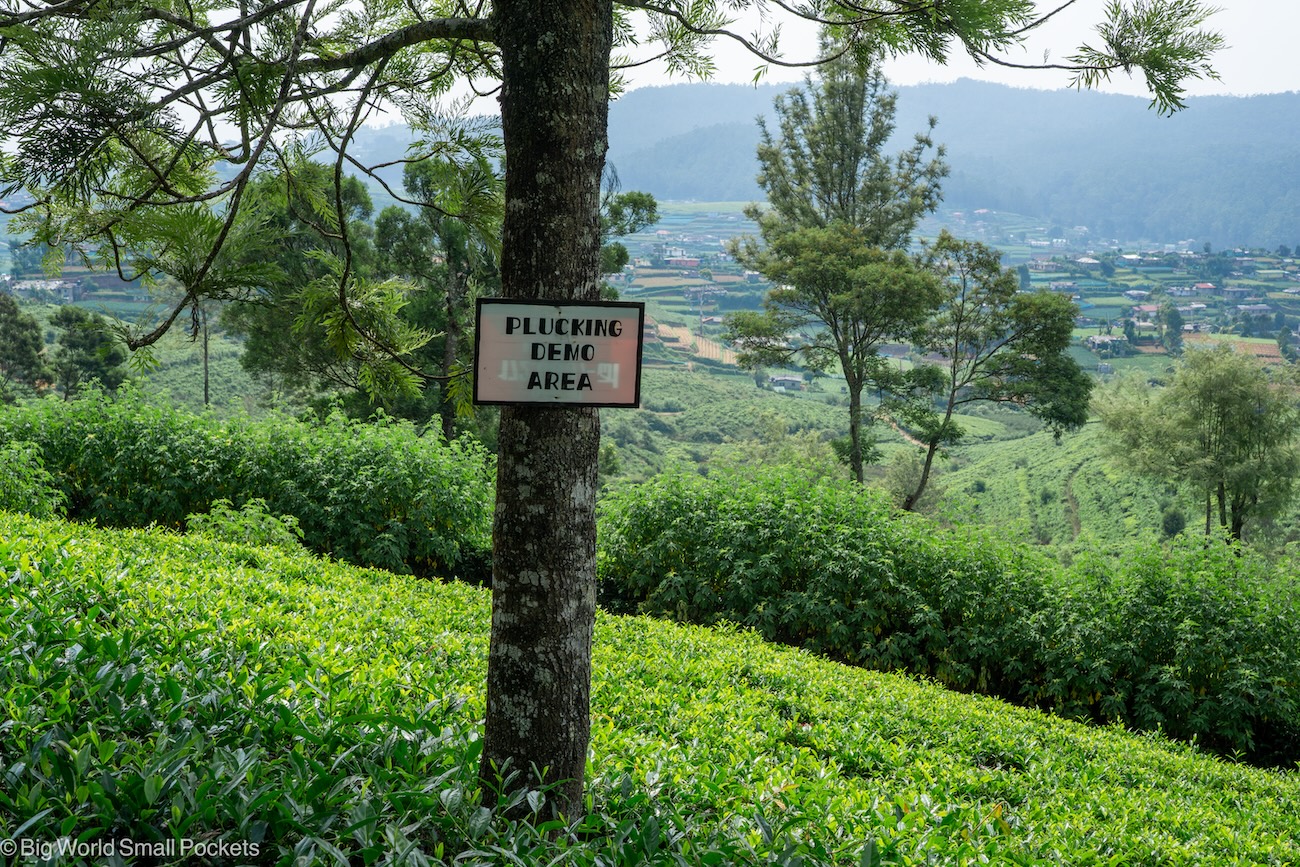
For budget travellers, Haputale might be my favourite base for experiencing tea country.
It’s considerably smaller than Ella and has a more local atmosphere, while the surrounding mountains are spectacular.
Its headline attraction is Lipton’s Seat.
The 1900m high viewpoint sits within the Dambatenne tea-growing area and was associated with tea entrepreneur Sir Thomas Lipton.
Visiting Lipton’s Seat
Go early.
And by early, I don’t mean leisurely breakfast followed by a 10am tuk-tuk.
Cloud commonly builds around Sri Lanka’s mountains as the day progresses, so an early start gives you a better chance of those enormous views.
You can arrange a tuk-tuk from Haputale or combine transport with walking through the surrounding tea estates.
Pair Lipton’s Seat with Dambatenne Tea Factory and you’ve got an excellent budget-friendly tea day without needing an expensive private excursion.
Hatton Tea Plantations
Hatton receives considerably less attention than Ella, which is precisely why it’s worth considering.
A major centre of the Ceylon tea industry, surrounded by tea-covered hills at more than 1,200m above sea level, the section around Castlereagh Reservoir is particularly beautiful.
Hatton is also a useful base if you’re planning to climb Adam’s Peak, so combining hiking with a tea estate visit makes logistical sense.
For travellers who like getting beyond the standard Sri Lanka backpacking itinerary, I’d seriously consider spending a night here rather than simply passing through.
How to Visit a Sri Lanka Tea Plantation
You essentially have 3 options..
#1 Take a Factory Tour
This is the easiest introduction to Ceylon tea.
A typical factory visit explains how leaves are picked and processed before showing you the different grades of tea. Many finish with a tasting.
This is definitely the best way to see the manufacturing and grading process before tasting Ceylon tea.
Factory tours can be surprisingly inexpensive, and some tea centres have historically offered basic introductions or tastings free of charge.
Always check current prices before arriving.
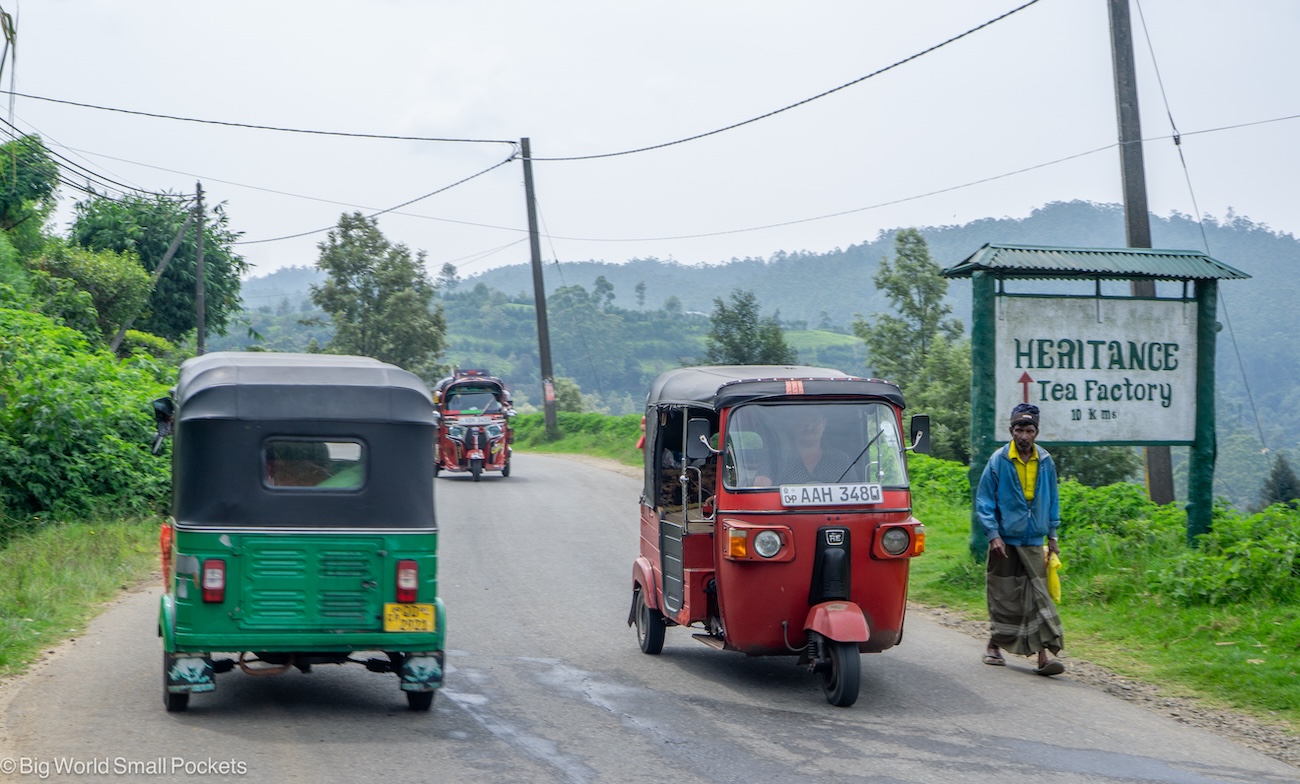
#2 Hire a Tuk-Tuk
This is often my preferred option.
Rather than buying an organised day tour, speak to a local driver and agree a price for several stops.
For example, from Haputale you could arrange a morning covering Lipton’s Seat, Dambatenne and surrounding tea country.
If you’re travelling with someone else, splitting the tuk-tuk fare can make this particularly good value.
Just agree the total fare, itinerary and waiting time before getting in.
#3 Take an Organised Tea Tour
If you want more context, a guided experience can be worth paying for.
Look for tours incorporating…
- A working tea factory
- A guided plantation walk
- Tea picking or demonstrations where appropriately offered
- Tea tasting
- Explanation of different grades and growing elevations
- Transport from your accommodation
I’d favour smaller locally operated tours rather than booking a generic “Sri Lanka highlights” excursion where the tea factory is essentially a glorified souvenir stop.
How to Get to Sri Lanka’s Tea Country
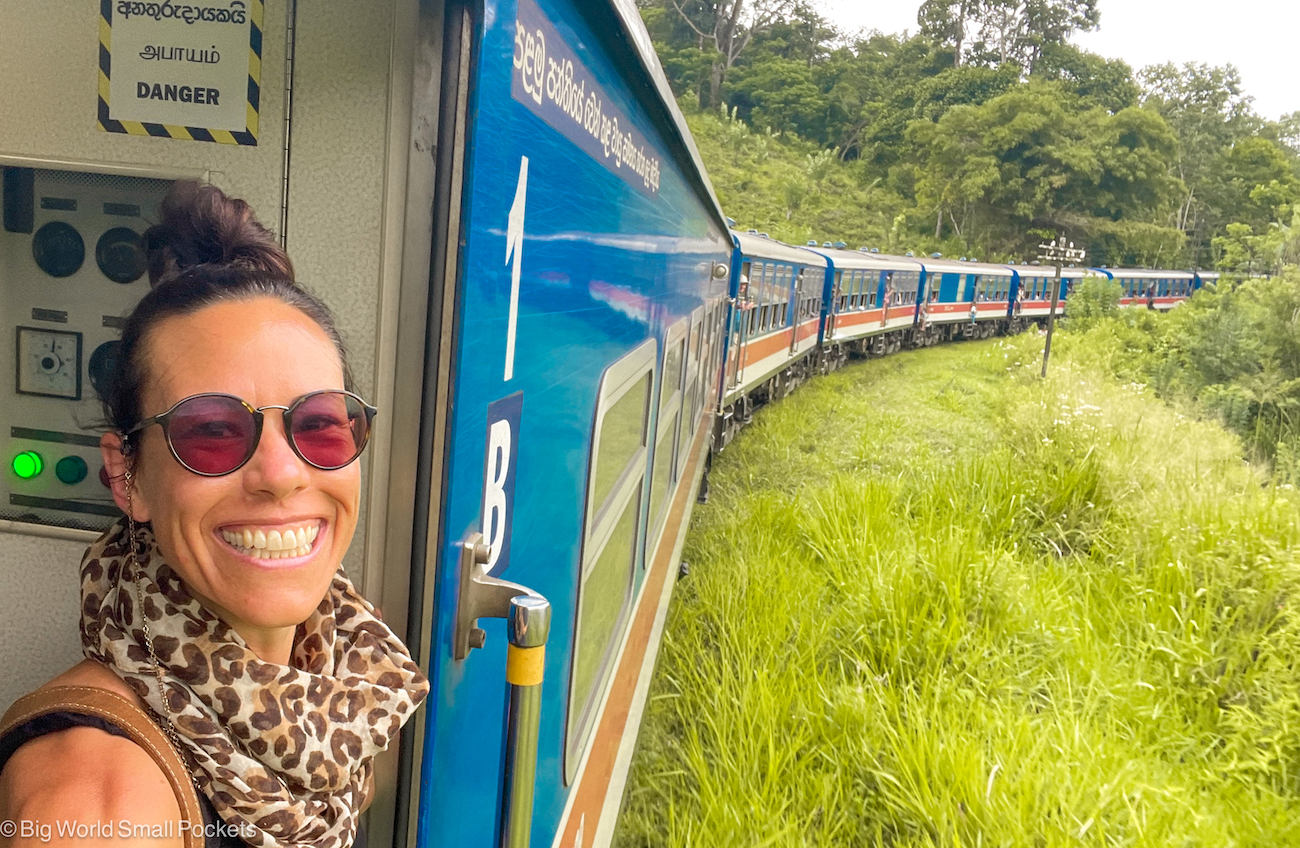
The train is the obvious answer.
Sri Lanka’s hill-country railway passes through Kandy, Hatton, Nanu Oya, Haputale, Ella and eventually Badulla.
Nanu Oya is the railway station you’ll need for Nuwara Eliya because Nuwara Eliya itself isn’t directly on the railway.
Sri Lanka Railways lists ticketing facilities at Kandy, Hatton, Nanu Oya, Haputale, Ella and Bandarawela, among other stations.
For popular reserved trains, book ahead where possible.
But don’t become so obsessed with getting the Instagram-famous Kandy to Ella journey that you overlook shorter sections.
Nanu Oya to Haputale and Haputale to Ella are beautiful too, and fitting tea country into a point-to-point journey saves paying for separate transport.
What to Expect on a Tea Plantation Tour
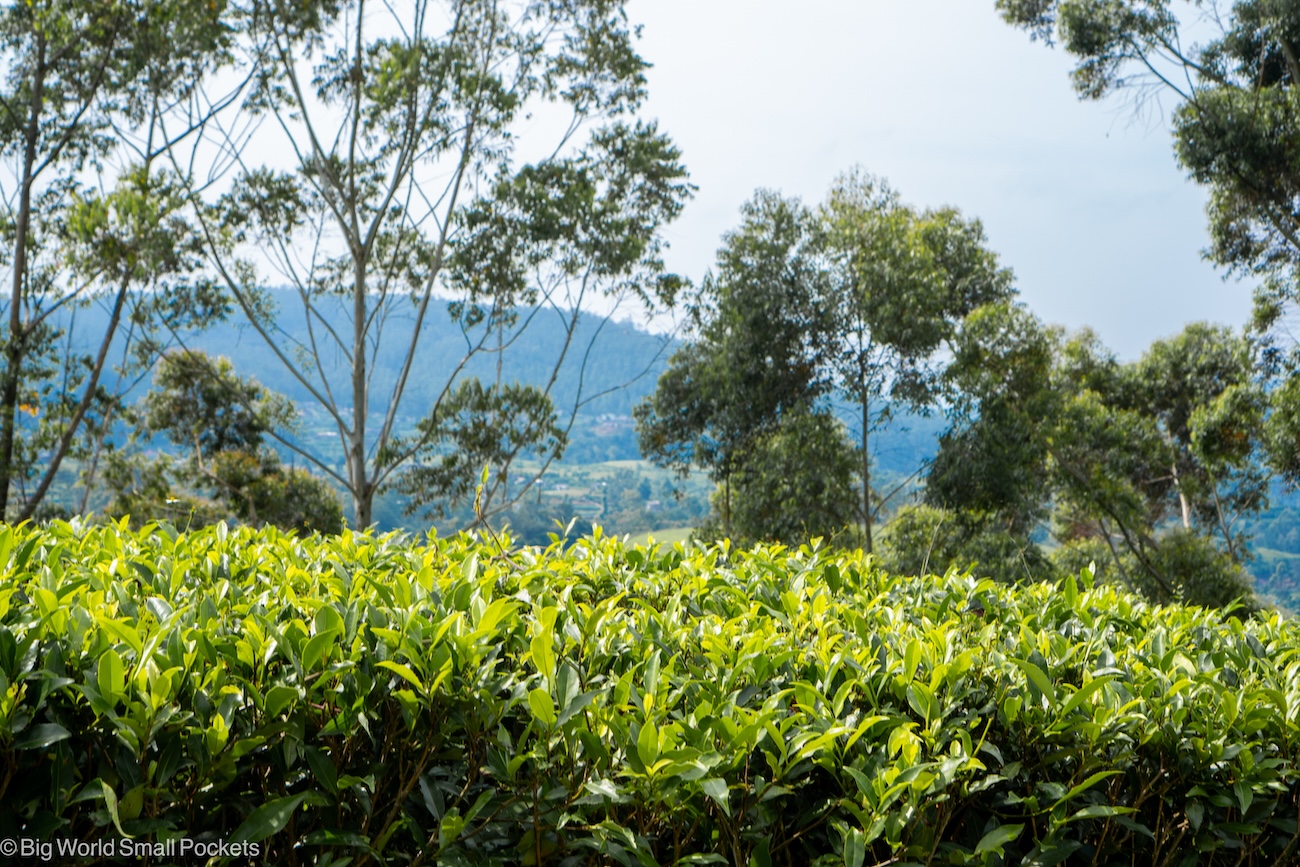
A proper tour should leave you knowing considerably more than “tea is leaves plus hot water”.
You’ll usually learn about picking the youngest leaves, withering, rolling, oxidation, drying, sorting and grading.
Depending on the estate, you may also walk through the plantation itself.
Wear trainers or decent walking shoes rather than sandals, particularly after rain. Sri Lanka’s hill country can be cool, wet and muddy.
Bring a light waterproof and an extra layer too. Temperatures here can feel dramatically cooler than Colombo or Sri Lanka’s southern beaches.
Most importantly, remember these are working agricultural estates and communities, not film sets. Ask before photographing workers and don’t wander into restricted plantation or factory areas.
Best Tea Plantation Tours in Sri Lanka

For a first trip, I’d shortlist these experiences…
| Experience | Base | Best for |
| Pedro Tea Estate | Nuwara Eliya | Easy half-day trip |
| Damro Labookellie | Nuwara Eliya | Kandy-Nuwara Eliya route |
| Uva Halpewatte | Ella | Detailed factory experience |
| Dambatenne + Lipton’s Seat | Haputale | Scenery and budget travellers |
| Hatton estates | Hatton | Quieter tea country |
| Loolecondera area | Kandy region | Tea history |
If you only have time for one experience, I’d choose based on your route rather than travelling halfway across the country for a particular factory.
Tea is rather wonderfully difficult to avoid around here.
Where to Stay Near the Tea Plantations Sri Lanka
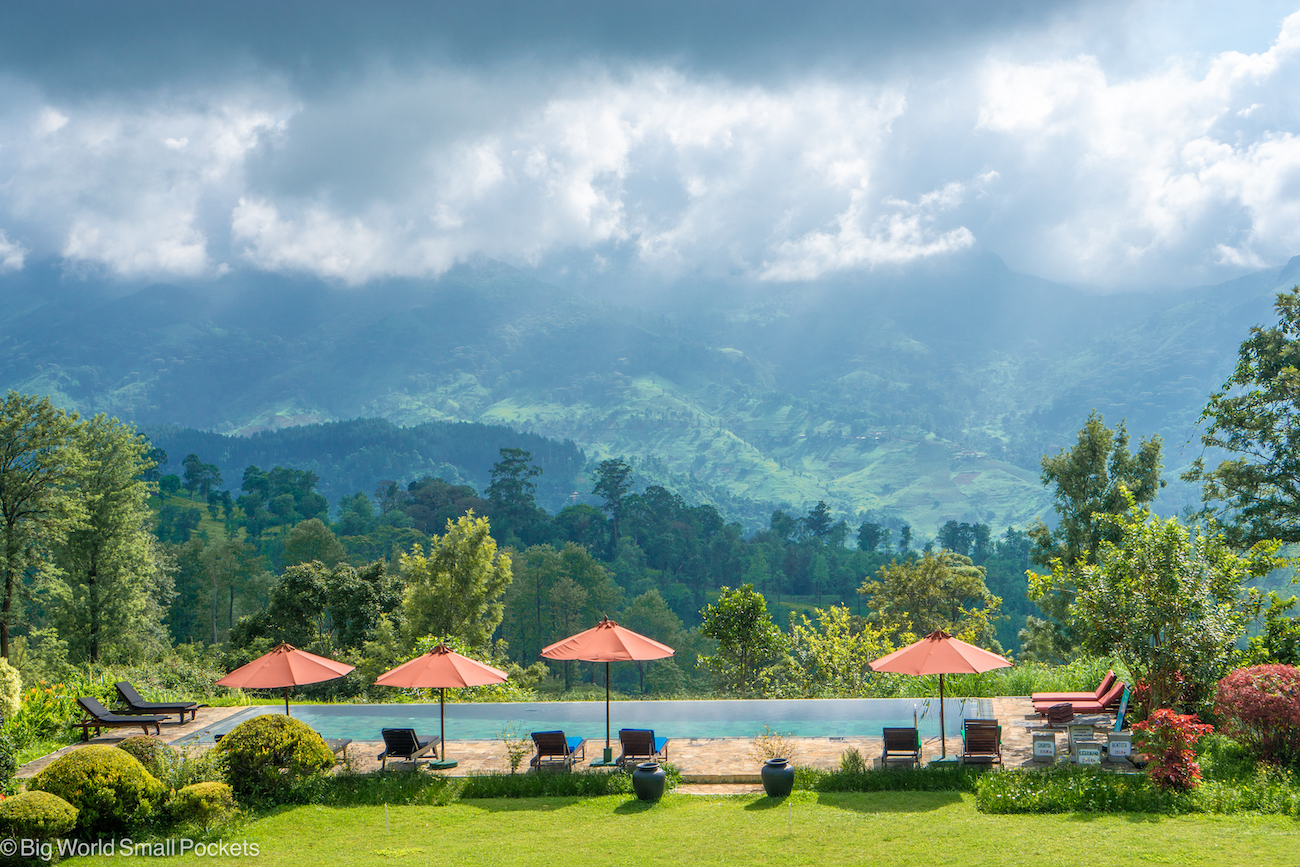
Nuwara Eliya
Nuwara Eliya offers the largest accommodation selection, from cheap guesthouses to colonial-style hotels.
For something special, Heritance Tea Factory near Kandapola is actually housed in a converted tea factory.
It’s more splurge than shoestring, but certainly ticks the “sleep surrounded by tea” box.
Ella
Ella has everything from hostel dorms and homestays to increasingly fancy boutique hotels.
For budget travellers, I’d look slightly outside the town centre.
You’ll often get better views and more peaceful surroundings while remaining within a short tuk-tuk ride of restaurants and transport.
Haputale
Haputale is my budget pick.
Simple guesthouses and homestays can offer fantastic value, particularly compared with Ella, and you’re perfectly positioned for an early trip to Lipton’s Seat.
Hatton
Choose Hatton if you want something quieter again, particularly if you’re continuing towards Adam’s Peak.
Staying around Castlereagh Reservoir can turn the tea plantation experience into more of a rural escape than a quick sightseeing stop.
Kandy
It’s worth travelling a little further north if you want to find a really standout place to stay in Sri Lanka’s tea plantations.
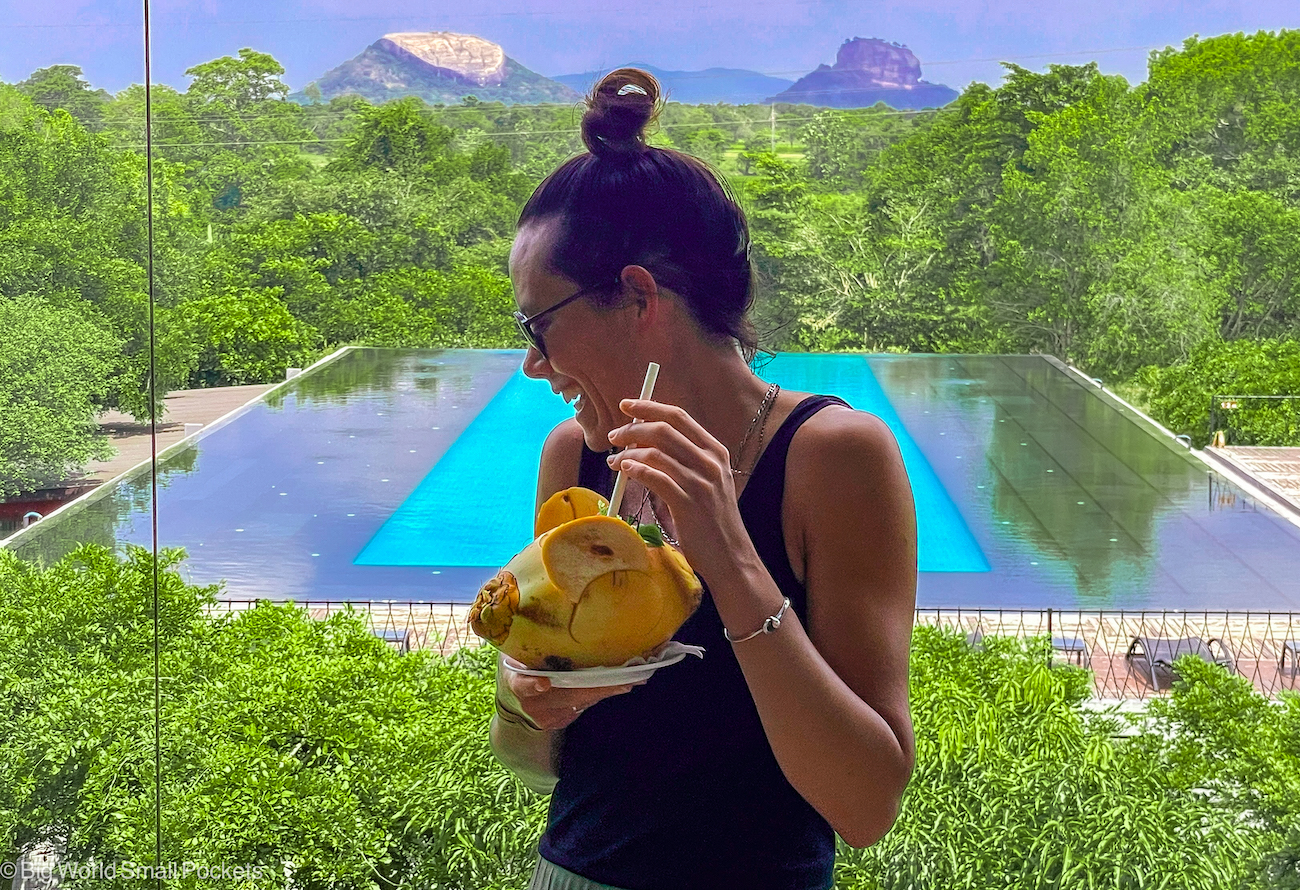
Madulkelle Tea and Eco Lodge is an independent spot tucked away on a working tea farm.
Accommodation in glamping tents boast amazing views and the swimming pool and communal gardens are stunning.
Truly a place to relax and getaway from it all.
How Much Should You Budget?
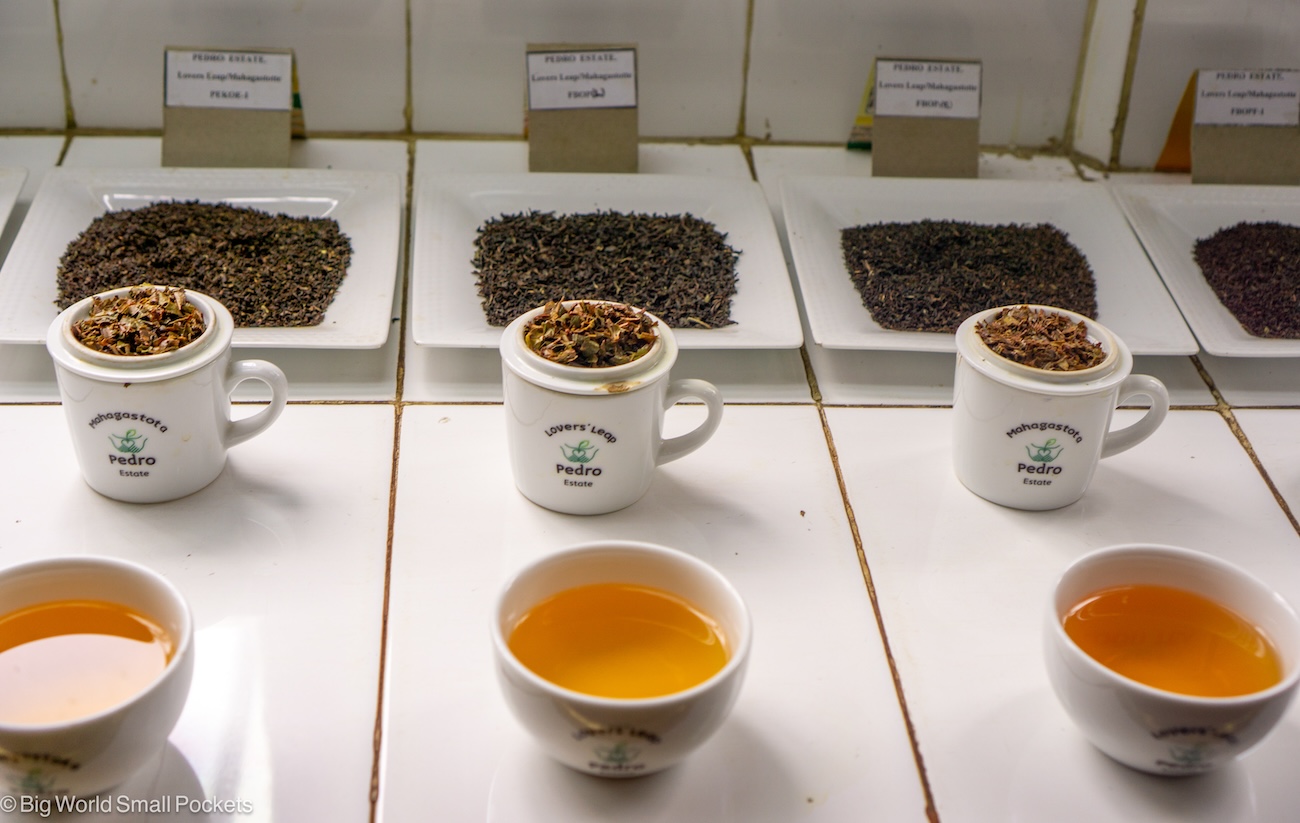
Sri Lanka’s tea country can be extremely affordable because the scenery itself costs nothing.
Rather than paying for a full private tour, budget travellers can use trains between towns, local buses where practical and tuk-tuks for the final few kilometres.
Factory admission and tour prices change, so I wouldn’t build an itinerary around prices quoted in old blogs.
Check directly with the estate or through your accommodation shortly before visiting.
My biggest money-saving tip is to incorporate tea estates into journeys you’re already making.
If you’re travelling from Kandy to Nuwara Eliya, for example, stop around Ramboda rather than paying for another return excursion the following day.
How Long Do You Need in Sri Lanka’s Tea Country?
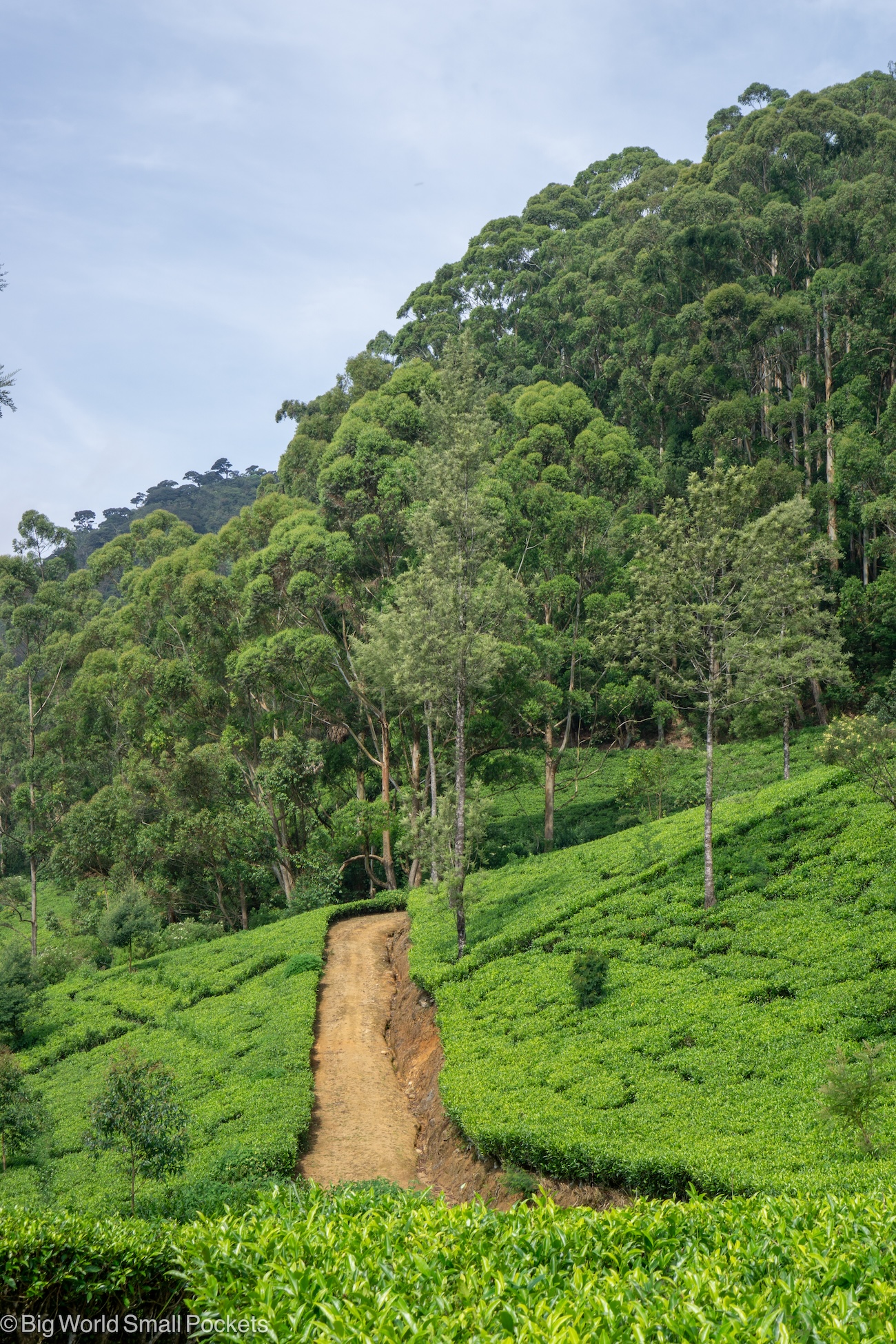
I’d allow at least 2 nights.
With 2 nights you can experience the train journey, visit a factory and walk through a plantation without racing around.
With 3 to 4 nights, you could combine Nuwara Eliya with Haputale or Ella and see noticeably different parts of the highlands.
A good budget itinerary would be:
Kandy → Nanu Oya/Nuwara Eliya → Haputale → Ella
That puts the tea plantations directly into your wider Sri Lanka route rather than treating them as a separate excursion.
Are the Tea Plantations Sri Lanka Worth Visiting?
Absolutely, and you don’t need to be a tea obsessive.
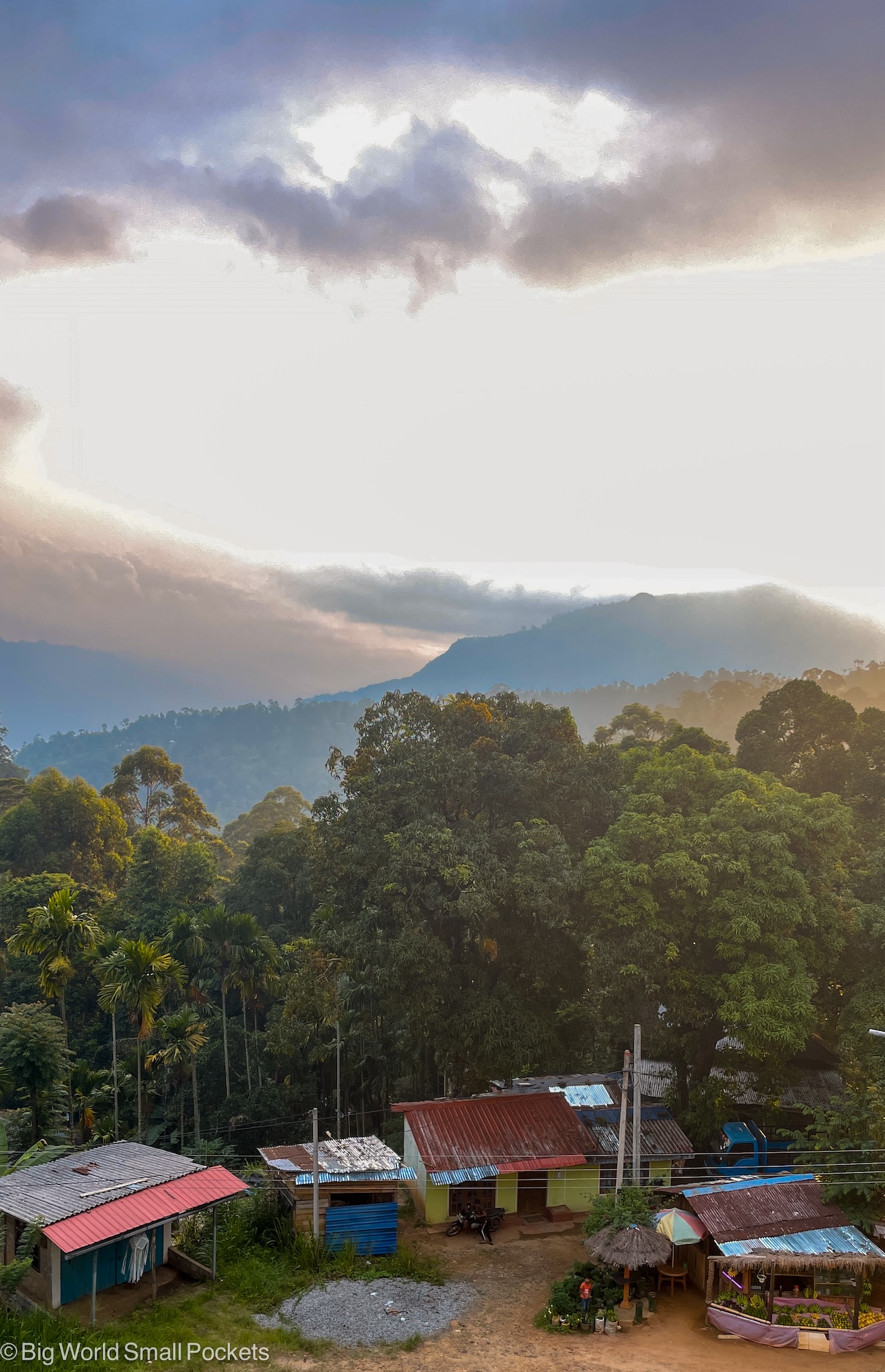
Sri Lanka’s central highlands are among the island’s most distinctive landscapes.
The combination of misty mountains, tiny railway stations, waterfalls, working plantations and old tea factories makes the region completely different from the tropical coast.
There’s also far more history behind that innocent-looking cuppa than you might expect.
Give yourself a couple of days, travel by train, choose one good factory tour and then spend some time simply walking through tea country.
Your PG Tips may never look quite the same again!
FAQ: Tea Plantations Sri Lanka
Where are the Best Tea Plantations in Sri Lanka?
Nuwara Eliya, Ella, Haputale and Hatton are among the easiest tea-growing areas for travellers to explore.
Nuwara Eliya has plenty of established visitor facilities, while Haputale and Hatton are good options if you prefer quieter tea country.
What is the Best Tea Plantation to Visit in Sri Lanka?
Popular choices include Pedro Tea Estate near Nuwara Eliya, Uva Halpewatte near Ella and Dambatenne Tea Factory near Haputale.
The best choice depends largely on your Sri Lanka itinerary.
Can You Visit Tea Plantations in Sri Lanka Without a Tour?
Yes.
You can reach the main tea-growing towns by train or bus and then use local buses, tuk-tuks or walking routes to reach individual estates and factories.
An organised tour isn’t essential.
How Much Does it Cost to Visit a Tea Plantation in Sri Lanka?
Prices vary significantly between estates and experiences. Some visitor centres offer inexpensive introductions or tastings, while detailed guided tours cost more.
Check directly before travelling because prices and tour schedules can change.
Is Ella or Nuwara Eliya Better for Tea Plantations?
Nuwara Eliya is particularly good for dedicated tea estate and factory visits, while Ella makes it easy to combine a tea experience with attractions such as Nine Arch Bridge and hiking.
Haputale is another excellent option for travellers looking for somewhere quieter.
What Should I Wear to a Tea Plantation in Sri Lanka?
Wear comfortable walking shoes and lightweight clothing, but carry a waterproof jacket and an extra layer.
Sri Lanka’s highlands can be considerably cooler and wetter than the coast.
What is the Best Time to Visit Sri Lanka’s Tea Plantations?
Tea country can be visited throughout the year, although conditions vary between growing regions and monsoon periods.
Early mornings are particularly useful for viewpoints because cloud often develops later in the day.
How Many Days Do You Need for Sri Lanka’s Tea Country?
Allow at least 2 nights, although 3 to 4 nights gives you enough time to combine places such as Nuwara Eliya, Haputale and Ella without rushing.
Practical Tips for Visiting Sri Lanka
Getting There
Colombo Bandaranaike International Airport (CMB) offers flights from across the world.
As always, I use Skyscanner to find the best flight deals.
Best eSIM for Sri Lanka
Holafly offer unlimited data eSIMs for Sri Lanka that are perfect for staying connected across the country.
Travel Insurance
World Nomads offer simple and flexible travel insurance. Buy at home or while travelling and claim online from anywhere in the world.
Heymondo offers extensive cover for medical emergencies, cancellations, lost luggage and adventure activities, plus there’s 24/7 assistance if anything goes wrong while you’re away.
Travel Money
Sri Lanka use the Sri Lankan Rupees (LKR).
I always travel with my Wise card, which makes spending abroad cheaper with real exchange rates and no sneaky transaction or ATM fees.
Get your Wise card here.
SAVE THIS ARTICLE TO PINTEREST!


Visiting the tea plantations Sri Lanka is famous for is one of the best ways to experience a completely different side of the country.
Swap tropical beaches for misty mountains and palm trees for seemingly endless rows of bright green tea bushes, and it can feel like you’ve arrived somewhere else entirely.
Because when your cuppa comes with a mountain view, it’s definitely worth lingering over.
My trip was sponsored by Sri Lanka Tourism but, as always, all views are my own.
This page contains affiliate links meaning Big World Small Pockets may receive a small commission on any purchases at no extra cost to you.
