


Sri Lanka might just be one of the best countries in Asia for travellers who want a huge adventure without a huge price tag.
Think ancient temples, wild elephants, mist-covered tea plantations, spectacular train journeys, tropical beaches and enough delicious curry to make you seriously consider extending your trip!
And the best bit? You can experience all of this in just 2 weeks.
Of course, Sri Lanka might look small on a map, but don’t be fooled. Getting between destinations can take longer than expected, and trying to cram everything into a fortnight is a sure-fire way to spend more time in a vehicle than actually enjoying your holiday.
That’s why I’ve put together this 2 week Sri Lanka itinerary, which combines the country’s biggest highlights with a few lesser-known gems, affordable accommodation and plenty of opportunities to save money.
Starting in Negombo, close to the international airport, and finishing in the capital Colombo, this route takes you through the Cultural Triangle, into the spectacular hill country and down to the beautiful southern coastline.
I’ll also share where to stay, how to travel between destinations, which attractions are worth paying for and where you can save a few rupees.
Because budget travel isn’t about missing out. It’s about knowing where to spend your money!
Related Posts
- Best Time to Visit Sri Lanka: Monthly Breakdown
- Perfect Sri Lanka Packing List
- 13 Things to Know When You Travel Sri Lanka
2 Week Sri Lanka Itinerary at a Glance

A practical 14 day route with seven overnight bases, travelling from Negombo to Colombo.
| Days | Destination | Main Highlights |
| 1 | Negombo | Beach, fish market, lagoon |
| 2-4 | Sigiriya / Habarana | Sigiriya Rock, Dambulla, Minneriya |
| 5-6 | Kandy | Temple of the Tooth, botanical gardens |
| 7 | Nuwara Eliya | Tea plantations, Pekoe Trail |
| 8–9 | Ella | Scenic train, Nine Arch Bridge, hiking |
| 10-11 | South Coast | Beaches, safari option |
| 12-13 | Galle | Historic fort, Unawatuna |
| 14 | Colombo | Markets, temples, departure |
Route map showing the main overnight destinations and Dambulla en route.
Driving directions illustrate the route, although buses, trains and occasional transfers are recommended below.
Days 1: Arrive in Negombo

Most international visitors arrive at Bandaranaike International Airport, which is actually much closer to Negombo than central Colombo.
Rather than battling your way into the capital after a long flight, I’d recommend spending your first night in Negombo.
It’s an easy introduction to Sri Lanka, with fishing boats, lively markets, seafood restaurants and a long stretch of beach.
Spend the afternoon wandering around the Dutch Canal, visiting the fish market or simply recovering from your flight with a fresh coconut.
Negombo isn’t necessarily Sri Lanka’s most spectacular beach destination, but it’s a convenient and affordable place to begin your adventure.
Where to Stay in Negombo
- Heritance Negombo: A comfortable beachfront option if you fancy starting your holiday with a little luxury.
- Camelot Beach Hotel: A good mid-range choice with a pool and beach access.
- Villa Kapuru: A smaller guesthouse-style alternative worth comparing for value.
How to Get There
The airport is approximately 10-15km from central Negombo, depending on your accommodation.
A taxi or pre-booked transfer generally takes around 20–30 minutes.
Public buses are cheaper, but often require a change or additional local transport.
For a late-night arrival, I’d happily pay a little extra for a direct transfer.
Days 2-4: Sigiriya & The Cultural Triangle
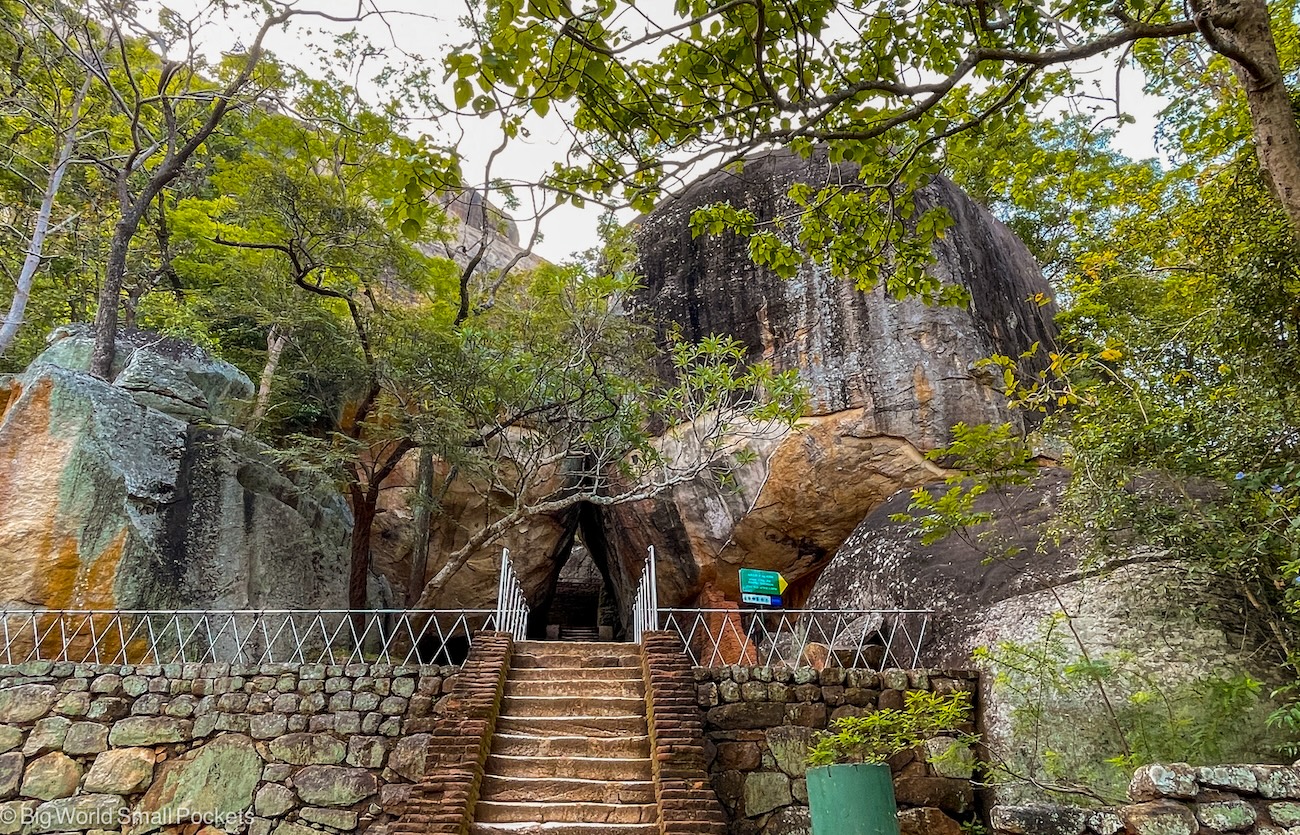
Next, head north into Sri Lanka’s Cultural Triangle, one of the country’s most fascinating regions.
This area is home to ancient cities, UNESCO-listed temples and spectacular archaeological sites, making it an absolute must on any Sri Lanka itinerary.
I’d recommend basing yourself in Sigiriya or nearby Habarana for 3 nights.
Check out these great Cultural Triangle Tours
Day 2: Travel to Sigiriya via Dambulla
Allow approximately 4–5 hours for the journey from Negombo to Sigiriya by road, potentially longer using public transport.
The cheapest approach is to travel by bus towards Kurunegala and Dambulla, then connect onwards to Sigiriya.
Alternatively, arrange a private driver and stop at the incredible Dambulla Cave Temple en route.
This UNESCO World Heritage Site consists of five cave shrines filled with Buddhist statues and beautiful painted ceilings.
It’s one of Sri Lanka’s most impressive cultural attractions, and absolutely worth a visit.
Day 3: Climb Sigiriya Rock
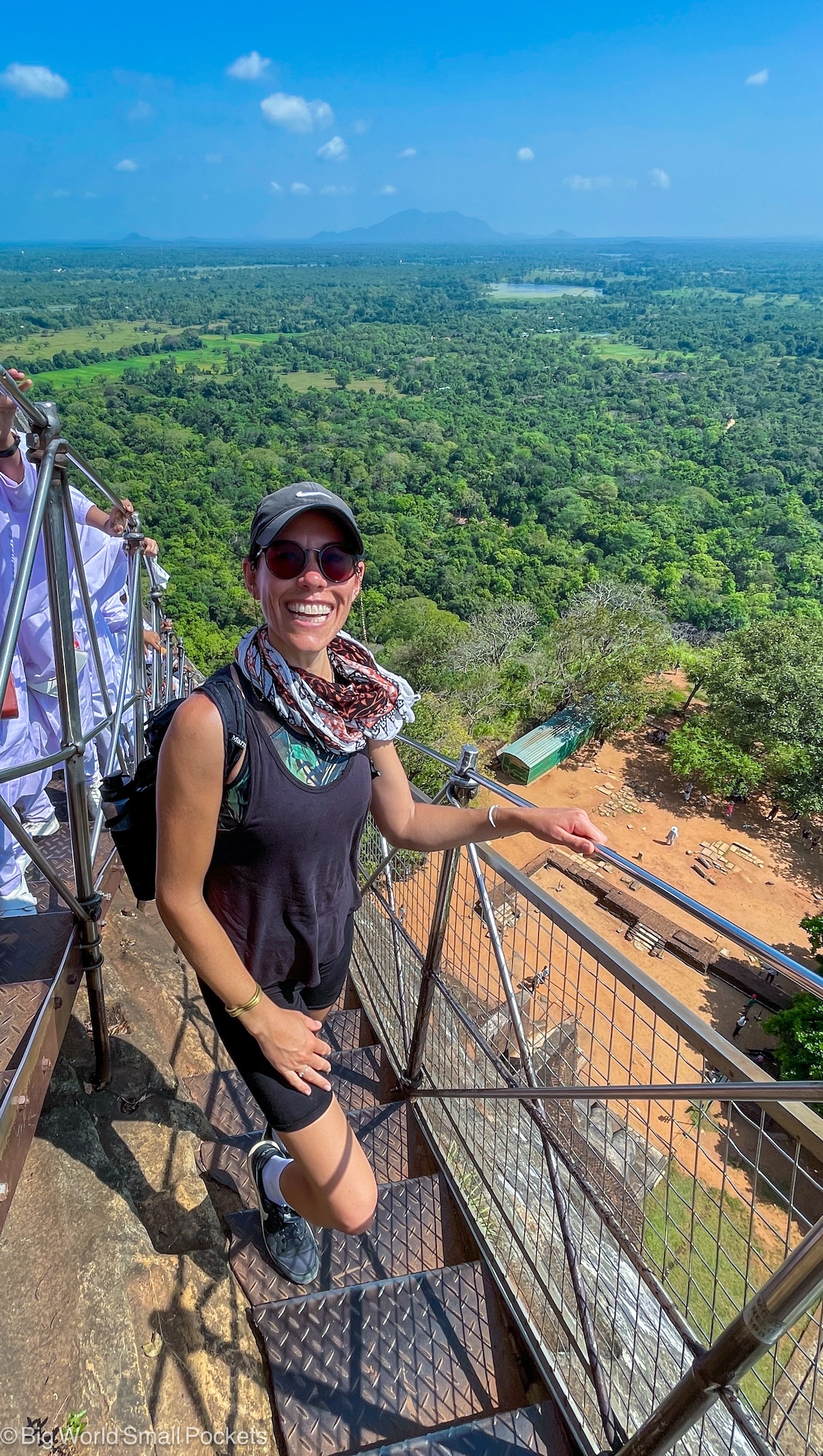
Today is all about one of Sri Lanka’s most famous landmarks: Sigiriya Rock Fortress.
Rising dramatically above the surrounding jungle, this ancient royal complex is famous for its enormous rock formation, historic frescoes and spectacular views.
The climb takes around 1.5–2 hours for many visitors, allowing for stops, although the heat can make it feel considerably longer.
Start early to avoid the worst temperatures.
At US$35 for an adult foreign visitor, according to the Central Cultural Fund’s September 2026 price list, Sigiriya isn’t exactly a bargain by Sri Lankan standards.
However, it’s one of those attractions I’d still recommend budgeting for.
For a cheaper alternative, climb nearby Pidurangala Rock, which offers fantastic views towards Sigiriya itself.
Day 4: Minneriya Safari or Polonnaruwa
You’ve got two excellent choices today.
Option one is a jeep safari in Minneriya National Park, famous for its wild elephants.
Depending on the season, elephant sightings may be better in nearby Kaudulla or Hurulu Eco Park, so ask locally before booking.
The best-value approach is often to share a jeep with other travellers.
Alternatively, visit the ancient city of Polonnaruwa.
Here, you can explore centuries-old palaces, Buddhist temples and enormous stone statues.
Hiring a bicycle is a brilliant way to discover the ruins independently, although you’ll still need an entrance ticket.
Where to Stay in Sigiriya
- Sigiriya Village: A scenic mid-range option close to the main attractions.
- Hotel Sigiriya: Ideal if you want a pool with a memorable view.
- Aliya Resort & Spa: A higher-end option for a special treat.
For budget travellers, I’d also look at family-run guesthouses in Sigiriya village, where breakfast and local travel advice are often part of the appeal.
Days 5-6: Discover Kandy

From Sigiriya, head south to Kandy, Sri Lanka’s cultural capital.
The journey takes around 2.5–3.5 hours by road, with buses connecting via Dambulla.
Kandy sits among green hills and is best known for the sacred Temple of the Tooth, one of Buddhism’s most important pilgrimage sites.
Spend your first afternoon walking around Kandy Lake, exploring the markets and sampling local food.
The following day, visit the Temple of the Tooth before heading to the Royal Botanical Gardens in Peradeniya.
These beautiful gardens are particularly worth visiting if you fancy escaping the busy city centre.
For an affordable meal, seek out a local rice-and-curry restaurant rather than relying on tourist-focused cafés.
Check out these great tours of Kandy and around
Where to Stay in Kandy
- Sevana City Hotel: A practical mid-range choice near the centre.
- Kandy City Hotel by Earl’s: Convenient for sightseeing and transport.
- The Radh Hotel: A more stylish option close to the Temple of the Tooth.
Budget Transport Tip
You don’t need a private driver for the entire journey.
Local buses are considerably cheaper and operate frequently between the main towns, although they’re not always the most comfortable option with large luggage.
If you’re travelling as a couple or group, compare the cost of a private transfer before ruling it out.
Sometimes convenience is worth paying for, especially when it gives you more time to explore.
Day 7: Tea Plantations in Nuwara Eliya
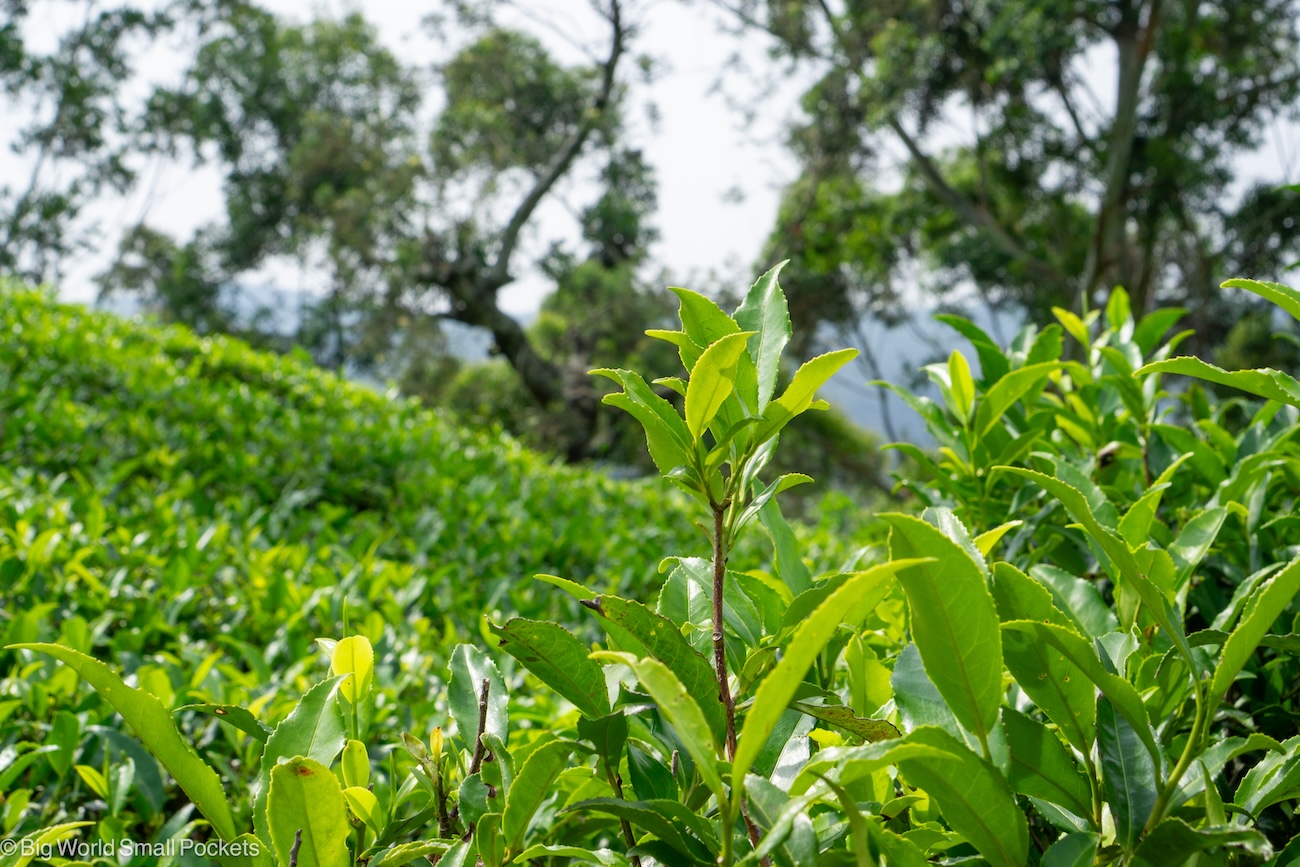
Leaving Kandy, the landscape changes dramatically as you climb into Sri Lanka’s beautiful hill country.
Palm trees give way to rolling tea plantations, misty mountains and cooler temperatures.
Welcome to Nuwara Eliya!
Often nicknamed Little England, this former colonial hill station is known for its tea estates, gardens and distinctly British-inspired architecture.
But the real reason to visit is the scenery.
Stop at the Damro Labookellie Tea Centre to learn how Ceylon tea is produced, or visit Pedro Tea Estate, just outside town.
Many tea factories offer tours and tastings, although availability and charges vary.
If you’re feeling energetic, consider walking a short section of the Pekoe Trail, a long-distance hiking route through Sri Lanka’s tea country.
It’s a fantastic way to explore the landscape beyond the usual tourist stops.
Discover top Nuwara Eliya tours
Where to Stay in Nuwara Eliya
- Heaven Seven Nuwara Eliya: A mid-range option with lovely hill-country views.
- Heritance Tea Factory: A converted tea factory offering a unique, higher-end experience.
- The Trevene Hotel: A traditional-style accommodation option worth comparing for lower rates.
How to Get from Kandy to Nuwara Eliya
Allow approximately 3-4 hours by road, longer if you stop at tea estates or waterfalls.
Buses are the cheapest option, while a private driver gives you the flexibility to stop for photographs.
And trust me, there’ll be plenty of opportunities!
Days 8-9: Ella & The Famous Train Journey
No 2 week Sri Lanka itinerary would be complete without visiting Ella.
This laid-back mountain town has become one of the country’s most popular destinations, thanks to its dramatic scenery, scenic railway and fantastic hiking opportunities.
Discover top tours in and around Ella
Day 8: Take the Scenic Train to Ella
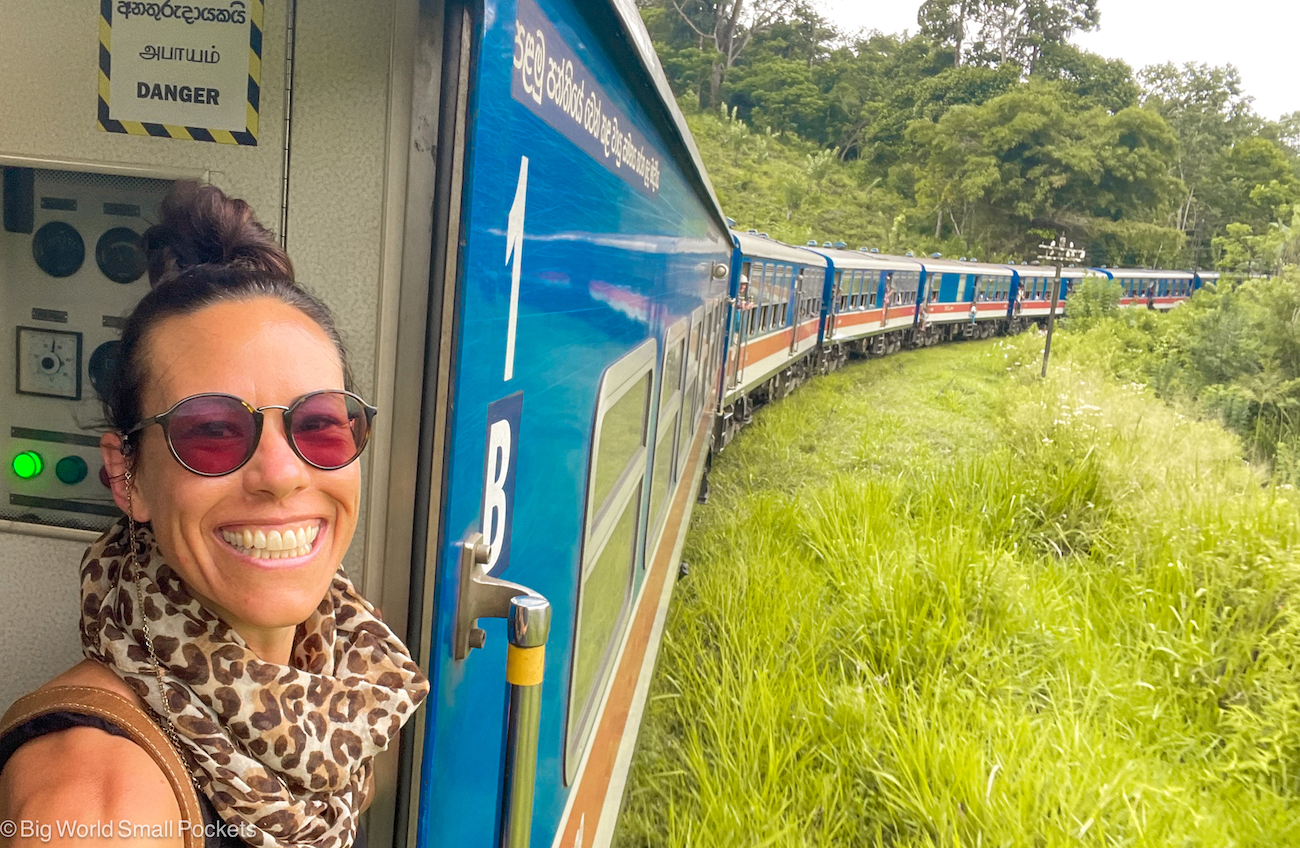
Under normal circumstances, the train journey from Kandy to Ella is one of Sri Lanka’s most famous experiences.
Winding through tea plantations, cloud forests and mountains, it’s a journey where the transport is every bit as exciting as the destination.
However, there’s an important update for anyone planning a trip in 2026.
Sri Lanka Railway Update: October 2026
The complete Kandy to Ella railway journey remains disrupted following major storm damage in late 2025. As of early October 2026, services are operating between Nanu Oya and Ella, but the entire route has not yet reopened.
For this itinerary, travel from Nuwara Eliya to Nanu Oya station by road, then catch a confirmed train service to Ella. Check the latest railway announcements before travelling.
Nanu Oya is approximately 20–30 minutes by road from central Nuwara Eliya.
The train from Nanu Oya to Ella usually takes around 2.5–3 hours when operating to schedule.
For the best balance between price and comfort, I’d recommend a second-class reserved seat.
Book through the official Sri Lanka Railways reservation website.
Day 9: Nine Arch Bridge & Little Adam’s Peak
Start early with a visit to the famous Nine Arch Bridge.
Surrounded by lush jungle and tea plantations, this enormous stone railway bridge is one of Sri Lanka’s most photographed landmarks.
And the good news? Visiting is free.
Just remember that it’s an active railway, so keep off the tracks and use designated viewing areas.
Next, hike Little Adam’s Peak, another fantastic free activity.
The walk takes approximately 30–60 minutes each way, depending on your starting point, and rewards you with spectacular views across the Ella Gap.
If you’ve got extra energy, consider visiting Ravana Falls or exploring another section of the Pekoe Trail.
Where to Stay in Ella
- Ella Flower Garden Resort: A popular choice for mountain views.
- EKHO Ella: A comfortable higher-end option near town.
- Zion View Ella Green Retreat: Worth considering for its views and relaxed setting.
For better value, look at guesthouses a short walk outside Ella’s main tourist strip.
You may find lower prices, quieter surroundings and some of the best home-cooked breakfasts of your trip.
Days 10-11: Safari Adventures & The South Coast

After several days exploring Sri Lanka’s mountains, it’s time to head towards the coast.
But there’s one more adventure worth considering along the way.
Check out these top Yala safari tours
Day 10: Visit Yala National Park
Yala National Park is one of Sri Lanka’s most famous wildlife destinations, particularly known for its leopard population.
You may also spot elephants, crocodiles, monkeys, deer and a fantastic variety of birdlife.
From Ella, travel south towards Tissamaharama, the main gateway to Yala.
Allow approximately 2-3 hours by road.
A jeep safari is one of the more expensive experiences on this itinerary, particularly once park entrance fees are included.
To keep costs down, look for a shared safari vehicle rather than booking an entire jeep for yourself.
I’d recommend an afternoon safari, followed by an overnight stay in Tissamaharama, if wildlife is a priority.
Accommodation options include Kithala Resort and Chaarya Resort & Spa.
Alternatively, skip Yala and head directly from Ella to Mirissa for an extra beach day.
This is the more relaxed and generally cheaper option, and it avoids squeezing a safari and a lengthy onward transfer into one day.
Day 11: Relax in Mirissa or Weligama
If you’ve stayed near Yala, continue to the south coast today, allowing around 3–4 hours by road.
Otherwise, you’ll already be enjoying the beach!
Mirissa is one of Sri Lanka’s best-known coastal destinations, with golden sand, palm trees and plenty of cafés.
Nearby Weligama is another excellent choice, particularly if you’re interested in learning to surf.
Surf lessons are relatively affordable compared with many European destinations, and there are plenty of instructors to choose from.
For a cheaper day, simply enjoy the beach, swim where conditions are safe and watch the sunset.
Where to Stay on the South Coast
- Paradise Beach Club: A beachfront option in Mirissa.
- Weligama Bay Marriott Resort & Spa: A luxury choice for a coastal splurge.
- Weligama Bay Resort: Another option worth checking for beachside accommodation.
My advice? Choose a small guesthouse or locally owned hotel and spend the money you’ve saved on experiences instead.
Days 12-13: Explore Historic Galle

From Mirissa or Weligama, continue west along the coast to Galle.
This is one of my favourite types of destinations: beautiful, historic and wonderfully walkable.
The star attraction is Galle Fort, a UNESCO World Heritage Site filled with colonial-era buildings, cobbled streets, independent boutiques and atmospheric cafés.
And unlike many of Sri Lanka’s major attractions, wandering around the fort itself is free.
Spend your first afternoon exploring the ramparts, visiting the lighthouse and enjoying the sunset over the Indian Ocean.
On day 13, head to nearby Unawatuna for a beach day or explore the quieter coastal stretches around Dalawella.
Alternatively, stay in Galle and enjoy its excellent cafés, galleries and historic architecture.
Discover the best tours for Galle
Where to Stay in Galle
- Fort Bazaar: A stylish boutique hotel inside the fort.
- The Bartizan Galle Fort: A charming heritage property.
- Secret Garden Galle Fort: A smaller property worth checking for more affordable rates.
For the best prices, look at accommodation just outside Galle Fort or near the railway station.
You’ll often pay a premium to stay inside the historic walls.
How to Get to Galle
From Mirissa, catch a local bus towards Galle, usually taking around 1–1.5 hours.
From Weligama, you can also take the coastal train to Galle, subject to current services.
Both options are considerably cheaper than arranging a private transfer.
Day 14: Finish Your Sri Lanka Itinerary in Colombo

For your final day, head north to Colombo, Sri Lanka’s lively capital.
The coastal railway between Galle and Colombo is a fantastic way to finish your journey, with sections running close to the Indian Ocean.
Allow approximately 2–3 hours by train, depending on the service.
Once in Colombo, explore the bustling Pettah Market, visit the colourful Gangaramaya Temple or take a stroll along Galle Face Green.
If you’ve got time, the Colombo National Museum is another worthwhile stop.
And, of course, there’s always room for one final rice and curry!
Discover the best Colombo tours
Where to Stay in Colombo
- Cinnamon Red Colombo: A contemporary mid-range hotel with a rooftop pool.
- Fairway Colombo: Convenient for exploring the historic Fort area.
- Galle Face Hotel: An iconic heritage hotel if you fancy ending the trip in style.
If your flight departs early on day 14, skip Colombo sightseeing and travel directly to the airport from Galle, allowing a generous transfer buffer.
Bandaranaike International Airport is outside central Colombo, so factor in traffic and check-in time.
For an afternoon or evening flight, you may have time for a short Colombo visit, but an extra night in the capital is preferable if you want to explore properly.
How Much Does a 2 Week Sri Lanka Itinerary Cost?

Sri Lanka can be excellent value, particularly if you use public transport, stay in locally owned guesthouses and eat at smaller restaurants.
However, attractions such as Sigiriya and national park safaris can quickly increase your spending.
Here’s a realistic planning budget for 14 days, excluding international flights.
| Expense | Budget Traveller | Mid-Range Traveller |
| Accommodation, per person sharing | £140-£245 | £350-£630 |
| Food and drinks | £85-£140 | £170-£280 |
| Transport | £35-£75 | £120-£220 |
| Attractions and activities | £100-£180 | £150-£250 |
| Total per person | £360-£640 | £790-£1,380 |
These are indicative budgets rather than live quotes. They assume two people sharing accommodation and a mixture of free and paid attractions. Private transfers, premium hotels and additional safaris can push costs higher.
My biggest money-saving tip is to prioritise the experiences that genuinely interest you.
You don’t need to visit every paid attraction to have an incredible trip.
A sunrise hike, a local market and a beautiful beach can be just as memorable as an expensive organised excursion.
How to Get Around Sri Lanka on a Budget
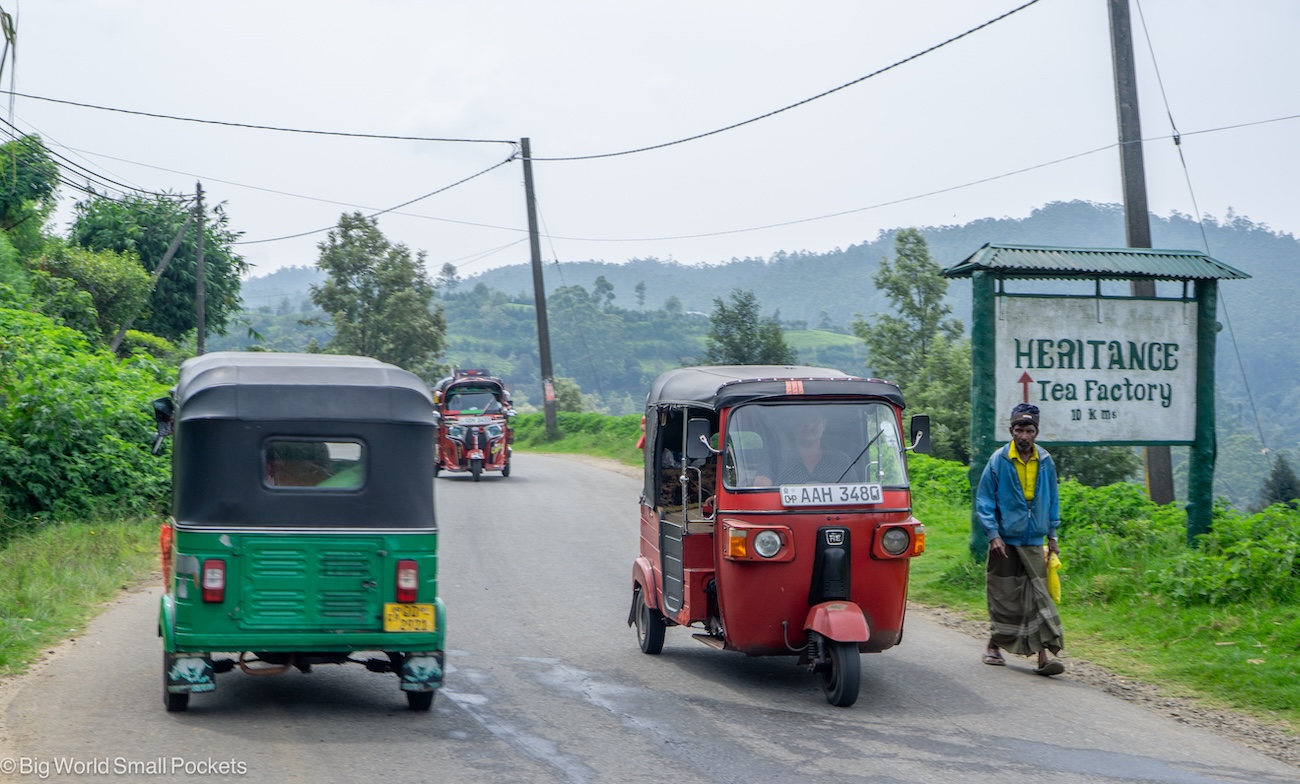
Sri Lanka has a reasonably extensive public transport network, and travelling independently is one of the best ways to save money.
Trains
Trains are particularly useful along the southern coastline and, where operational, through the hill country.
Second and third-class tickets are generally affordable, although reserved seats on popular tourist services can sell out.
Always check the latest timetable and railway disruptions before booking.
Local Buses
Buses connect most major towns and are usually the cheapest way to travel.
They can be crowded and journeys are sometimes slow, but they’re a brilliant way to experience everyday Sri Lankan life.
Tuk-Tuks
Tuk-tuks are ideal for short journeys, particularly around Sigiriya, Kandy and Ella.
Agree a price before setting off, or use a ride-hailing app such as PickMe where available.
Private Drivers
Hiring a driver for the entire fortnight is convenient, but not essential.
For good-value travel, I’d recommend combining trains and buses with occasional private transfers for trickier routes.
The Negombo to Sigiriya and Ella to south coast journeys are two places where a driver may be worth considering.
When is the Best Time for this Sri Lanka Itinerary?
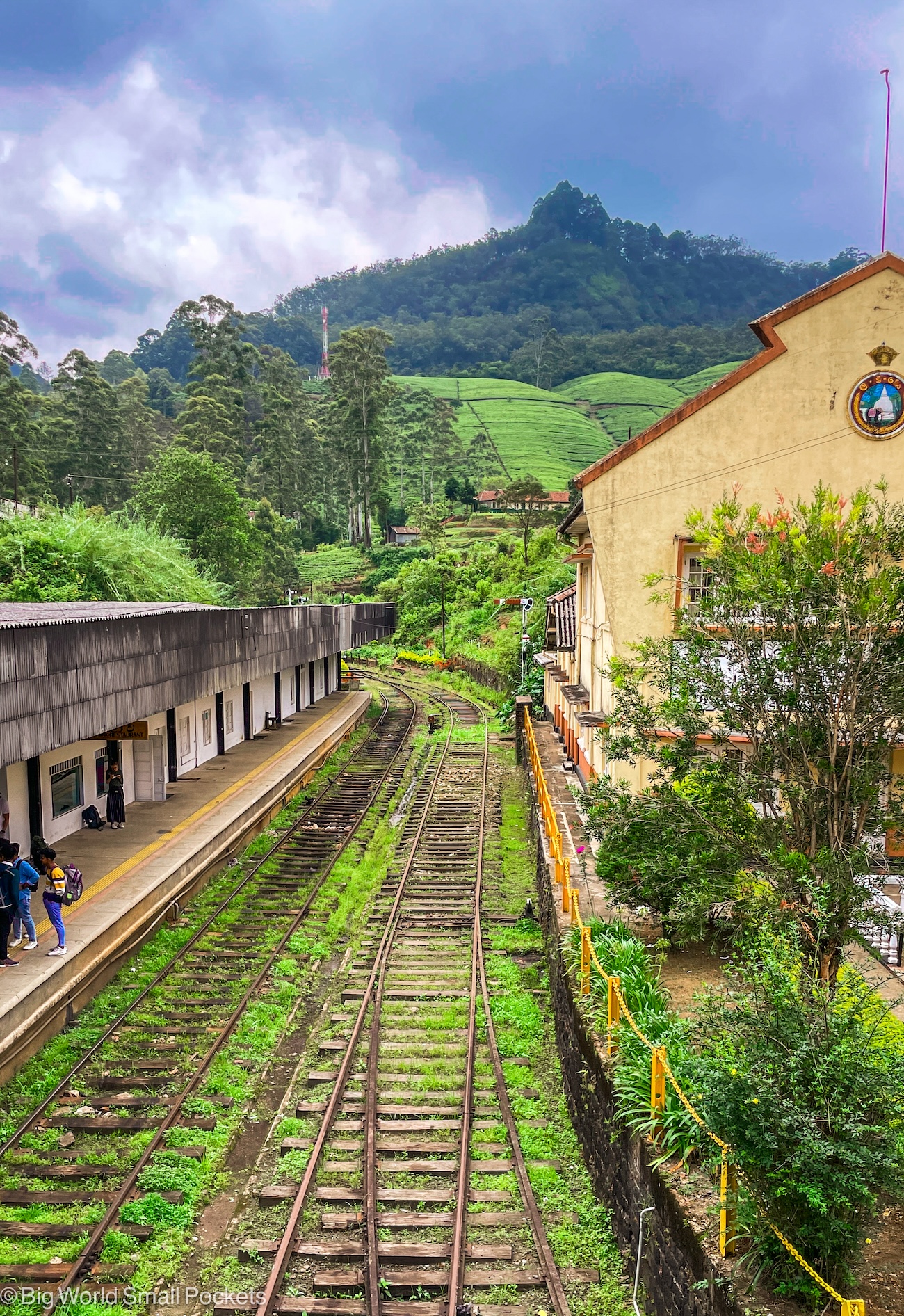
The best period for this particular route is generally December to March, when the south and west coasts experience more favourable beach weather.
January and February can be particularly popular, so accommodation prices may be higher.
For better value, consider the shoulder periods around March and early April, while keeping in mind that weather patterns vary.
If you’re travelling between May and September, I’d recommend changing the itinerary to include Sri Lanka’s east coast, particularly Trincomalee or Arugam Bay, rather than concentrating on Mirissa and Galle.
How to Make this Sri Lanka Itinerary Cheaper

A few simple changes can make a significant difference to your overall spending:
- Stay in family-run guesthouses rather than international hotel chains.
- Use buses for shorter journeys and trains where practical.
- Eat local rice and curry, hoppers and kottu rather than relying on Western restaurants.
- Share safari jeeps to reduce wildlife excursion costs.
- Book popular train seats in advance, but avoid unnecessary transport packages.
- Choose free attractions such as Nine Arch Bridge, Little Adam’s Peak and Galle Fort.
- Travel outside Christmas, New Year and other peak holiday periods where possible.
Most importantly, avoid changing hotels every single night. Slower travel often works out cheaper and gives you more time to enjoy each destination.
Frequently Asked Questions about 2 Weeks in Sri Lanka

Is 2 Weeks Enough for Sri Lanka?
Yes, 2 weeks is enough to experience many of Sri Lanka’s biggest highlights, including Sigiriya, Kandy, the tea plantations, Ella and the southern beaches.
However, you’ll need to prioritise destinations rather than attempting to explore the entire island.
What Is the Best Route for 2 Weeks in Sri Lanka?
For first-time visitors, a great route is Negombo, Sigiriya, Kandy, Nuwara Eliya, Ella, Mirissa, Galle and Colombo.
This combines cultural attractions, mountain scenery, wildlife opportunities and beaches while minimising unnecessary backtracking.
How Much Money Do I Need for 2 Weeks in Sri Lanka?
Budget travellers sharing accommodation should plan approximately £360–£640 per person for 14 days, excluding international flights.
Mid-range travellers may spend around £790–£1,380, depending on hotels, transport and activities.
Is Sri Lanka Easy to Travel Independently?
Yes. Sri Lanka has extensive bus services, rail connections and plenty of accommodation catering to independent travellers.
Some routes are slow, and railway disruptions may require alternative transport, but a private driver for the entire trip is not necessary.
Should I Visit Sigiriya or Ella?
Ideally, both! Sigiriya is best for ancient history, archaeological attractions and elephant safaris, while Ella is known for hiking, tea plantations and mountain scenery.
They offer very different experiences.
Can You Travel Around Sri Lanka Without a Car?
Absolutely. Buses and trains connect many major destinations, while tuk-tuks and occasional taxis help with shorter journeys.
Some remote attractions are easier to reach with a local driver.
Is It Better to Stay in Mirissa or Galle?
Mirissa is ideal for a relaxed beach holiday, while Galle offers historic architecture, independent cafés and cultural attractions.
With 2 weeks in Sri Lanka, I’d recommend spending time in both.
Practical Tips for Visiting Sri Lanka

Getting There
Colombo Bandaranaike International Airport (CMB) offers flights from across the world.
As always, I use Skyscanner to find the best flight deals.
Best eSIM for Sri Lanka
Holafly offer unlimited data eSIMs for Sri Lanka that are perfect for staying connected across the country.
Travel Insurance
World Nomads offer simple and flexible travel insurance. Buy at home or while travelling and claim online from anywhere in the world.
Heymondo offers extensive cover for medical emergencies, cancellations, lost luggage and adventure activities, plus there’s 24/7 assistance if anything goes wrong while you’re away.
Travel Money
Sri Lanka use the Sri Lankan Rupees (LKR).
I always travel with my Wise card, which makes spending abroad cheaper with real exchange rates and no sneaky transaction or ATM fees.
Get your Wise card here.
SAVE THIS ARTICLE TO PINTEREST!


From climbing ancient rock fortresses and spotting wild elephants to riding through tea plantations and watching sunsets over the Indian Ocean, Sri Lanka packs an extraordinary amount into a relatively small island.
And with a little planning, you really don’t need a luxury travel budget to enjoy it.
For me, the secret to a great 2 week Sri Lanka itinerary is finding the balance between adventure, relaxation and value.
Use public transport where it makes sense, choose locally owned accommodation and spend your money on experiences you’ll remember long after you’ve returned home.
Because the best travel memories rarely come with the biggest price tag!
My trip was sponsored by Sri Lanka tourism but, as always, all views are my own.
This page contains affiliate links meaning Big World Small Pockets may receive a small commission on any purchases at no extra cost to you.
