


Sri Lanka is a small island with an impressively big travel itinerary.
In one trip, you can climb to an ancient fortress, watch elephants gather beside a reservoir, sip tea in the Central Highlands and finish the day beside the Indian Ocean.
The best things to do in Sri Lanka range from famous landmarks such as Sigiriya and Galle Fort to simple pleasures such as taking a local train through tea country or lingering over a rice-and-curry lunch.
You can travel independently on a budget, too, using public buses and trains, locally run guesthouses and inexpensive cafés.
This guide covers Sri Lanka’s highlights, including practical tips for visiting Sigiriya, Dambulla, Galle, the tea estates, the Pekoe Trail, the Nine Arch Bridge, Minneriya and Yala.
Use the route table to start planning, then check opening times, transport and entry fees before you travel, as these can change….

Related Posts
- Best 2 Week Sri Lanka Itinerary
- 13 Things You Need to Know Before Travelling Sri Lanka
- Complete Sri Lanka Packing List
Best Things to Do in Sri Lanka at a Glance

| Experience | Where | Best For |
| Climb Sigiriya Rock Fortress | Sigiriya | History and panoramic views |
| Visit Dambulla Cave Temple | Dambulla | Art, culture and religious heritage |
| See elephants on safari | Minneriya or nearby parks | Wildlife and photography |
| Explore Galle Fort | Galle | Architecture, food and coastal walks |
| Walk through tea country | Central Highlands | Scenery, plantations and hikes |
| Hike the Pekoe Trail | Central Highlands | Independent walking |
| Take the Kandy to Ella train | Hill Country | One of the island’s best-known rail journeys |
| Visit Nine Arch Bridge | Ella | Railway views and a scenic walk |
| Go on safari in Yala | South-east Sri Lanka | Wildlife and leopard sightings |
#1 Climb Sigiriya Rock Fortress
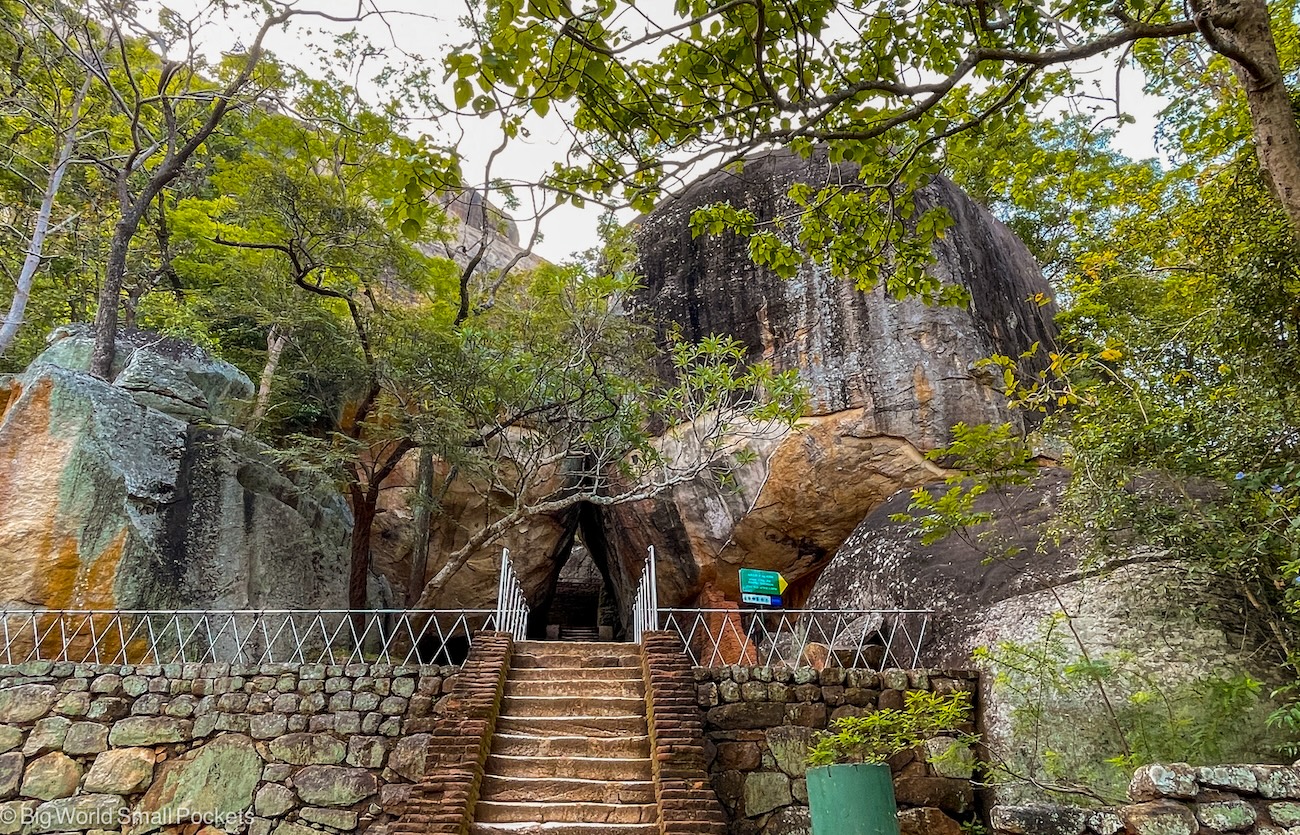
Sigiriya is one of Sri Lanka’s most recognisable landmarks – a vast rock rising above the forests and plains, crowned by the remains of a historic palace complex.
The ancient city of Sigiriya is a UNESCO World Heritage Site, and the climb takes you past landscaped gardens, frescoes and the famous Lion’s Paw entrance.
Allow around half a day for the visit.
Start early to avoid the strongest heat, bring water and wear shoes with a good grip.
There are steep steps and exposed sections, so take your time and keep a hand free for the railings.
Entry is relatively expensive compared with many Sri Lankan attractions, so make it a priority if the history and views matter to you.
For a lower-cost alternative with a lovely view of Sigiriya itself, consider climbing nearby Pidurangala Rock.
It is also a proper hike, with a short section over boulders near the top, so check conditions and wear suitable footwear.
Stay in Sigiriya or nearby Habarana to reach the site early.
Local guesthouses often offer breakfast and can help arrange tuk-tuks or shared transport.
Check out my full guide to visiting Sigiriya
#2 Explore Dambulla Cave Temple
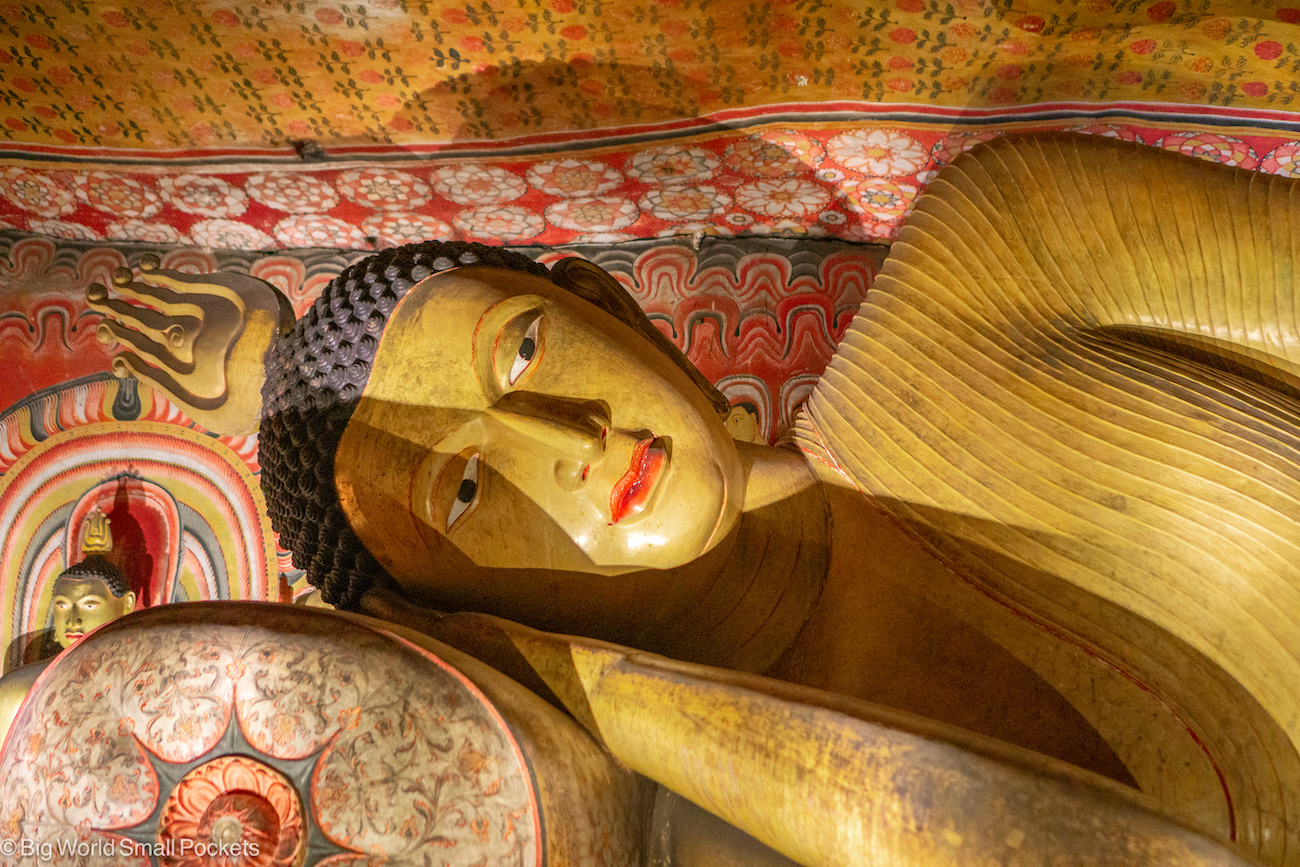
The Dambulla Cave Temple, also known as the Golden Temple of Dambulla, is another UNESCO-listed stop that works well with Sigiriya.
The complex includes 5 caves containing statues and painted ceilings.
The site is still a place of worship, so cover your shoulders and knees, remove your shoes where required and be respectful while people are praying.
The temple is set on a hill above Dambulla, with views across the surrounding countryside.
You can visit independently, but check which entrance and ticket arrangements are in use on the day, as site access can be confusing for first-time visitors.
Ask your accommodation or a local guide for clear directions before setting off.
A good budget itinerary is to visit Dambulla and Sigiriya on separate mornings rather than rushing both into one hot day.
If you do combine them, start early and arrange transport in advance.
#3 See Elephants in Minneriya National Park

Minneriya National Park is known for its elephants and the large seasonal gatherings that can form around the reservoir.
The best time to see these gatherings varies with rainfall and local conditions.
Sri Lanka Tourism highlights May to October as a popular period, but wildlife sightings are never guaranteed.
Safaris are usually taken in a four-wheel-drive vehicle with a guide.
To keep costs down, ask your guesthouse about sharing a jeep with other travellers, and confirm what the price includes: park entry, vehicle, driver, guide and any pick-up charge.
Entry fees and safari prices can change, so ask for a current itemised quote before booking.
Minneriya is close to Habarana and makes a practical safari option if you are already exploring the Cultural Triangle.
Depending on wildlife movement and park conditions, your operator may suggest a different nearby park.
Choose a responsible operator that keeps a respectful distance from animals and does not crowd them for photographs.
Check out my full guide to visiting Minneriya National Park
#4 Walk the Fortifications in Galle

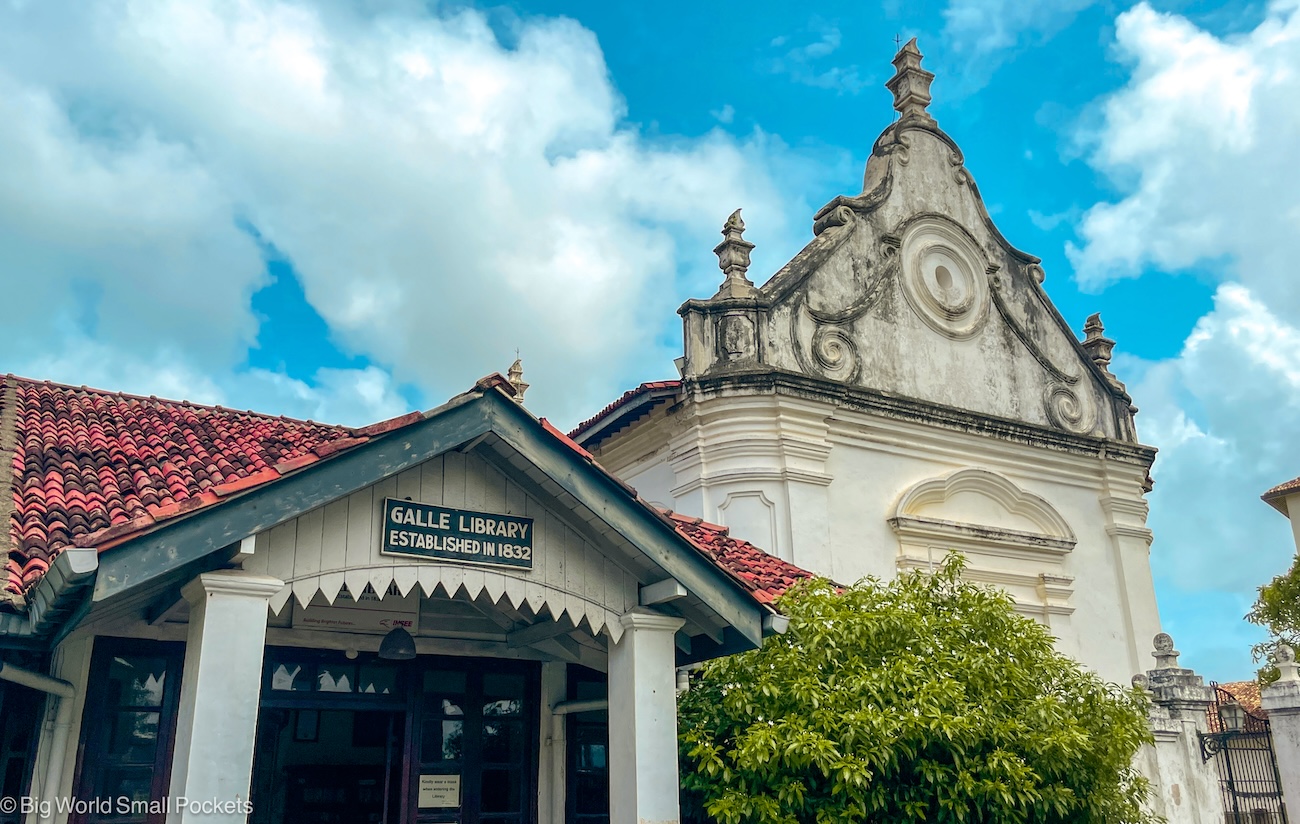
Galle Fort is a beautiful place to explore on foot, with narrow lanes, old buildings, galleries, cafés and views over the sea.
The Old Town of Galle and its Fortifications is a UNESCO World Heritage Site.
A walk along the ramparts is free and particularly lovely in the late afternoon, when the light softens and local families gather to watch the sunset.
Allow time to wander beyond the main streets. You will find small shops, churches and quieter corners that are easy to miss if you only follow a map.
Galle can be pricier than some inland towns, especially around the fort.
For more affordable meals, look just outside the busiest lanes or ask locals where they go for rice and curry.
You can visit as a day trip, but staying overnight lets you explore before and after the busiest hours.
Check out my full guide to visiting Galle
#5 Visit a Tea Estate and Factory

Sri Lanka’s tea country is one of the most rewarding parts of the island to explore.
In the Central Highlands, rolling hills are covered with tea bushes, while factories offer an introduction to how leaves are processed into the tea sold around the world.
Some estates offer factory visits or tastings. Ask what the tour includes and whether there is a fee before you arrive.
You can also enjoy the scenery without paying for a formal tour – take a walk along public roads, stop at a viewpoint or choose a guesthouse surrounded by tea fields.
Be considerate around tea workers.
Ask before taking close-up photographs, and remember that plantations are workplaces as well as landscapes.
Towns such as Nuwara Eliya, Hatton, Haputale and Ella make useful bases for exploring different parts of tea country.
Check out my full guide to visiting Sri Lanka’s Tea Plantations
#6 Hike Part of the Pekoe Trail
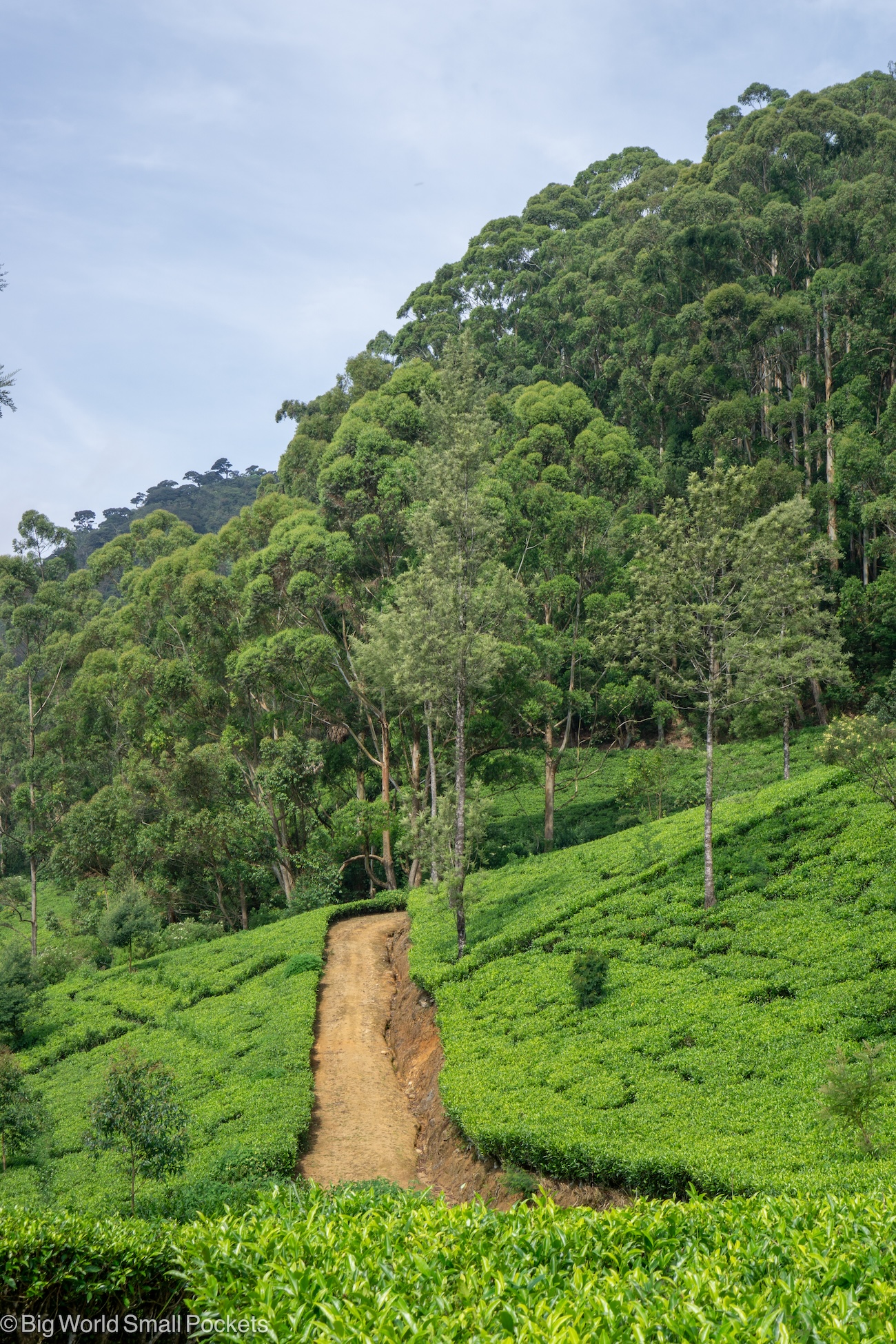
The Pekoe Trail is a long-distance walking route through Sri Lanka’s Central Highlands.
It stretches for about 300km and is divided into 22 stages, passing through tea country and towns including Kandy, Hatton, Nuwara Eliya, Haputale and Ella.
You do not need to hike the whole trail.
Choose a stage that suits your fitness and schedule, and arrange transport and accommodation at either end.
Some sections pass through remote areas, so download maps in advance, carry water and check the latest route information before setting out.
The trail can be a budget-friendly alternative to booking a full-day guided excursion, but do not assume every stage is easy to navigate independently.
Check access, weather and local advice, and consider hiring a local guide for sections where route-finding or transport is more complicated.
#7 Take the Kandy to Ella Train
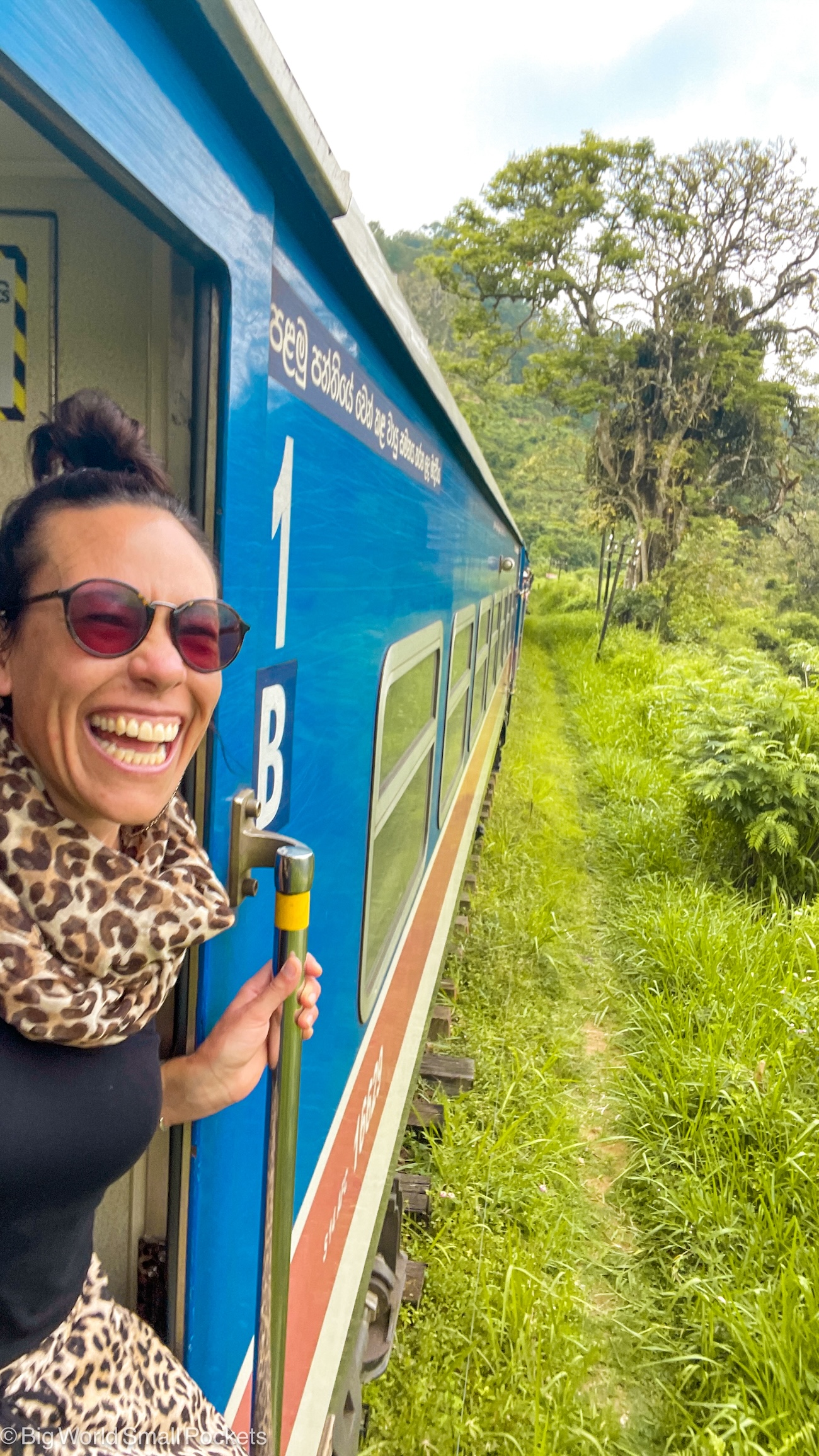
The Kandy to Ella train ride is famous for its views of the hill country, tea plantations and valleys.
The complete journey takes several hours, and trains can be slow, crowded or delayed. Think of it as a scenic travel day rather than a quick transfer.
Reserved seats can be booked through the Sri Lanka Railways online seat reservation service.
Availability and booking rules vary, so use the official site and check the latest information before travelling.
If reserved seats are sold out, ask at the station about other ticket options, but expect to stand or share space on busy services.
For a cheaper or shorter experience, consider travelling between Kandy and a hill-country stop such as Nanu Oya, or taking a shorter section of the route.
Keep your belongings close, avoid leaning out of train doors and be patient when the carriage gets busy.
The views are memorable, but so is having enough space to enjoy them.
Check out my full guide to catching the Kandy to Ella train
#8 Visit Nine Arch Bridge in Ella

The Nine Arch Bridge is a striking stone-and-brick railway viaduct set amid tea gardens and jungle near Ella.
The bridge is a short walk or tuk-tuk ride from town, followed by a walk down to one of the viewpoints.
Many visitors time their visit to watch a train cross the bridge.
Train times can shift, so ask locally or check a current railway source rather than relying on an old timetable online.
Keep off the tracks when trains approach and follow any signs or local instructions.
You can visit independently without booking a tour.
Go early or later in the day for softer light and fewer people, and allow time for the walk through the surrounding tea landscape.
Combine the bridge with Little Adam’s Peak for an affordable day outdoors.
Check out my full guide to visiting the Nine Arch Bridge
#9 Spend Time in Ella
Ella is a relaxed base for walking, waterfalls and mountain views.
Popular options include Little Adam’s Peak, Ella Rock and Ravana Falls.
Little Adam’s Peak is generally the easier walk, while Ella Rock takes longer and requires more careful navigation.
You can explore independently, but check directions before setting out and avoid following unofficial guides who approach you on the trail.
Local guesthouses can recommend routes and tell you about current conditions.
For a slower day, visit a tea factory or take a walk through the nearby countryside.
Ella has plenty of cafés aimed at visitors, but budget travellers can look for small local restaurants away from the busiest strip.
A stay of 2 or 3 nights gives you time to explore without turning each day into a race.
#10 Go on Safari in Yala National Park

Yala is one of Sri Lanka’s best-known national parks, with a mix of habitats and wildlife.
Leopards are a major draw, but sightings are not guaranteed.
Elephants, crocodiles, deer and a wide variety of birds may also be spotted.
Sri Lanka Tourism describes Yala as one of the country’s major wildlife destinations.
Safaris usually leave early in the morning or later in the afternoon, when wildlife may be more active.
Compare operators and check that your driver is licensed, you must use Department of Wildlife Conservation licensed jeep drivers.
Yala can be busy, especially around popular sightings.
Choose an operator that prioritises responsible wildlife viewing and does not chase or crowd animals.
Stay near the entrance you plan to use, and confirm park opening arrangements before your visit.
#11 Spend a Day in Kandy
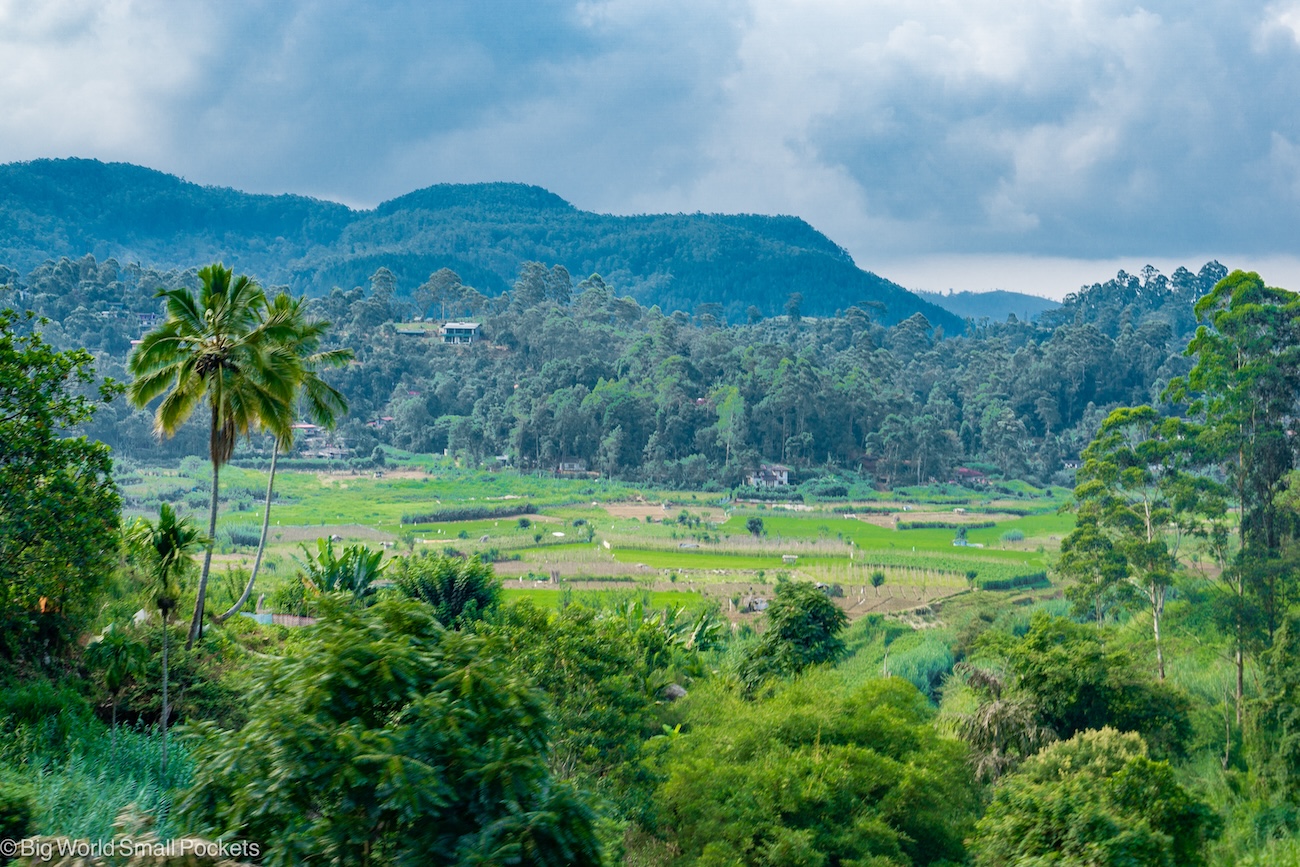
Kandy sits in a scenic setting around a lake and is a useful stop on the way to the hill country.
Visit the Temple of the Tooth, stroll beside Kandy Lake and browse the market.
The city is busy, so it is worth allowing time to slow down between sights.
Dress modestly at religious sites and follow local rules on shoes and photography.
Kandy also works well as a transport hub – you can arrive by train or bus, spend a night or two, then continue towards the tea country.
#12 Visit Anuradhapura or Polonnaruwa
If you enjoy history, consider adding one of Sri Lanka’s ancient cities to your route.
Anuradhapura is known for its sacred sites and stupas, while Polonnaruwa has extensive archaeological remains and is often explored by bicycle.
Both sites cover large areas, so start early and take water, sun protection and modest clothing for religious places.
Rather than trying to squeeze both into one day, choose one that best fits your route or stay nearby for a more relaxed visit.
#13 Relax on the Coast

Sri Lanka has beaches for swimming, surfing, snorkelling and doing absolutely nothing with impressive commitment.
The south and west coasts are popular for easy access from Galle and Colombo, while the east coast is often a better fit during a different part of the year.
Conditions vary by beach and season.
Ask locally about currents before swimming, and do not assume a calm-looking sea is safe.
For a budget-friendly beach stay, look for simple guesthouses a short walk from the sand and eat at local cafés rather than choosing every meal at a resort.
#14 Try Sri Lankan Food

Food is one of the great pleasures of travelling in Sri Lanka.
Look out for rice and curry, hoppers, string hoppers, kottu roti and fresh fruit.
A local lunch spot is often both tastier and cheaper than a restaurant aimed mainly at tourists.
Ask how spicy a dish is if you prefer milder food, and check whether a quoted price includes extras such as water or side dishes.
Vegetarian travellers will usually find plenty of choice, particularly with rice and curry, but it helps to explain dietary needs clearly.
#15 Discover Jaffna
Jaffna offers a very different experience from Sri Lanka’s better-known southern and central routes.
In the north of the island, it’s a chance to explore Tamil culture, try distinctive local food and visit important Hindu temples.
Sri Lanka Tourism highlights Nallur Kandaswamy Temple and Jaffna Fort among the area’s key attractions.
Allow at least a couple of nights if you want to explore beyond the city.
You could visit the fort and temple, sample Jaffna crab curry and look into a trip to the peninsula’s islands.
Dress modestly at religious sites, and check local transport options with your accommodation before setting off.
#16 Visit Trincomalee and the East Coast
Trincomalee is worth adding for its east-coast beaches, historic sites and access to Pigeon Island National Park.
Visit Koneswaram Temple, spend time at Nilaveli or Uppuveli beach, or arrange a boat trip from Nilaveli for snorkelling around Pigeon Island.
The east coast has a different seasonal pattern from the south and west, so check conditions when planning your beach days.
Boats, snorkelling and park fees add to the cost, so confirm what is included before booking.
Trincomalee can pair well with the Cultural Triangle, though allow time for the road journey.
#17 Climb Adam’s Peak (Sri Pada)
Adam’s Peak, also known as Sri Pada, is a sacred mountain and a challenging night-time climb.
Pilgrims climb to the summit to visit the sacred footprint and, in clear weather, watch sunrise and the mountain’s distinctive shadow. T
he main pilgrimage season runs roughly from December to May.
The climb involves thousands of steps, so it’s a tougher outing than the short viewpoint walks around Ella.
Take warm layers, water and snacks, and allow enough time to climb at your own pace.
It can be very busy during peak pilgrimage dates, so plan your overnight stay and transport in advance.
Suggested 10 Day Sri Lanka Route
| Days | Base | Suggested Highlights |
| 1–3 | Sigiriya or Habarana | Sigiriya, Dambulla and a Minneriya safari |
| 4 | Kandy | Temple visit, lake and local market |
| 5–7 | Hill Country | Train journey, tea estate and a Pekoe Trail walk |
| 8 | Ella | Nine Arch Bridge and Little Adam’s Peak |
| 9–10 | Galle | Fort, ramparts and a coastal break |
This route is a starting point, not a race plan.
If you have more time, add another night in the hill country or include a beach stop.
Sri Lanka’s roads can make short distances surprisingly slow, so avoid packing in too many overnight moves.
Budget Tips for Visiting Sri Lanka

- Use buses and trains for longer journeys where practical, and allow extra time.
- Stay in family-run guesthouses, which can also help with local transport and food.
- Share safari costs with other travellers, but compare what is included.
- Choose 1 or 2 paid heritage attractions that matter most to you.
- Walk to nearby viewpoints and landmarks when routes are safe and clearly accessible.
- Check current entry fees, train reservations and park conditions before setting off.
People Also Ask About Things to Do in Sri Lanka
What Are the Best Things to Do in Sri Lanka?
Highlights include climbing Sigiriya, visiting Dambulla Cave Temple, exploring Galle Fort, taking the Kandy to Ella train, walking through tea country and going on safari in Minneriya or Yala.
How Many Days Do You Need in Sri Lanka?
10 days is enough for a highlights route covering the Cultural Triangle, hill country and south coast.
2 weeks or more gives you time to add beaches, wildlife parks and slower travel days.
Is the Kandy to Ella Train Worth It?
Yes, if you enjoy scenic train travel and have time for a long journey.
Book a reserved seat through the official Sri Lanka Railways website when available, and expect possible delays or crowds.
Can You Visit Nine Arch Bridge Without a Tour?
Yes.
The bridge is near Ella and can be reached on foot or by tuk-tuk.
Check local directions and train information, and keep clear of the tracks.
Which is Better for Elephants, Minneriya or Yala?
They offer different safari experiences.
Minneriya is particularly known for seasonal elephant gatherings, while Yala is popular for a wider range of wildlife, including the chance to see leopards.
Sightings depend on conditions and are never guaranteed.
Is Sri Lanka Cheap to Visit?
Sri Lanka can be travelled on a range of budgets.
Public transport, local food and guesthouses help keep costs down, while private transfers, guided safaris and popular attractions can add significantly to the daily spend.
Practical Tips for Visiting Sri Lanka

Getting There
Colombo Bandaranaike International Airport (CMB) offers flights from across the world.
As always, I use Skyscanner to find the best flight deals.
Best eSIM for Sri Lanka
Holafly offer unlimited data eSIMs for Sri Lanka that are perfect for staying connected across the country.
Travel Insurance
World Nomads offer simple and flexible travel insurance. Buy at home or while travelling and claim online from anywhere in the world.
Heymondo offers extensive cover for medical emergencies, cancellations, lost luggage and adventure activities, plus there’s 24/7 assistance if anything goes wrong while you’re away.
Travel Money
Sri Lanka use the Sri Lankan Rupees (LKR).
I always travel with my Wise card, which makes spending abroad cheaper with real exchange rates and no sneaky transaction or ATM fees.
Get your Wise card here.
SAVE THIS ARTICLE TO PINTEREST!


Sri Lanka is the kind of destination that rewards curiosity – one day you’re climbing towards an ancient fortress, the next watching tea hills roll past your train window.
From Jaffna’s Tamil heritage and Trincomalee’s east coast to the historic cities of Anuradhapura and Polonnaruwa, there is far more to explore than one itinerary can fit.
Choose a route that suits your time and travel season, then leave room for unplanned stops, local meals and slow journeys.
With public transport, guesthouses and thoughtful planning, many of the best things to do in Sri Lanka can be enjoyed without a luxury budget.
My trip was sponsored by Sri Lanka tourism but, as always, all views are my own.
This page contains affiliate links meaning Big World Small Pockets may receive a small commission on any purchases at no extra cost to you.
