


Sri Lanka looks simple on a map, yet slow journeys, two monsoons and a tempting number of stops make planning surprisingly complex.
You can climb an ancient fortress, ride through tea country, see wild elephants and reach the Indian Ocean in one holiday, provided you resist squeezing in everything.
For most first-time visitors, 2 weeks is ideal.
Focus on one coast and stay at least 2 nights in most places.
Here are the essential things to know before travelling Sri Lanka, from routes and transport to food, festivals and budget tips…
Related Posts
- Travel Guide to Sri Lanka’s Sigiriya Lion’s Rock
- How to Visit Sri Lanka’s Tea Plantations
- Top Things to Do in Sri Lanks
#1 Choose your Coast According to the Season
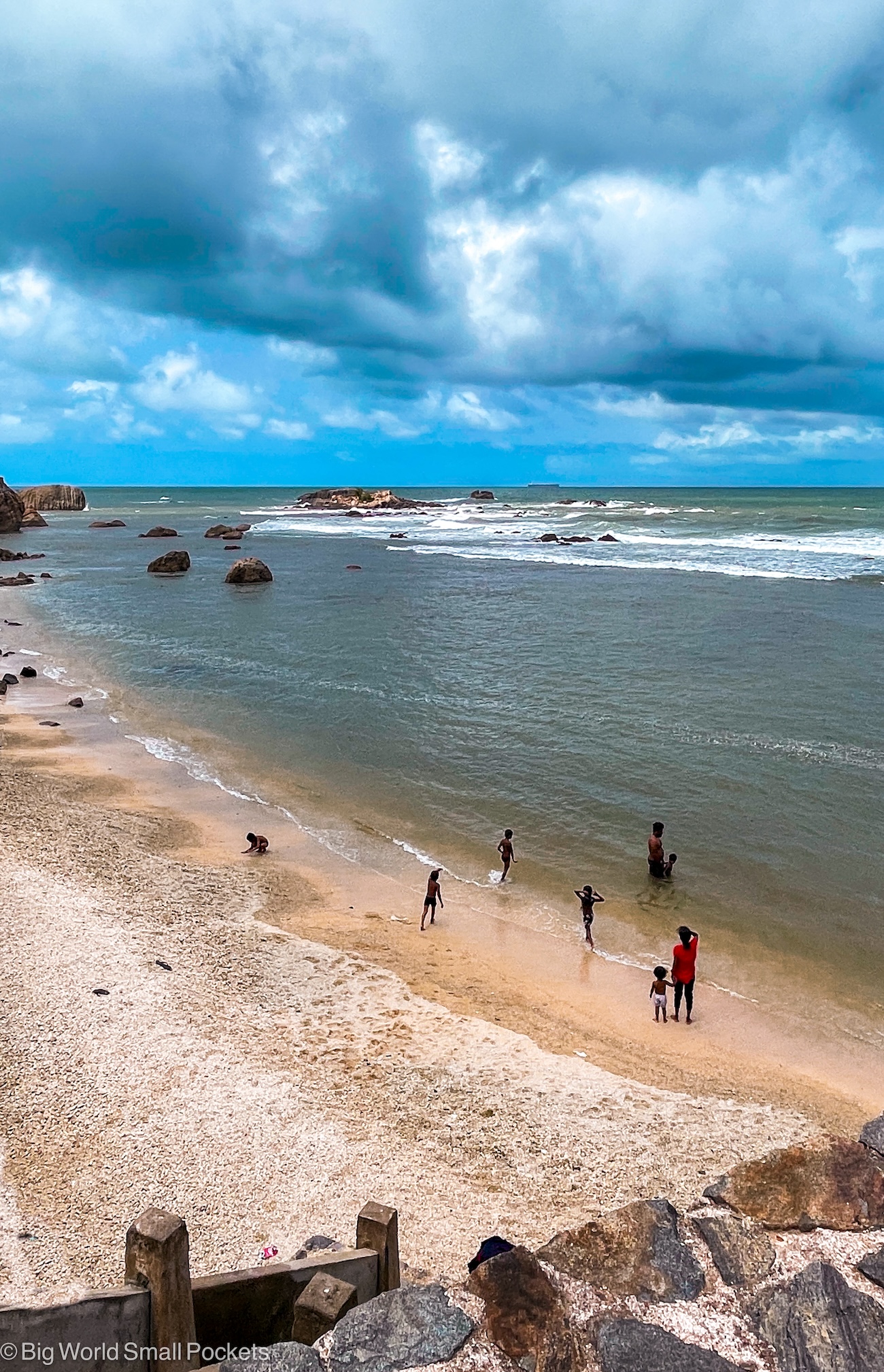
There is no single best time to visit the whole island.
Sri Lanka has 2 monsoons, so the right month depends on where you want to go.
| Period | Best Areas to Prioritise | What to Expect |
| December to February | South and west coasts, Cultural Triangle | Drier beach weather and peak-season prices |
| March to April | Cultural Triangle and hill country | Hot, humid weather with possible afternoon storms |
| May to September | East coast, Trincomalee, Arugam Bay and Jaffna | Drier conditions in the east; wetter south-west |
| October to November | Flexible inland trips | Unpredictable showers, rough seas and possible disruption |
The central highlands are cooler than the coast, so pack a light layer even if Colombo feels like a sauna with traffic.
#2 Build a Realistic Sri Lanka Route
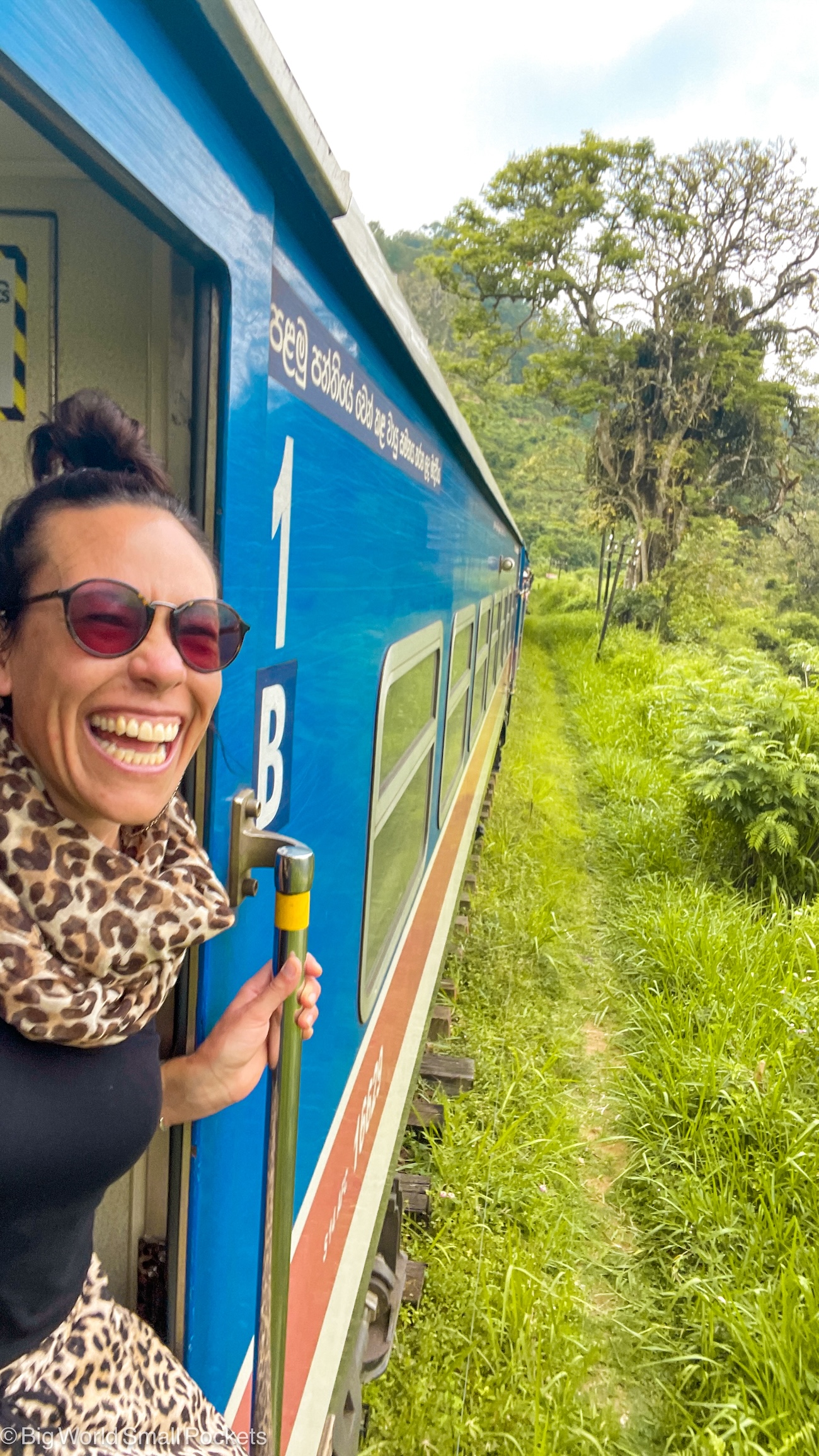
A good 2 week first trip is Colombo or Negombo, Dambulla or Sigiriya, Kandy, Ella, Udawalawe National Park, the south coast and Galle.
This route combines Sri Lanka’s major cultural, scenic, wildlife and beach experiences without too much backtracking.
If you visit from May to September, replace the south coast with Trincomalee, Nilaveli or Arugam Bay.
With 3 weeks, add Anuradhapura, Polonnaruwa, Jaffna or the Knuckles Mountain Range.
Sri Lanka has 8 UNESCO World Heritage Sites – Sigiriya, Dambulla Cave Temple and the ancient cities of Anuradhapura and Polonnaruwa anchor the Cultural Triangle. Kandy leads naturally into the hill country; Ella has famous walks and railway views, while Haputale is quieter. Galle Fort offers historic ramparts and Jaffna provides an introduction to Tamil culture.
Winding roads, traffic and leisurely public transport make journeys longer than expected.
Stay 2 or 3 nights per stop to experience more than your luggage.
#3 Check Your Passport & ETA
British citizens need an Electronic Travel Authorisation, or ETA, before travelling.
At the time of writing, the official ETA is free and valid for 30 days.
Your passport must expire at least 6 months after the day you arrive.
Apply only through the official Sri Lankan ETA website and check current UK government travel advice before booking.
Rules and fees can change, while unofficial visa websites often charge avoidable service fees.
Monsoon rain can cause flooding, landslides and closures.
Check official weather alerts and your operator before long journeys. Save the tourism hotline, 1912, and ambulance number, 1990.
#4 Mix Trains, Buses, Tuk-Tuks & Drivers
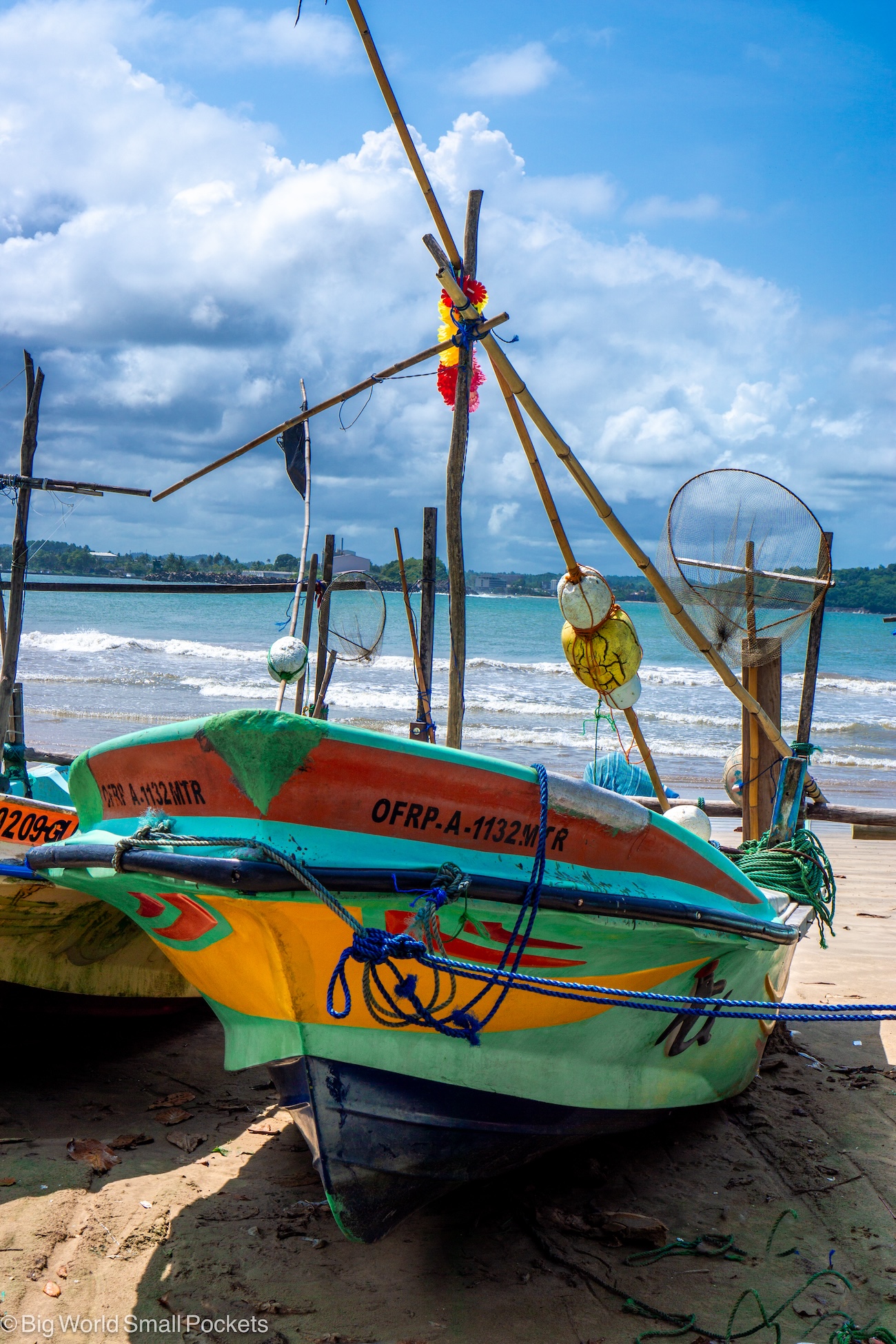
No single transport type works best across Sri Lanka, so combine them.
| Transport | Best for | Budget Advice |
| Train | Hill country and some coastal routes | Reserve scenic journeys through official Sri Lanka Railways |
| Bus | Short trips and routes without trains | Carry small notes and ask locally for the correct stop |
| Tuk-tuk | Local journeys | Use a meter or app, or agree the total fare first |
| Car with driver | Awkward routes and small groups | Confirm fuel, parking, mileage and driver costs |
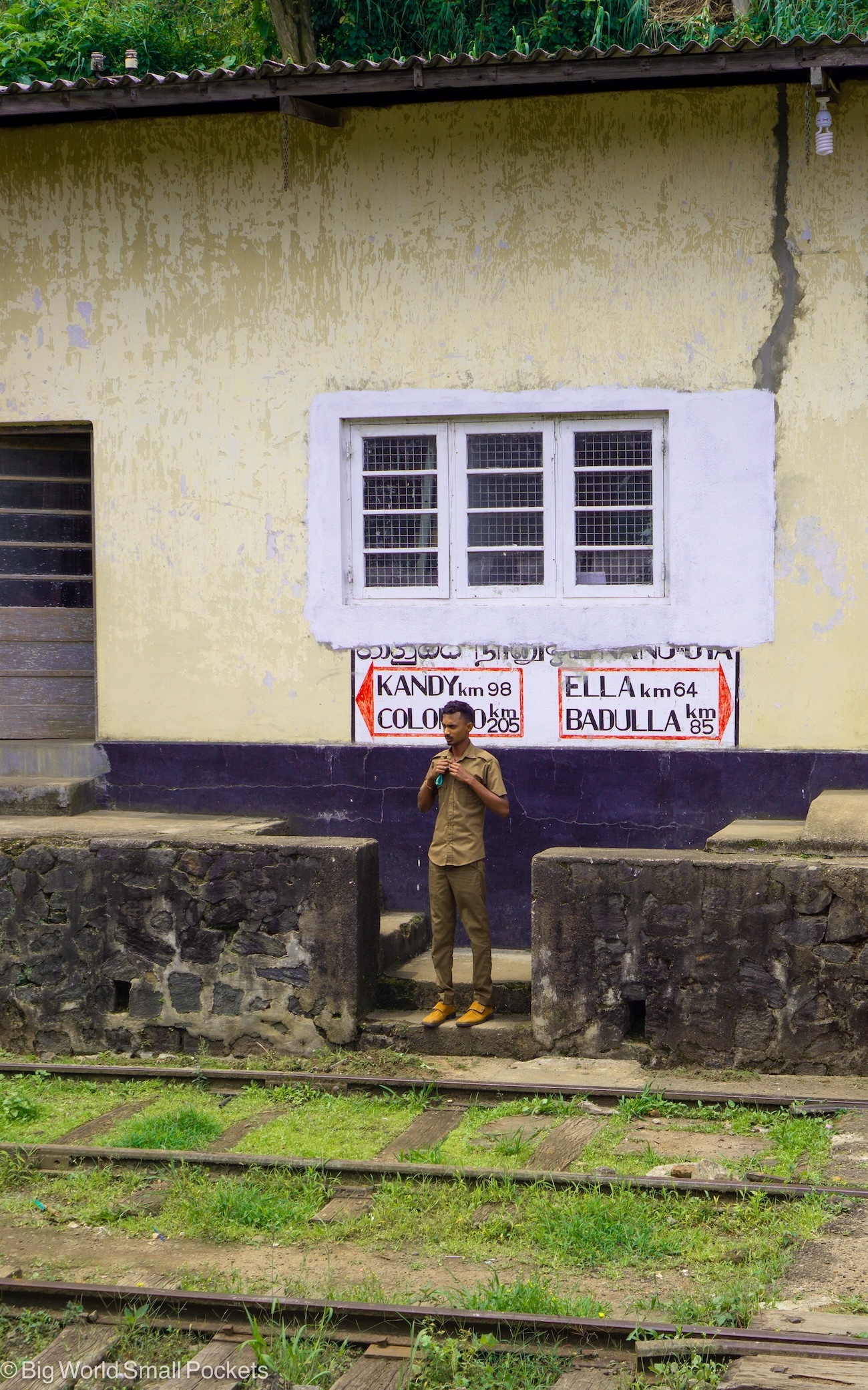
The hill-country railway through Kandy, Nanu Oya, Haputale and Ella is magnificent, but slow.
Reserved seats can sell out and unreserved carriages get crowded.
Remain inside while the train moves; doorway photographs have caused fatal accidents.
Public buses are cheap and extensive, although fast driving and limited luggage space can be challenging.
For tuk-tuks, use a meter or PickMe, or agree the total fare before leaving.
A driver can be good value for a small group on awkward routes.
UK self-drivers need a 1949 International Driving Permit and a Sri Lankan recognition permit.
#5 Choose the Right Accommodation Type

Options range from hostels and family guesthouses to beach cabanas, plantation bungalows and resorts.
Guesthouses and homestays usually provide the best mix of price, local knowledge and home cooking.
An official homestay has 1-4 guest rooms and interaction with the resident family.
Reserve your first night, popular beach stays and festival dates. Elsewhere, choose flexible bookings.
Check whether breakfast, air conditioning, hot water, service and taxes are included.
In cooler hill towns, a blanket becomes the star amenity.
Negombo is closer to Bandaranaike International Airport than central Colombo, making it a convenient first or final stop.
#6 Carry Cash & Plan for Expensive Sights
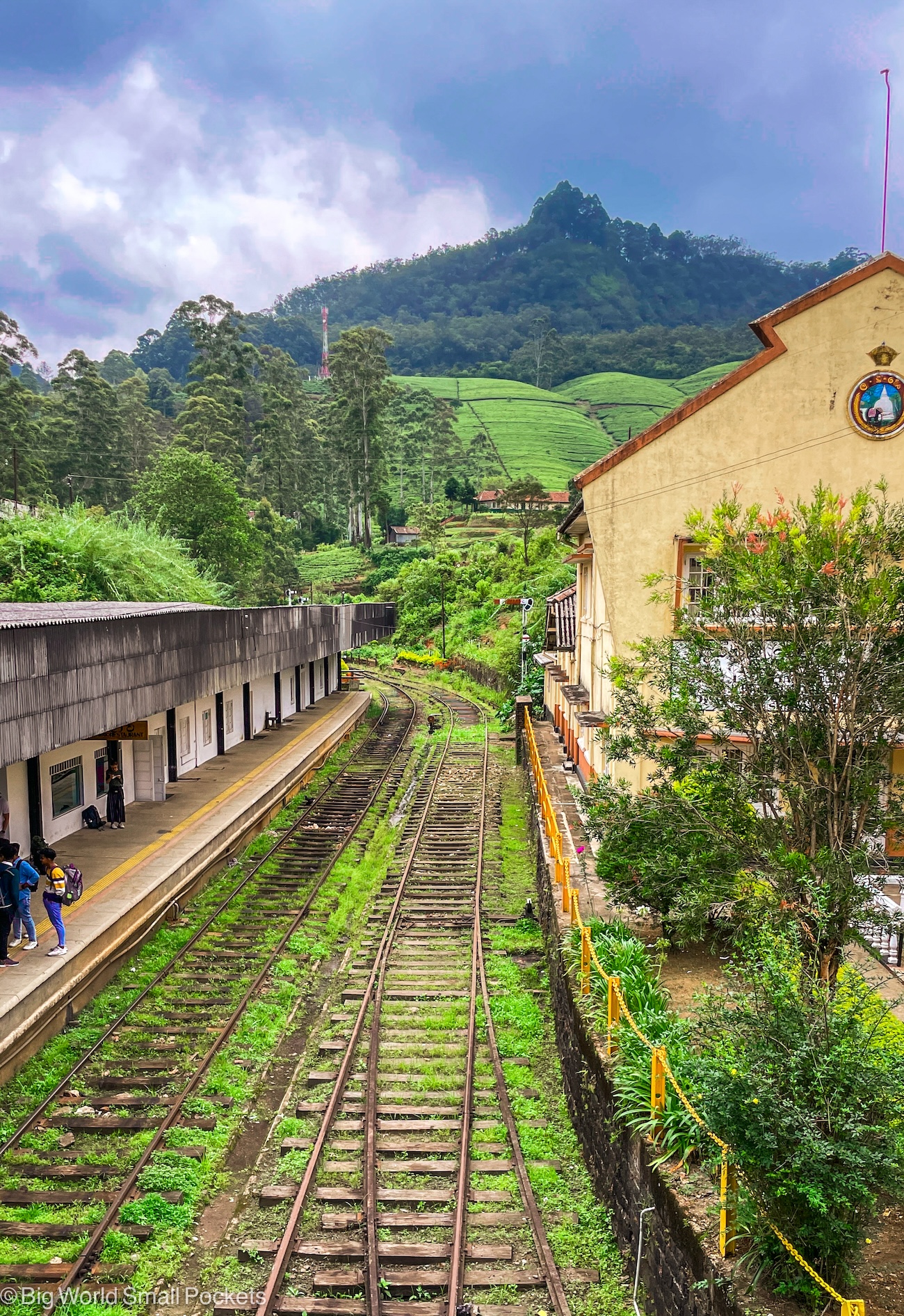
The currency is the Sri Lankan rupee, written as LKRs.
Cards work at many hotels and smarter restaurants, but cash remains essential for buses, markets, food stalls, tuk-tuks and small guesthouses.
Use ATMs inside banks or hotels, inspect the machine and keep cards in sight.
Reduce fees by withdrawing a sensible amount, then break large notes in supermarkets rather than on buses.
Heritage sites, safaris and tours quickly raise costs.
Check foreign visitor fees, choose the paid experiences that matter most and balance them with beaches, markets and hikes.
#7 Eat Local Food to Save Money
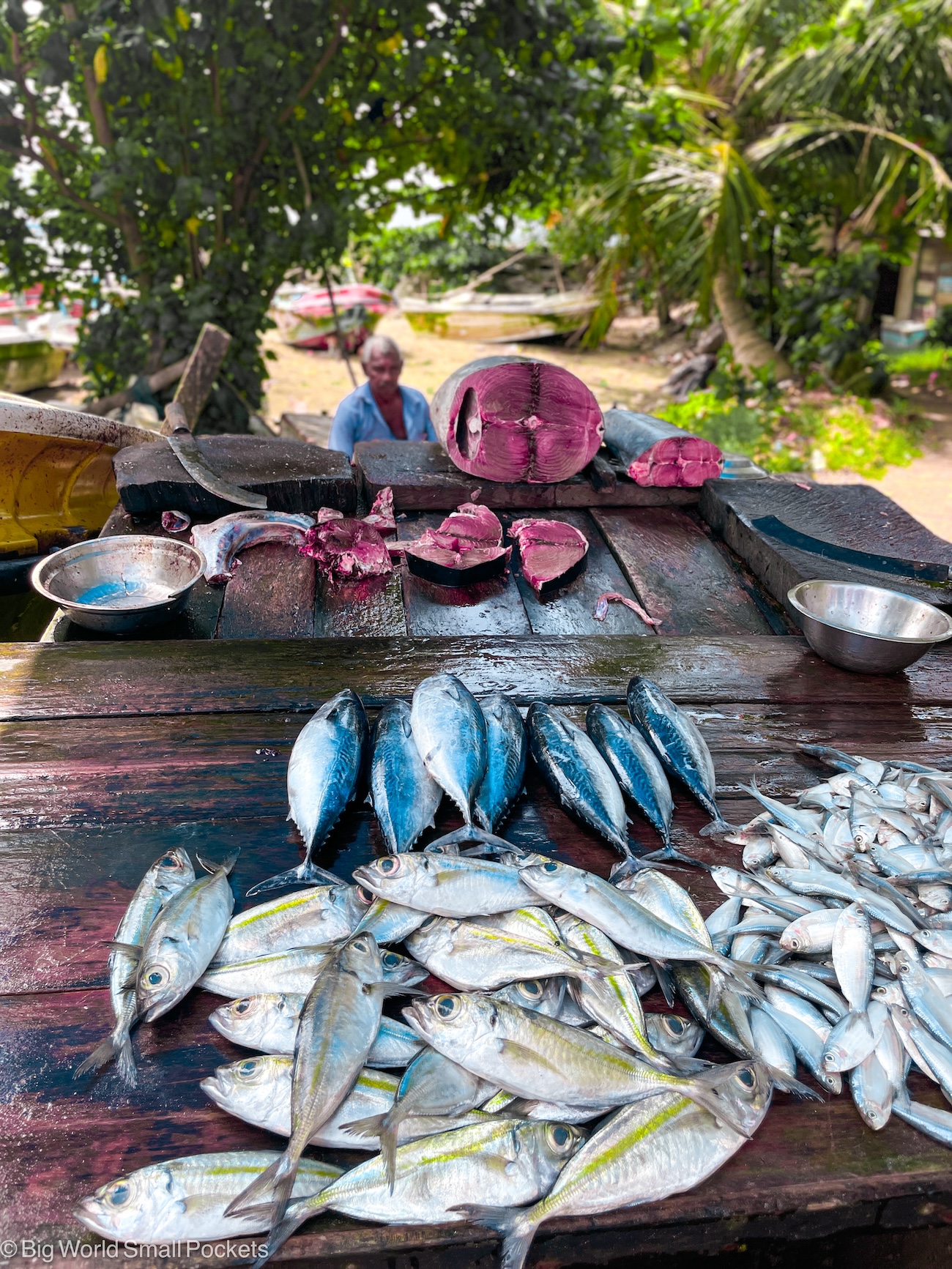
Rice and curry is the classic budget meal, usually accompanied by dhal, vegetables and sambol.
Also try egg hoppers, string hoppers, kottu roti, coconut roti and bakery snacks known as short eats.
Small local restaurants are normally cheaper and more interesting than visitor-focused cafés. Busy turnover is reassuring.
Ask for less chilli if necessary, although Sri Lankan definitions of “mild” can still arrive with ambitions.
A substantial guesthouse breakfast can be excellent value.
Ask about home-cooked dinners, refill filtered water where safe and avoid raw food that has been sitting in the heat.
#8 Respect Temples & Local Culture
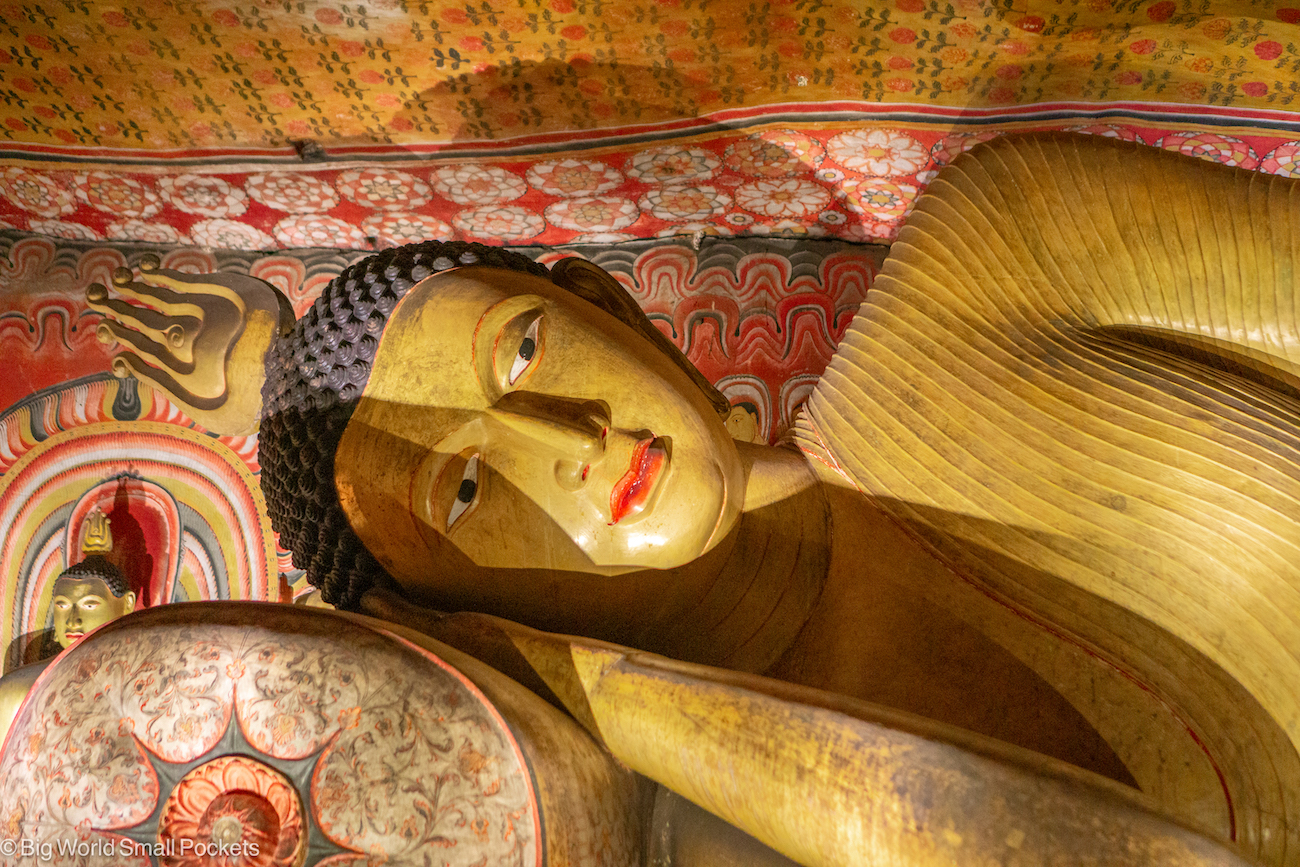
Pack lightweight clothes that cover your shoulders and knees, plus a scarf or sarong for religious sites.
Remove shoes and hats before entering a Buddhist temple. Socks help when stone floors become hot.
Never pose with your back to a Buddha statue. Disrespecting Buddhist images is a serious offence, and visible Buddha tattoos can cause entry or legal problems.
Topless sunbathing is prohibited.
Ask before photographing people or ceremonies.
“Ayubowan” is a warm greeting, while using your right hand to pass money or food is polite.
Bargain politely for some market goods and tuk-tuks, but not for restaurants, fixed tickets or app fares.
#9 Understand Poya Days & Festivals
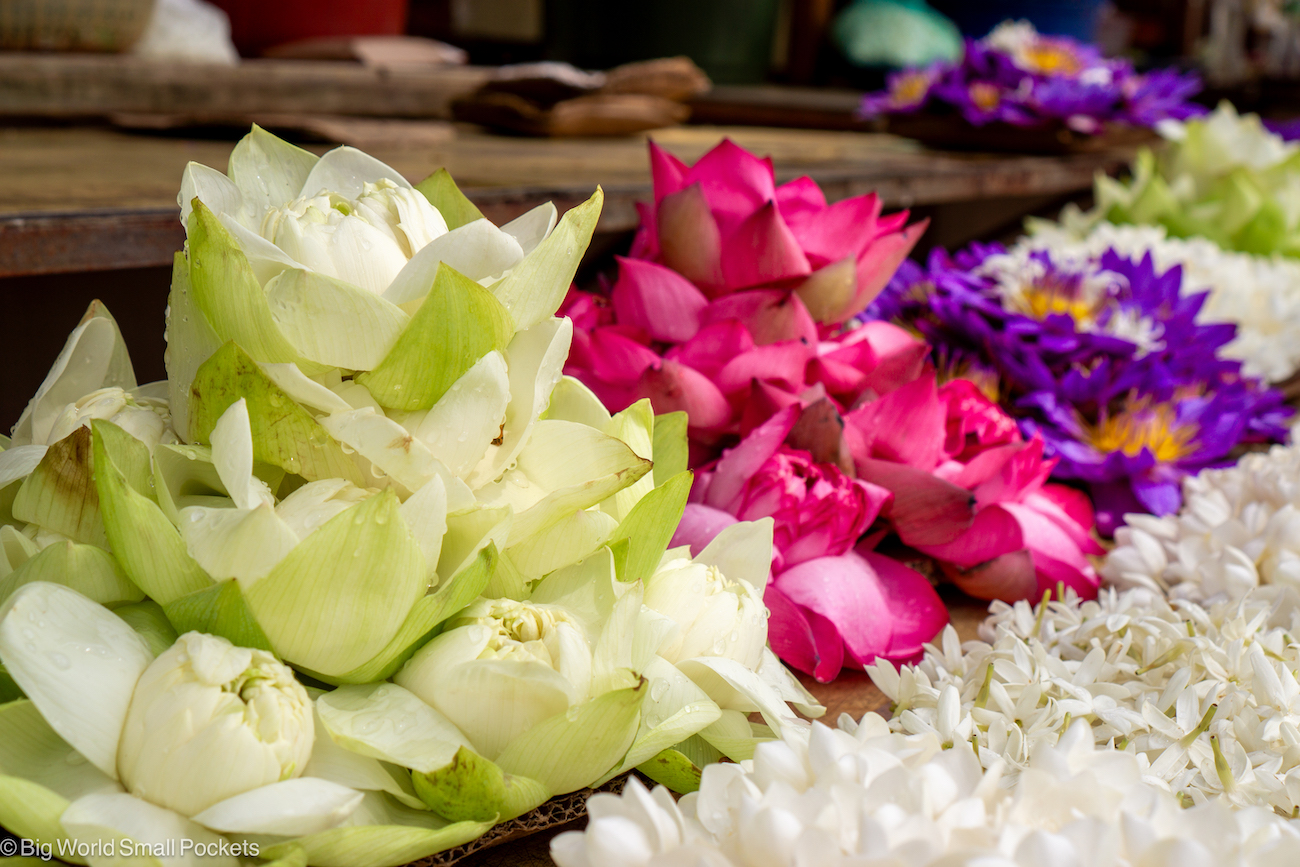
Every full moon is a public holiday known as Poya.
Temples become busy, some businesses close and alcohol is not normally sold.
Transport and popular destinations can also fill up around long weekends, so check the annual calendar.
Sinhala and Tamil New Year in mid-April brings closures and heavy demand for transport and rooms.
Vesak, usually in May, fills streets with lanterns and illuminated displays.
Kandy’s Esala Perahera takes place in July or August with dancers, drummers and ceremonial elephants.
It is extremely busy and raises animal-welfare concerns. Reserve early and confirm its changing lunar dates.
# 10 Choose Wildlife Experiences Carefully
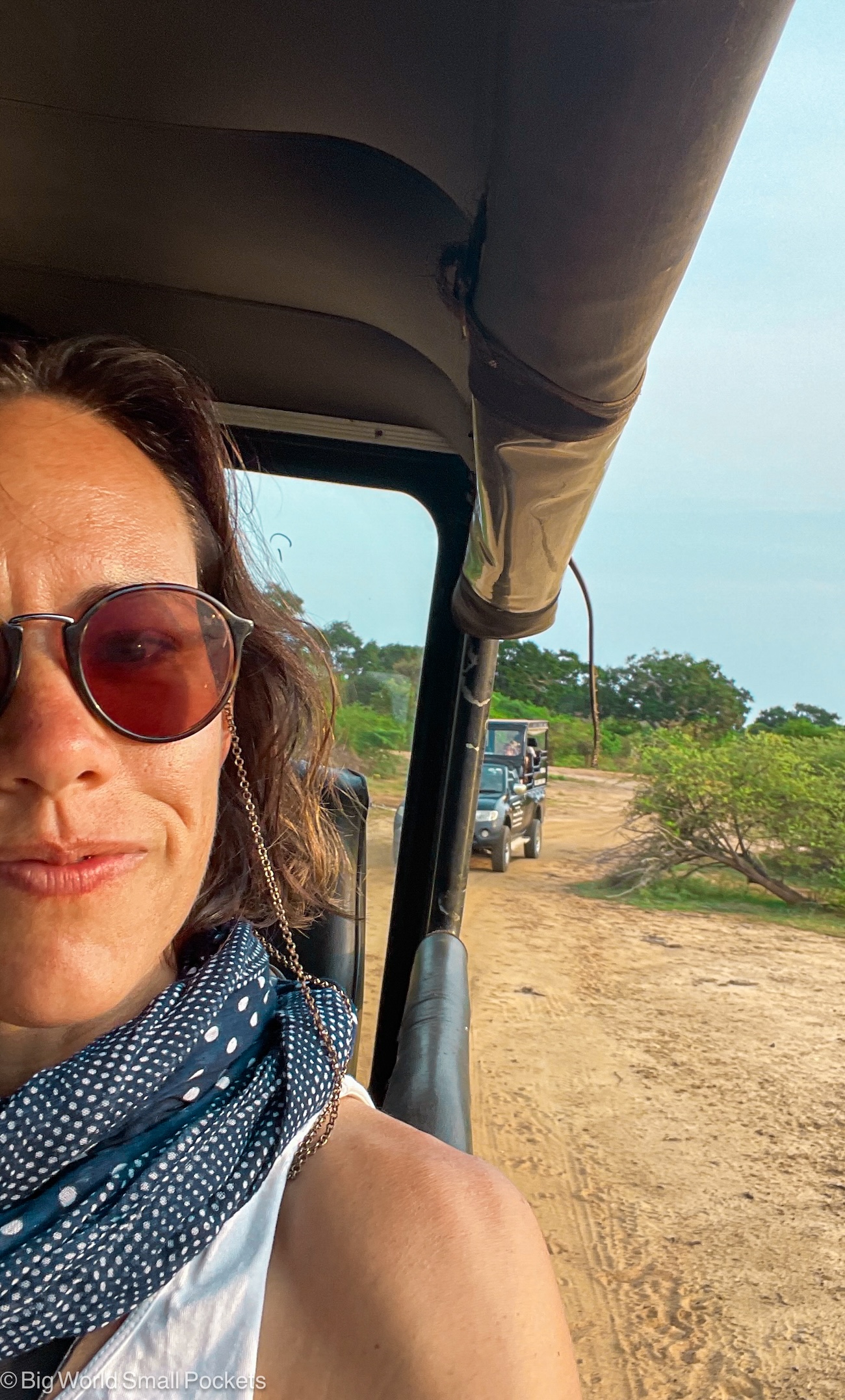
Udawalawe is particularly associated with elephants, while Yala is famous for leopards but can become congested.
Choose a park for its landscape and wider wildlife, not a guaranteed sighting.
Use a responsible operator and never encourage drivers to chase or crowd animals.
Ask how many passengers share the jeep and whether park fees are included.
Avoid attractions offering elephant rides, bathing or forced contact.
National parks and reputable conservation projects provide a more ethical experience.
Learn more about how to enjoy the best Sri Lanka safari
#11 Treat the Sea & Sun with Respect
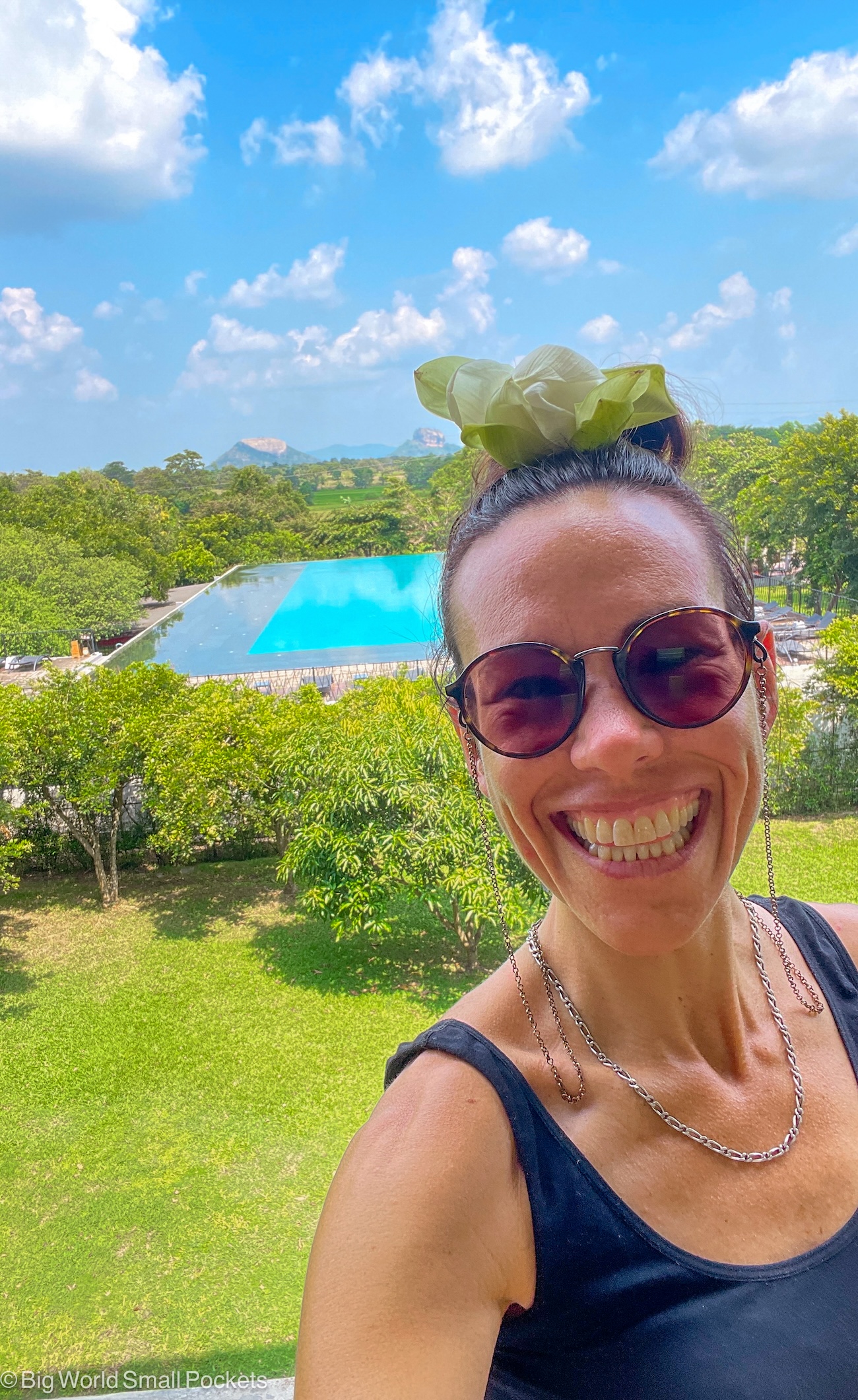
Seasonal swells and rip currents affect many beaches.
Ask locally about conditions even when the sea looks inviting, and select the coast that suits the monsoon rather than automatically heading south.
Take a compact waterproof, high-factor reef-safe sun protection, insect repellent and a reusable bottle.
Travel insurance should cover activities such as hiking, surfing, scooter use and safaris where relevant.
#12 Take Sensible Safety Precautions

Harassment of women is reported, particularly on crowded transport and at night.
Sit near other women or families, share journey details and leave any vehicle that feels uncomfortable.
Use established taxis after dark and keep drinks in sight.
Low-level theft and card fraud occur, so carry only what you need and use ATMs carefully.
Keep a passport copy for everyday identification and store the original securely, although police may sometimes require the original.
World Nomads offer simple and flexible travel insurance. Buy at home or while travelling and claim online from anywhere in the world.
Heymondo offers extensive cover for medical emergencies, cancellations, lost luggage and adventure activities, plus there’s 24/7 assistance if anything goes wrong while you’re away.
#13 Stay Connected & Leave Breathing Room

A local SIM or eSIM helps with maps and ride-hailing.
Holafly offer unlimited data eSIMs for Sri Lanka that are perfect for staying connected across the country.
Use discount code BIGWORLDSMALLPOCKETS for an even better deal.
Compare network coverage, download offline maps and save addresses in Sinhala or Tamil for drivers.
Most importantly, build slack into your itinerary.
Avoid travelling from Ella or the east coast to Colombo on the same day as an international flight.
Weather, traffic and timetable changes can disrupt connections.
Travel slowly, stay locally and let the journey become part of Sri Lanka rather than an obstacle between sights.
A guesthouse breakfast or train conversation may outshine another rushed social-media pin.
People Also Ask About Travelling Sri Lanka
What Do I Need to Know Before Travelling to Sri Lanka?
British travellers currently need an ETA and a passport valid for at least 6months from arrival.
Plan around Sri Lanka’s two monsoons, carry cash for small purchases, dress modestly at temples and allow generous time for road and rail journeys.
How Many Days Are Enough for Sri Lanka?
Ten days covers a focused route, but 14 days is better for a first trip combining the Cultural Triangle, Kandy, the hill country, wildlife and one coast.
3 weeks allows you to add the north or east without rushing.
Is Sri Lanka Cheap for UK Travellers?
Sri Lanka can be very affordable when you take buses and trains, stay in guesthouses and eat local food.
Heritage admission fees, private drivers and safaris are the main expenses, so budget for these separately.
What is the Best Month to Visit Sri Lanka?
January and February suit the south-west, hill country and Cultural Triangle.
From May to September, the east coast usually has better beach conditions.
October and November tend to bring the least predictable weather.
What is the Best Way to Travel Around Sri Lanka?
Combine reserved trains for scenic routes, buses for short journeys, tuk-tuks for local trips and a private driver for awkward connections.
No single transport type is best for the entire island.
Is Sri Lanka Safe for Solo Female Travellers?
Many women travel independently in Sri Lanka, but harassment can occur.
Use reputable transport, avoid isolated areas after dark, keep drinks in sight and follow current FCDO advice.
Should I Take Cash to Sri Lanka?
Yes. Cards are useful at larger hotels and restaurants, but Sri Lankan rupees are needed for buses, markets, food stalls, tuk-tuks and many small guesthouses.
Use ATMs inside banks or hotels where possible.
Practical Tips for Visiting Sri Lanka
Getting There
Colombo Bandaranaike International Airport (CMB) offers flights from across the world.
As always, I use Skyscanner to find the best flight deals.
Best eSIM for Sri Lanka
Holafly offer unlimited data eSIMs for Sri Lanka that are perfect for staying connected across the country.
Travel Insurance
World Nomads offer simple and flexible travel insurance. Buy at home or while travelling and claim online from anywhere in the world.
Heymondo offers extensive cover for medical emergencies, cancellations, lost luggage and adventure activities, plus there’s 24/7 assistance if anything goes wrong while you’re away.
Travel Money
Sri Lanka use the Sri Lankan Rupees (LKR).
I always travel with my Wise card, which makes spending abroad cheaper with real exchange rates and no sneaky transaction or ATM fees.
Get your Wise card here.
SAVE THIS ARTICLE TO PINTEREST!


My trip was sponsored by Sri Lanka tourism but, as always, all views are my own.
This page contains affiliate links meaning Big World Small Pockets may receive a small commission on any purchases at no extra cost to you.
