


Sri Lanka looks simple on a map, yet slow journeys, 2 monsoons and a tempting number of stops can make planning a trip here surprisingly complex.
You can climb an ancient fortress, ride through tea country, see wild elephants and reach the Indian Ocean in one holiday… provided you resist squeezing in everything!
For most first-time visitors, 2 weeks is ideal. My main tip is to focus on one coast and stay at least 2 nights in most places.
From routes and transport to food, festivals and budget tips, here are the other essential things to know before travelling Sri Lanka…
Related Posts
- Travel Guide to Sri Lanka’s Sigiriya Lion’s Rock
- How to Visit Sri Lanka’s Tea Plantations
- Best Things to Do in Sri Lanka
#1 Choose your Coast According to the Season
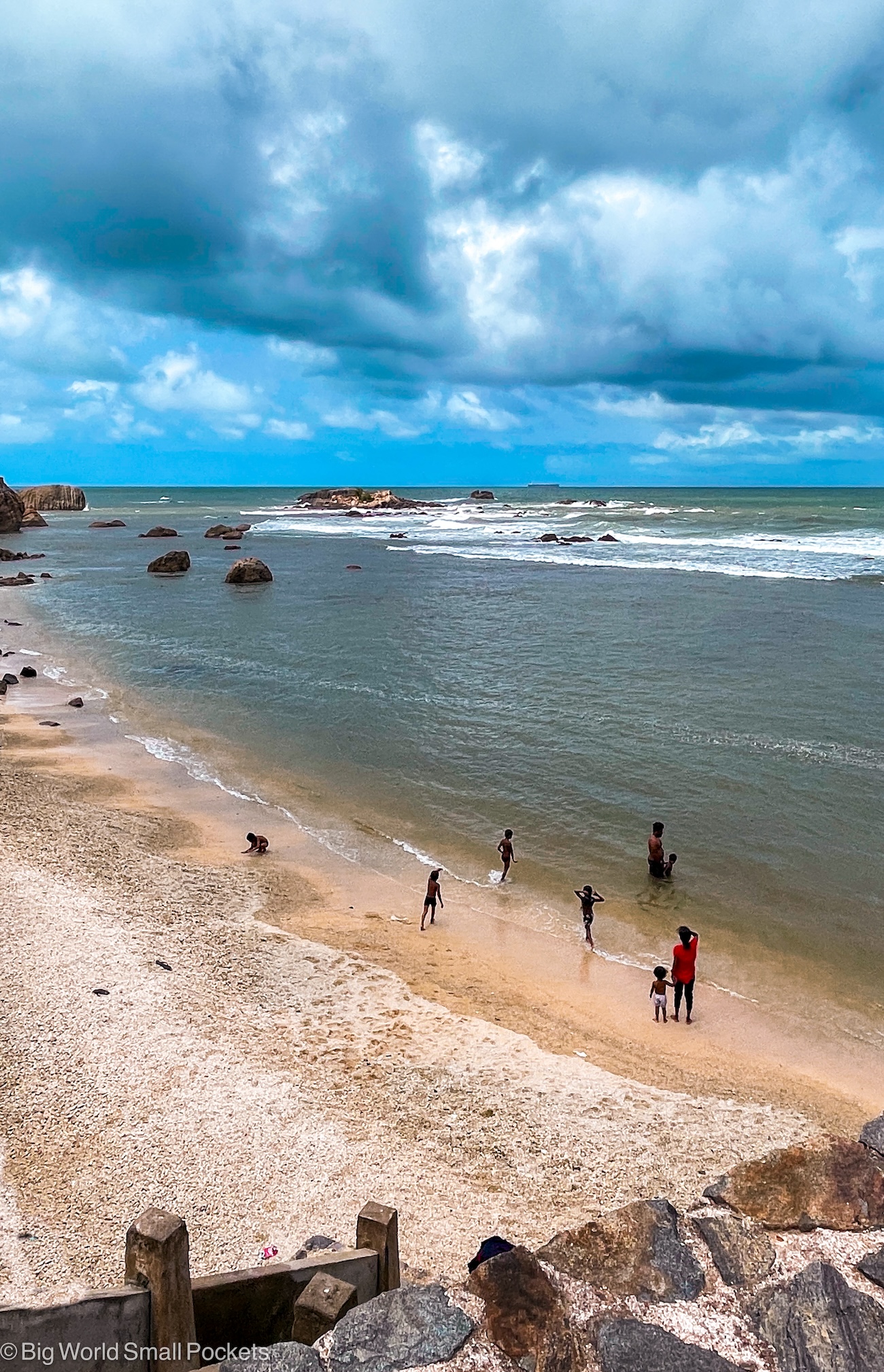
Due to its 2 monsoon seasons, there is no single best time to visit the whole island of Sri Lanka.
Picking the right month for your trip therefore depends on where you want to go.
Check the below table for details of which coast is best to visit when.
Oh and the central highlands are cooler than the coast year-round, so pack a light layer even if Colombo feels like a sauna with traffic!
| Period | Best Areas to Prioritise | What to Expect |
| December to February | South and west coasts, Cultural Triangle | Drier beach weather & peak-season prices |
| March to April | Cultural Triangle & hill country | Hot, humid weather with possible afternoon storms |
| May to September | East coast, Trincomalee, Arugam Bay & Jaffna | Drier conditions in the east; wetter south-west |
| October to November | Flexible inland trips | Unpredictable showers, rough seas and possible disruption |
I visited Sri Lanka in May and while it was pretty humid across both coastlines, the weather was generally sunny. Any rain was limited to the afternoon and didn’t interfere with my plans at all.
For more detailed info, check out this article I wrote about the best time to visit Sri Lanka
#2 Build a Realistic Sri Lanka Route
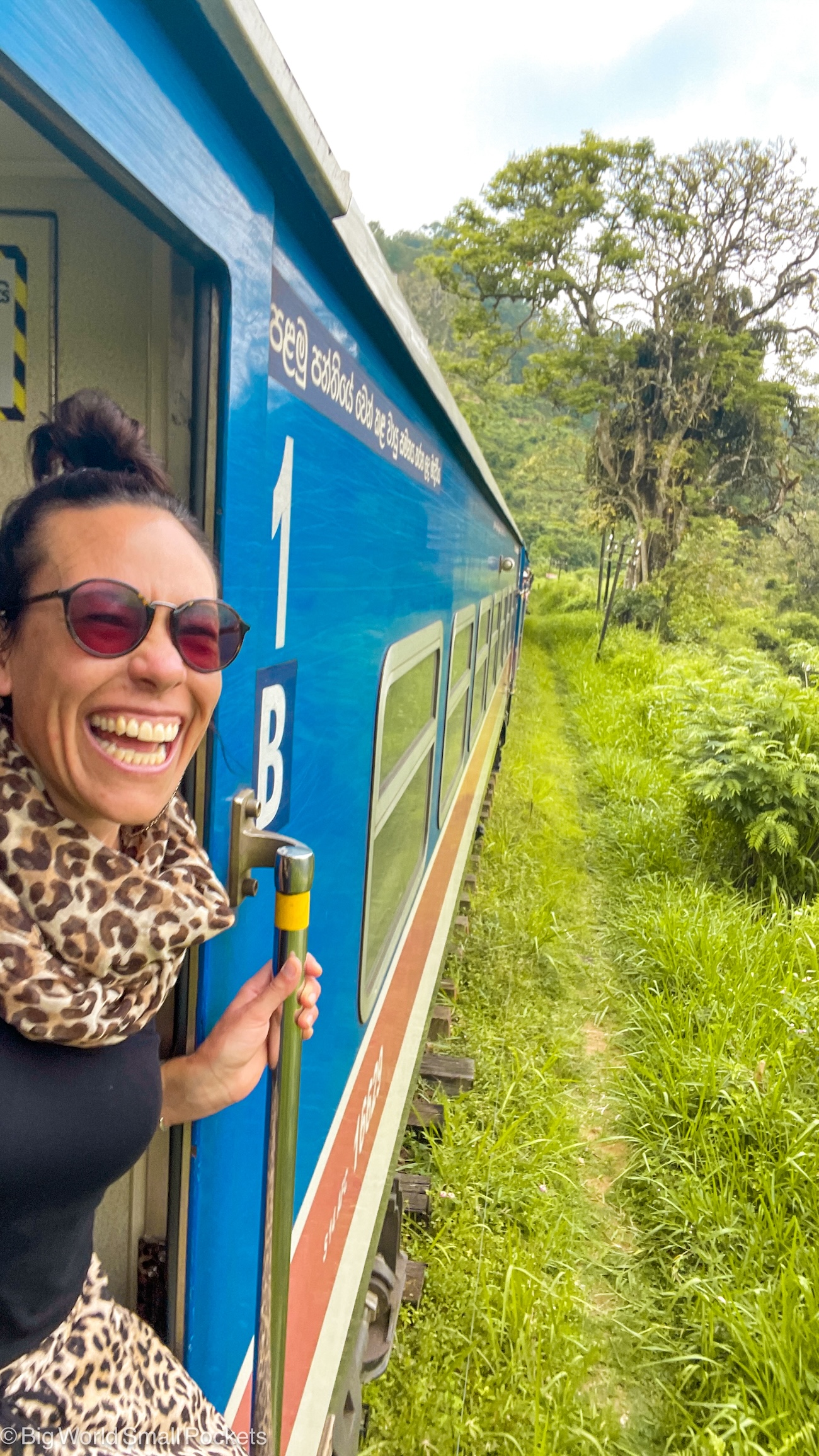
A good 2 week first trip itinerary for Sri Lanka is as follows: Colombo or Negombo, Dambulla or Sigiriya, Kandy, Ella, Udawalawe National Park, the south coast and Galle.
This route combines Sri Lanka’s major cultural, scenic, wildlife and beach experiences without too much backtracking.
Sri Lanka has 8 UNESCO World Heritage Sites – Sigiriya, Dambulla Cave Temple and the ancient cities of Anuradhapura and Polonnaruwa anchor the Cultural Triangle. Kandy leads naturally into the hill country, Ella has famous walks and railway views, while Haputale is quieter. Galle Fort offers historic ramparts and Jaffna provides an introduction to Tamil culture.
If you visit from May to September, replace the south coast with Trincomalee, Nilaveli or Arugam Bay.
With 3 weeks to explore the island, add Anuradhapura, Polonnaruwa, Jaffna or the Knuckles Mountain Range.
Winding roads, traffic and leisurely public transport make journeys longer than expected at all times of year, so plan accordingly.
Staying 2 or 3 nights per stop is the key way to experience more than your accommodation!
For a full trip breakdown, check out my top 2 week Sri Lanka itinerary
#3 Check Your Passport & ETA
British citizens need an Electronic Travel Authorisation, or ETA, before travelling to Sri Lanka.
At the time of writing, the official ETA is free for UK passport holders and valid for 30 days.
Rules and fees can change, while unofficial visa websites often charge avoidable service fees, so only apply through the official Sri Lankan ETA website.
It’s also worth checking current UK government travel advice before booking, as natural disasters are not uncommon in Sri Lanka.
In particular, monsoon rain can cause flooding, landslides and closures, so do check official weather alerts before long journeys. It’s also wise to save the tourism hotline, 1912, and ambulance number, 1990 in your phone.
Finally, you’ll also want to double check your passport dates before booking – it must expire at least 6 months after the day you arrive.
#4 Mix Trains, Buses, Tuk-Tuks & Drivers
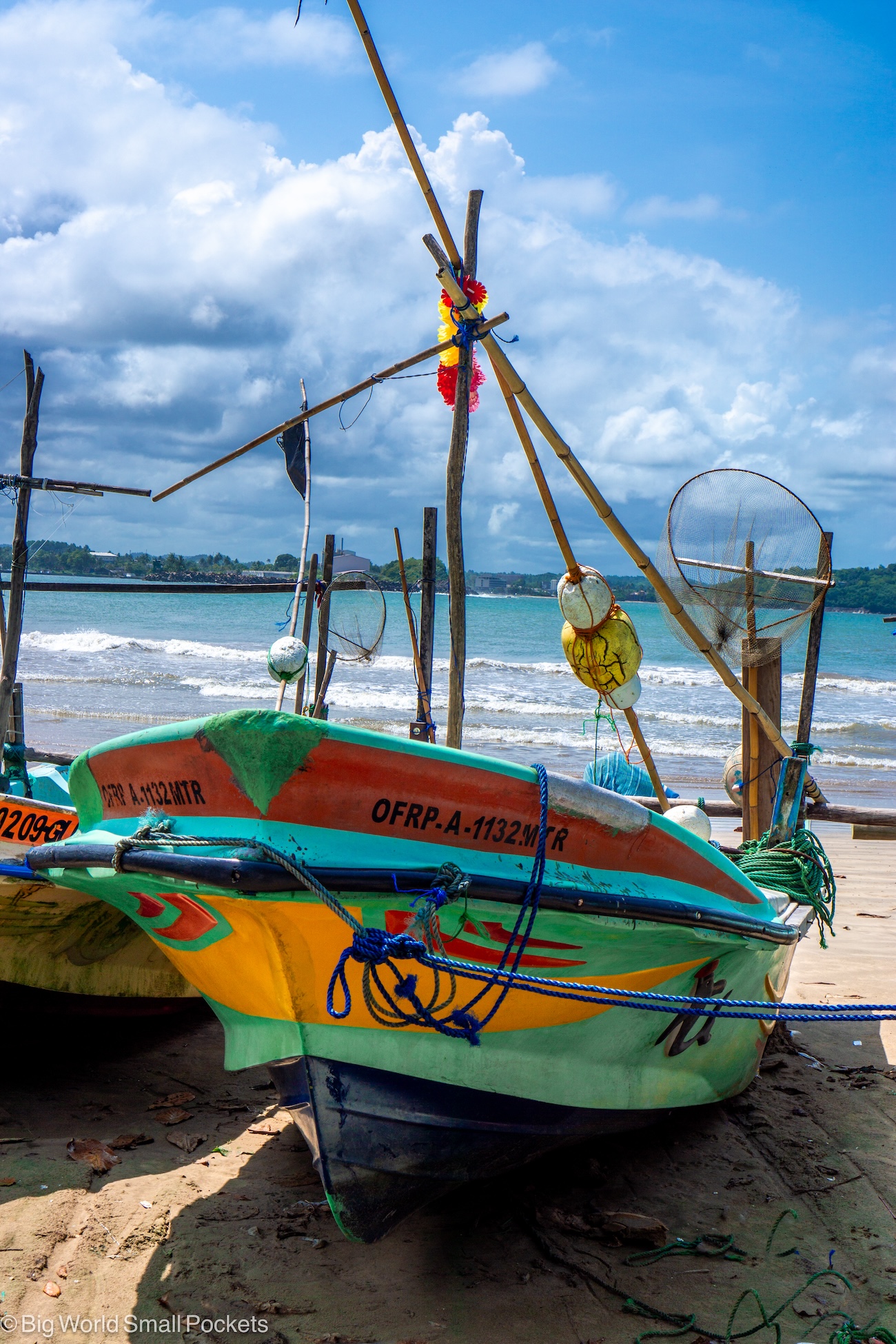
No single transport type works best across Sri Lanka, so the easiest way to explore the island is to combine them.
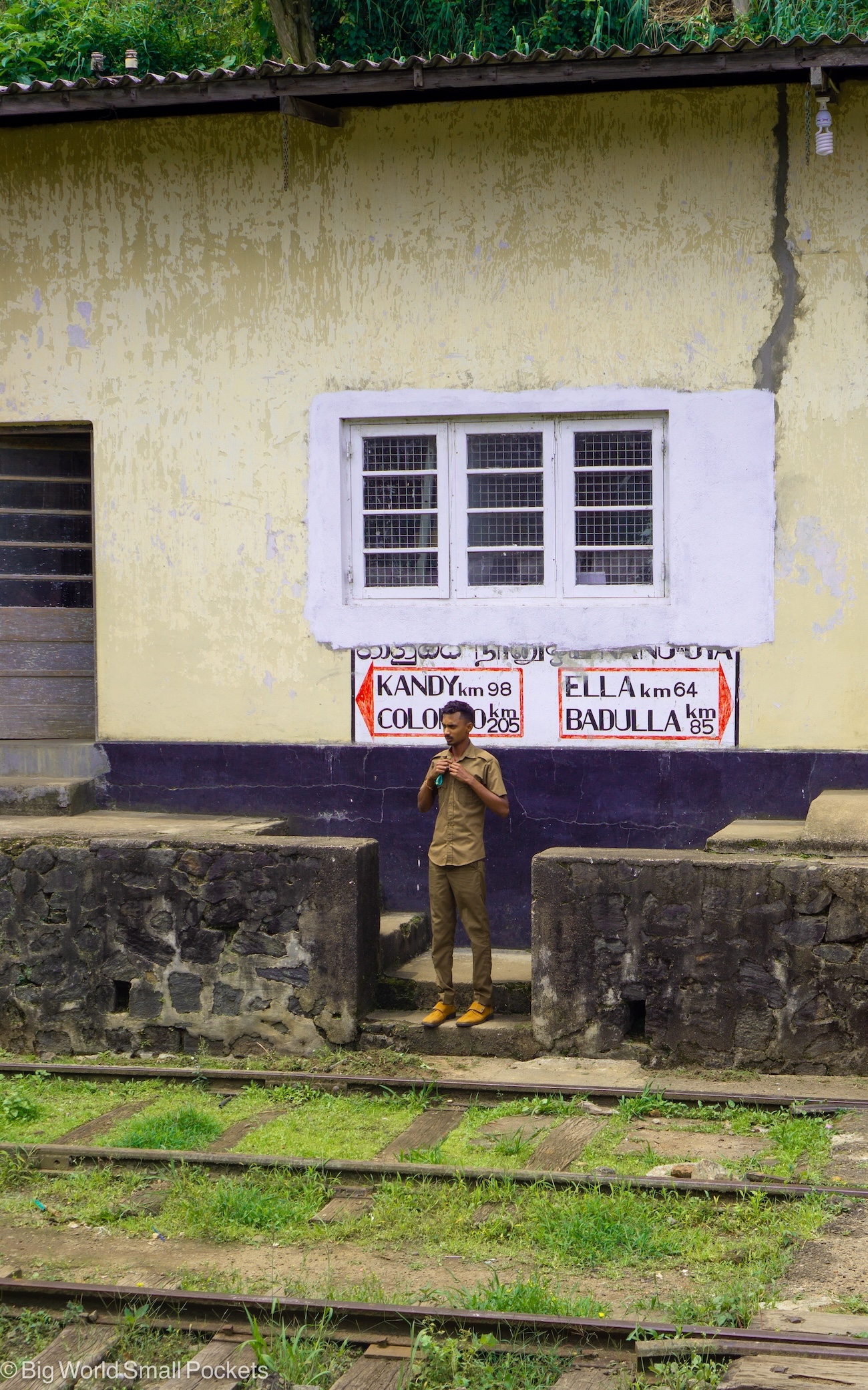
The hill-country railway through Kandy, Nanu Oya, Haputale and Ella is magnificent, but slow.
I advise taking it once, preferably from Kandy to Ella, as an experience rather than a way to get around!
Reserved seats can sell out and unreserved carriages get crowded, so check out this article for more info.
Remember to remain inside while the train moves as doorway photographs have caused fatal accidents.
At the other end of the speed spectrum, public buses in Sri Lanka often go very fast! They are cheap and extensive, although limited luggage space can be challenging.
For tuk-tuks, use a meter or the PickMe app, or agree the total fare before leaving. Due to comfort levels, it’s best to keep tuk-tuk rides to short journeys around cities or towns.
Finally, a private driver can be good value for a small group on awkward routes where public transport is limited.
UK self-drivers need a 1949 International Driving Permit and a Sri Lankan recognition permit. Personally, I wouldn’t recommend getting behind the wheel here.
| Transport | Best for | Budget Advice |
| Train | Hill country & some coastal routes | Reserve scenic journeys through official Sri Lanka Railways or 12Go |
| Bus | Short trips & routes without trains | Carry small notes & ask locally for the correct stop |
| Tuk-tuk | Local journeys | Use a meter or app, or agree the total fare first |
| Private car with driver | Awkward routes & small groups | Confirm fuel, parking, mileage & driver costs |
#5 Choose the Right Accommodation Type
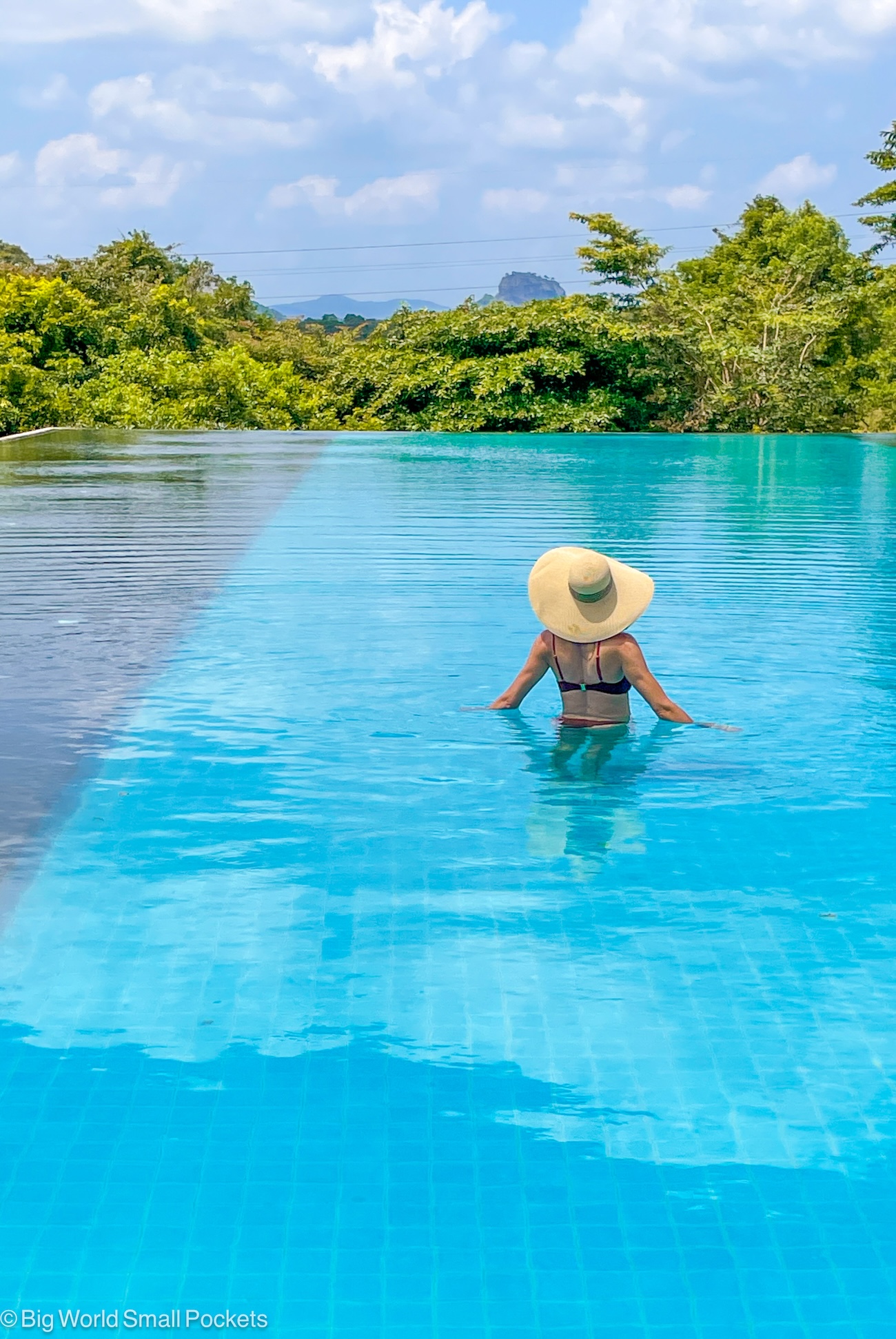
Accommodation in Sri Lanka ranges from hostels and family guesthouses, to beach cabanas, plantation bungalows and luxury resorts.
Guesthouses and homestays usually provide the best mix of price, local knowledge and home cooking.
An official homestay has 1-4 guest rooms and the advantage of interaction with the resident family.
Always reserve your first night, popular beach stays and festival dates ahead of time. Elsewhere, choose flexible bookings, especially on long journey days, when arrival times may be unpredictable.
It’s worth checking whether breakfast, air conditioning, hot water, service and taxes are included in your stay, as these are not a given.
In cooler hill towns, a blanket becomes the star amenity.
Negombo is closer to Bandaranaike International Airport than central Colombo, making it a convenient first or final stop, especially for beach lovers wanting a more relaxed stay.
Check out these top-rated Sri Lanka stays and these amazing 5* hotel options (you’ll be surprised how affordable they are!)
#6 Carry Cash & Plan for Expensive Sights
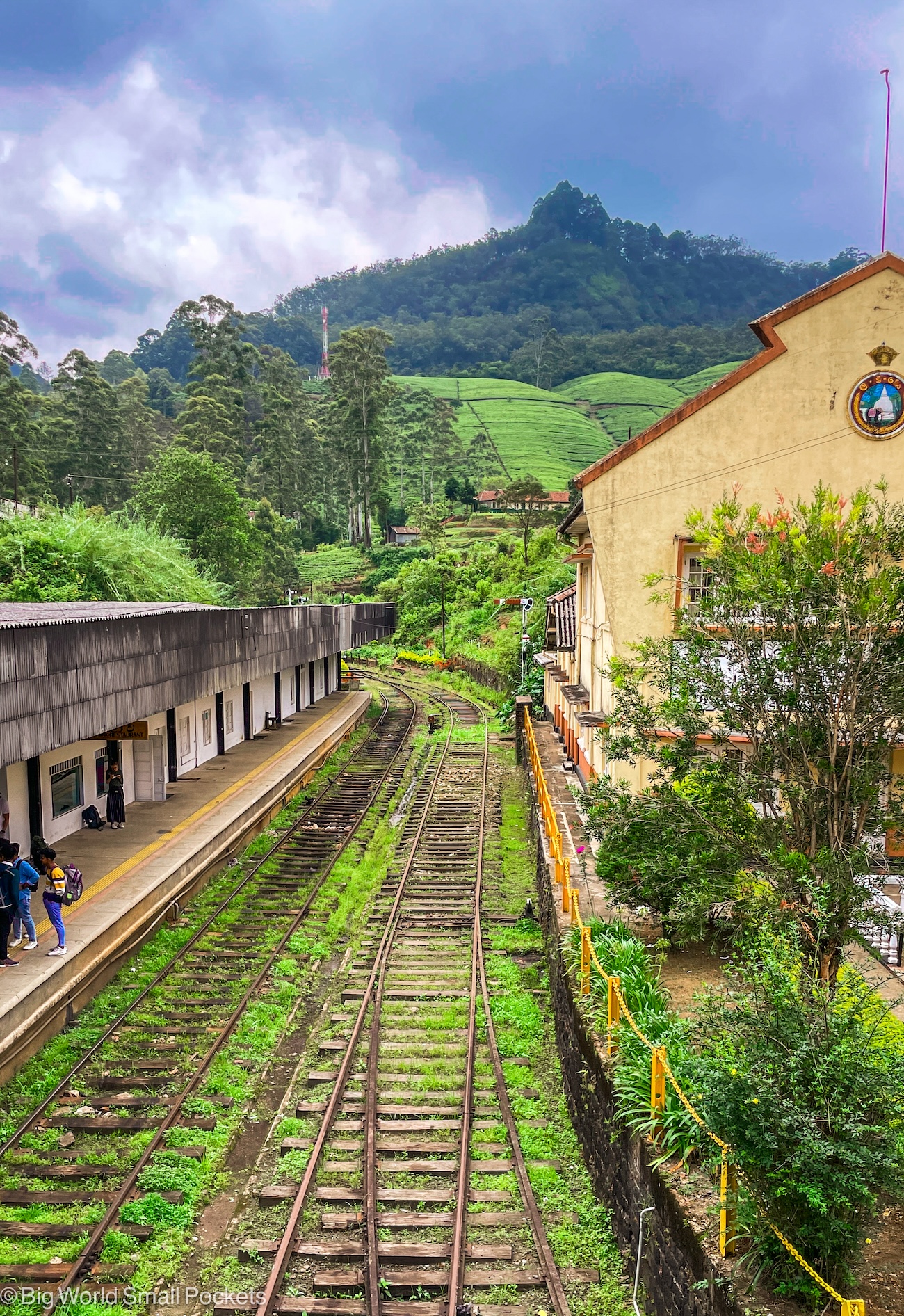
The currency here is the Sri Lankan rupee (LKR).
Cards work at many hotels and smarter restaurants, but cash remains essential for buses, markets, food stalls, tuk-tuks and small guesthouses.
Use ATMs inside banks or hotels, inspect the machine and keep cards in sight.
Reduce fees by withdrawing a sensible amount, then break large notes in supermarkets rather than on buses.
Heritage sites, safaris and tours quickly raise costs.
Check foreign visitor fees, choose the paid experiences that matter most and balance them with free beaches, markets and hikes.
I always travel with my Wise card, which makes spending abroad cheaper with real exchange rates and no sneaky transaction or ATM fees.
Get your Wise card here.
#7 Eat Local Food to Save Money
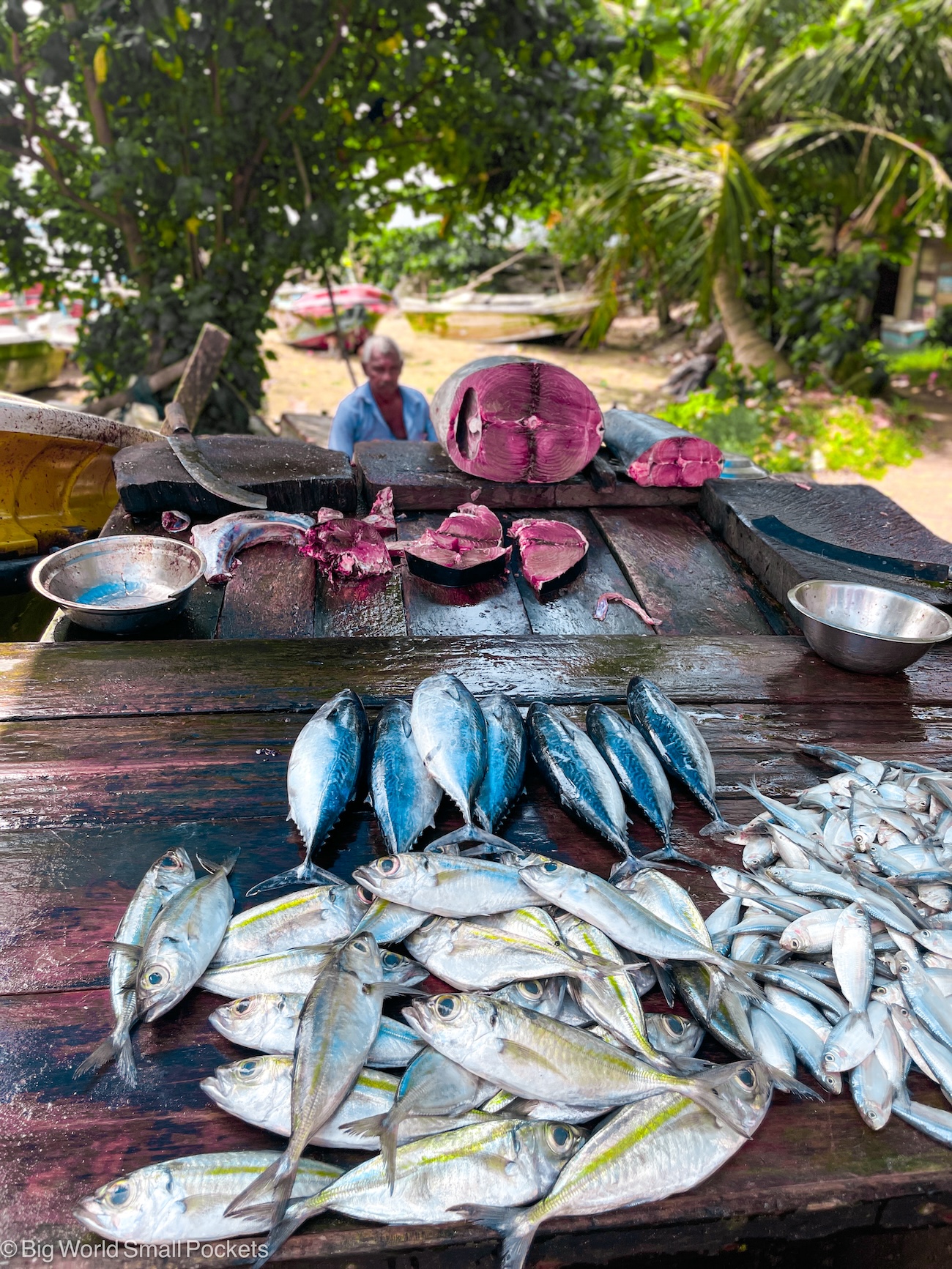
Rice and curry is the classic budget meal in Sri Lanka, usually accompanied by dhal, vegetables and sambol.
Other must-tries include egg hoppers, string hoppers, kottu roti, coconut roti and bakery snacks known as short eats.
Small local restaurants are normally cheaper and more interesting than visitor-focused cafés. Avoid raw food that has been sitting in the heat – busy turnover is the reassuring decider!
Vegetarians like me are usually well-catered for, although do be warned local food is pretty spicy as a default.
Ask for less chilli if necessary, although Sri Lankan definitions of “mild” can still light a fire in your mouth!
A substantial guesthouse breakfast can be excellent value, so try to get these included in your stay where possible.
Also ask about home-cooked dinners and filtered water.
#8 Respect Temples & Local Culture
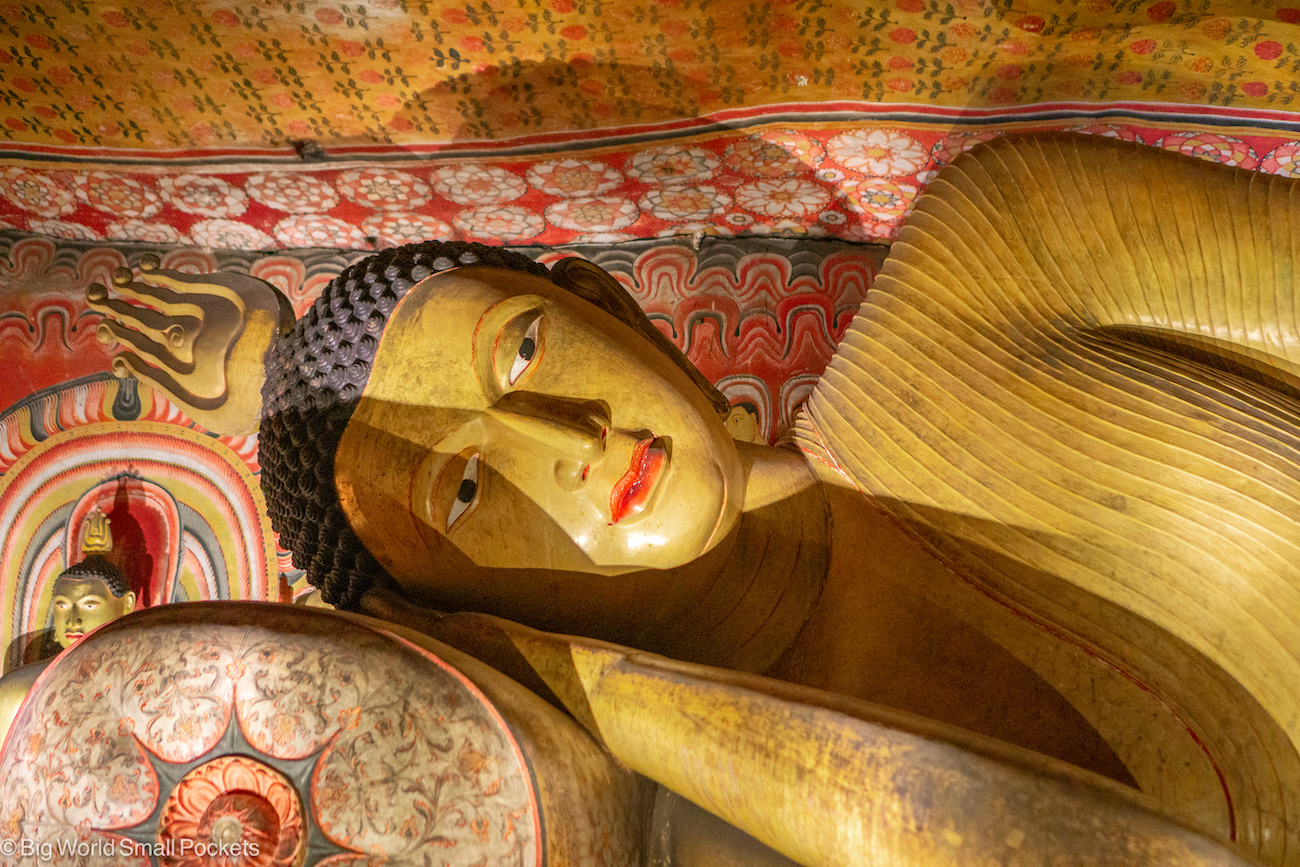
Packing lightweight clothes that cover your shoulders and knees, plus a scarf or sarong, are essential for all religious sites in Sri Lanka.
Check out my ultimate Sri Lanka packing list for a full ‘what to wear’ guide.
Before entering a Buddhist temple, remove shoes and hats and maybe pop on some socks – these help when stone floors become hot!
Never pose with your back to a Buddha statue. Disrespecting Buddhist images is a serious offence, and visible Buddha tattoos can cause entry or legal problems.
Always ask before photographing people or ceremonies.
“Ayubowan” is a warm greeting across Sri Lanka, while using your right hand to pass money or food is polite.
Bargain kindly for some market goods and tuk-tuks, but not for restaurants, fixed tickets or app fares.
Topless sunbathing is prohibited.
#9 Understand Poya Days & Festivals
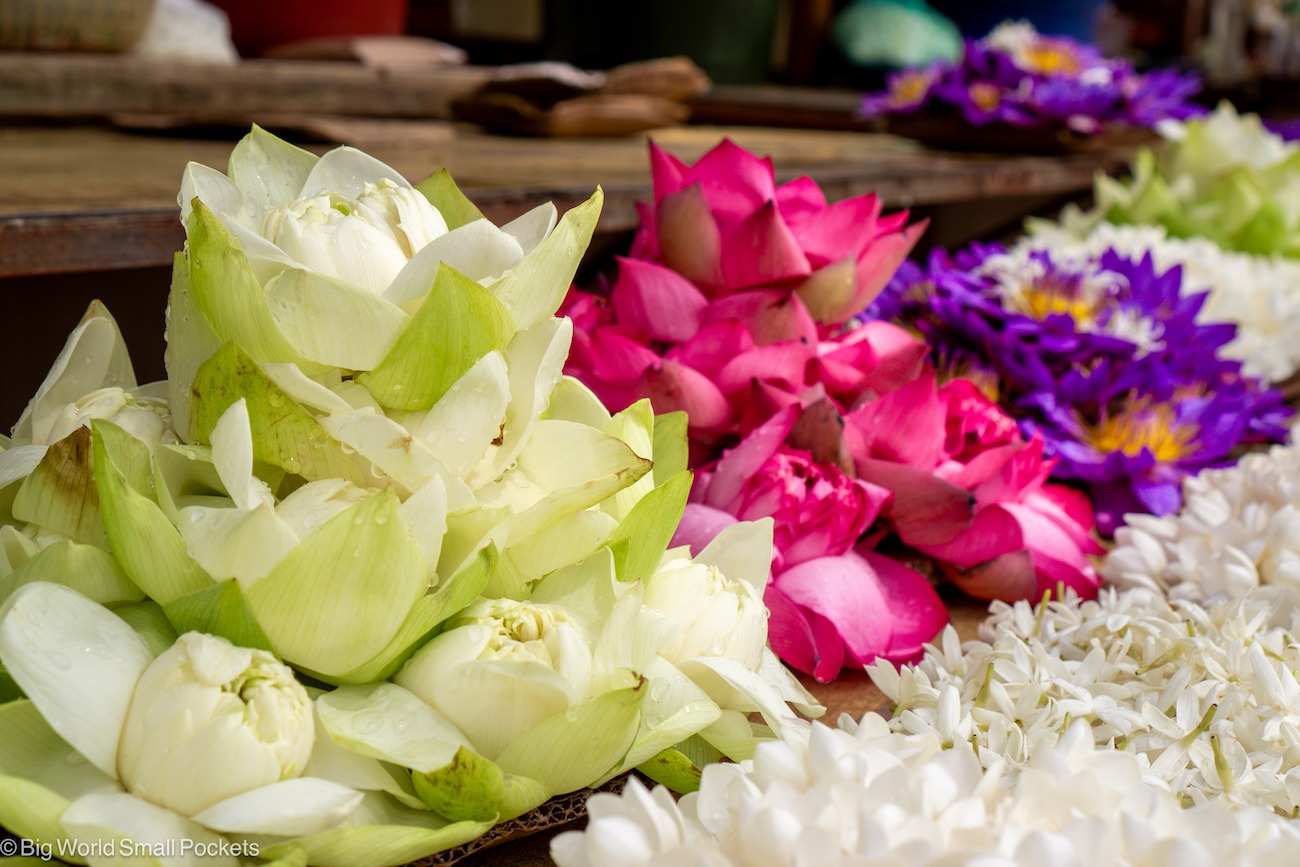
Every full moon in Sri Lanka is a public holiday known as Poya.
Temples become busy, some businesses close and alcohol is not normally sold.
Transport and popular destinations can also fill up around long weekends, so check the annual calendar.
Sinhala and Tamil New Year in mid-April brings closures and heavy demand for transport and rooms.
Vesak, usually in May, fills streets with lanterns and illuminated displays.
Kandy’s Esala Perahera takes place in July or August with dancers, drummers and ceremonial elephants. It is extremely busy and raises animal-welfare concerns, so avoid if these are problematic for you. Otherwise, reserve early and confirm its changing lunar dates.
# 10 Choose Wildlife Experiences Carefully
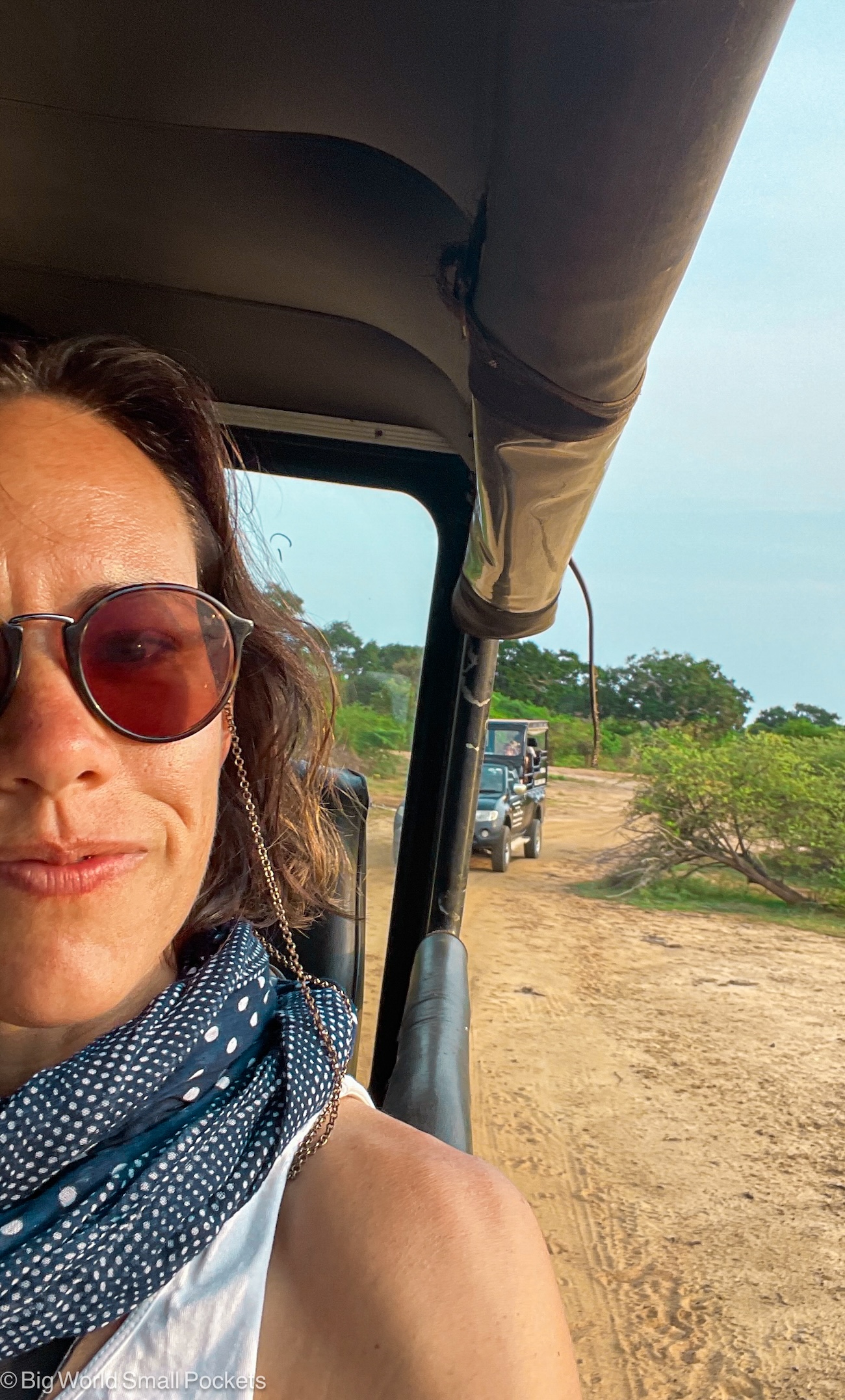
There are many national parks in Sri Lanka, so choosing the best one for your trip is crucial to getting the best experience.
Udawalawe and Minneriya are particularly associated with elephants, while Yala is famous for leopards.
That said, choosing a park for its landscape and wider wildlife not a guaranteed sighting, is a key way to avoid disappointment.
Use a responsible operator and never encourage drivers to chase or crowd animals – especially avoid any nearby attractions offering elephant rides, bathing or forced contact.
I’d also ask how many passengers share the jeep on your safari and whether park fees are included.
Learn more about how to enjoy the best Sri Lanka safari
#11 Treat the Sea & Sun with Respect
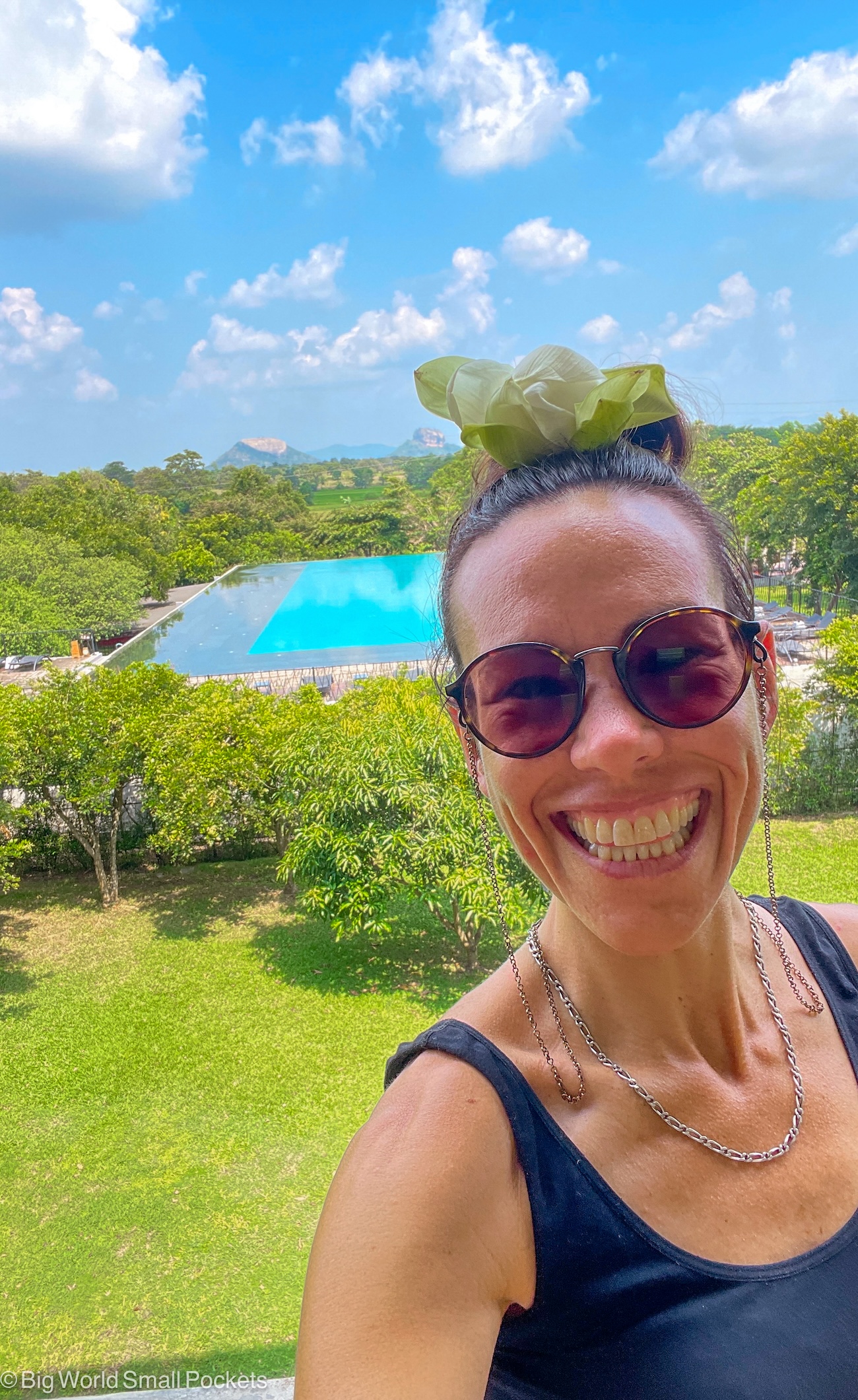
Seasonal swells and rip currents affect many beaches in Sri Lanka, so always be incredibly vigilant when entering the water.
Ask locally about conditions even when the sea looks inviting, and select the coast that suits the monsoon rather than automatically heading south.
Packing a compact waterproof, high-factor reef-safe sun protection, insect repellent and a reusable filter bottle are essential for Sri Lanka.
Travel insurance should cover activities such as hiking, surfing, scooter use and safaris where relevant.
World Nomads offer simple and flexible travel insurance. Buy at home or while travelling and claim online from anywhere in the world.
Heymondo offers extensive cover for medical emergencies, cancellations, lost luggage and adventure activities, plus there’s 24/7 assistance if anything goes wrong while you’re away.
#12 Take Sensible Safety Precautions
Although I never experienced it, harassment of women is reported in Sri Lanka, particularly on crowded transport and at night.
To minimise risks, sit near other women or families, share journey details and leave any vehicle that feels uncomfortable.
Always use established taxis after dark and keep drinks in sight.
Low-level theft and card fraud can occur, so carry only what you need and use ATMs carefully.
Keep a passport copy for everyday identification and store the original securely in your accommodation, although police may sometimes require the original.
#13 Stay Connected & Leave Breathing Room

A local SIM or eSIM helps a lot with maps and ride-hailing in Sri Lanka
Holafly offer unlimited data eSIMs for the island that are perfect for staying connected across the country.
Use discount code BIGWORLDSMALLPOCKETS for an even better deal.
Most importantly for a trip that maintains your sanity, build slack into your itinerary!
Travel slowly, stay locally and let the journey become part of Sri Lanka rather than an obstacle between sights.
A guesthouse breakfast or train conversation may outshine another rushed social-media pin.
Avoid travelling from Ella or the east coast to Colombo on the same day as an international flight, and bear in mind weather, traffic and timetable changes can disrupt connections.
People Also Ask About Travelling Sri Lanka
What Do I Need to Know Before Travelling to Sri Lanka?
British travellers currently need an ETA and a passport valid for at least 6 months from arrival.
Plan around Sri Lanka’s 2 monsoons, carry cash for small purchases, dress modestly at temples and allow generous time for road and rail journeys.
How Many Days Are Enough for Sri Lanka?
10 days covers a focused route, while 14 days is better for a first trip combining the Cultural Triangle, Kandy, the hill country, wildlife and one coast.
3 weeks allows you to add the north or east without rushing.
Is Sri Lanka Cheap for UK Travellers?
Sri Lanka can be very affordable when you take buses and trains, stay in guesthouses and eat local food.
Heritage admission fees, private drivers and safaris are the main expenses, so budget for these separately.
What is the Best Month to Visit Sri Lanka?
January and February suit the south-west, hill country and Cultural Triangle.
From May to September, the east coast usually has better beach conditions.
October and November tend to bring the least predictable weather.
What is the Best Way to Travel Around Sri Lanka?
Combine reserved trains for scenic routes, buses for short journeys, tuk-tuks for local trips and a private driver for awkward connections.
No single transport type is best for the entire island.
Is Sri Lanka Safe for Solo Female Travellers?
Many women travel independently in Sri Lanka, but harassment can occur.
Use reputable transport, avoid isolated areas after dark, keep drinks in sight and follow current UK government advice.
Should I Take Cash to Sri Lanka?
Yes. Cards are useful at larger hotels and restaurants, but Sri Lankan rupees are needed for buses, markets, food stalls, tuk-tuks and many small guesthouses.
Use ATMs inside banks or hotels where possible.
Practical Tips for Visiting Sri Lanka
Getting There
Colombo Bandaranaike International Airport (CMB) offers flights from across the world.
As always, I use Skyscanner to find the best flight deals.
Best eSIM for Sri Lanka
Holafly offer unlimited data eSIMs for Sri Lanka that are perfect for staying connected across the country.
Travel Insurance
World Nomads offer simple and flexible travel insurance. Buy at home or while travelling and claim online from anywhere in the world.
Heymondo offers extensive cover for medical emergencies, cancellations, lost luggage and adventure activities, plus there’s 24/7 assistance if anything goes wrong while you’re away.
Travel Money
Sri Lanka use the Sri Lankan Rupees (LKR).
I always travel with my Wise card, which makes spending abroad cheaper with real exchange rates and no sneaky transaction or ATM fees.
Get your Wise card here.
SAVE THIS ARTICLE TO PINTEREST!


My trip was sponsored by Sri Lanka tourism but, as always, all views are my own.
This page contains affiliate links meaning Big World Small Pockets may receive a small commission on any purchases at no extra cost to you.
