


The country of Georgia is one of those destinations that steals your heart before you have even finished your first khachapuri!
Sitting at the crossroads of Europe and Asia, wrapped in the mighty Caucasus mountains and warmed by the Black Sea, the climate here swings from snowy peaks to spring meadows and golden vineyards.
Winters can be crisp and cold, especially in the mountains, while summers are hot and dry across the lowlands.
The spring and autumn season offer that sweet middle ground, when temperatures hover in the comfortable zone and the scenery shows off at full strength.
Because the seasons vary so dramatically here, the best time to visit Georgia really depends on what type of traveller you are and what you want to experience.
I have explored Georgia in both the sticky heat of June and the depths of January’s winter months, and the country felt wonderfully different each time.
So here is a breakdown of when to come and visit Georgia for the best experience from wine and culture to skiing and hiking…
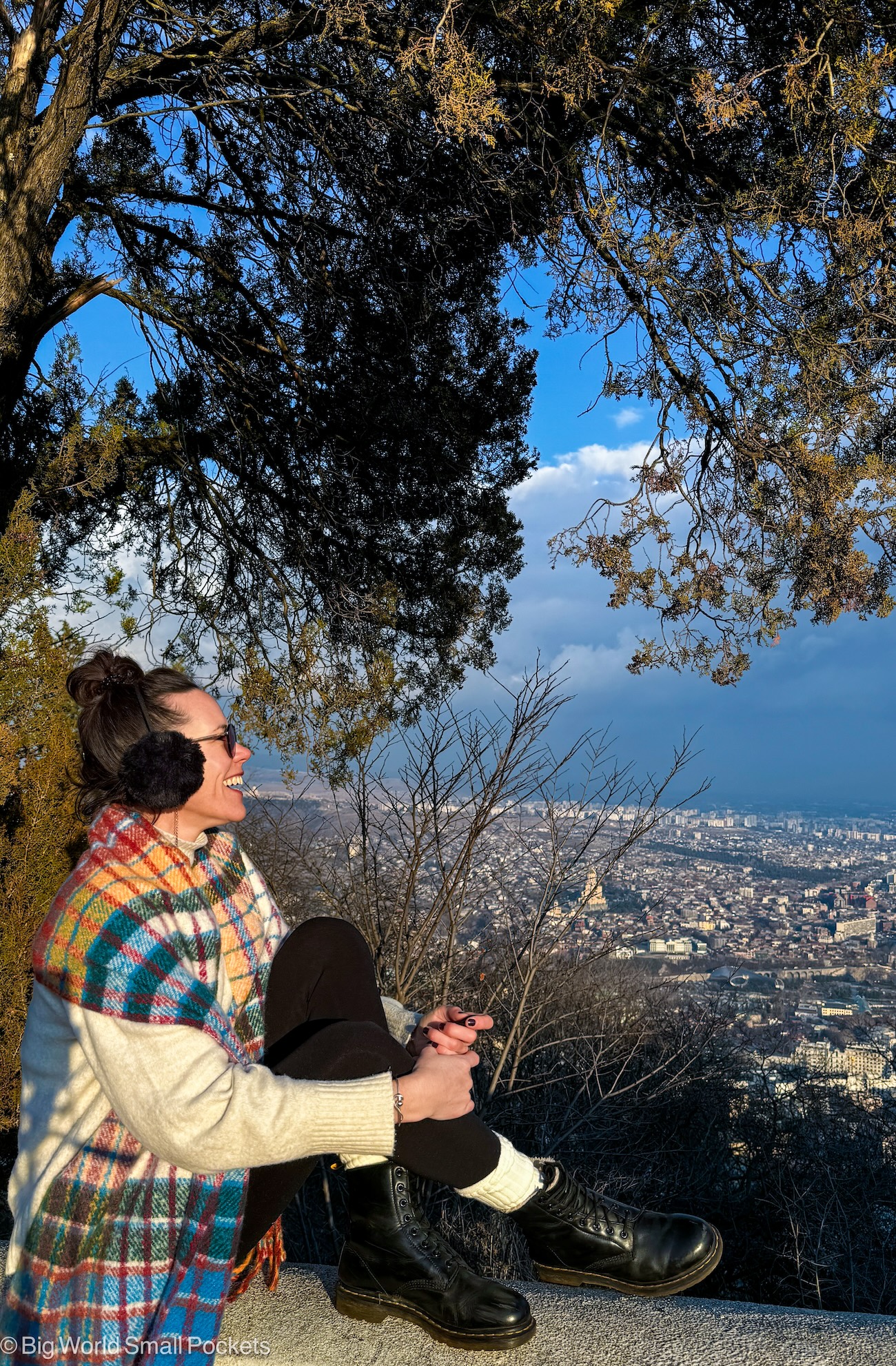
Related Posts
- 9 Best Places to Visit in Georgia
- Complete Georgia & Armenia Packing List
- Top Tbilisi Day Trips for Independent Travellers
Best Overall Month to Visit Georgia
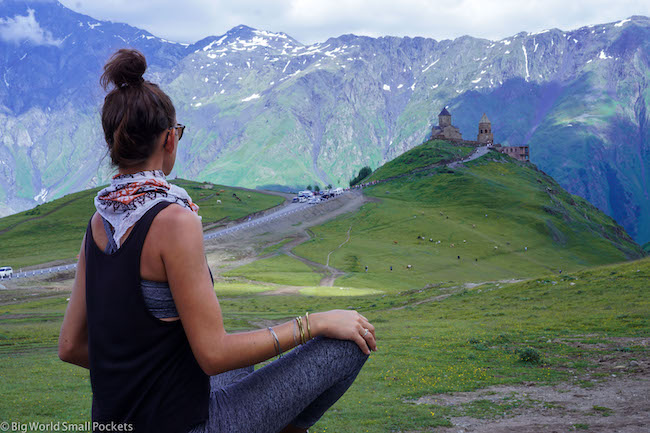
September is often considered the best overall month to visit Georgia.
The weather is comfortable, the landscapes are stunning and the wine and food harvest begins.
If you want warm temperatures without the peak summer heat, September is ideal.
Cheapest Time to Visit Georgia
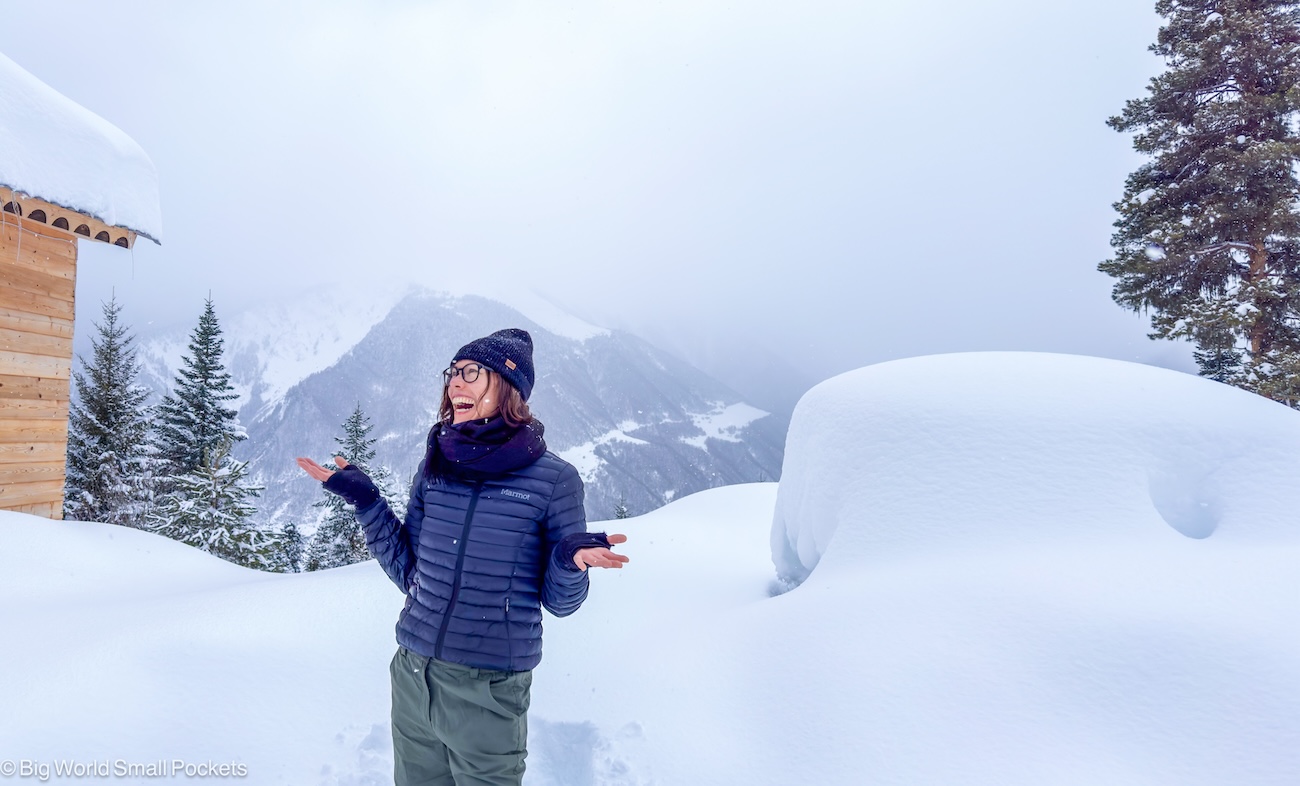
The cheapest time to visit Georgia is late autumn and winter, especially the low season from November to early March.
Flight prices are usually lower, accommodation prices drop and attractions are quieter too.
Just pack warm gear!
Ski resorts are the main exception, where prices rise during peak snow season in late December and January.
Best Time to Visit Tbilisi

The best time to visit Georgian capital, Tbilisi, is late April through early June, or September to mid October.
These periods offer pleasant temperatures, fewer crowds and ideal weather for walking around the Old Town, exploring markets and enjoying the city’s famous sulphur baths.
July and August can be uncomfortably hot, while snow flurries are not uncommon in winter.
Discover more with the best things to do in Tbilisi.
Best Time to Visit the Kakheti Wine Region
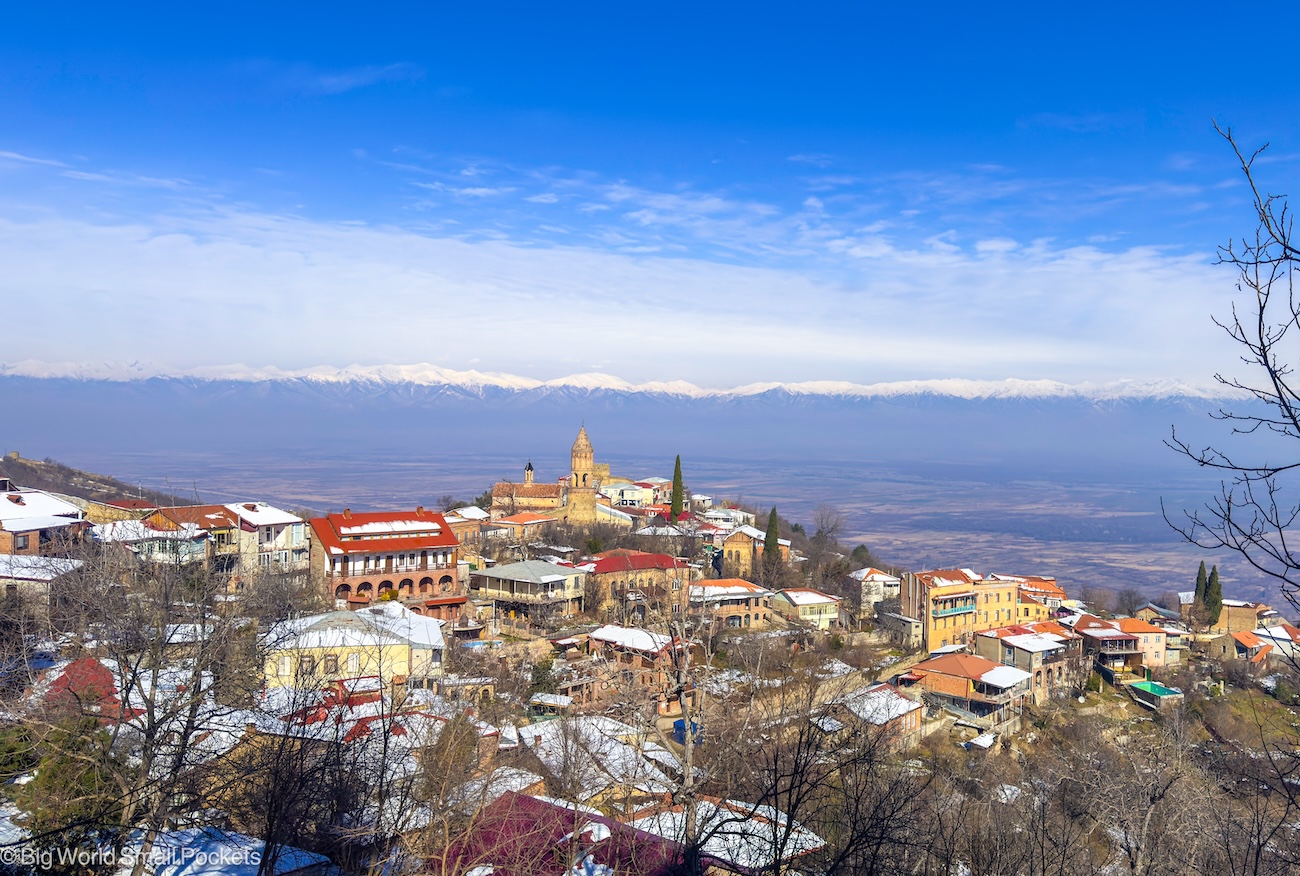
The best time to visit Georgia for wine is late September and October during the grape harvest, known as rtveli.
At this time, the vineyards of Kakheti are lively, wine tasting abundant and the scenery is spectacular.
Spring is also a lovely time to tour wineries with milder weather and greener landscapes.
Best Time to Visit the Black Sea Coast
June to September is perfect for visiting the Black Sea coastal regions around Batumi.
Expect warm sea temperatures, long days and lively beach life.
July and August are the hottest and busiest months, so choose June or September for a more relaxed experience.
Learn how to catch the train from Tbilisi to Batumi!
Best Time to Hike in Georgia
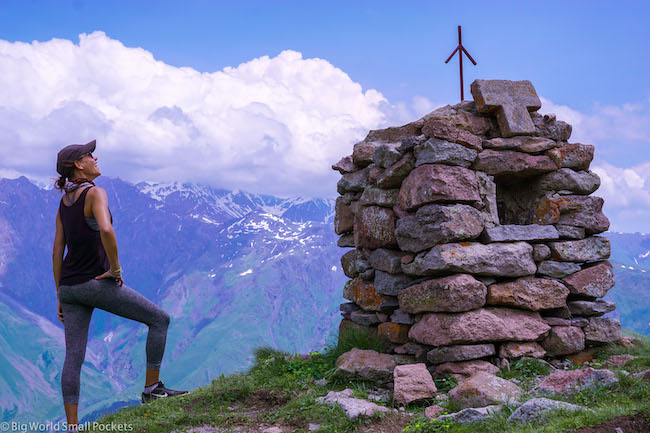
If you are coming to Georgia for hiking, your best window is late May to early October.
The mountain trails take time to clear after winter and many high altitude routes remain snow covered well into spring.
By late May, however, the paths and guesthouses open up, and the highland regions become some of the most spectacular hiking spots in Europe.
For hiking in the stunning high altitude regions of Kazbegi and Svaneti, June to September is best.
Svaneti, home to the legendary villages of Mestia and Ushguli, is an abundance of alpine meadows, dramatic peaks and medieval stone towers scattered across the valleys during this time.
Kazbegi (Stepantsminda) is equally impressive, especially the hike up to Gergeti Trinity Church with Mount Kazbek towering behind, with early June offers quieter moments with cooler temperatures.
Best Time to Ski in Georgia
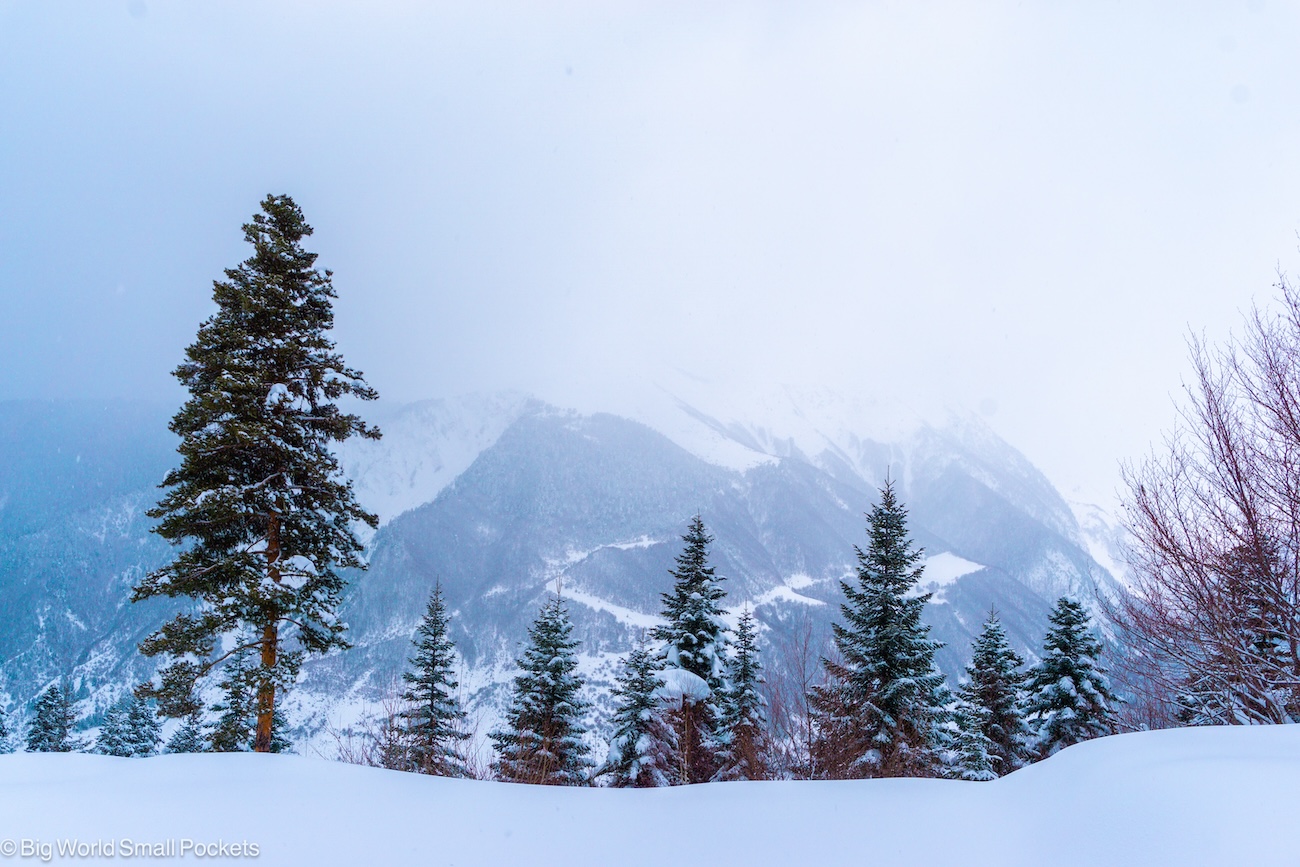
Snow is usually thick from December through March in Georgia’s ski resorts, so winter sports here are affordable and plentiful!
January and February are the peak ski season months, but do beware that at resorts like Mestia and Gudauri weekends can be packed.
When to Avoid Visiting Georgia
Avoid visiting Georgia in the summer months of July and August if you struggle with heat, as temperatures in Tbilisi can reach well above 35 °C.
Some mountain trails are still snow affected in early spring, so hikers should avoid March and early April.
Major public holidays, such as Orthodox Easter, can also bring busy travel periods and limited transport options.
Georgia by Season: Best Time for Different Activities
Spring for Culture Lovers & First Timers
March to May is one of my favourite periods in Georgia, especially if it is your first visit.
The country shakes off the cold weather, the mountain snow melts and the cities come back to life, making spring ideal for culture trips.
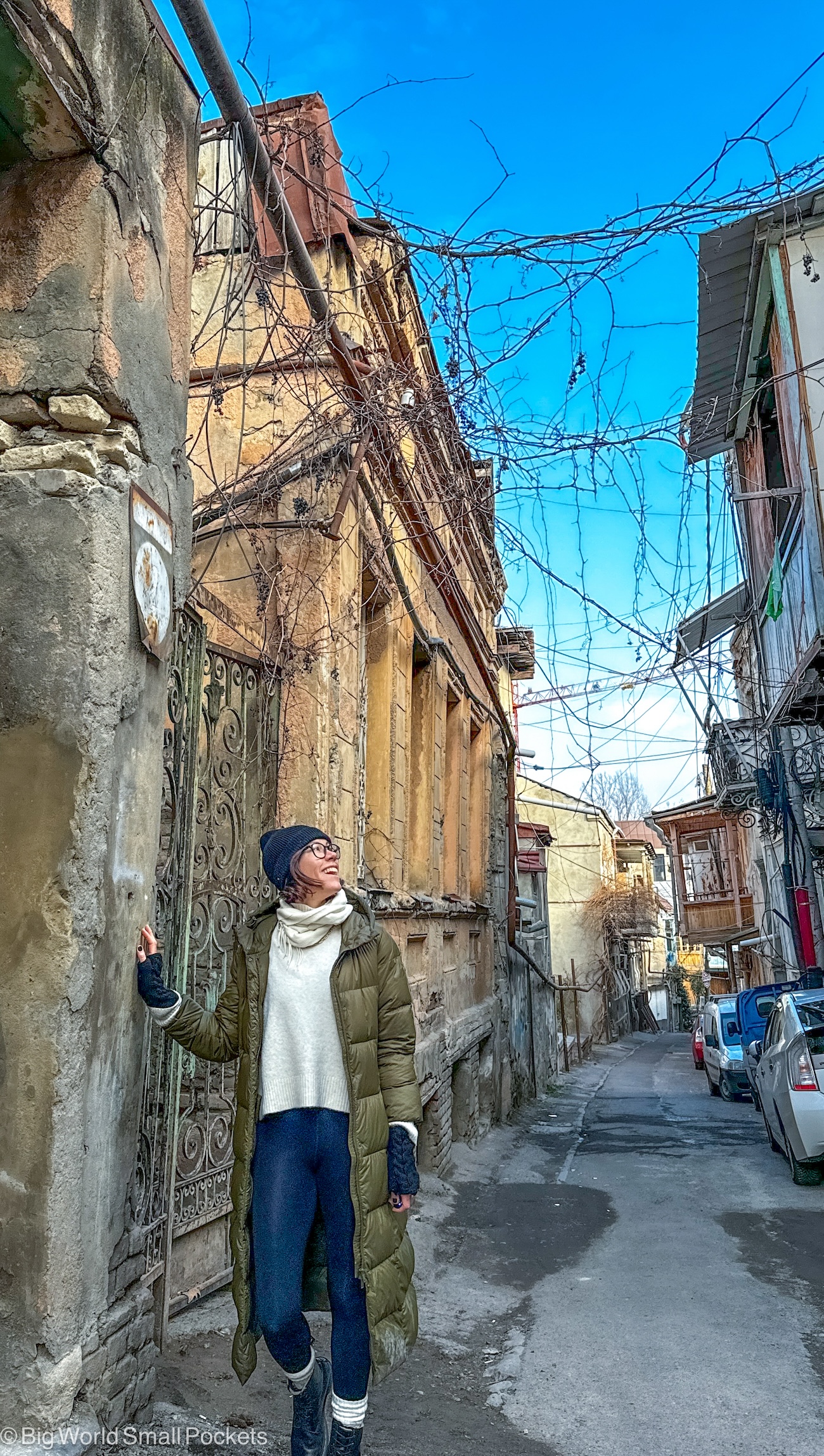
Tbilisi is lovely at this time of year.
You can wander through the pastel balconies of the Old Town, ride the cable car up to Narikala Fortress or soak in the sulphur baths without feeling like you are melting.
Spring temperatures sit between 12 – 22 °C across most of the country, making it a very pleasant time to visit this small country, not least thanks to the abundance of beautiful wildflowers in full bloom.
It is also a great time for day trips. Mtskheta, Georgia’s spiritual heart, is at its prettiest when the surrounding hills are green and wildflowers are popping up everywhere.
Gori, Uplistsikhe and the monasteries of the Kakheti region are also much easier to enjoy before summer crowds arrive.
There are a few showers in April but they tend to pass quickly.
You can be caught in a sudden downpour, only to be standing in sunshine ten minutes!
That sums up Georgian spring perfectly: colourful, unpredictable and full of charm.
Summer for Foodies & Black Sea Escapes
June to August is when Georgia turns hot.
In Tbilisi you can expect temperatures well into the thirties and the heat lingers into the evenings.
It is not the best season for heavy sightseeing, but it is brilliant for food, festivals and lazy days by the sea.
In summer Georgian cuisine really sings. Fresh tomatoes, herbs and peaches are everywhere, markets overflow with seasonal produce and barbecues seem to pop up on every corner.
Tbilisi’s wine bars spill onto the pavement, restaurants stay open late and there is always something happening in Rike Park or at the Fabrika courtyard.
If you prefer the coast, the Black Sea region around Batumi offers warm water, long beaches and plenty of summer buzz.
Temperatures here are slightly cooler than the capital, but still warm enough for proper beach weather.
I often tell people that if they enjoy sunshine with a cultural twist, Georgia in summer is an underrated option.
Autumn for Wine Lovers & Best Scenery
September and October are widely considered the best months to visit Georgia.
The heat softens, the air turns crisp and the landscapes glow in those golden autumn colours.
This is also harvest season, when the wine regions come alive with gatherings, grape picking and family feasts.
Kakheti, the country’s main wine region, is absolutely spectacular in autumn.
Vineyards stretch in shades of amber and green, small villages hold traditional supra feasts and wine flows freely.
If you love wine tourism, this is your season!
Many wineries welcome visitors to join in the harvest tradition known as rtveli, which is as joyous and communal as it sounds.
Autumn is wonderful for culture too.
Tbilisi’s temperatures hover around the low twenties, perfect for museum hopping and exploring neighbourhoods like Sololaki or Vera without the summer heat weighing you down.
The air feels fresh, the light is beautiful and the city has that mellow, post summer glow.
Winter for Skiing & Snowy Landscapes
December to February brings snow to the mountains and low temperatures to the rest of the country.
Winter is the best time to visit Georgia if you are into skiing or snowboarding, because resorts like Gudauri and Bakuriani enter full swing.
Freezing temperatures and snow conditions are usually reliable from late December onwards and lift prices are often cheaper than many European destinations.
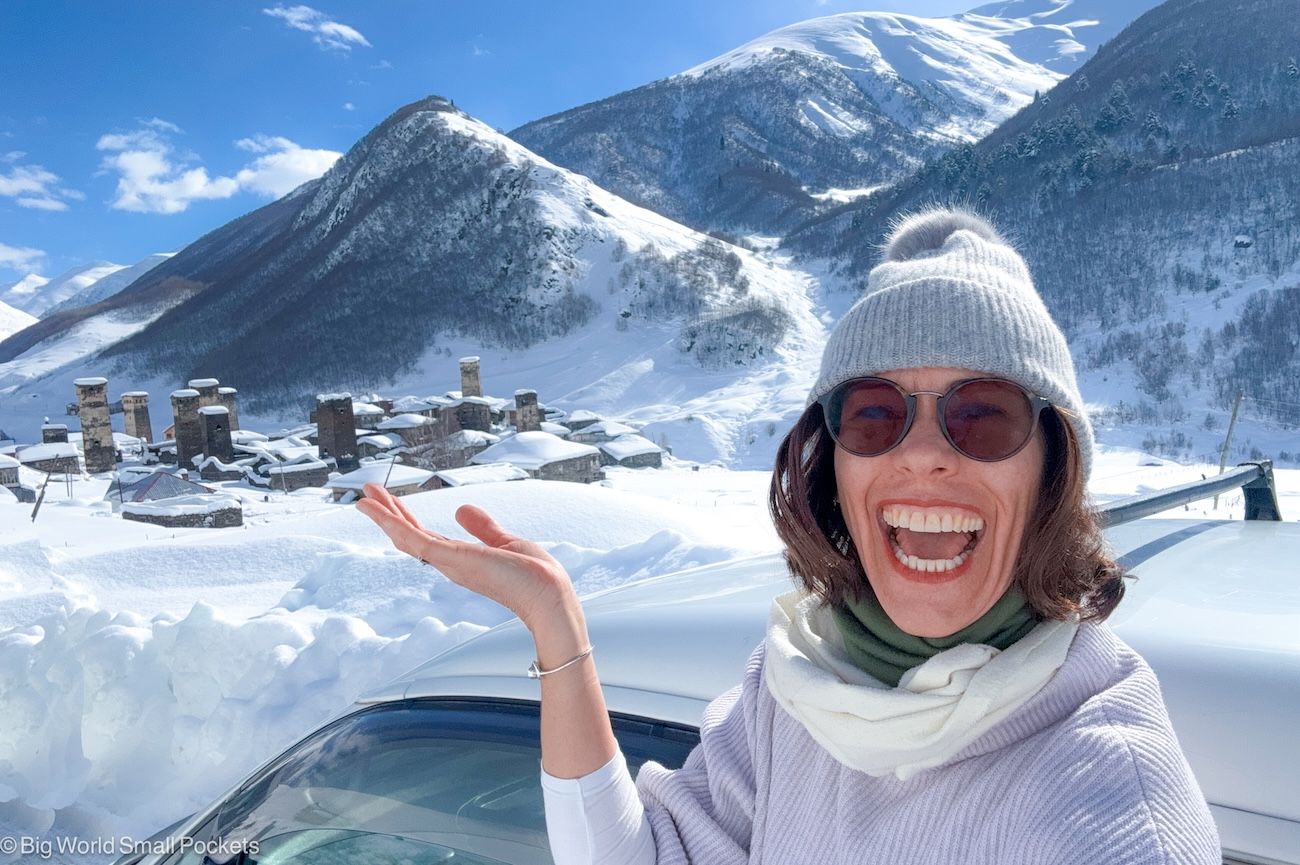
I visited Svaneti in January / February and loved the cosy atmosphere of the colder months.
Evenings were all about hearty Georgian dishes, roaring fires and hot drinks, while days were spent carving down slopes with incredible views of the Caucasus.
It is cold, of course, but beautifully so.
In the cities, winter is quieter.
Tbilisi holds onto its charm with fairy lights and warm sulphur baths, but sightseeing is more limited by the chilly temperatures.
Still, if you enjoy a slower pace and the idea of hunkering down in wine bars, winter has its appeal.
FAQ: Best Time to Visit Georgia
What is the Georgian Climate Like?
Georgia sits between the Caucasus mountains and the Black Sea, which creates a varied climate across the country.
Lowland cities, like Tbilisi and Kutaisi, have hot summers and mild winters, while the mountain regions experience heavy snow and cooler temperatures year round.
Coastal areas enjoy a humid subtropical climate with warm summers and wet winters.
What are the Average Temperatures in Georgia?
Temperatures vary widely depending on altitude.
Tbilisi ranges from around 2 – 7 °C in winter and 20 – 32 °C in summer.
Mountain areas can sit below freezing for long periods in winter, with temperatures climbing to a mild 10 – 20 °C in summer.
The Black Sea coast, including Batumi, usually sits around 8 – 12 °C in winter and 24 – 28 °C in summer.
What is the Best Season to Visit Georgia?
Spring runs from March to May and is a lovely time to visit. Temperatures are mild, city sightseeing is comfortable and flowers begin to bloom across the countryside. Expect some rain showers, especially in April, but overall the weather is pleasant and crowds are lighter.
Summer spans June to August and brings hot temperatures across the lowlands. This is the best season for food festivals, nightlife and coastal trips. The Black Sea coast is at its most popular, while hiking regions in the mountains are fully open.
Autumn from September to November is widely regarded as Georgia’s most beautiful season. Wine harvests take place, temperatures cool to a comfortable level and the scenery shifts to warm shades of gold and red. It is an excellent time for photography, hiking and cultural travel.
Winter stretches from December to February in Georgia and is cold across the mountains, bringing excellent ski conditions. Resorts like Gudauri, Bakuriani and Mestia have reliable snowfall. Cities like Tbilisi remain lively but colder, making this a good time for cosy food, sulphur baths and slower paced sightseeing.
When is the Best Time to Visit Georgia with Armenia?
The best shared season for visiting both Georgia and Armenia is late April through early June or mid September to mid October.
These periods offer comfortable temperatures, clear views for mountain scenery and great conditions for cultural sightseeing in both countries.
Practical Georgia Travel Tips
Getting to Georgia
I recommend Skyscanner for getting the best flights deals.
Best eSIM for Georgia
Holafly offer unlimited data eSIMs for Georgia that are perfect for staying connected across the country.
Travel Insurance
World Nomads offer simple and flexible travel insurance. Buy at home or while travelling and claim online from anywhere in the world.
If you’re a long-term traveller, digital nomad or frequent remote worker seeking travel health cover, check out Safetywing’s Nomad Insurance policies.
Travel Money in Georgia
Georgia use the Lari (GEL).
I always travel with my Wise card, which makes spending abroad cheaper with real exchange rates and no sneaky transaction or ATM fees.
Grab yours here.
Luggage Storage
Store your luggage for less in Georgia with LuggageHero.
SAVE THIS ARTICLE TO PINTEREST!


So when is the best time to visit Georgia?
If you want my honest answer, it depends entirely on your style of travel.
Spring is perfect for culture, summer for food and the coast, autumn for wine and scenery and winter for skiing.
Hikers should aim for the late spring to autumn window, while wine travellers will be happiest in September or October.
The beauty of Georgia is that it shines in all seasons, just in very different ways.
Whether you are sipping amber wine in a vineyard, hiking through mountain valleys or soaking in a historic bathhouse on a frosty evening, this country always has a way of drawing you in and keeping you curious for more.
This page contains affiliate links meaning Big World Small Pockets may receive a small commission on any purchases at no extra cost to you.
