


Sète was one of those places in France I had barely heard of before visiting.
Yet, within a few hours, I was completely won over by its slightly gritty, wonderfully authentic character.
This is not a polished Côte d’Azur resort where every fishing net has been strategically positioned for Instagram.
Sète is a genuine working Mediterranean port where trawlers unload beside busy cafés, fishing boats navigate the canals and locals debate the correct way to make a tielle with appropriate seriousness.
Wedged between the Mediterranean Sea and the oyster-filled Étang de Thau lagoon, Sète combines sandy beaches, colourful canals, seafood markets, coastal walks, traditional neighbourhoods and an unexpectedly impressive collection of museums.
It feels lively without being overly touristy and distinctive without trying too hard. In other words, it is exactly the sort of destination I love discovering in France.
Sète is particularly well suited to budget and independent travellers.
Many of the best things to do in Sète are completely free, including exploring the canals, climbing Mont Saint-Clair, wandering through Pointe Courte, walking to the lighthouse and spending the day on the beach.
You can build an entire itinerary around markets, picnics, coastal walks and free viewpoints without feeling as though you are missing the city’s main attractions.
Food can also be surprisingly affordable – instead of relying on expensive waterfront restaurants, you can eat at Les Halles de Sète, pick up breakfast from La Carioca or buy a takeaway tielle sétoise for lunch.
Independent travellers will also appreciate how manageable Sète is without organised tours.
The centre is compact enough to explore on foot, local buses connect the railway station, beaches and Mont Saint-Clair, and the flat Lido promenade is ideal for cycling.
Although we had a car, we regularly used the bus with our dog and buggy, which saved us from repeatedly hunting for parking in the centre.
Sète may lack the manicured glamour of the French Riviera, but that is precisely why I liked it.
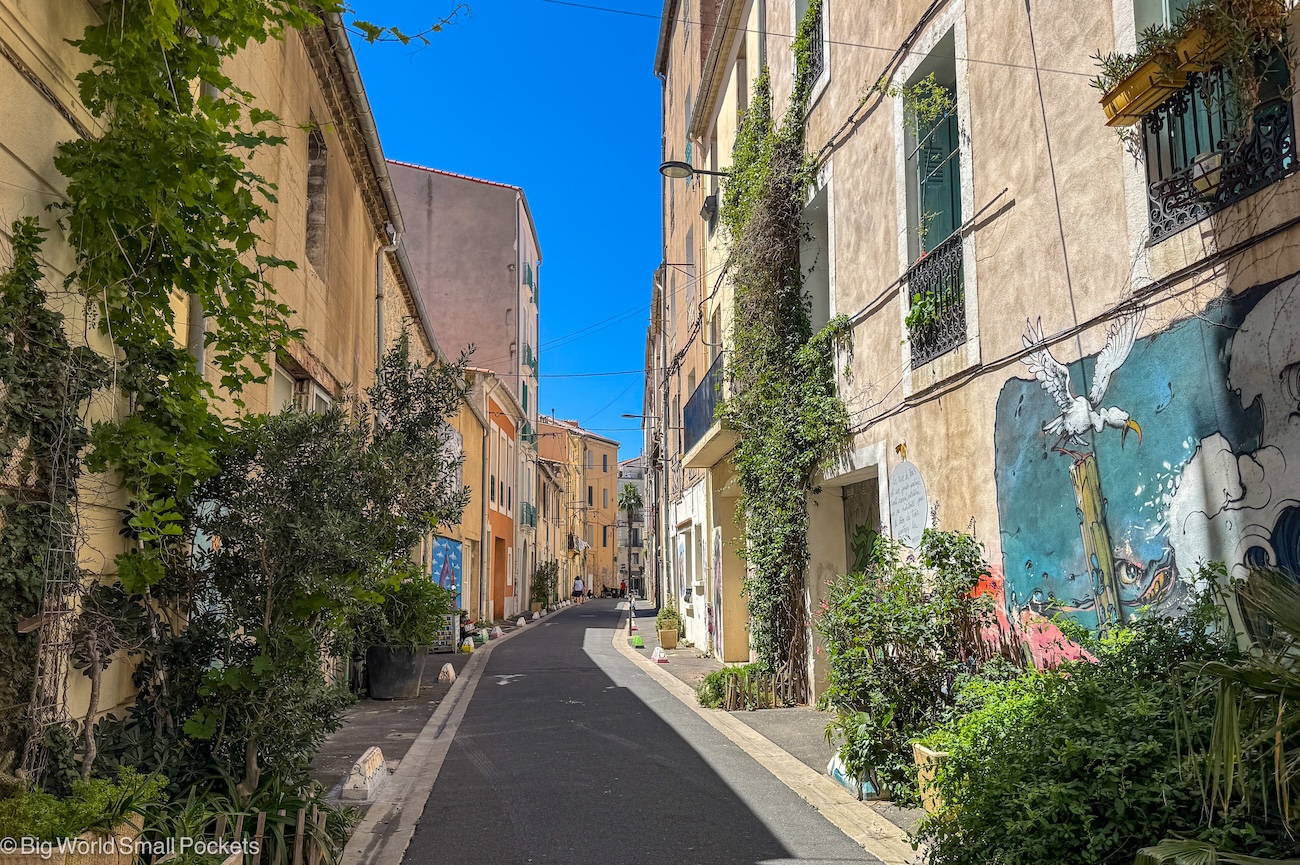
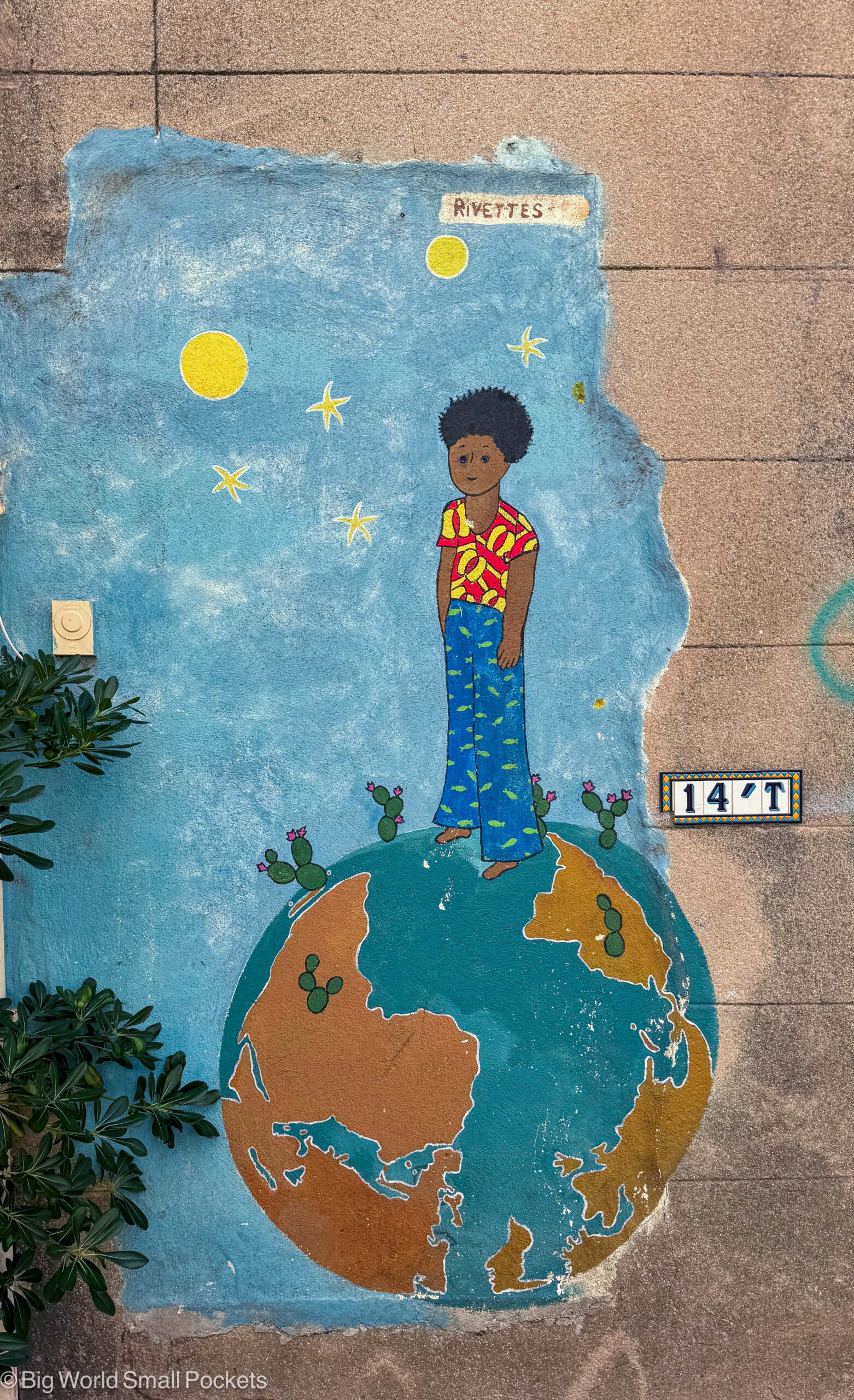
Its docks are busy, its walls display both weathering and street art, and its neighbourhoods still feel lived in.
You do not come here for velvet-rope beach clubs or overpriced bowls of lettuce.
You come for lagoon oysters, fishing boats, wide beaches, traditional water jousting and sunsets over the Mediterranean.
For travellers looking for an affordable and authentic alternative to France’s better-known southern resorts, Sète deserves considerably more attention…
Related Posts
- How to Enjoy Wine Tasting in France for Less
- Best Things to Do on a Budget in Ile de Re, France
- 2 Towns for the Price of 1 in the Heart of the Rhone Valley
Quick Guide to the Best Things to Do in Sète
| Experience | Area | Cost | Best For |
| Browse Les Halles de Sète | Town centre | Free to enter | Local food |
| Try a tielle sétoise | Town centre | Budget-friendly snack | Sète speciality |
| Visit La Carioca | Canal-side centre | From a few euros | Breakfast |
| Walk around the canals | Town centre | Free | First-time visitors |
| Climb Mont Saint-Clair | Mont Saint-Clair | Free | Panoramic views |
| Explore Pointe Courte | Étang de Thau | Free | Photography |
| Walk to Phare Saint-Louis | Port | Free to walk | Maritime views |
| Visit the beaches | Lido coast | Free | Families and swimming |
| Cycle the Lido promenade | South-west of town | Bike hire varies | Active travellers |
| Walk in the Pierres Blanches Forest | Mont Saint-Clair | Free | Nature |
| Watch the water jousting | Canal Royal | Usually free to watch | Local culture |
| Try water sports | Coast and lagoon | Varies | Adventure |
#1 Start Your Day at Les Halles de Sète
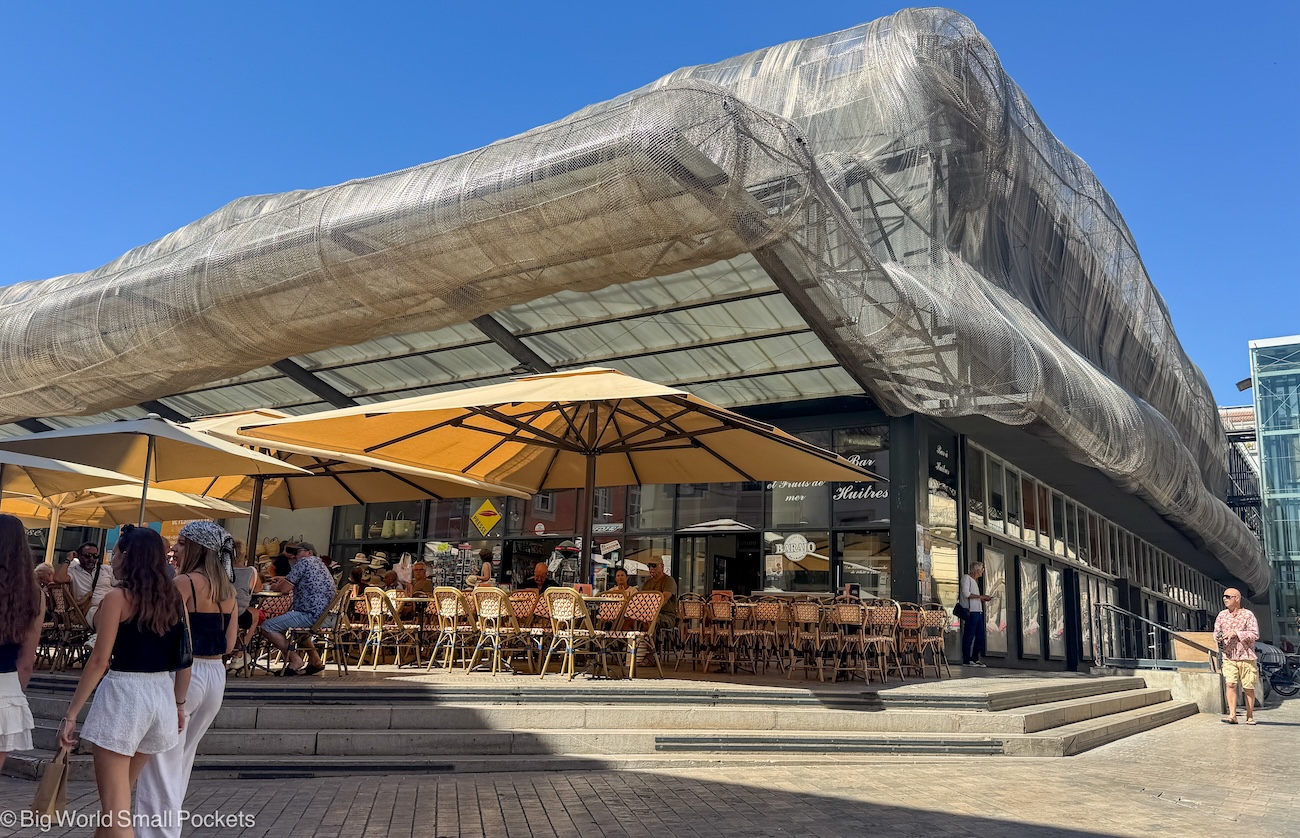
Les Halles de Sète is the beating stomach of the city.
This covered market in the centre of town opens every morning and brings together fishmongers, cheesemongers, butchers, bakers and fruit and vegetable stalls.
This is not merely somewhere to buy ingredients.
Several counters serve food and drinks, so you can pull up a stool and enjoy oysters from the Étang de Thau, seafood tapas, cheese or a glass of local Picpoul de Pinet.
Arrive before lunchtime if you want to browse comfortably. It becomes increasingly lively around midday, particularly at weekends and during summer.
That lively atmosphere is part of the attraction, although negotiating a buggy through the busiest section can feel like competing in an Olympic event.
Les Halles is open every morning, while Sète also has outdoor markets on different days of the week.
The large Wednesday market spreads across Quai d’Alger and surrounding streets, while a smaller market is held around the Corniche on Thursdays.
Budget Tip: Eating at a market counter can be cheaper than booking a full restaurant meal.
Alternatively, assemble a picnic from bread, cheese, fruit and local olives.
#2 Buy Breakfast from La Carioca
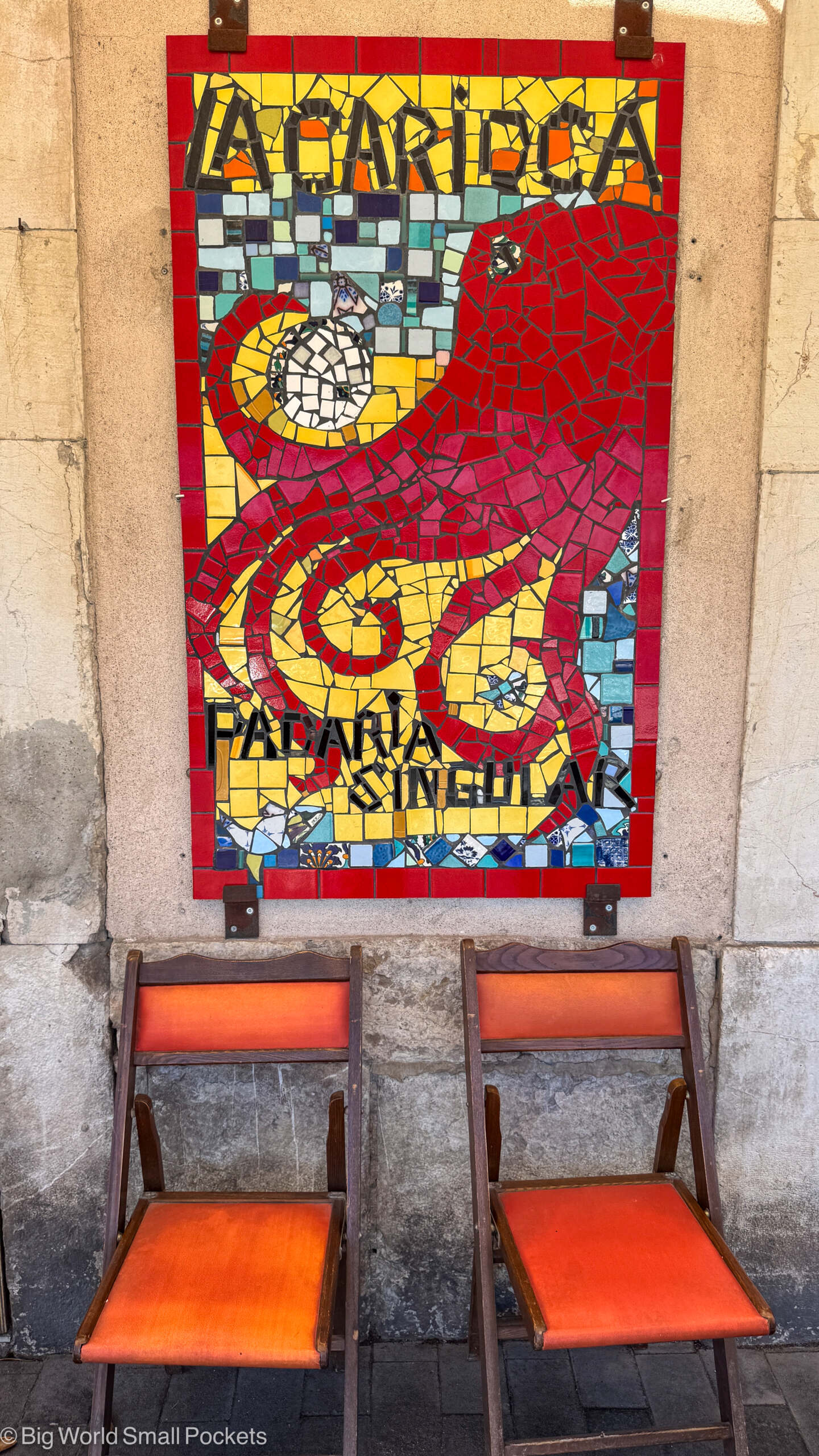
La Carioca is one of the best bakeries in Sète and a worthwhile stop before exploring the canals.
This independent spot specialises in organic bread made with natural sourdough and stone-ground flour.
Alongside its excellent loaves, you will usually find croissants, brioches and other pastries, although the exact selection changes.
Its canalside shop at 20 Quai Maréchal de Lattre de Tassigny is particularly convenient for a walking tour of central Sète.
Pick up breakfast and eat it beside the water while the town wakes up.
La Carioca has appeared on the French television programme La Meilleure Boulangerie de France, but it retains the feeling of a neighbourhood bakery rather than a tourist attraction.
#3 Try an Authentic Tielle Sétoise
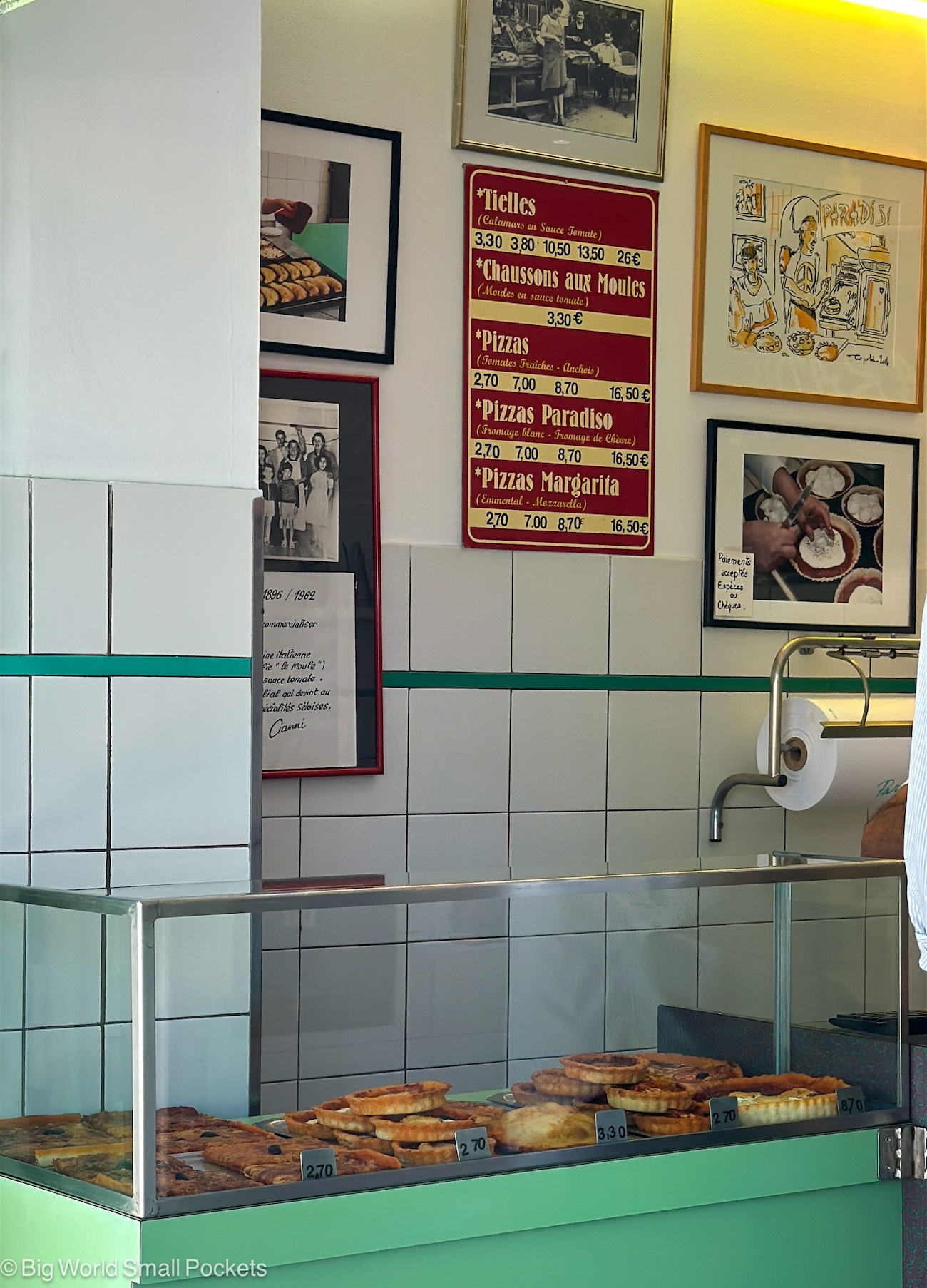
You cannot discuss what to eat in Sète without mentioning the tielle sétoise.
This small, round pie is filled with octopus or squid in a rich, spicy tomato sauce, then enclosed in a distinctive orange-tinged pastry crust.
The dish is associated with Sète’s Italian community and has become one of the city’s defining foods.
You will find tielles in Les Halles, speciality shops and bakeries around town.
They are generally inexpensive, portable and surprisingly filling, making them ideal for travellers trying to avoid restaurant prices.
For the most authentic experience, buy a small individual tielle and enjoy it beside the canals or on the seafront.
We picked one up from Paradiso, along the harbour and ate it as a takeaway lunch with a view of the water.
I also got the veggie version, which was delicious.
#4 Walk Along Sète’s Canals
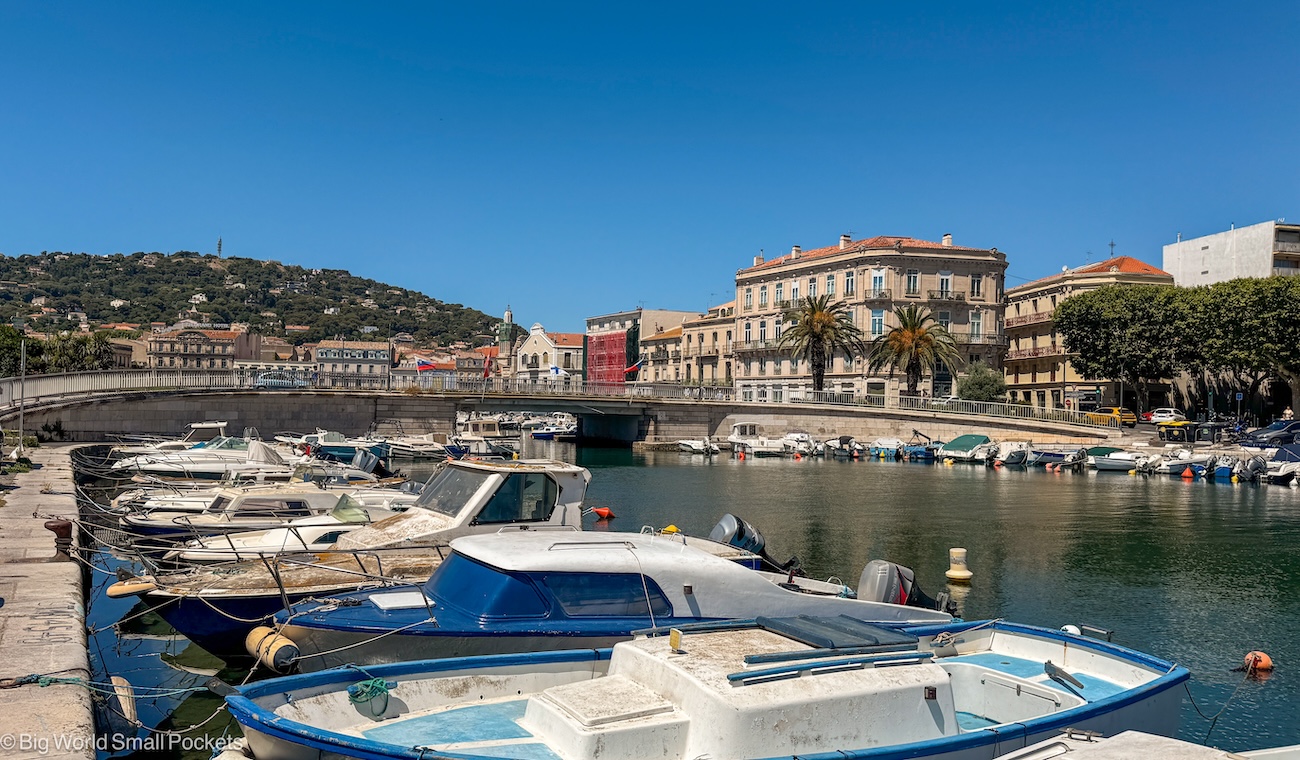
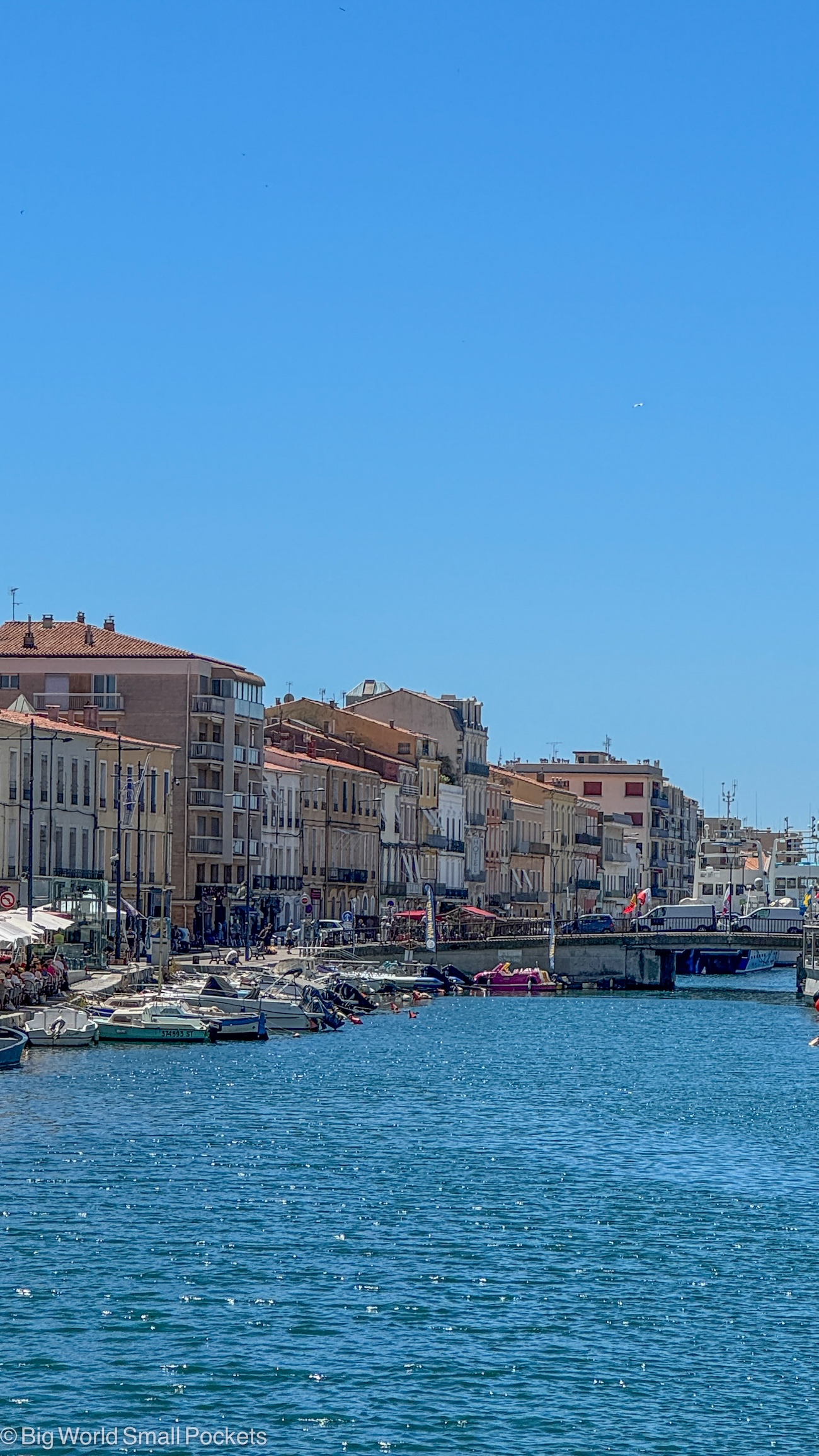
Sète is sometimes called the Venice of Languedoc, although it feels far more rugged and maritime than Venice.
Start around the Canal Royal and follow the quays past colourful buildings, fishing boats and restaurants.
The Canal Royal is also the setting for Sète’s famous summer water-jousting competitions.
Keep an eye out for the town’s bridges – some move to allow larger boats through, which can temporarily halt traffic and create an impromptu spectator event.
Walking around the canals costs nothing and is one of the best ways to understand Sète.
The combination of commercial docks, pleasure boats and residential streets reveals why this feels like a genuine port rather than a resort created purely for visitors.
#5 Watch Sète’s Traditional Water Jousting
The local tradition you are looking for is les joutes, not les jouets.
The latter means toys, while the former involves grown adults attempting to knock one another from boats with wooden lances.
Naturally, this makes les joutes far more exciting.
During a tournament, 2 brightly painted boats approach one another.
Competitors stand on raised platforms and try to send their opponent into the canal using a lance and shield.
Water jousting has a long association with Sète, and tournaments take place during the warmer months.
The most prestigious events are connected to the Fête de la Saint-Louis in August.
Spectating is generally free, but arrive early if you want a good view beside the Canal Royal.
Check the Sète tourism events calendar for dates during your visit.
#6 Climb to the Mont Saint-Clair Lookout
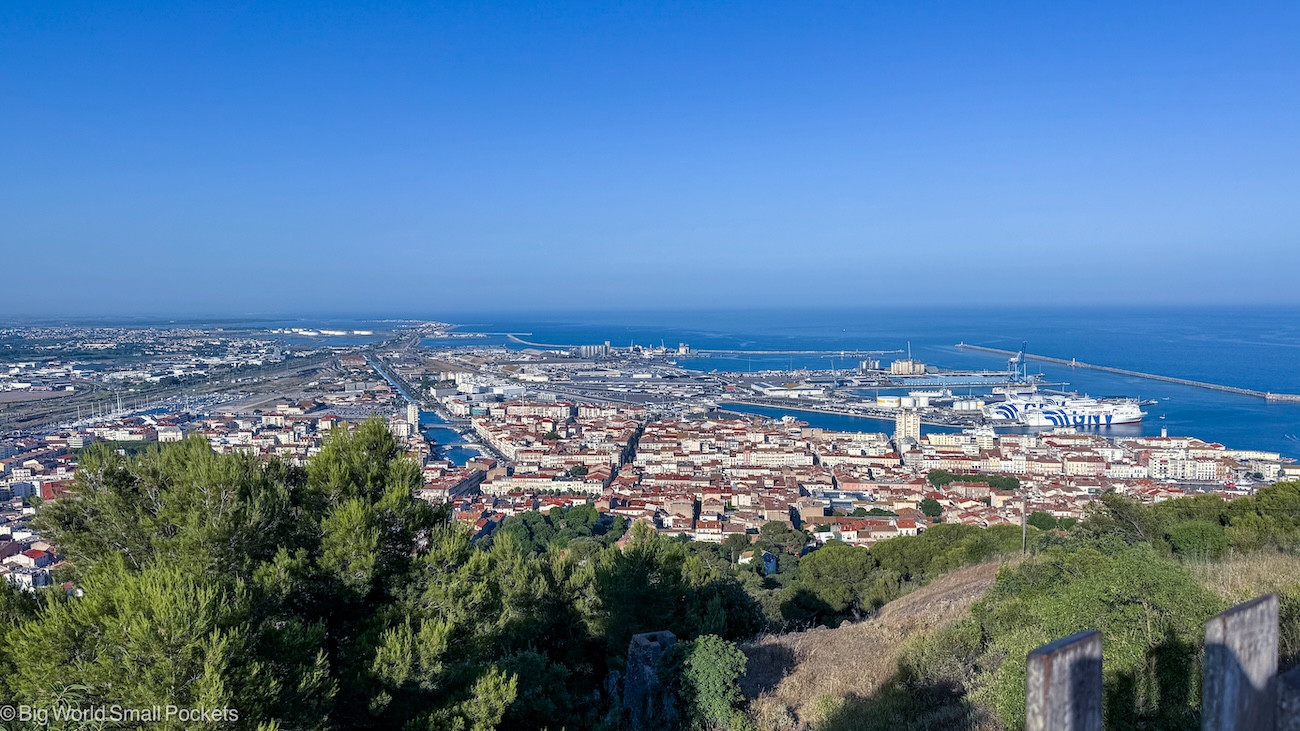
Rising 175m above the city, Mont Saint-Clair provides the best panoramic view in Sète.
From the viewpoints near the summit, you can see the town, its canals, commercial port, Mediterranean beaches and enormous Étang de Thau lagoon.
On a clear day, the contrast between the blue sea, oyster beds and densely packed city is spectacular.
You can drive, take a bus or walk to the summit.
The climb is steep, so attempting it during the middle of a hot summer day may cause you to question every decision that led you there.
The lookout itself is free.
Nearby, the Chapel of Notre-Dame de la Salette has another excellent terrace overlooking the city.
Visit early in the morning or shortly before sunset for cooler temperatures and softer light.
#7 Walk through the Pierres Blanches Forest
The Forêt des Pierres Blanches is a 27 hectare wooded area on Mont Saint-Clair.
Its marked paths wind through pine trees and Mediterranean scrub, with viewpoints over the Étang de Thau and surrounding coastline.
This is a peaceful counterpoint to the busy port and a good choice for a free morning walk or picnic.
The trees provide some welcome shade, although you should still carry water in summer.
Dogs can enjoy the paths too, but keep them controlled and respect any local signs, particularly during periods of high fire risk.
It’s worth noting that access to wooded areas in southern France can be restricted during extreme summer conditions.
#8 Explore the Fishing Quarter of Pointe Courte
Pointe Courte is one of the most distinctive places to visit in Sète.
Sitting on the edge of the Étang de Thau, this former fishing district feels like a village within the city.
Its narrow lanes are lined with small houses, fishing equipment, drying nets, flowerpots and an impressive population of cats.
This remains a residential neighbourhood rather than an open air museum, so explore quietly and avoid blocking doorways for photographs.
The district has appeared in films, most notably Agnès Varda’s La Pointe Courte.
It is free to visit and reachable on foot from the town centre, although the route is longer than it initially appears on a map.
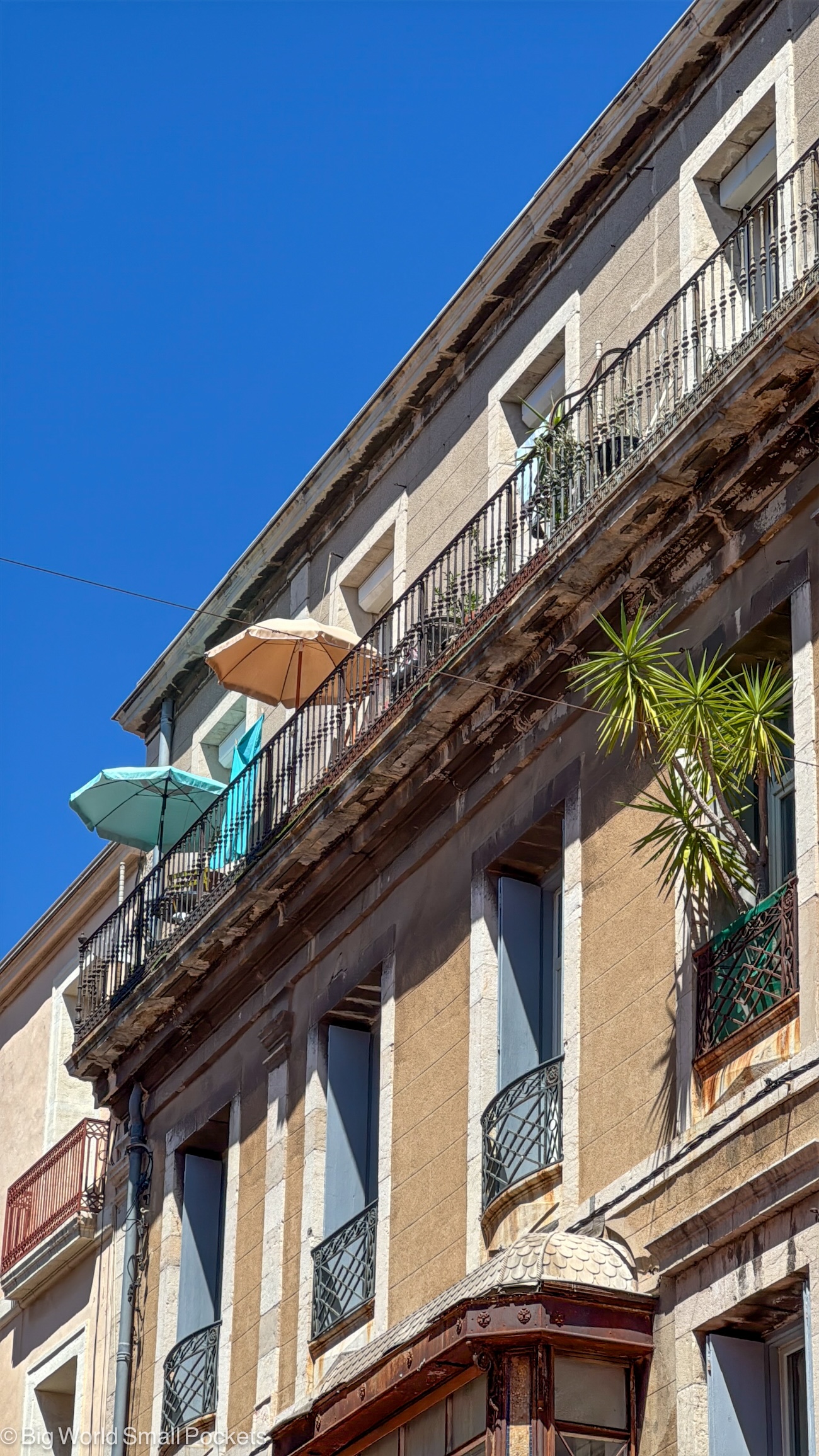
#9 Discover Sète’s Working Docks
Sète’s port is fundamental to its identity.
Around the central waterfront, you can watch fishing boats, pleasure craft and commercial vessels moving through the harbour.
Head towards the Quai de la Marine, Quai Général Durand and the Môle Saint-Louis for some of the most atmospheric maritime views.
The daily activity here is precisely what gives Sète its rough-edged charm.
Some industrial port areas are restricted, so remain on public quays and obey signs.
For more context, look for organised tours of the fishing port or criée, where the local fish auction takes place.
#10 Walk to the Phare Saint-Louis
The Phare Saint-Louis stands at the end of the Môle Saint-Louis, the long harbour wall protecting Sète’s port.
The walk along the Mole delivers views back towards Mont Saint-Clair and across the Mediterranean.
It is particularly enjoyable in the late afternoon, although strong winds can turn an elegant seaside stroll into an unexpected hairstyle experiment!
The lighthouse has 126 steps and opens to visitors at selected times.
Access can be weather-dependent, so check the latest opening arrangements with the tourist office.
Even when the tower is closed, walking to the lighthouse is free and worth doing for the port views.
#11 Visit the Musée de la Mer
The Musée de la Mer explores Sète’s maritime history, including its port, traditional boats and water-jousting heritage.
It is a useful introduction to the traditions you will see around the canals and harbour.
Displays include model vessels and information about the people who shaped Sète’s relationship with the sea.
As museum prices and opening arrangements can change, check the museum’s website before visiting.
#12 Choose From Sète’s Art Museums
Sète has an impressive cultural offering for a relatively compact city.
The Musée Paul Valéry houses more than 7,000 works, including fine art and modern collections.
Its elevated position above the marine cemetery also provides excellent coastal views.
Standard admission outside the main summer exhibition is 6.20€, rising to 9.90€ during the 2026 summer exhibition.
Entry is free on the first Sunday of each month.
Other options include the Musée International des Arts Modestes, known as MIAM, and the Centre Régional d’Art Contemporain, or CRAC.
Street art fans can also follow the MaCO open-air art trail through Sète’s central neighbourhoods for free.
#13 Walk Around the Corniche
The Corniche connects the town of Sète with its coastal neighbourhoods and beaches.
Its seaside path passes rocky coves, swimming spots and open Mediterranean views, and is ideal for an evening walk, particularly around sunset.
Stop at one of the viewpoints or continue towards Plage du Lazaret and Plage de la Corniche.
Some parts are exposed, so take sun protection and water during summer.
The route is generally easier with a buggy than the steeper paths around Mont Saint-Clair.
#14 Spend a Day on Sète’s Beaches
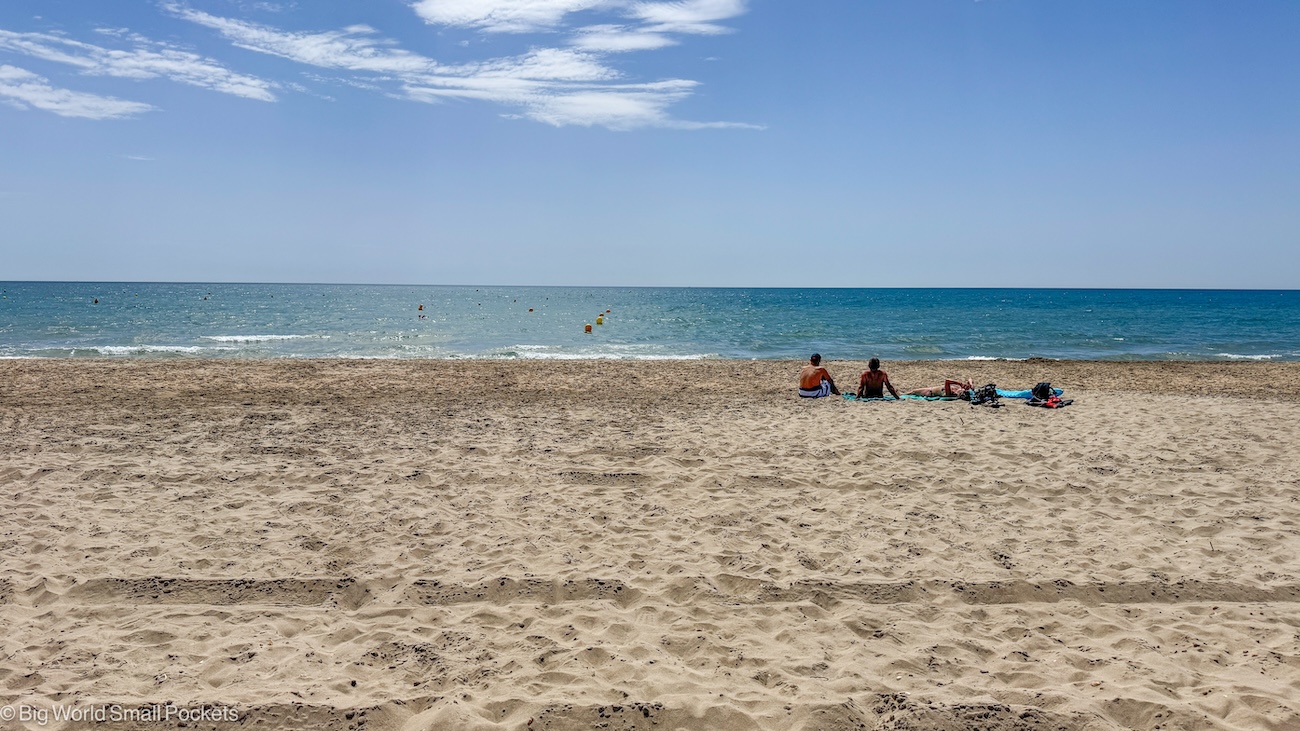
Sète has approximately 12km of beaches stretching along the Lido towards Marseillan.
Popular choices include Plage du Lazaret, Plage de la Corniche, Plage des Quilles, Plage de la Fontaine, Plage du Lido and Plage de la Baleine.
The beaches become wider and wilder as you travel away from the centre.
Many are backed by cafés or seasonal facilities, but bringing your own food, water and shade is the cheapest option.
Which Beaches in Sète are Dog-Friendly?
Do not assume every Sète beach welcomes dogs during summer.
The designated section of Plage du Vassal between entrances 73 and 74 permits dogs throughout the year.
On most other Sète beaches, dogs on leads are allowed only from 1st October – 31st May.
Plage du Jalabert has additional seasonal restrictions to protect nesting migratory birds.
The city of Sète’s official dog guidance is the best source for current restrictions and make sure to always check the signs at the beach entrance as local rules can change.
#15 Follow the Lido Promenade
The Lido promenade runs between the Mediterranean and the Étang de Thau, connecting Sète with the coast towards Marseillan.
Its broad, relatively flat paths make it suitable for walking, running, cycling and pushing a buggy.
Compared with Mont Saint-Clair, it feels gloriously level!
Bring a picnic and stop at one of the beaches along the route.
Travelling a little farther from central Sète can also help you find more space during busy summer weekends.
#16 Explore Sète by Bike
Cycling is one of the best ways to cover the Lido and surrounding lagoon without paying for taxis or repeatedly searching for parking.
The wider Thau area has greenways and marked cycling routes connecting beaches, vineyards and neighbouring settlements.
The terrain around the lagoon is generally flatter than central Sète, where Mont Saint-Clair provides the sort of hill that makes an electric bike suddenly seem excellent value.
Families can ask local rental companies about child seats, trailers and helmets.
Confirm exactly what is included before booking because equipment charges vary.
#17 Try Kayaking or Paddleboarding
Sète offers water sports on both the Mediterranean and the calmer Étang de Thau.
Depending on conditions and the operator, activities include…
- Sea kayaking
- Stand-up paddleboarding
- Sailing
- Windsurfing
- Wing foiling
- Catamaran lessons
- Guided boat trips
Beginners and families may find the lagoon more manageable, while sea excursions offer cliffs, coves and coastal views.
Prices vary considerably, so compare group sessions with private lessons and book directly where possible.
#18 Take a Boat Trip around the Canals
A sightseeing cruise is an easy way to see Sète from water level and learn how its canals connect the lagoon, fishing port and Mediterranean.
Trips range from short canal circuits to longer lagoon excursions ad can include commentary about the port and oyster-farming industry.
For the best value, compare the trip duration as well as the ticket price – a slightly cheaper tour is not necessarily a bargain if it lasts half as long!
#19 Discover the Quartier Haut
The Quartier Haut rises behind the port and was historically associated with fishing families, including people of Italian origin.
Today, its steep streets contain artists’ studios, colourful façades and works belonging to Sète’s open-air MaCO art trail.
It is less manicured than many Mediterranean old towns, which is precisely its appeal.
Wear sensible shoes – Sète does stairs and slopes with gusto!
#20 Visit the Marine Cemetery
The Cimetière Marin sits above the Mediterranean near the Musée Paul Valéry.
It is the burial place of the poet Paul Valéry and offers beautiful views over the sea.
This remains an active cemetery, so visit respectfully and keep voices low.
Entry is free, making it an easy addition to a museum visit or coastal walk.
Georges Brassens is buried elsewhere, in Le Py cemetery near the Étang de Thau.
#21 Stay in a Traditional Baraquette
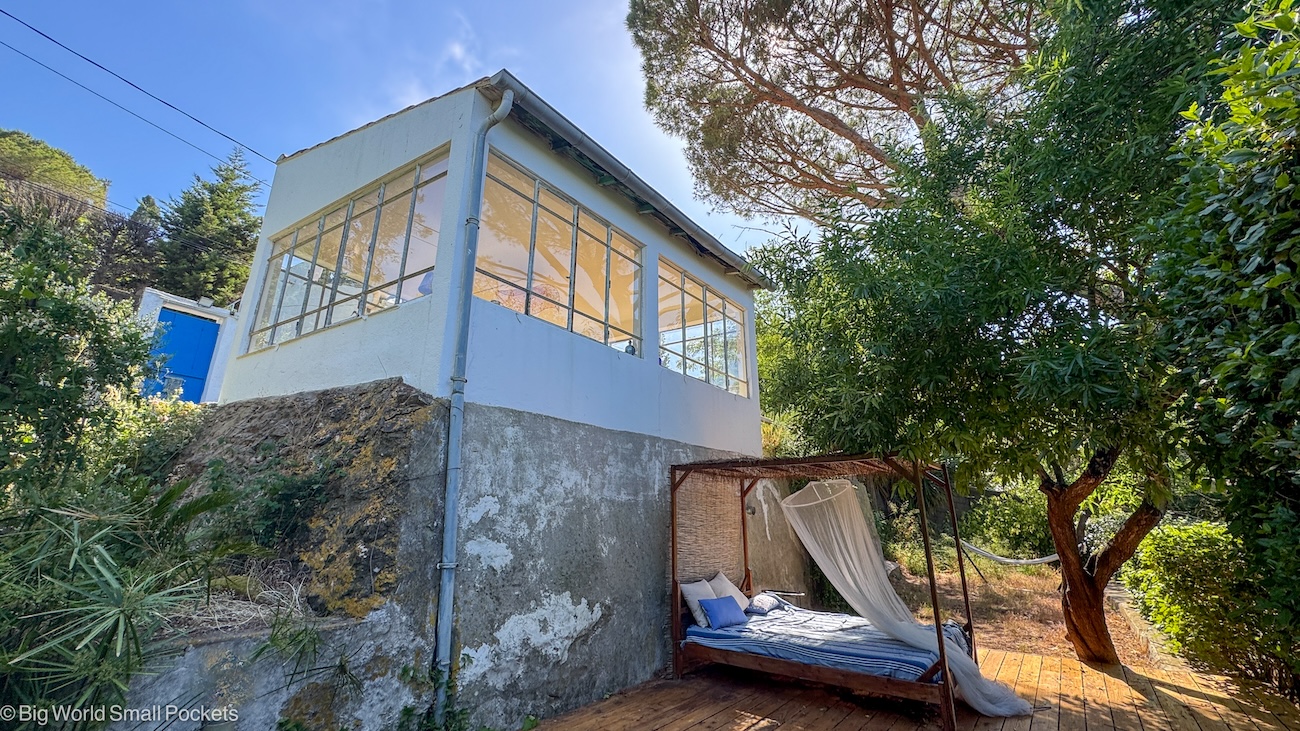
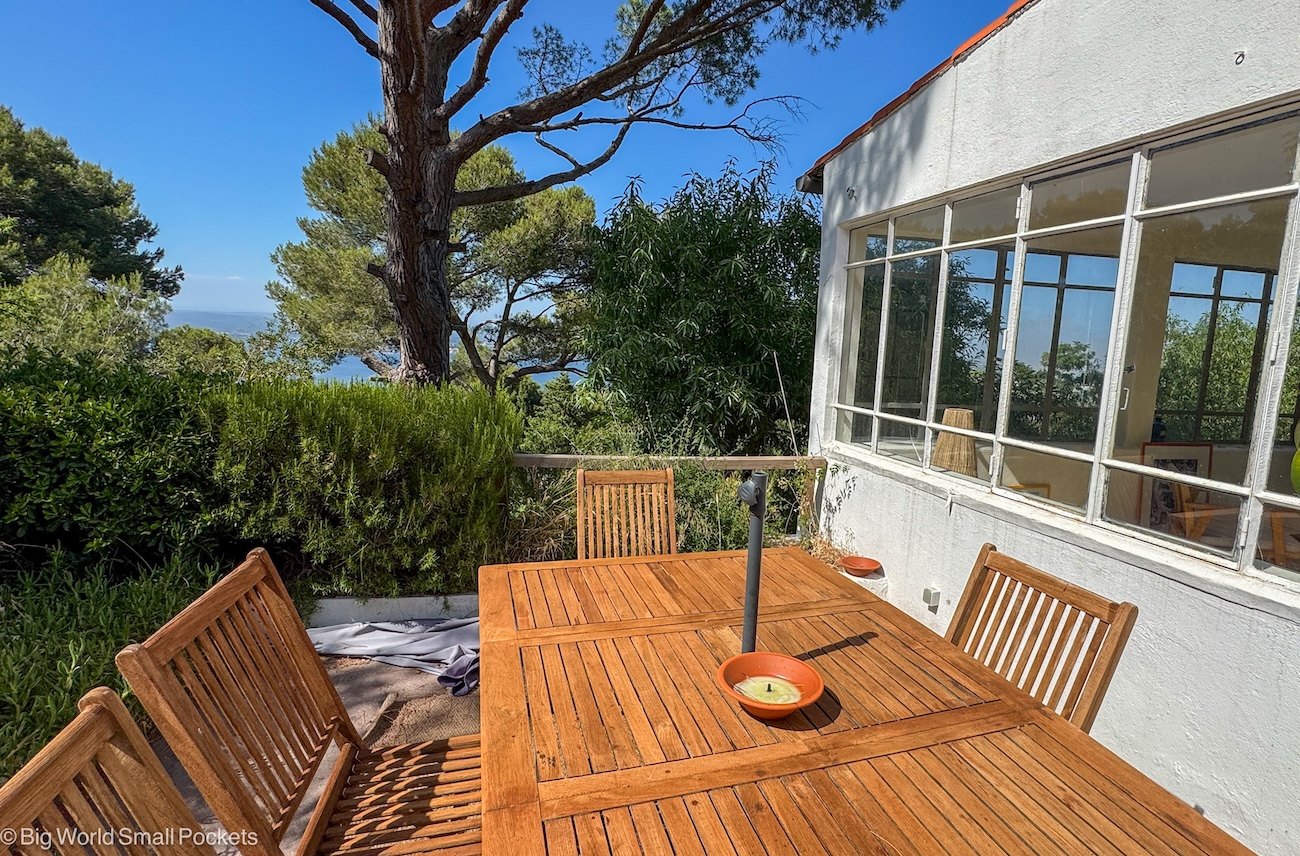
One of the most memorable parts of our Sète visit was staying in this traditional baraquette on Mont Saint-Clair.
Baraquettes were simple countryside retreats traditionally used by Sète families, fishermen and vineyard workers.
Our restored property retained plenty of local character, while adding the comforts required when travelling with a baby and dog.
The lofty position delivered wonderful views over the Étang de Thau, while the 1,200sqm fenced garden offered terraces, hammocks and masses of outdoor space.
The house sleeps 4 as standard, has 2 bedrooms, an equipped kitchen and private parking.
Pets are accepted and even receive a welcome kit.
Baby equipment is also available.
Although the property sits above the centre, we did not have to drive every time we wanted to explore.
A bus stop is around 50m away, with line 5 taking approximately 15 minutes to reach central Sète. We used the service with both our dog and buggy without difficulty. Services run roughly hourly near the property, so check the timetable before leaving.
Book your stay in a traditional baraquette here!
Where is Sète, France?
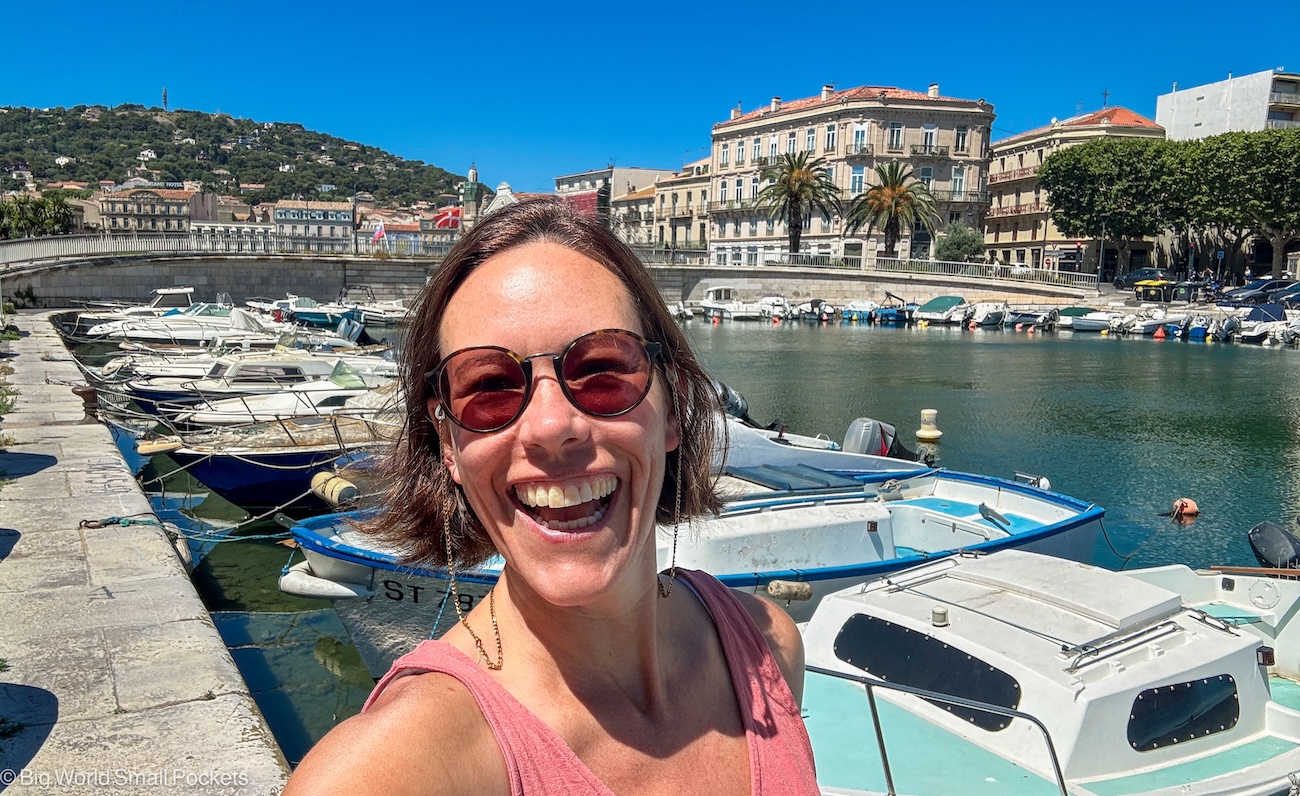
Sète is a port city in the Hérault department of the Occitanie region in southern France.
It sits on a narrow stretch of land between the Mediterranean Sea and the Étang de Thau – a large saltwater lagoon famous for oyster and mussel farming.
The city is approximately 35km southwest of Montpellier and around 50km northeast of Béziers.
Further along the coast, the sandy Lido connects Sète with the seaside town of Marseillan.
This unusual location is central to Sète’s character.
The Mediterranean lies on one side of the city, the lagoon on the other, and a network of canals runs through the centre.
Mont Saint-Clair rises between them, providing panoramic views across the port, beaches and oyster beds.
How to Get to Sète
Sète is one of the easier coastal destinations in southern France to reach by public transport.
Direct and connecting trains serve Sète from cities including Montpellier, Béziers, Toulouse, Marseille, Lyon and Paris.
The fastest direct TGV services from Paris take approximately 3 hours 40 minutes, while regional trains from Montpellier usually take around 15 to 25 minutes.
Book train tickets easily in English using Trainline.
Sète railway station is located north of the town centre.
You can walk from the station to the canals and Les Halles in approximately 20 minutes or use one of the local buses.
If you are flying, the nearest major airport is Montpellier Méditerranée Airport, approximately 40 – 45 minutes away by car.
Béziers Cap d’Agde Airport is another option, particularly when travelling with a low cost airline from the UK, although its seasonal flight schedule is more limited.
As always, I use Skyscanner to find the best flight deals.
Drivers can reach Sète from the A9 motorway using exit 33.
Having a car is useful for exploring the wider Étang de Thau area, but it is not essential for enjoying the city itself.
Check out DiscoverCars for some good value rental options.
Getting Around Sète Without a Car
Central Sète is compact and highly walkable.
Les Halles, the canals, port, Quartier Haut and Môle Saint-Louis can all be combined into one self-guided walking route.
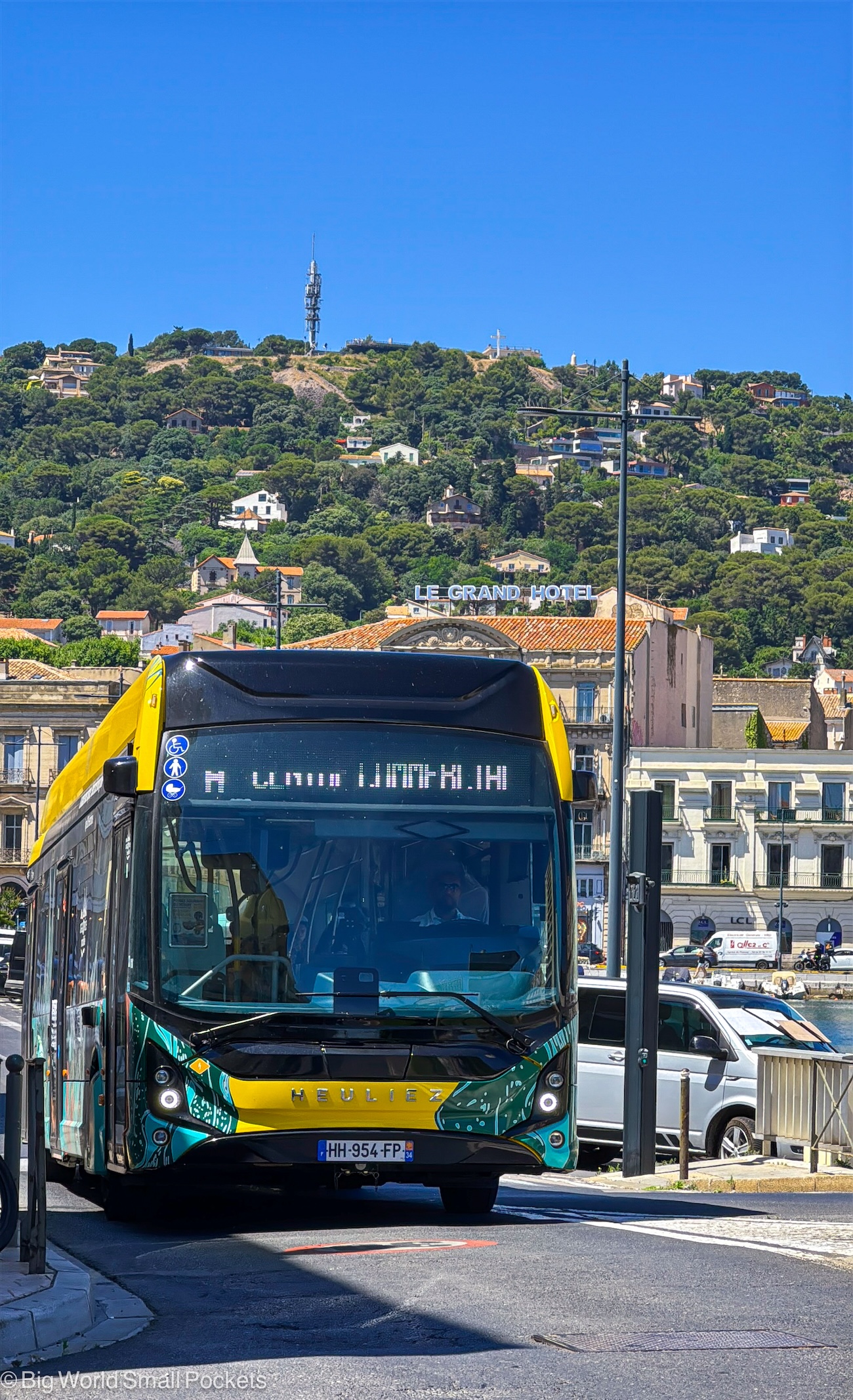
The local bus network connects the railway station and town centre with the Corniche, beaches and residential areas around Mont Saint-Clair.
Lines 1, 2, 3, 4, 5 and 8 serve different parts of the city, although frequencies vary by route and season.
We stayed on Mont Saint-Clair and used line 5 to travel into the centre with both our dog and buggy.
The journey took around 15 minutes and was straightforward, proving you do not necessarily need a car even when staying outside the main town.
Cycling is another good option, especially along the flatter Lido promenade.
I would be rather less enthusiastic about cycling straight up Mont Saint-Clair unless an electric bike was involved! Some holidays require personal growth, but that particular hill need not be one of them.
How Many Days Do You Need in Sète?
Allow at least 2 full days to experience Sète properly.
On day 1, explore Les Halles, La Carioca, the canals, docks, Quartier Haut and Phare Saint-Louis.
On day 2, visit Pointe Courte, Mont Saint-Clair and the Pierres Blanches Forest before finishing at the Corniche or beach.
3 or 4 days will give you time for museums, cycling, water sports and a slower afternoon on the Lido.
Is Sète Expensive?
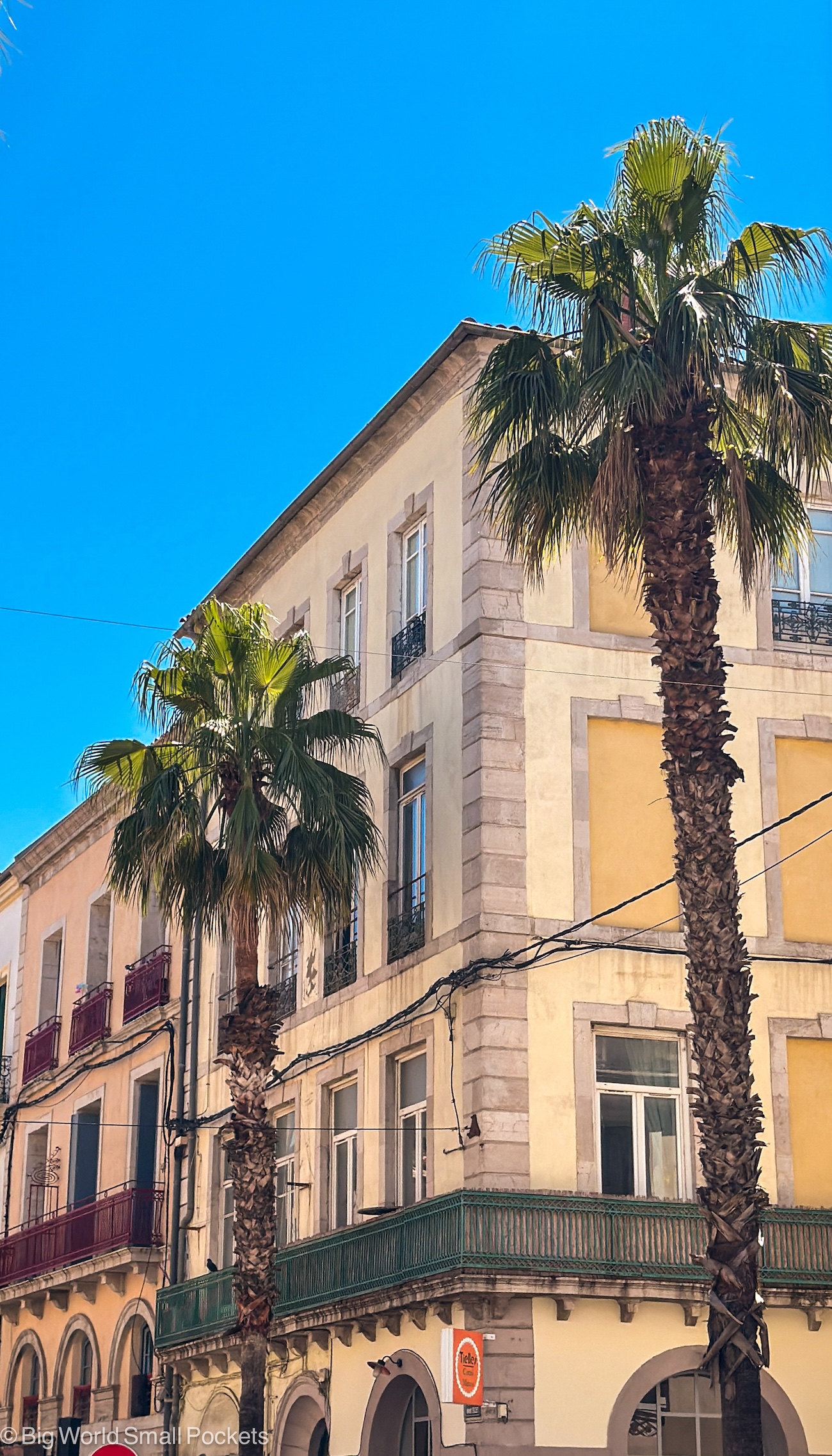
Sète can be considerably better value than many of the better-known Mediterranean destinations such as Nice, Cannes or Saint-Tropez.
Many major attractions, including the canals, Mont Saint-Clair, Pointe Courte, beaches, lighthouse walk and Pierres Blanches Forest, cost nothing.
Bakeries, market counters and takeaway tielles make it easy to eat well without booking expensive waterfront restaurants.
Accommodation prices rise in July and August.
For better value and fewer crowds, consider May, June, September or early October.
People Also Ask: Things to Do in Sète
Is Sète, France Worth Visiting?
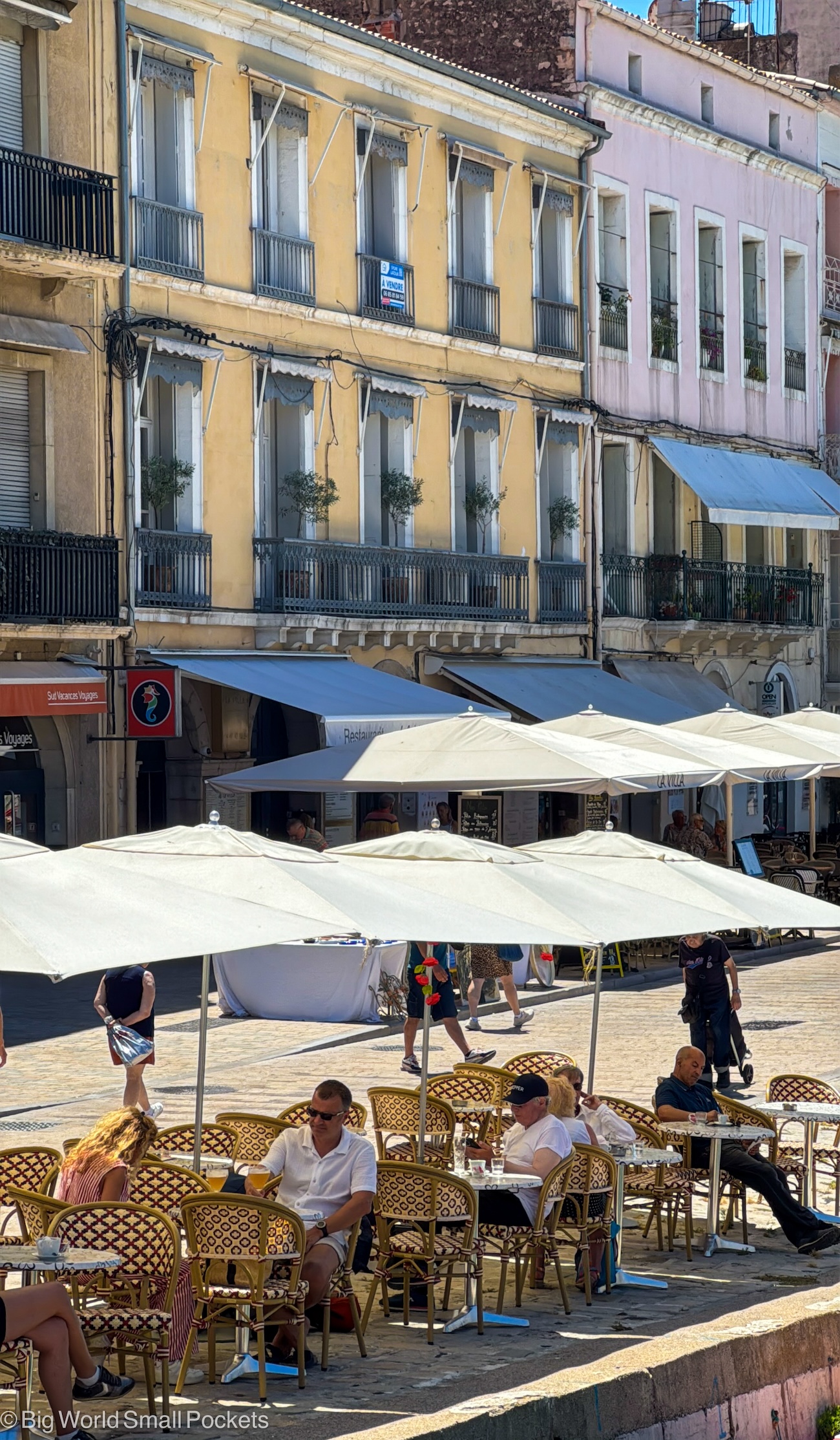
Yes. Sète is worth visiting for its working port, canals, Mediterranean beaches, seafood market, distinctive cuisine and strong local culture.
It feels more authentic and less polished than many famous resorts in the South of France.
What is Sète Best Known For?
Sète is known for its canals, fishing port, Étang de Thau oysters, tielle sétoise, summer water jousting and panoramic views from Mont Saint-Clair.
What Are the Best Free Things to Do in Sète?
The best free things to do in Sète include walking beside the canals, visiting Pointe Courte, climbing Mont Saint-Clair, exploring the Pierres Blanches Forest, walking to Phare Saint-Louis and relaxing on the beaches.
Can You Visit Sète Without a Car?
Yes, it’s actually a great location for those without 4 wheels.
Sète has a railway station and a useful local bus network connecting the centre, beaches and Mont Saint-Clair.
Central attractions are walkable, while cycling is a practical option along the Lido.
Are Dogs Allowed on Sète’s Beaches?
Dogs are allowed throughout the year on the designated section of Plage du Vassal between entrances 73 and 74.
Most other Sète beaches permit dogs on leads only between 1st October- 31st May. Check local signs for seasonal changes.
Where Should You Stay in Sète?
Stay in the centre for easy access to Les Halles, restaurants and canals.
Choose the Corniche for beaches or Mont Saint-Clair for tranquillity, outdoor space and lagoon views.
A traditional baraquette on Mont Saint-Clair offers one of the most characterful stays.
What Food Should You Try in Sète?
Try tielle sétoise, oysters and mussels from the Étang de Thau, bourride de baudroie, stuffed squid and local biscuits known as zézettes de Sète.
When is the Best Time to Visit Sète?
May, June, September and early October offer warm weather with fewer visitors than July and August.
Visit during summer if you want to see the traditional water-jousting tournaments, but expect higher accommodation prices.
France Travel Tips
Best eSIM for France
Holafly offer unlimited data eSIMs for France that are perfect for staying connected across the country.
Use my exclusive discount code BIGWORLDSMALLPOCKETS
Travel Insurance
World Nomads offer simple and flexible travel insurance. Buy at home or while travelling and claim online from anywhere in the world.
Heymondo offers extensive cover for medical emergencies, cancellations, lost luggage and adventure activities, plus there’s 24/7 assistance if anything goes wrong while you’re away.
Travel Money
France use the Euro (€).
I always travel Europe with my Wise card, which makes spending abroad cheaper with real exchange rates and no sneaky transaction or ATM fees.
Grab yours here.
Luggage Storage
Store your luggage for less in France with LuggageHero.
SAVE THIS ARTICLE TO PINTEREST!


Sète may not have the polished glamour of the French Riviera, but that is exactly what makes it special.
Its working harbour, lively canals, sandy beaches and fiercely protected traditions offer a more authentic taste of southern France.
Better still, many of the best things to do in Sète are free, making it ideal for budget and independent travellers.
Come for the views from Mont Saint-Clair, stay for the tielle sétoise and explore slowly enough to appreciate its wonderfully gritty character.
Sète was never on my original France wish list, but it quickly became one of my favourite Mediterranean discoveries.
This page contains affiliate links meaning Big World Small Pockets may receive a small commission on any purchases at no extra cost to you.
