

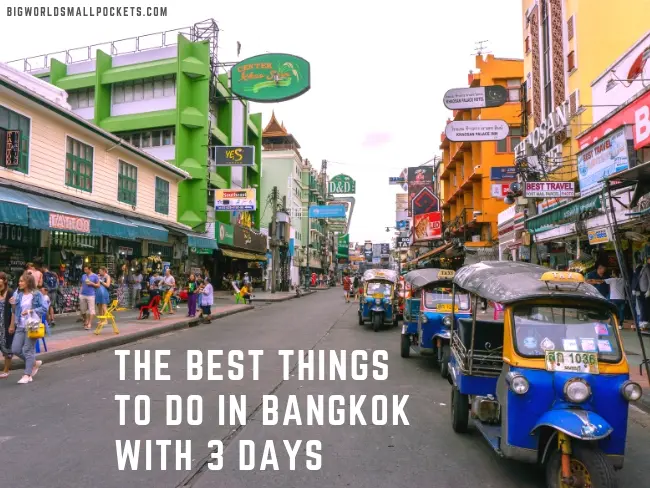
Fast-paced, fiery and furious, brash Bangkok isn’t everyone’s cup of tea!
And I can understand that.
Landing here, to take in your first experience of Southeast Asia like many people do, can be something of a baptism of fire.
But hang in there, because despite its rough exterior, Bangkok is unapologetically real and unremorsefully brazen – a city that won’t allow itself to be judged and won’t judge in return.
And once you accept this fact, and take everything as it is, without comment or question, Bangkok’s confronting style gets right under your skin.
As does its pollution! Ha! Although that said, there are better times to visit when the pollution is lower – learn more in this article!
Anyway, pollution chat aside, let’s press on people – here’s the best things to do in Bangkok in 3 days.
And if, at the end of this article, you’re interested in visiting Bangkok, be sure to check out flights from Singapore to Bangkok for deals that are irresistibly cheap!
Related Posts
- Best Place to Stay in Bangkok: Found
- Can’t Miss Things to Do in Krabi, Thailand
- Perfect Southeast Asia Packing List
Day 1; Wat Mahathat, Grand Palace, Wat Pho & Wat Arun
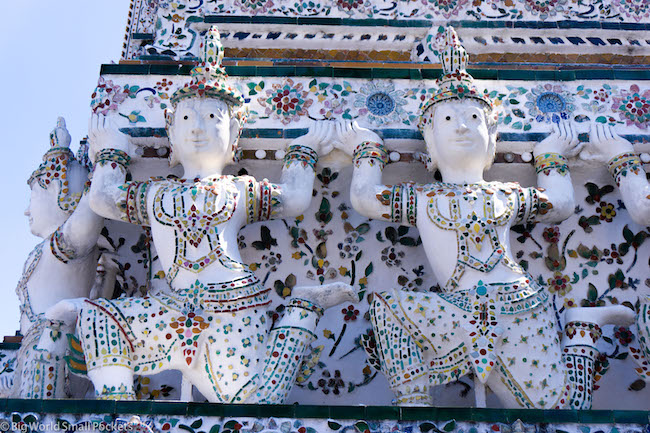
Let’s call day 1 in Bangkok temple day, or tourist day, whichever you prefer (ha!) because this is the day to tick off all those amazing religious and spiritual sights in Bangkok.
I advise starting this list of the best things to do in Bangkok in 3 days early to avoid the heat and the crowds (before the tour bus herds arrive) and to ensure you can cram in as much of the following as possible!
And on that motivating note, I suggest you begin at Wat Mahathat, one of the oldest temples in the city and an important site of monastic study even today.
Next door is Bangkok’s largest amulet market. Held every Sunday, it’s worth checking out if you have time.
After that, continue south onto the biggest complex of your temple day – The Grand Palace. This spot also has the biggest price tag to match at 500 THB, but really is quite spectacular.
Despite the tourist numbers, you can easily pass a few hours in this huge site, which includes the famous Temple of the Emerald Buddha – the most sacred temple in Thailand.
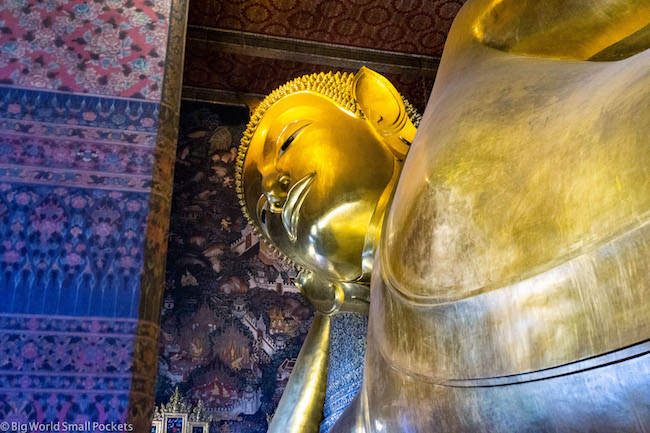
After this, stroll out to snap the icon Giant Swing, built in 1784, before hitting up another classic temple landmark in Bangkok – that of Wat Pho (entrance 200 THB) to see the giant reclining Buddha, and when I say giant, I mean giant!
Next, it’s time to head directly across the river to see my favourite temple of them all – Wat Arun (entrance 50 THB) – before taking a river taxi down the water to China Town.
Spend the rest of the afternoon exploring the historic markets on foot in this part of Bangkok, as well as one last temple (in the form of the Golden Buddha Temple, 40 THB entrance) if you can stomach anymore!
Finish your day with sunset from the Golden Mountain Temple or alternatively hit the Khao San Road, if you truly want to see the worst of what Bangkok has to offer!
TOP TIP: Rules for visiting the temples include both males and females having their shoulders and knees covered but, despite what many guidebooks say, flip flops / sandals are ok, as are long shorts that come to the knee and T-shirts that cover shoulders but not the whole arm.
Learn more in my ultimate Thailand packing list, which gives advice on this very subject.
Day 2: Explore Ari, Jim Thompson House & Lumphini Park
If you are staying at the Mercure Bangkok Sukhumvit 11, this next day of sightseeing is particularly easy.
The hotel is around a 5 minute walk from Nana BTS station, giving you convenient access to Bangkok’s fast, inexpensive and air-conditioned Skytrain network.
Trust me, that final detail becomes increasingly important once Bangkok’s heat and humidity kick in.
Begin your morning by taking the BTS Sukhumvit Line directly from Nana to Ari.
Once a relatively quiet residential neighbourhood, Ari has developed into one of Bangkok’s coolest creative districts, filled with independent coffee shops, speciality bakeries, street food stalls and fashionable restaurants.
It offers a completely different atmosphere from the temples, shopping centres and traffic-packed streets of central Bangkok.
Spend an hour wandering around Ari Soi 1 and Ari Soi 2, stopping for coffee and breakfast along the way.
One of my favourite places in the area is LaLiart Coffee, a relaxed café known for its speciality coffee and leafy surroundings.
Opening hours and its precise location have changed over time, so check its latest social media information before visiting.
Alternatively, simply follow your nose around Ari. You will rarely be more than a few minutes from excellent coffee, Thai snacks or an enticing brunch menu.
After exploring Ari, return to the BTS and travel south towards Siam. Change at Siam station for the Silom Line and ride one stop to National Stadium, the closest BTS station to the Jim Thompson House Museum.
Hidden among tropical gardens beside one of Bangkok’s canals, the museum feels remarkably peaceful considering its central location.
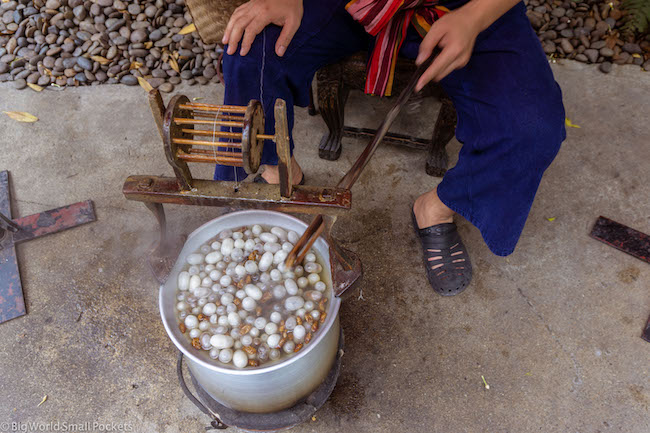
It was once the home of Jim Thompson, an American businessman who helped revive Thailand’s silk industry during the 1950s and 1960s.
Thompson combined six traditional Thai teak houses to create the property, filling them with Southeast Asian art, antiques, ceramics and religious objects.
His mysterious disappearance in Malaysia in 1967 adds another intriguing layer to the story. It remains unsolved to this day, which naturally makes the house even more fascinating.
Entry currently costs 250 THB for adults, while visitors aged 10 to 21 pay 150 THB with identification. Children under 10 can enter free when accompanied by an adult.
Visits to the main house are conducted as guided tours, which are available in several languages.
The museum is open daily from 10am until 5pm, with the final tour beginning at 5pm.
Allow approximately 90 minutes to explore the house, gardens and adjoining art centre. Check the latest information on the official Jim Thompson House website.
From here, return to National Stadium station and take the BTS Silom Line via Siam to Sala Daeng. Lumphini Park is approximately a 10 minute walk from the station.
Often described as Bangkok’s answer to Central Park, Lumphini provides some very welcome breathing space in the middle of this wonderfully chaotic city.
Its shaded paths, lawns and large artificial lake make it an excellent place to spend a slower afternoon.
You can follow the walking and cycling paths, hire a pedalo, enjoy a picnic or simply find a shady bench and watch local life unfold. Keep an eye out for the park’s enormous monitor lizards too. They may look alarmingly prehistoric, but they generally keep to themselves.
Late afternoon is an especially pleasant time to visit, when the temperature begins to drop and local residents arrive to jog, exercise and join outdoor fitness classes. Entry to Lumphini Park is free, making it one of the best budget friendly things to do in Bangkok.
When you are ready to leave, complete your day with a ride in one of Bangkok’s iconic tuk-tuks.
Always agree on the fare before getting in and be wary of suspiciously cheap journeys that include an unwanted stop at a tailor, jewellery shop or travel agency. A short tuk-tuk ride is great fun. An improvised retail tour, somewhat less so.
Ask your driver to take you towards Siam, where you can finish the day exploring some of Bangkok’s biggest shopping centres.
Siam Paragon offers high-end shops and a huge food court, while Siam Center and Siam Discovery have more contemporary Thai and international brands. For affordable fashion and souvenirs, continue to MBK Center, where bargaining is still possible at some independent stalls.
Bangkok’s malls are also excellent places to eat without spending a fortune. Head to one of the food courts, load money onto a payment card and choose from inexpensive Thai dishes such as pad kra pao, noodle soup, mango sticky rice or freshly prepared curries.
After dinner, take the BTS Sukhumvit Line directly from Siam back to Nana.
From there, it is only a short walk to the Mercure Bangkok Sukhumvit 11, completing a varied day of cool cafés, Thai heritage, green spaces, shopping and street-level Bangkok adventure.
Day 3: Floating Market, Maeklong Railway Market & Massage
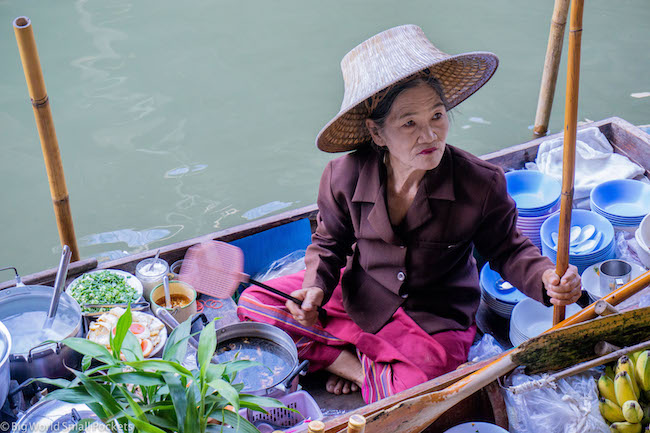
On your last day of this itinerary of the best things to do in Bangkok in 3 days, it’s time to get out of the city to enjoy some of the great market and local life around.
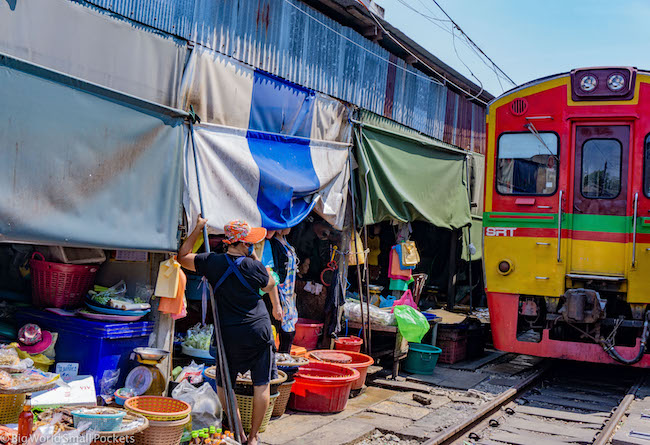
Highly recommended are one the many tours offered by TakeMeTour, who specialise in local market, temples, cycling and cooking trips within and around Bangkok.
Essentially operating as a huge independent marketplace, this great online resource connects local tour providers with tourists in a safe, sophisticated and professional way.
With a huge range of tours on offer, each making its itinerary clear, catering for dietary requirements and setting a fair price, this is a great forum for providing value and security for travellers, whilst also helping local independent operators.
My tour to see the beautiful Bangkok floating markets and Maeklong Railway Market with TakeMeTour was absolutely brilliant, with my fabulous guide (who spoke English perfectly and couldn’t do enough to help me) imparting tons of information that I never would have been able to learn otherwise.
I was picked up for the tour early from outside the Mercure Bangkok Sukhumvit 11 and dropped back there in the afternoon, which made the whole experience incredibly stress-free and easy – just what jetlagged me needed!
The tour also included lunch at a traditional restaurant, as well as some great photo opps and the chance to enjoy a real sense of local life – honestly, it was brilliant!
Then, after 3 busy days seeing all the best things to do in Bangkok, it’s time to relax, and what better way than with an amazing Thai massage.
Personally, I highly recommend Healthlands Resort and Spa.
Situated right near the BTS Asok station in Sukhumvit, the 2 hour incredible traditional massage I received here cost just 600 THB and is, without question, one of the best things I’ve ever spent money on in my travel career!
And With an Extra Day in Bangkok…
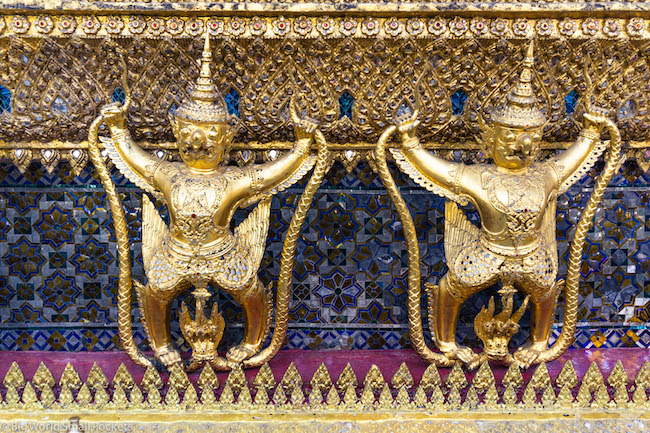
If you can wrangle four days for your Bangkok itinerary, I highly recommend using the final day to visit Ayutthaya, Thailand’s magnificent former capital.
Located approximately 80km north of Bangkok, Ayutthaya was founded around 1350 and became the second capital of the Siamese Kingdom after Sukhothai.
At its height, it was one of the largest and most cosmopolitan cities in the world, serving as an important centre for international trade, diplomacy and religion.
The city flourished for more than 400 years before being attacked and largely destroyed by the Burmese army in 1767.
Today, its surviving monasteries, enormous prangs, Buddha statues and crumbling red-brick temples form the UNESCO-listed Ayutthaya Historical Park.
A day trip to Ayutthaya is a must if you enjoy history, architecture, photography and impressive temples. Or, ideally, all four!
What to See in Ayutthaya
The historical park is spread across a large area, so do not attempt to visit every temple in a single day. Temple fatigue is real, especially when you add Thailand’s midday heat to the equation.
Instead, concentrate on 3 or 4 of Ayutthaya’s most important sites:
- Wat Mahathat is famous for the serene stone Buddha head entwined within the roots of a banyan tree. It is one of the most recognisable images from Ayutthaya, so arrive early if you want to photograph it before the tour groups appear.
- Wat Phra Si Sanphet was once the most important temple within the former Royal Palace complex. Its three elegant chedis are among the best-preserved and most photographed structures in the historical park.
- Wat Ratchaburana is known for its towering central prang and remarkably detailed stonework. It was built in the 15th century on the site where two royal brothers reportedly died while fighting over the throne. Families, eh?
- Wat Chaiwatthanaram sits beside the Chao Phraya River and is one of Ayutthaya’s most dramatic temple complexes. Visit towards the end of the afternoon, when the softer light makes the temple particularly photogenic.
If you have time, add Wat Yai Chai Mongkhon, where you can see a large reclining Buddha and climb part of the way up the temple’s impressive central chedi.
How to Get Around Ayutthaya
Ayutthaya’s main attractions are scattered around the old city, so comfortable footwear is essential. Some temples are close enough to combine on foot, but you will need transport to reach the more distant sites.
Hiring a bicycle is one of the cheapest and most enjoyable ways to explore, particularly during Thailand’s cooler months. However, cycling beneath the fierce midday sun may lose its charm surprisingly quickly.
A tuk-tuk is the easiest alternative. Drivers generally offer temple circuits lasting several hours, although you should agree on the itinerary, duration and total price before setting off. If you prefer more context, book a guided tour from Bangkok that includes transport and a local guide.
Whichever option you choose, bring plenty of water, sun cream and a hat. Most of Ayutthaya’s ruins are exposed, with limited shade available inside the historical park.
How to Get from Bangkok to Ayutthaya
The train is the classic budget option for travelling independently from Bangkok to Ayutthaya. Services depart from Bangkok’s main railway terminals and usually take between one and two hours, depending on the train. Check current departure times and stations before travelling, as Bangkok’s rail services do not all leave from the same terminal.
Ayutthaya railway station is located outside the main historical island. From the station, you can take a short ferry crossing or use a tuk-tuk to reach the central temple area.
Alternatively, minivans connect Bangkok with Ayutthaya and can be slightly quicker, although journey times depend heavily on traffic. They are inexpensive but may feel cramped if you are carrying luggage.
For the easiest experience, join an organised Ayutthaya day tour from Bangkok. These usually include hotel pick-up or central transport, entrance to several temples and a guide who can explain what you are looking at. Some tours return to Bangkok by boat along the Chao Phraya River, providing a relaxing end to the day.
What to Wear in Ayutthaya
Although many of Ayutthaya’s temples are ruins, they remain culturally and religiously important. Wear clothing that covers your shoulders and knees, and be prepared to remove your shoes when entering active places of worship.
When photographing the Buddha head at Wat Mahathat, crouch or sit so your head remains lower than the Buddha’s. Turning your back on a Buddha image for a selfie can also be considered disrespectful.
Where to Eat in Ayutthaya
Allow time for lunch rather than racing between ruins. Ayutthaya is famous for its enormous grilled river prawns, although these are not necessarily the cheapest choice.
For something more budget-friendly, try a bowl of boat noodles. These small servings of rich, aromatic noodle soup are an Ayutthaya speciality and are ideal if you want to sample several bowls without spending much.
Finish with roti sai mai, Ayutthaya’s famous sweet snack made from fine strands of coloured sugar wrapped inside a thin roti. It looks rather like candy floss having a particularly stylish day out.
Ayutthaya can be visited independently without spending a fortune, yet it adds an entirely different dimension to a Bangkok itinerary. After three days of markets, malls, parks and busy city streets, its atmospheric ruins offer a fascinating glimpse into the Thailand that existed long before modern Bangkok was established.
Where to Travel After Bangkok: Chiang Mai
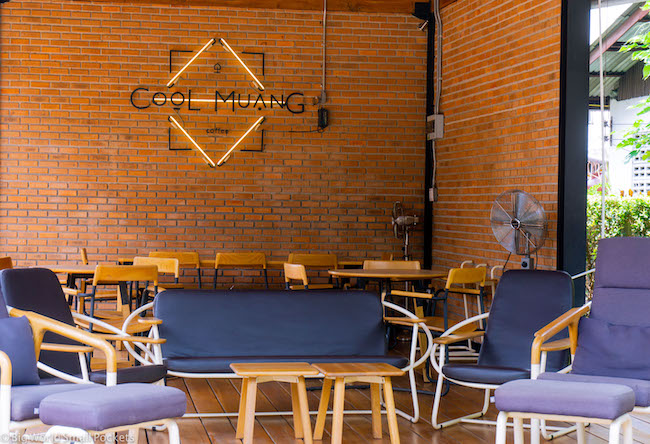
After several energetic days in Bangkok, Chiang Mai makes an excellent next stop on your Thailand itinerary.
Located in the mountainous north of the country, Thailand’s second city offers a noticeably slower pace, cooler evenings and a more relaxed atmosphere than the capital.
Chiang Mai’s historic centre is surrounded by an old moat and sections of its original city walls.
Inside, you will find hundreds of Buddhist temples, affordable guesthouses, independent cafés, massage centres and excellent places to eat. Wat Chedi Luang, Wat Phra Singh and the mountaintop Wat Phra That Doi Suthep are among its essential sights.
The city is also one of Thailand’s best destinations for night markets and street food.
Do not miss the Chiang Mai Night Bazaar or the Sunday Walking Street, where you can shop for locally made crafts while steadily eating your way through northern Thai specialities. Look out for khao soi, a rich coconut curry noodle soup that is worth travelling north for all by itself.
Try to allow at least 4 or 5 days in Chiang Mai. This gives you enough time to explore the Old City, visit Doi Suthep, take a Thai cooking class and enjoy a day trip into the surrounding mountains.
Just make sure any elephant experience you book is genuinely ethical and does not offer riding, bathing or forced interaction.
Once you arrive, continue planning your visit with my guide to the best things to do in Chiang Mai.
You can travel from Bangkok to Chiang Mai by overnight sleeper train, long-distance bus or domestic flight.
The sleeper train is the most atmospheric option and saves you the cost of a night’s accommodation, while flying is best if your time is limited.
Overnight buses are often the cheapest choice, but book a reputable service for a more comfortable journey.
Compare current schedules, journey times and ticket prices at 12Go.
Best Place to Stay in Bangkok
As opposed to staying on or near the Khao San Road, which is honestly one of the worst places I’ve ever had the pleasure of spending a full 3 minutes before I turned on my heels and fled, can I suggest you stay in the Sukhumvit area of Bangkok instead.
Very tourist-friendly with excellent transport links across the city, this place is full of great restaurants, bars, cafés, malls, massages, amenities and services.
Having stayed there myself as a solo female, I can definitely say I felt a lot safer there walking around at night by myself than anywhere else, and there’s an excellent choice of accommodation in this bustling part of the city too.
And when it comes to my recommendations, especially if you want to treat yourself, then look no further than the Mercure Bangkok Sukhumvit 11.
Ideally located, with huge, clean and comfortable rooms (some of which include a bath!) and some of the most helpful staff I’ve ever encountered, this place is an absolute haven amongst the hustle and bustle of Bangkok.
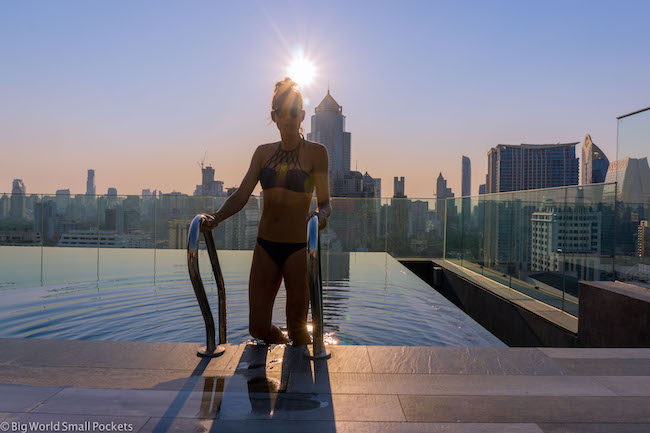
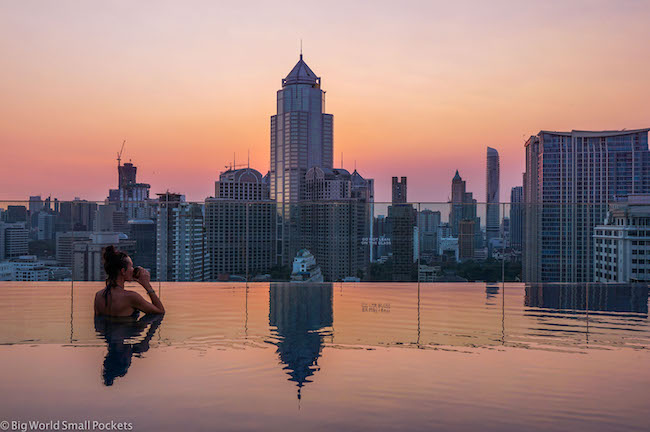
The gorgeous pool and daybeds are a dream when you need to relax away from the sweat and urban chaos of the city, and the bar and several restaurants onsite here will make your stay easy, convenient and stress-free.
Honestly, I absolutely loved my stay here and would return in an instant, which is why I can’t recommend the Mercure Bangkok Sukhumvit 11 enough if you’re looking to enjoy this city in chilled style!
5 Packing Essentials for Bangkok
#1 Guidebook
The Bangkok Lonely Planet is excellent and very helpful for any trip to this city with lots of top tips and recommended things to do.
#2 Walking Shoes
There’s likely to be a lot of walking in Bangkok especially as the traffic here can be bad! As such, I advise packing a pair of good runners, like these New Balance trainers, which are perfect for city strolling.
#3 European & British Power Adapters
Bangkok has a mixed range of power outlets, but generally opts for a combination of the European and British ones, so make sure you come prepared with a Skross world adapter.
#4 Camera and Lens
I love my Sony A6000 mirrorless, which was ideal for capturing this crazy capital.
#5 Travel Scarf
A great multi-purpose packing item, a travel scarf can be used to both safely store valuables and cover your shoulders while you explore Bangkok’s temples.
Practical Tips for Visiting Bangkok
When to Visit?
November through February are the best months to visit Bangkok, when it’s dry and not too humid.
Getting There
Bangkok Airport offers direct flights from across the world.
As always, I use Skyscanner to find the best deals.
How Long to Spend There?
I think 3-6 days is a good amount of time in Bangkok.
It’s a big city, with a lot to see and do, but can be quite hectic and tiring after all while!
Travel Insurance
World Nomads offers simple and flexible travel insurance. Buy at home or while travelling and claim online from anywhere in the world.
Alternatively, if you’re a long-term traveller, digital nomad or frequent remote worker seeking travel health cover, check out Safetywing’s Nomad Insurance policies.
eSIM for Thailand
Holafly offer unlimited data eSIMs for France that are perfect for staying connected across the country.
Travel Money
France use the Baht (THB).
I always travel with my Wise card, which makes spending abroad cheaper with real exchange rates and no sneaky transaction or ATM fees – grab yours here.
Luggage Storage
Store your luggage easily in Thailand with LuggageHero.
SAVE THIS ARTICLE TO PINTEREST!

And there you have it, my complete guide to the best things to do in Bangkok in 3 days.
Have you visited the Thai capital?
What was your favourite thing to do in this city?
Do tell me all in the comments box below…
My stay at the Mercure Bangkok Sukhumvit 11 and tour with TakeMeTour were kindly sponsored, but, as always, all views are my own.
This page contains affiliate links meaning Big World Small Pockets may receive a small commission on any purchases at no extra cost to you.

Good tips I’m there for 1 day tomorrow. I think I’ll try day 1, temple day
Sounds like an awesome plan Ramon – it’s probably the best option with only 1 day 🙂
For a real fast and cheap view of Bangkok, I recommend the Skytrain. If you buy a ticket for a few stops down the line, you can ride all the way to the end and return to the stop you purchased the ticket for. The trick is to get out of the train and walk around the platform for a few minutes at each stop. You get an aerial view of each neighborhood that reveals each of the unique flavors that the train fly’s over. And, as long as you don’t leave the platform, your ticket doesn’t get punched, and you can keep traveling. At least for a few hours. I once spent most of the day doing that, and apparently ran out of time. They made me buy a ticket to the end of the line…but, that was still very cheap.
Epic budget tip Paul and a good way to get a feel for this city if you’re short on time. Thanks 🙂
Going to Visit Bankok next week as I don’t know much about it so I was looking for a blog to suggest me the best places to visit there thanks for your recommendations
Thanks for taking the time to comment and delighted you found the blog useul. Enjoy Bangkok. Best, Steph 🙂
I suggest that boat trips Cruise the Chao Phraya River is good. Because you has visited various tourist attractions By the Chao Phraya River or nearby In many places Whether temple Or other tourist attractions There are many place on riverside. It is also fast, without having to encounter traffic jams.
Top tips, thanks! Anything that doesn’t involve a traffic jam in Bangkok is defintely a winner in my eyes! Steph 🙂
I like to stay at the Rambuttri Village Plaza near Khosan Rd because the 1A bus takes you close to it from the airport.The canal taxis boats are a short walk away. The Siamicon new shopping is just a lovely boat trip away.My favorite place to visit is The Safari Park
Great tip Monica. This sounds very central. Personally the Khao San Road and surrounds are an absolute no-go for me, but I understand not everyone dislikes the place as much as me! Thanks for joining the discussion. Best, Steph 🙂
Day 1, is good, days 2 and 3, where you really there. You dont seem to eat? What about jj market
Glad you enjoyed Day 1, Michael! Yes I was there on day 2 and 3 – eating is just not one of the main reasons I travel, so I don’t tend to include a lot in my itineraries on this. Best, Steph 🙂
Steph this is great!
As a female traveller, this is very helpful.
I love how you’ve added a packing guide too, to make sure people don’t forget essential things!
I’ve been to Bangkok before, and now I’m eager to go back with some new info, Thanks!
Ah thanks Bea – glad the article was helpful and hope you enjoy heading to Bangkok some point in the not too distant future 🙂 Best wishes, Steph