


My first trip abroad with a newborn felt like a pretty big moment.
Not because I was attempting anything especially adventurous. In fact, quite the opposite.
What I wanted was the easiest, least stressful, quickest possible route from the UK to France.
Minimal faff, minimal unpacking, no airport queues, no waiting around in the heat and ideally no waking a sleeping baby unnecessarily either.
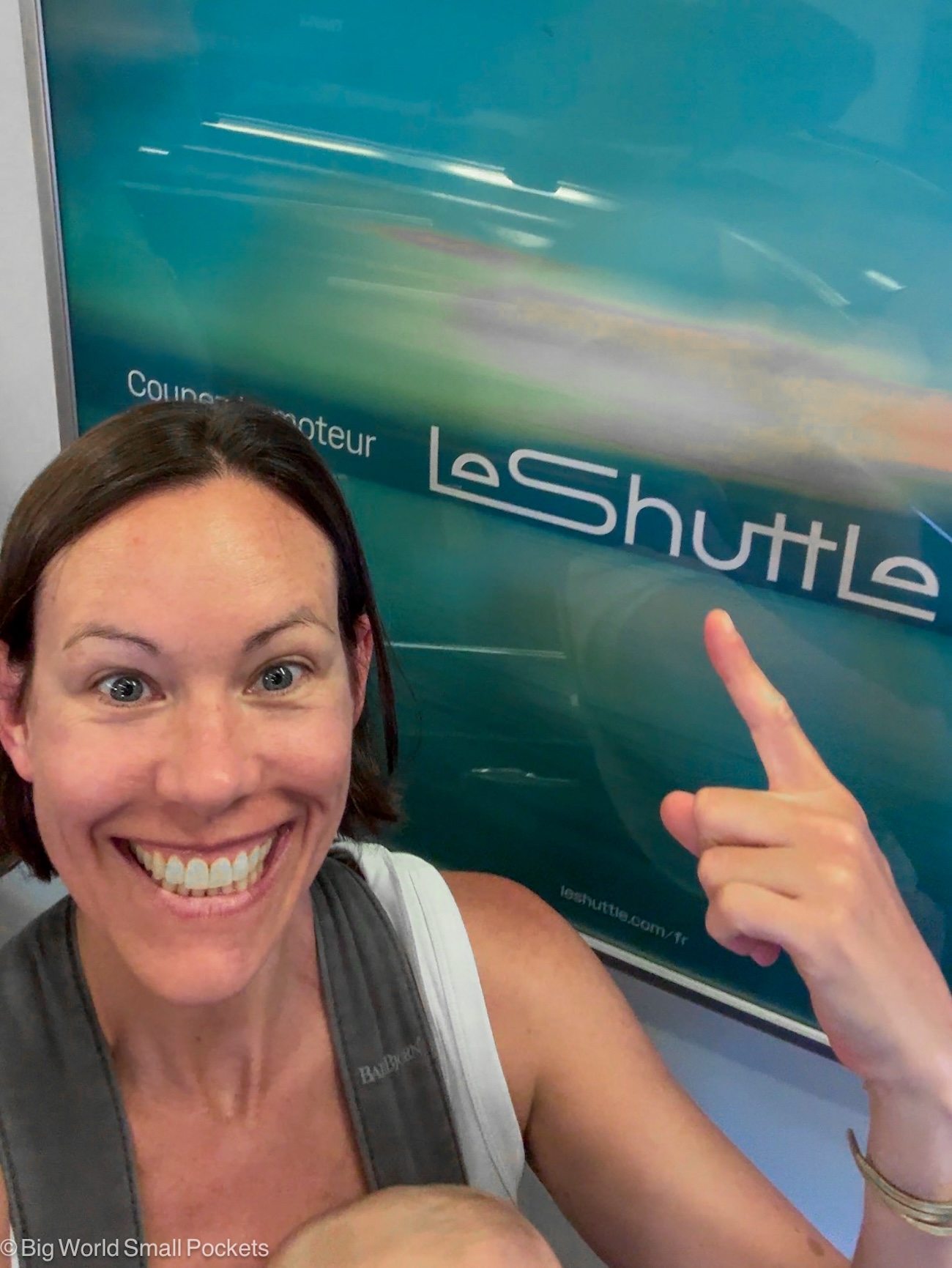
That’s exactly why I chose LeShuttle.
And honestly, for a first family trip with a baby, not to mention a dog in tow, it worked brilliantly.
Within 90 minutes of leaving London, we were already checked in at Folkestone, sitting in an air-conditioned terminal on one of the hottest days of the year, with excellent baby changing facilities, coffee in hand and a surprisingly relaxed child.
The whole experience felt far calmer than catching the ferry. And was far quicker too!
No baggage limits. No loading the car. No seasickness worries. No trying to entertain a newborn in rocking lounges for hours on end.
Instead, we simply drove onto the train, stayed comfortably in our own car for the 35 minute crossing and rolled off into France less stressed than we’d expected to be.
If you’re planning a trip to France with your car (and possibly a baby and a dog too – although I appreciate not everyone is this unhinged!), this guide covers exactly what catching LeShuttle is really like, with money-saving booking tips, how to manage check-in, exactly what it’s like travelling with dog and a child, and how the whole journey stacks up compared to the ferry…
Related Posts
- Skip Pricey Le Touquet, Head to Nearby Saint-Cecile Plage Instead
- Explore the Loire Valley Without the Crowds in Orleans
- Best Things to Do in Kent on a Budget
What is LeShuttle?
LeShuttle is the vehicle train that runs through the Channel Tunnel between Folkestone in Kent and Calais in northern France.
After checking-in and passing immigration, you simply drive your car onto the train, stay inside your vehicle during the crossing, and arrive in France just 35 minutes later.
For families travelling with babies and / or pets, this is honestly a game changer.
No unloading luggage, no trying to entertain a screaming baby on deck during rough seas, just slick and easy connection to the continent in less than an hour.
Why LeShuttle Worked so Well with a Newborn

We travelled on one of the hottest days of the year in the UK (hello 36 degrees in May!) and, honestly, the air-conditioned terminal alone nearly justified the ticket price!
Travelling with babies in extreme heat is stressful enough. The dog also can’t cope.
But the Folkestone terminal felt calm, cool and very well set up for families.
There were…
- Excellent baby changing facilities
- Plenty of seating
- Air conditioning throughout
- Cafes and snack areas
- Easy toilet access
- Clear signage
- Fast-moving queues
Compared to airports, the whole experience felt remarkably low stress.
And the biggest win of all?
You stay with your stuff.
Any parent travelling with a baby knows the sheer amount of gear involved…
- Bottles
- Sterilising kit
- Changing bag
- Pram
- Toys
- Emergency muslins
- Backup emergency muslins
- Snacks for adults surviving on two hours’ sleep
With LeShuttle, everything simply stays in your car.
That alone massively reduced stress levels.
Travelling with Dogs on LeShuttle
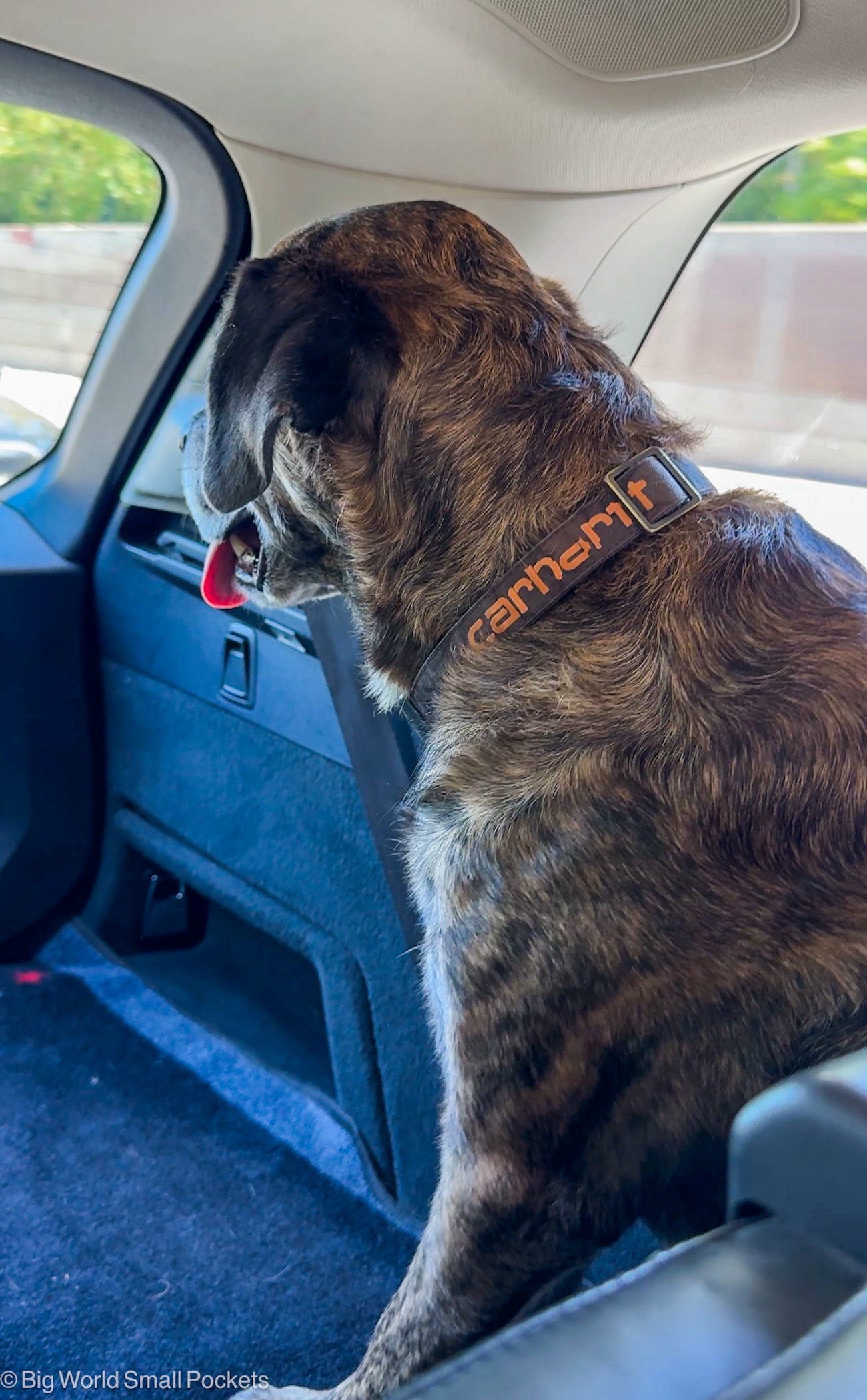
If you’re travelling with a dog too, LeShuttle is even more impressive.
Unlike many ferries where pets may need to stay in the car or designated areas, LeShuttle is genuinely dog friendly.
Dogs are allowed inside the terminal building and there’s even a dedicated walking area near the pet reception zone for them as well.
After a long drive from London, this was incredibly useful.
The process for pet travel was also surprisingly easy.
Pet Check In Process
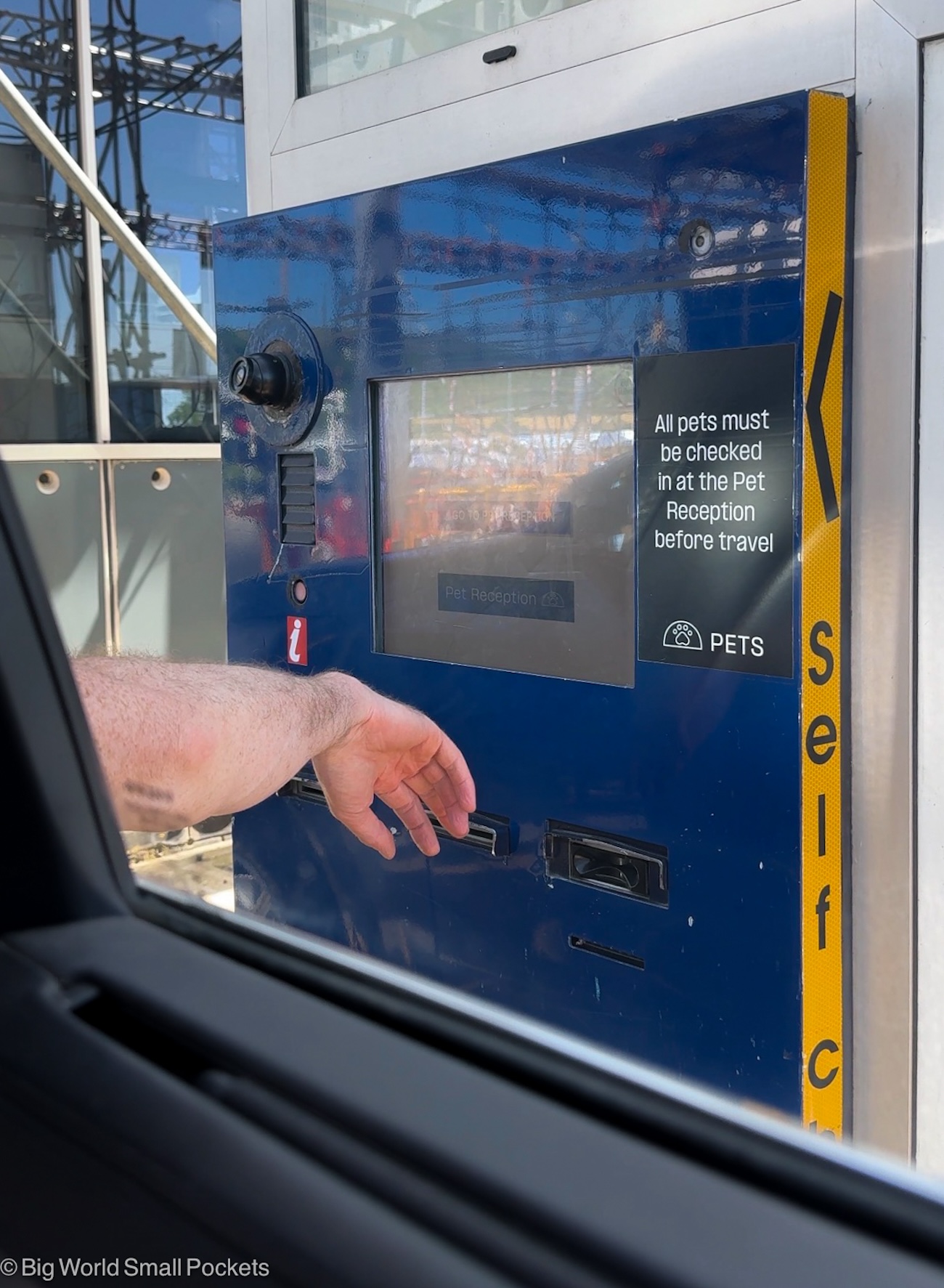
Before boarding, you stop at the Pet Reception building where staff…
- Scan your dog’s microchip
- Check your Animal Health Certificate or EU Pet Passport
- Confirm tapeworm treatment timing
The process took us around 10 minutes and was conducted by incredibly helpful staff, who even put us on an earlier connection because there was availability.
Check the latest requirements for your pet to travel abroad here.
Step-by-Step Guide to Catching LeShuttle
Step 1: Book your Crossing
You can book directly through LeShuttle Official Website.
Here you’ll need to enter the following details
- Date of journey
- Time of crossing
- Vehicle type
- Passenger numbers
- Any add-ons, like a roof box
- Pet travel if relevant
After completing and paying, you’ll then receive a booking confirmation email with your reference number.
Step 2: Arrive at Folkestone Terminal
The terminal is around…
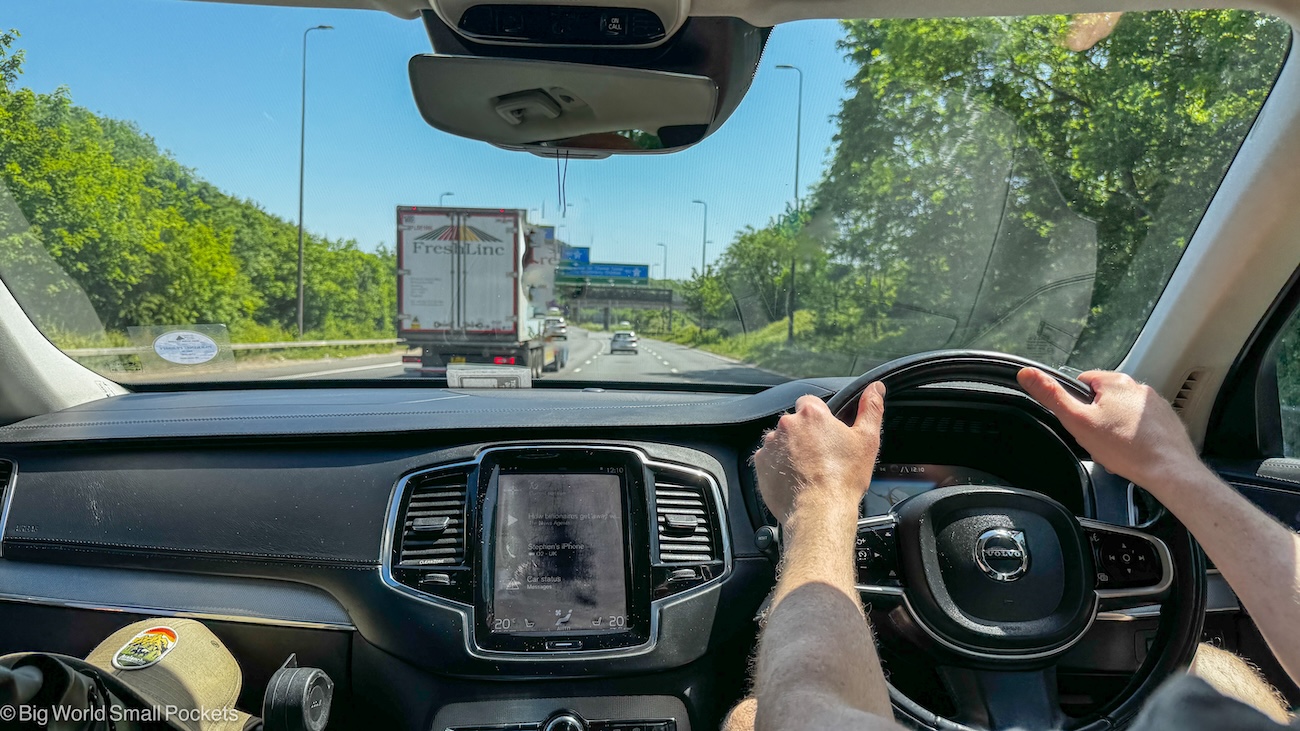
- 1hr 30 mins from London by car
- Just off the M20 motorway
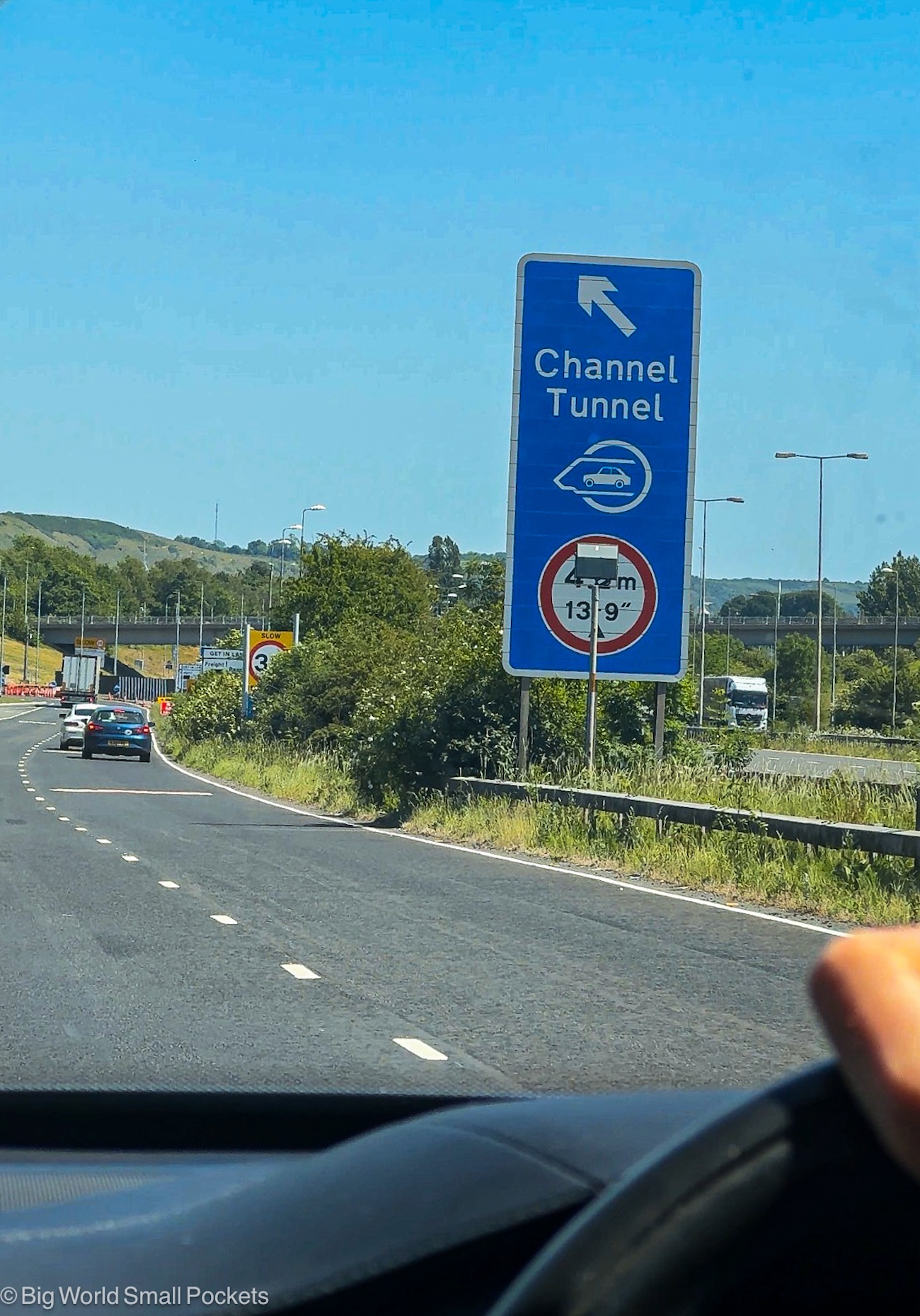
The address for your maps app is LeShuttle Terminal, Ashford Road, Folkestone, Kent.
There’s signs all the way along the motorway and the place is huge, so hard to miss. Our first time there and we found locating it super easy.
I recommend arriving…
- At least 1 hour before departure
- 2 hours in peak summer periods and if you’re travelling with an animal (as the pet check in process adds extra time)
Step 3: Check In
Check-in is incredibly simple.
You drive to the automated booths where…
- Your booking reference or licence plate is scanned
- Your booking is confirmed by the machine
- You receive your hanger/tag, which you place on your rearview mirror.
The whole process usually takes only a few minutes.
Step 3: Passenger Terminal + Pet Reception
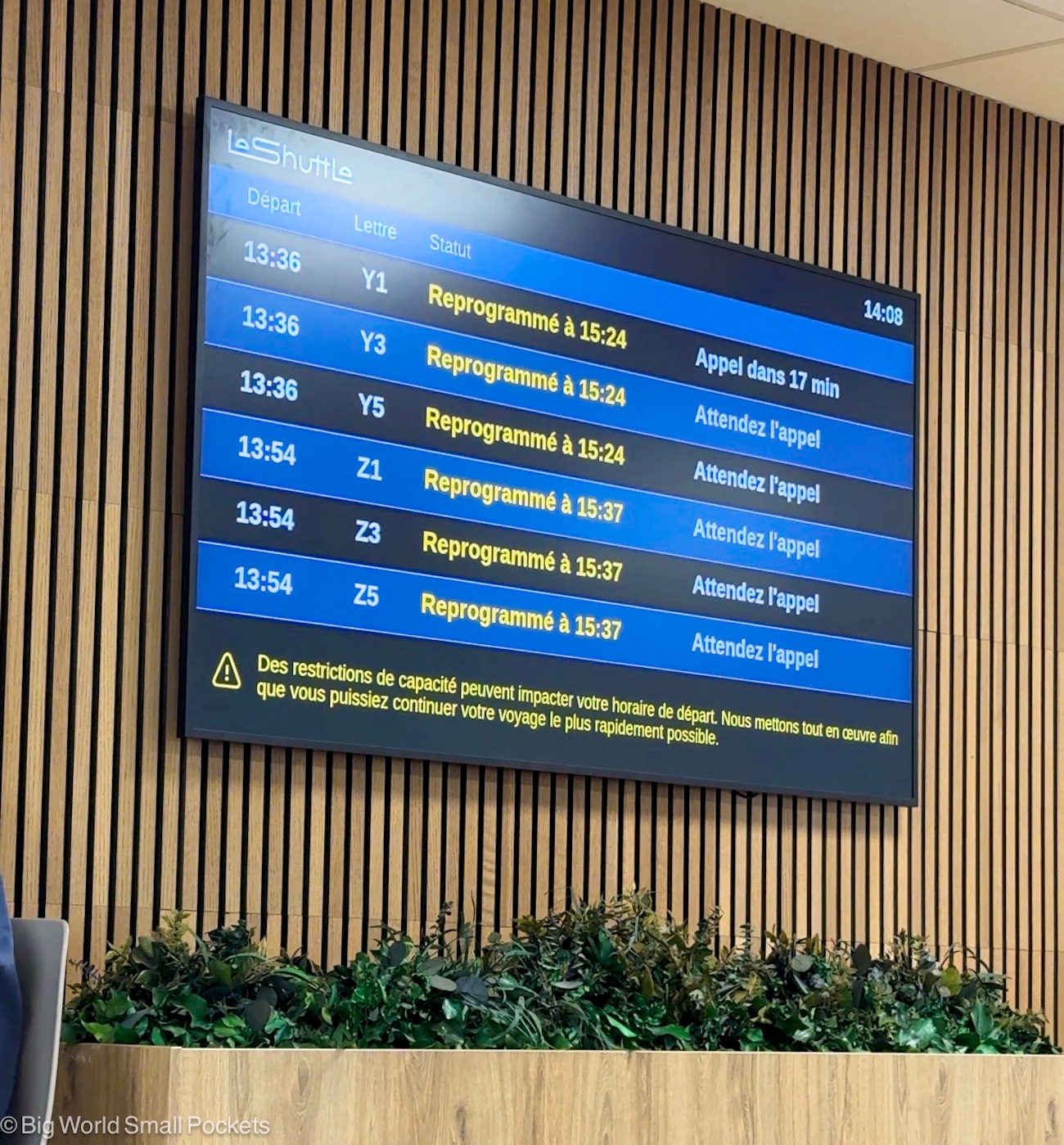
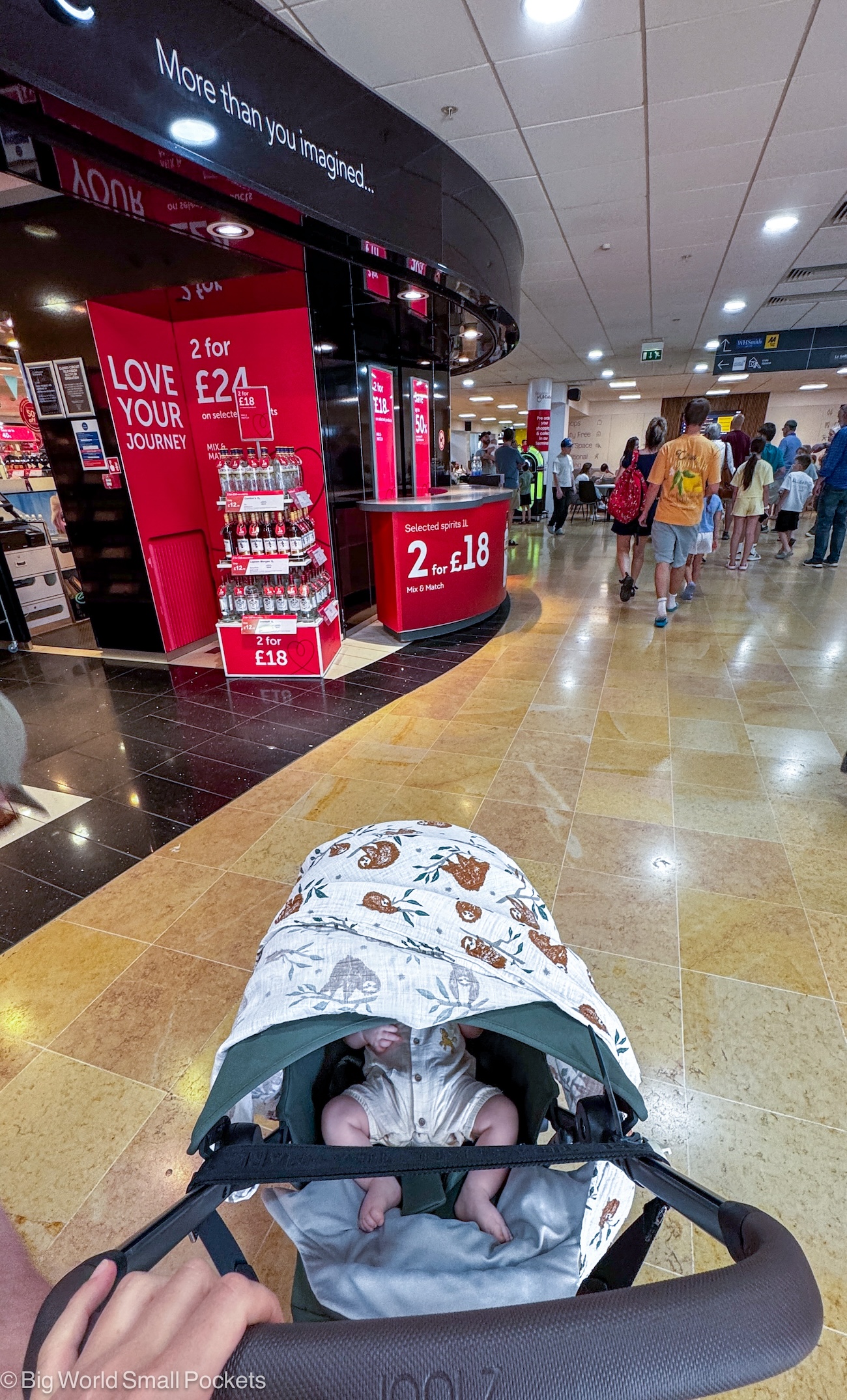
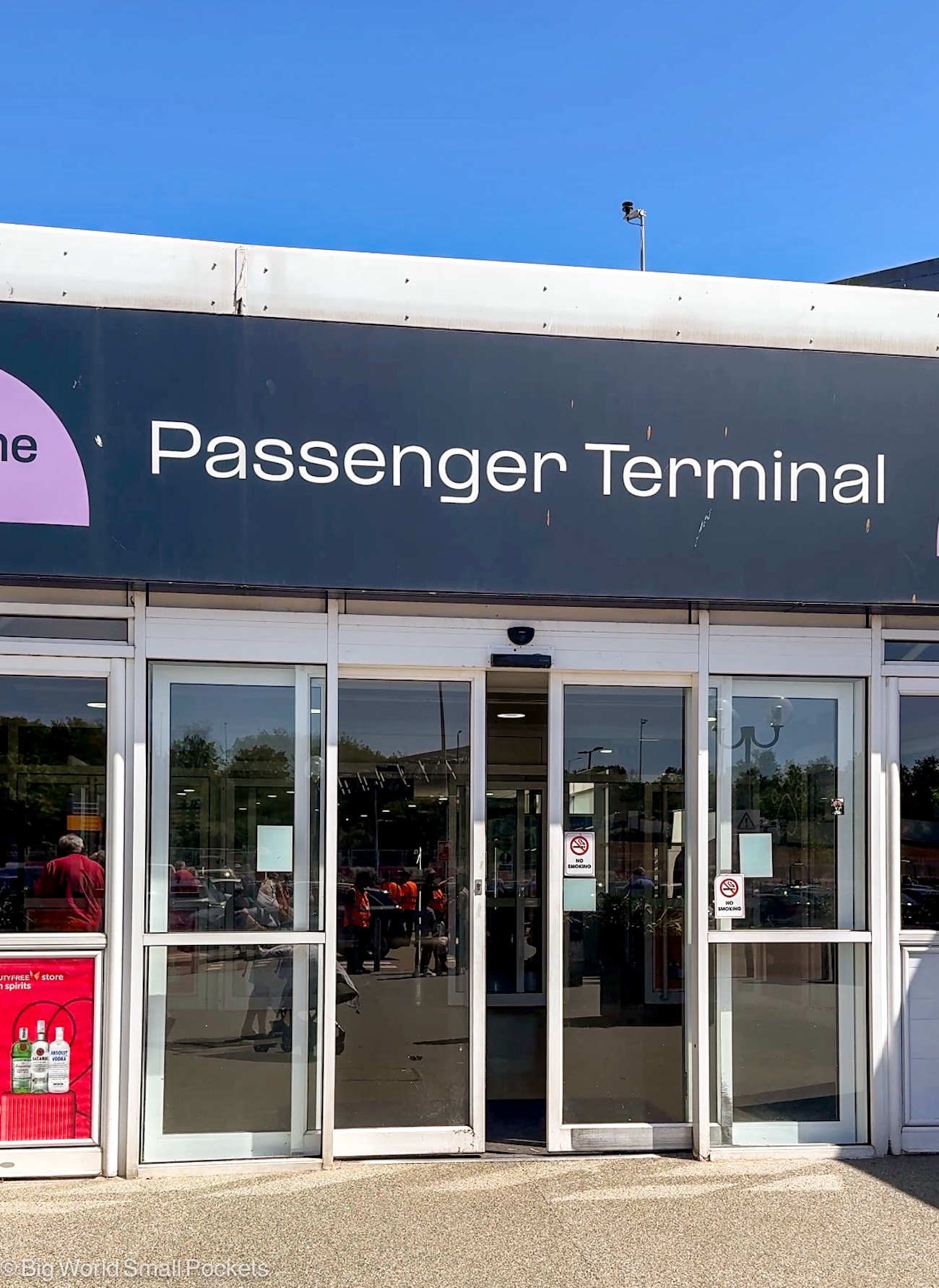
After checking in, you then drive to the Passenger Terminal, park up, head inside and wait for your departure to be called.
At Folkestone, the terminal facilities include…
- Toilets
- Dedicated and excellent baby changing
- Food outlets
- Pet exercise areas
- Air-conditioned seating
- EV charging
- Duty free shopping
On the hot day we were there, this area felt like a much welcomed relief.
If you’re travelling with a dog, the Pet Reception is located right next to the Passenger Terminal, so head there first to get your four-legged friend booked in too.
This is where you’ll need to present your animal docs.
Your pets can them join you in the Passenger Terminal or head to the nearby Pet Walking area to stretch their legs.
Step 4: Border Control
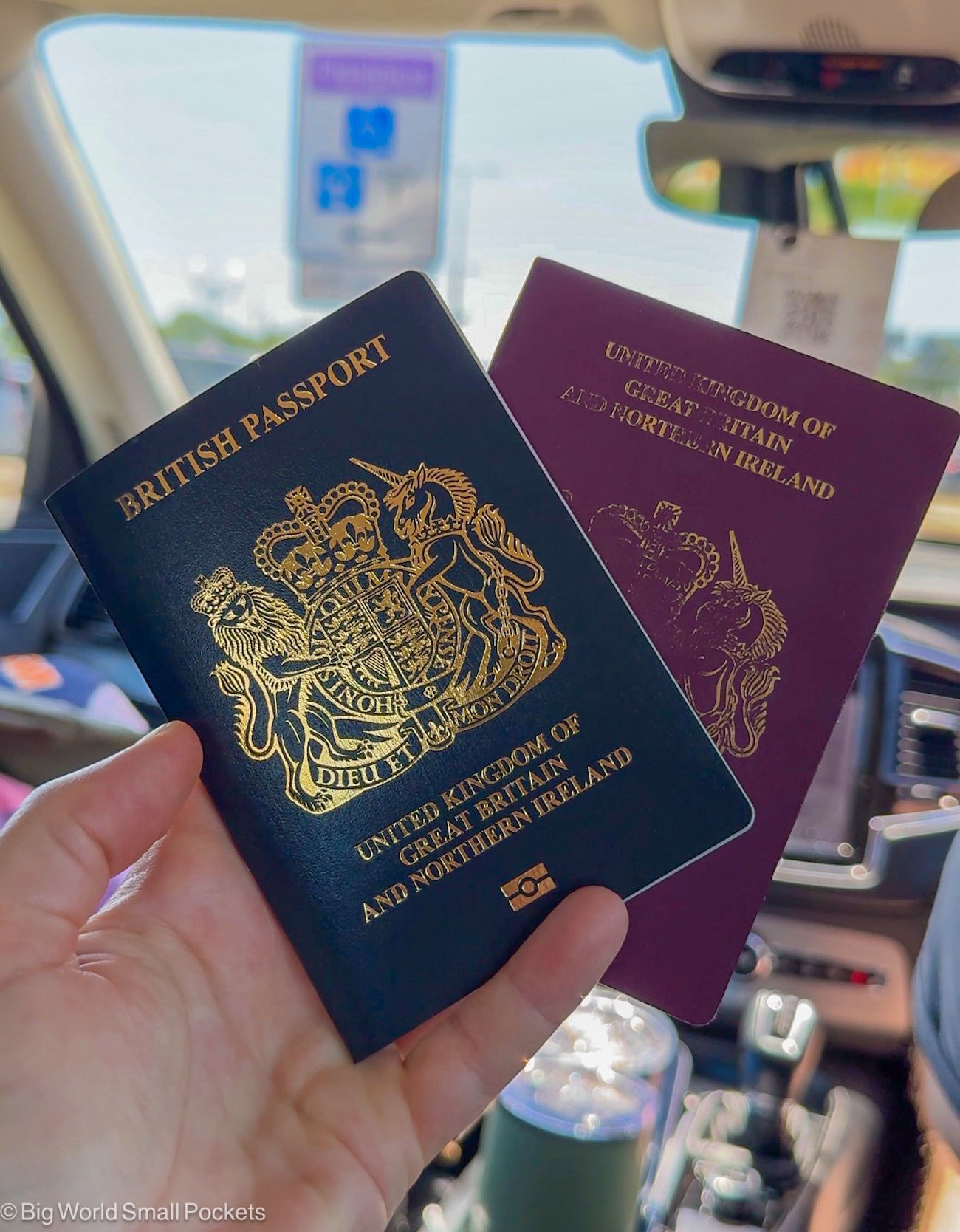
After your departure is called, you return to your vehicle and drive through both the UK border exit and French passport control.
This is the place to show your passports, including those of your baby.
Like with the Eurostar, for LeShuttle, French immigration happens before boarding in the UK.
Meaning once you arrive in Calais, you can drive straight off into France immediately.
Step 5: Holding Lanes
This is where your sat in your car waiting to board the train.
The lanes are organised by car type.
With a roof box attached to an SUV we qualified for the high vehicle area.
Mercifully, for families, there are great baby changing and toilet faculties here too.
Step 6: Boarding the Train
When boarding opens, staff direct vehicles.
You simply…
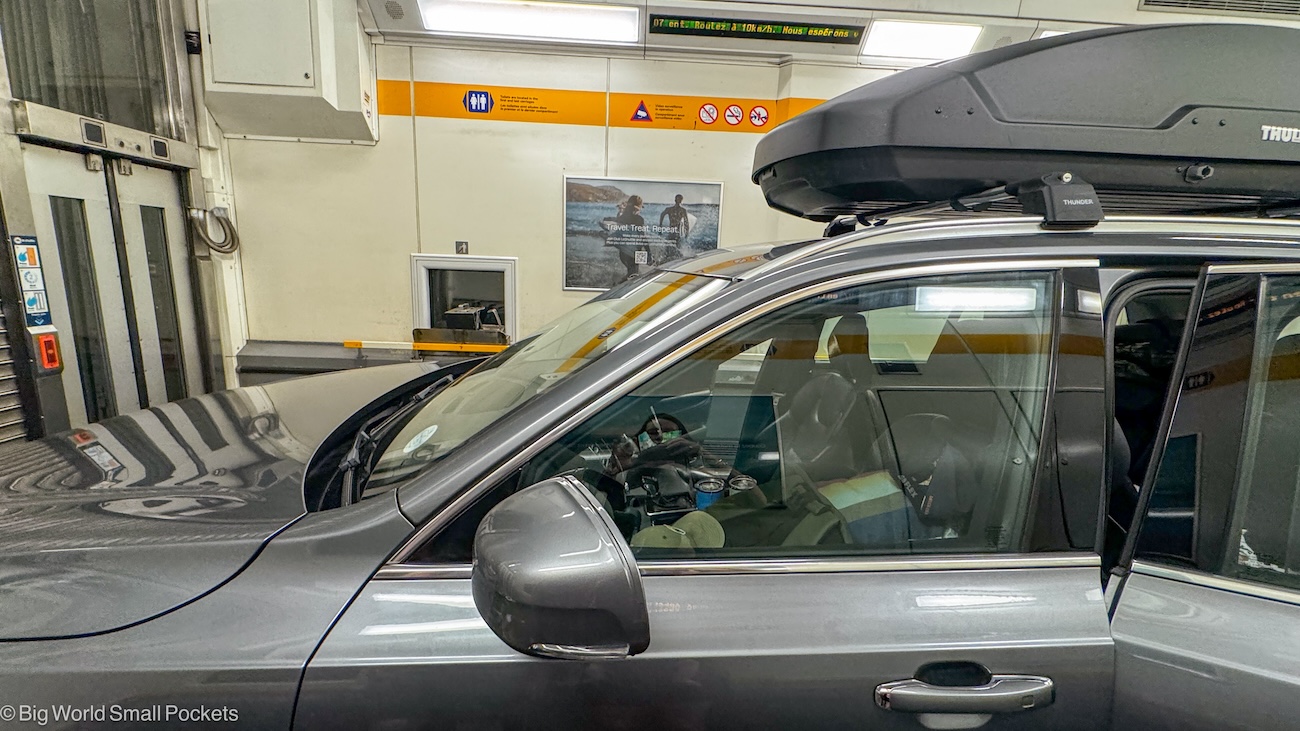
- Drive onto the train
- Park your car
- Apply handbrake
- Stay inside your vehicle
That’s it. Attendants will help you secure your car too.
No complicated loading process.
No hauling luggage around.
And because you stay in your own car, babies and pets can remain…
- In car seats
- Sleeping comfortably
- Surrounded by familiar things
For us, this made a huge difference.
Alternatively, if you’re little one does need to be rocked to sleep, or walked to the toilet, you can get out of the train and use the narrow strip of galley next to your car to get them off to sleep in a carrier, or to take a walk to the WC.
What the Crossing is Actually Like
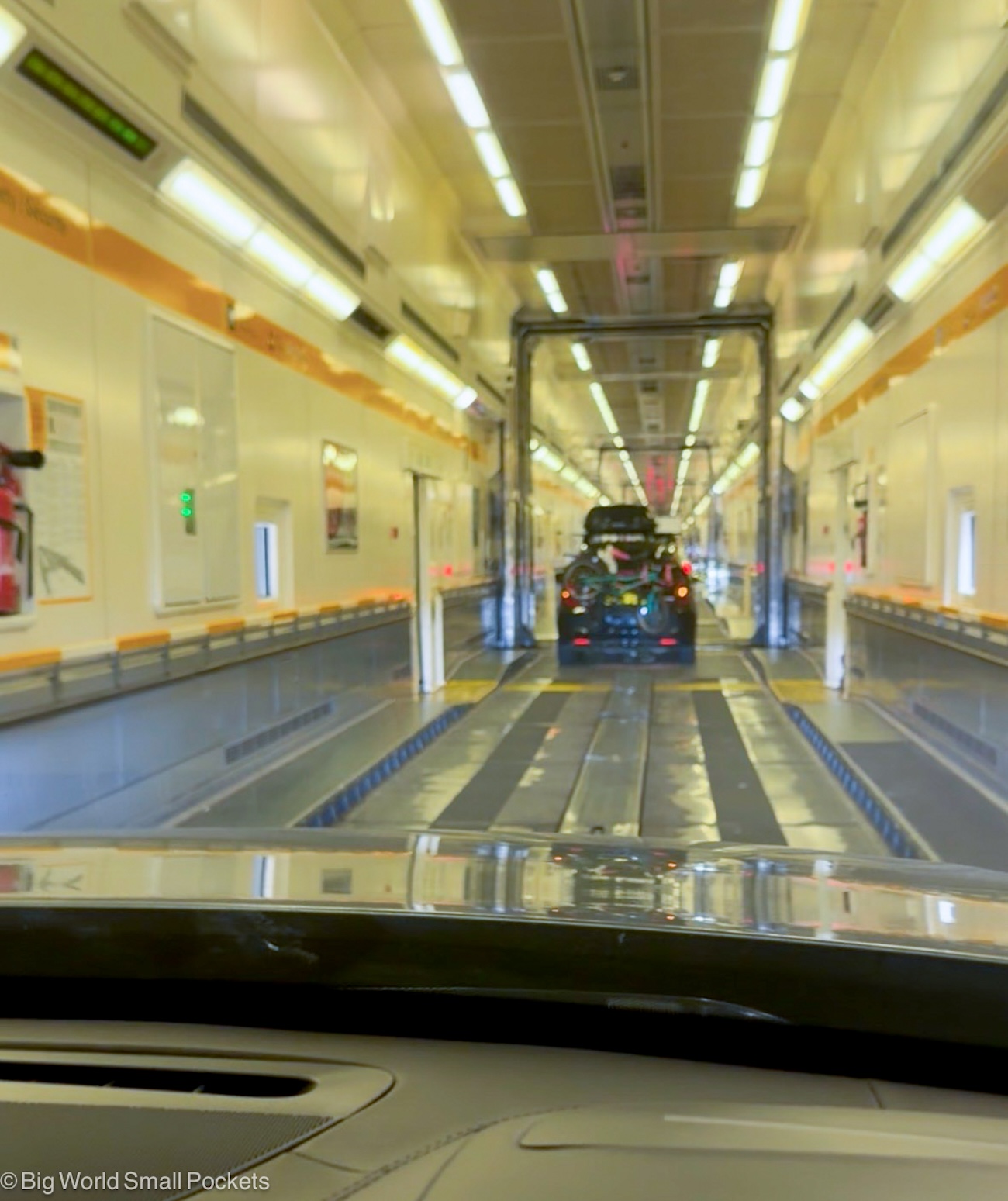
The LeShuttle crossing itself is fast and surprisingly uneventful.
You remain in your vehicle, or alongside it throughout.
You can:
- Use your phone
- Read
- Feed baby
- Relax
- Get out to stretch legs alongside vehicle
The carriages are ventilated and temperature controlled – thank goodness!
After about 35 minutes, an announcement tells you to return fully to your vehicle and prepare to drive off.
Then suddenly… you’re in France.
Honestly, the speed of it feels faintly ridiculous.
Top Tip: Have your app maps loaded and ready to go, so as soon as you get off the LeShuttle, you know where you are headed – you’ll join the motorway quickly, so be prepared!
I recommend using an HolaFly eSIM, which you can set up in advance, so you can be assured of unlimited, working data (and maps!) as soon as you hit French soil.
LeShuttle vs Ferry With a Baby
Here’s my honest comparison…
| Feature | LeShuttle | Dover-Calais Ferry |
|---|---|---|
| Crossing Time | 35 mins | 90 mins |
| Stay in Car | Yes | No |
| Seasickness Risk | None | Possible |
| Baby Convenience | Excellent | More difficult |
| Dog Facilities | Very good | Varies |
| Cheapest Price | Usually higher | Usually cheaper |
| Weather Impact | Minimal | Can be rough |
| Stress Levels | Lower | Higher |
For pure budget travel, ferries are usually cheaper.
But travelling with a newborn shifted my priorities dramatically.
The reduced stress, speed and simplicity made LeShuttle worth paying more for.
Plus there are some good ways to get cheaper crossings with LeShuttle too.
How to Get Cheaper LeShuttle Tickets
LeShuttle can be expensive if booked last minute.
But there are definitely ways to reduce costs.
#1 Book Early
This is the single biggest saving trick.
Prices rise sharply closer to departure dates, especially if you’re travelling during…
- School holidays
- Summer weekends
- Bank holidays
Booking 2 to 4 months ahead often gives the best fares.
#2 Travel Midweek
Tuesday to Thursday crossings are usually cheaper than…
- Fridays
- Sundays
- Saturday mornings
#3 Choose Off-Peak Times
Cheapest crossings are often…
- Late evening
- Early morning
- Overnight
Peak daytime crossings cost much more.
#4 Use Tesco Clubcard Vouchers
This is one of the best genuine savings hacks.
Tesco Clubcard points can be converted into LeShuttle vouchers.
Get more details here.
#5 Collect Avios
You can also collect Avios points on LeShuttle bookings.
Official details can be found here.
Current earning rates (2026) include…
- 3 Avios per £1 on standard fares
- 6 Avios per £1 on Flexiplus (LeShuttle’s premium / upgrade option)
#6 Compare Return vs Single Tickets
Strangely, return tickets are often cheaper than singles with LeShuttle, so always compare both.
Cheapest Time to Book LeShuttle
| Booking Timing | Typical Price Trend |
| 3-4 Months Ahead | Cheapest |
| 1-2 Months Ahead | Moderate |
| Last Minute Summer | Very Expensive |
| Midweek Overnight | Best Value |
| Friday / Sunday Daytime | Highest Prices |
How Does LeShuttle Compare to the Ferry?
For backpackers or ultra-budget travellers, the ferry is often cheaper. In my solo travel days I likely would have opted for the ferry.
But for..
- Families
- Babies
- Dogs
- Nervous travellers
- Quick France trips
- Heatwaves!
…I honestly think LeShuttle is brilliant.
Within 5 hours of leaving our house in London, we were relaxing on the French Opal Coast – traditional blonde beer in hand!
The combination of fast crossing time, simple boarding process, excellent facilities, air-conditioned terminals and family-friendly setup made the entire journey feel dramatically easier than I expected… even with a 4 month old and a dog!
And when travelling with a newborn especially, reducing stress is worth every penny!
My Top Tips for Catching LeShuttle With a Baby
#1 Pack a Small Front Seat Baby Bag
Keep essentials easily accessible…
- Nappies
- Wipes
- Nappy bags
- Changing mat
- Change of clothes
- Muslins
- Toys
#2 Feed Before Boarding
The crossing is short, but feeding before loading makes things easier.
#3 Use the Terminal Facilities
The Passenger Terminal is the place to get yourself sorted ahead of immigration and crossing.
Get there with plenty of time to take advantage of…
- Baby changing
- Air conditioning
- Dog walking area
- Toilets
- Food outlets
- Chairs to feed on
#4 Don’t Stress About Timing
The process is very efficient.
Compared to airports especially, it feels refreshingly straightforward.
LeShuttle Costs at a Glance (2026 Prices)
| Item | Typical Cost |
| Standard Car Crossing | From £59 each way |
| Peak Summer Return | £180-£300+ |
| Pet Fee | Around £22 each way |
| Flexiplus Upgrade | Flexible |
| Tesco Voucher Savings | Significant |
Would I Use LeShuttle Again with a Newborn?
Absolutely.
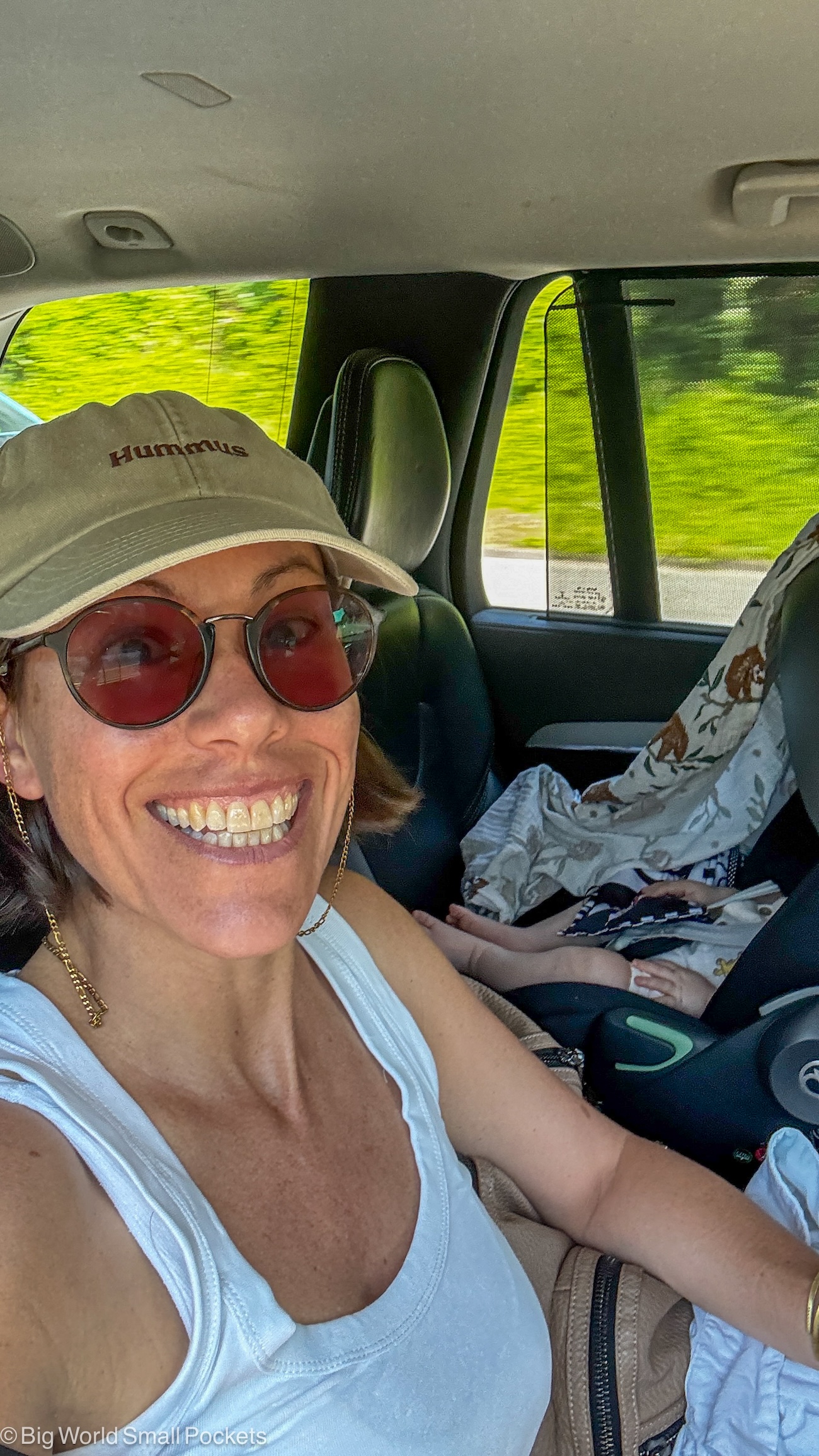
It transformed what could have been a stressful travel day into something genuinely manageable.
Being able to stay in our own car and keep the baby comfortable, let the dog stretch easily and get to France stress-free (and in record time) was worth its weight in gold!
And while it’s not always the cheapest Channel crossing option, for family travel convenience, I honestly think it’s hard to beat, even for those on a budget like us.
LeShuttle FAQs
Is LeShuttle better than the Ferry with a Baby?
For most families, us included, the answer is yes.
LeShuttle is faster, you stay in your own car, there’s no seasickness risk and the terminals are very family-friendly with excellent baby changing facilities.
How Long does LeShuttle take from Folkestone to Calais?
The crossing itself takes around 35 minutes, although you should allow at least 1 hour before departure for check in and border controls.
Can Dogs Travel on LeShuttle?
Yes. Just make sure you know the EU entry rules for dogs.
Dogs are allowed on LeShuttle and inside terminal buildings.
There are pet exercise areas and dedicated pet check-in facilities.
How Early should I Arrive for LeShuttle?
LeShuttle recommends arriving at least 1 hour before departure, or 2 hours during busy summer periods or with pets.
What is the Cheapest Way to Book LeShuttle?
Booking early, travelling midweek, using Tesco Clubcard vouchers, or Avios points and choosing off-peak times usually gives the best prices.
Can you Stay in your Car on LeShuttle?
Yes. You can stay inside your vehicle during the crossing, which is one of the main advantages for families travelling with babies.
My journey was gifted by LeShuttle but, as always, all views are my own.
This page contains affiliate links meaning Big World Small Pockets may receive a small commission on any purchases at no extra cost to you.
