


Oslo has a reputation for being one of Europe’s most expensive capitals… and it is not entirely undeserved.
A casual drink can cost more than your lunch, while sitting down for dinner without checking the menu first may produce a facial expression worthy of Edvard Munch.
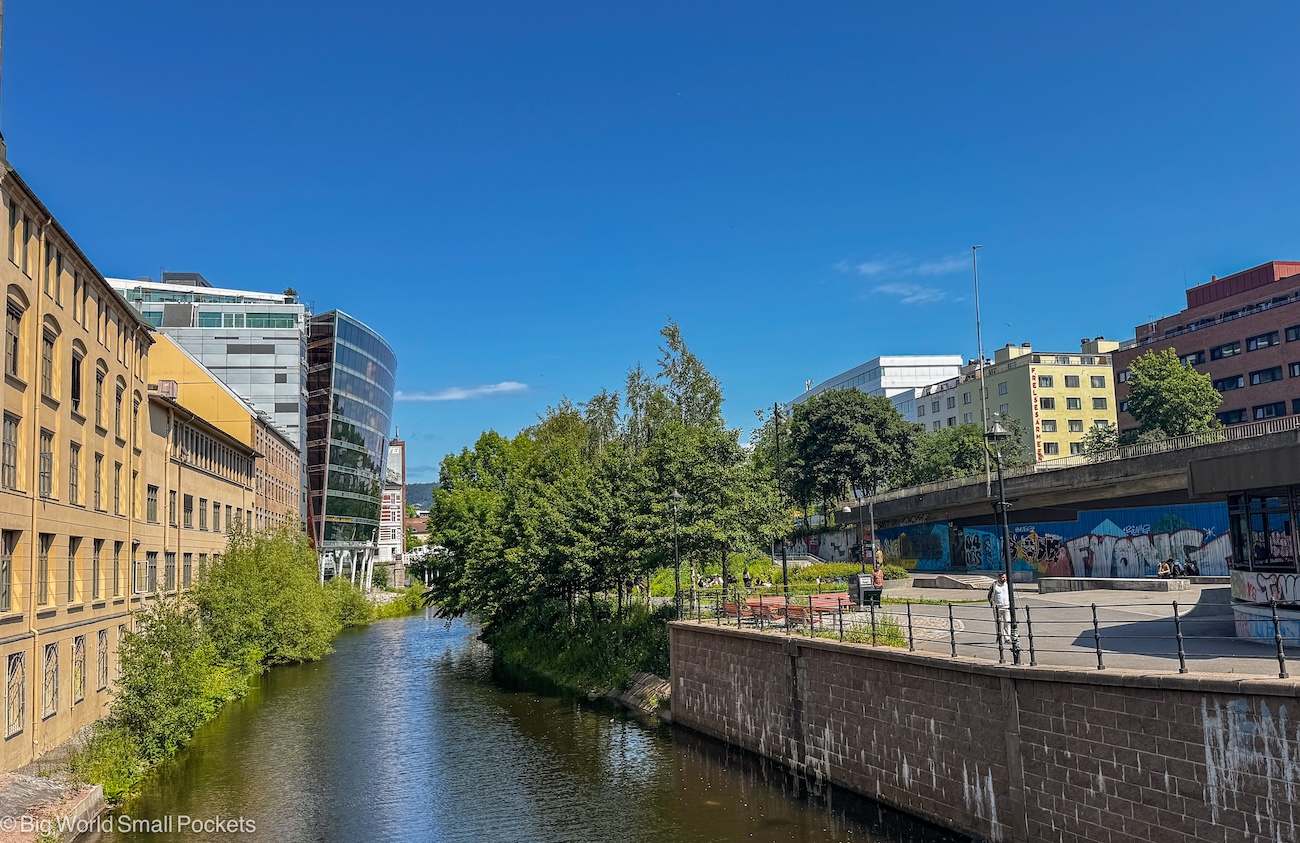
However, Oslo is also packed with free attractions, waterfront walks, outdoor art, public saunas, island ferries and inexpensive nature escapes.
With careful planning, you can enjoy many of the best things to do in Oslo without turning your Norwegian city break into a financial emergency.
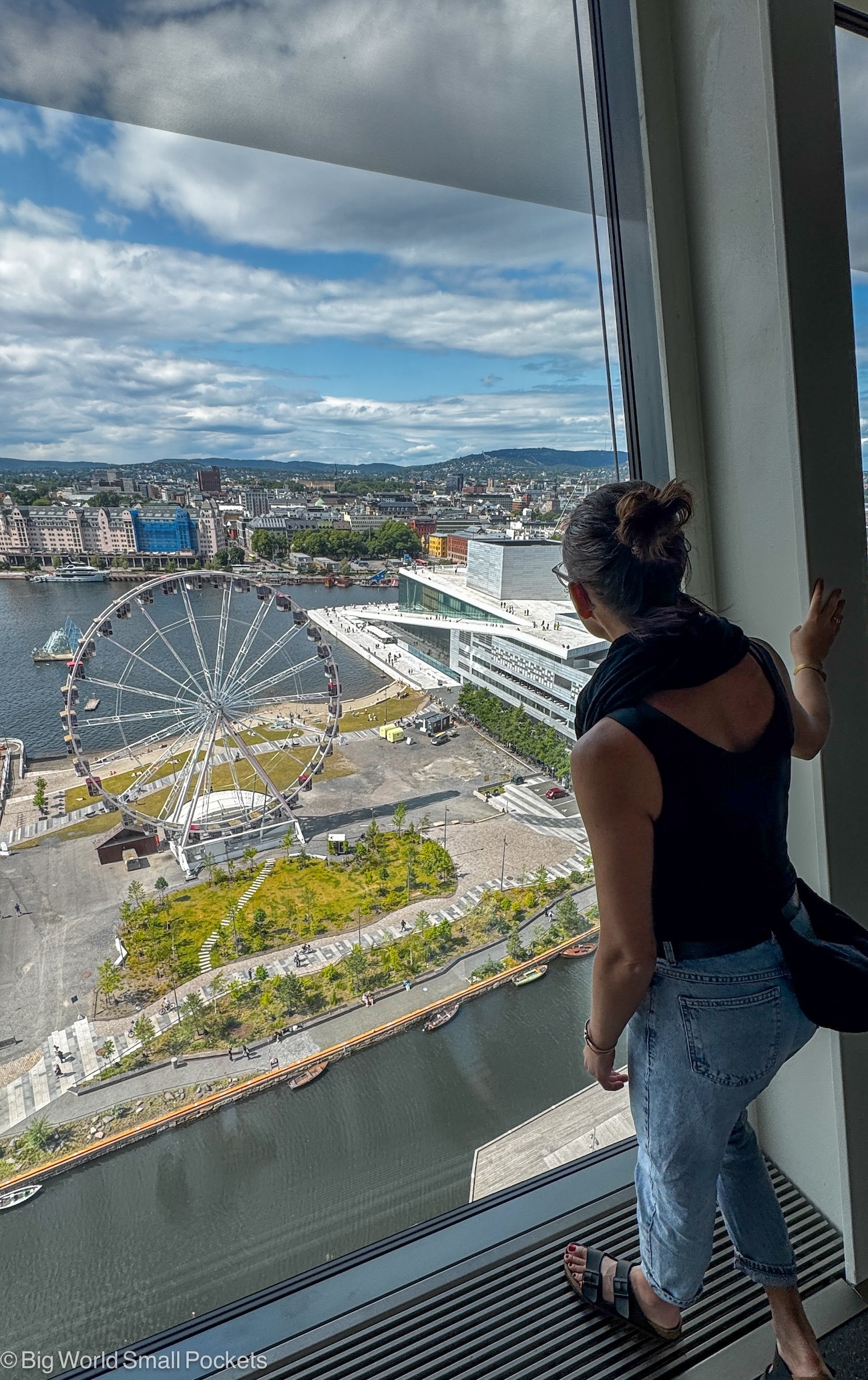
After spending a weekend there, I quickly discovered the secret is to combine free sights with 1 or 2 carefully chosen paid attractions; stay near public transport, buy food from supermarkets and use ordinary ferries rather than tourist sightseeing boats.
Oslo’s compact centre also makes it wonderfully walkable, limiting your need to take public transport.
Here is how to experience Norway’s waterfront capital for less…
Related Posts
- Is this the Cheapest Norway Fjord Cruise?
- Top Things to Do in Bergen, Norway
- How to Spend Best 1 Day in Bergen
Quick Guide to Budget Things to Do in Oslo
| Oslo Experience | Approximate Cost | Best For |
| Oslo Opera House roof | Free | Architecture & fjord views |
| Vigeland Sculpture Park | Free | Art, families & photography |
| Akershus Fortress grounds | Free | History & harbour views |
| Harbour Promenade | Free | First-time visitors |
| Deichman Bjørvika Library | Free | Architecture & rainy days |
| Inner-fjord island ferry | From around 4€ | Budget fjord scenery |
| MUNCH on Wednesday evening | Free | Art lovers |
| National Museum | Around 19€ | Norwegian art & design |
| Fram Museum | Around 15€ | Families & polar history |
| Oslo Pass | From approximately 49€ | Museum-heavy itineraries |
*Prices from July 2026. Check the attraction’s official website before visiting.
** Norway uses Norwegian kroner, so euro equivalents fluctuate.
Best Things to Do in Oslo for Less
#1 Walk Across the Oslo Opera House Roof
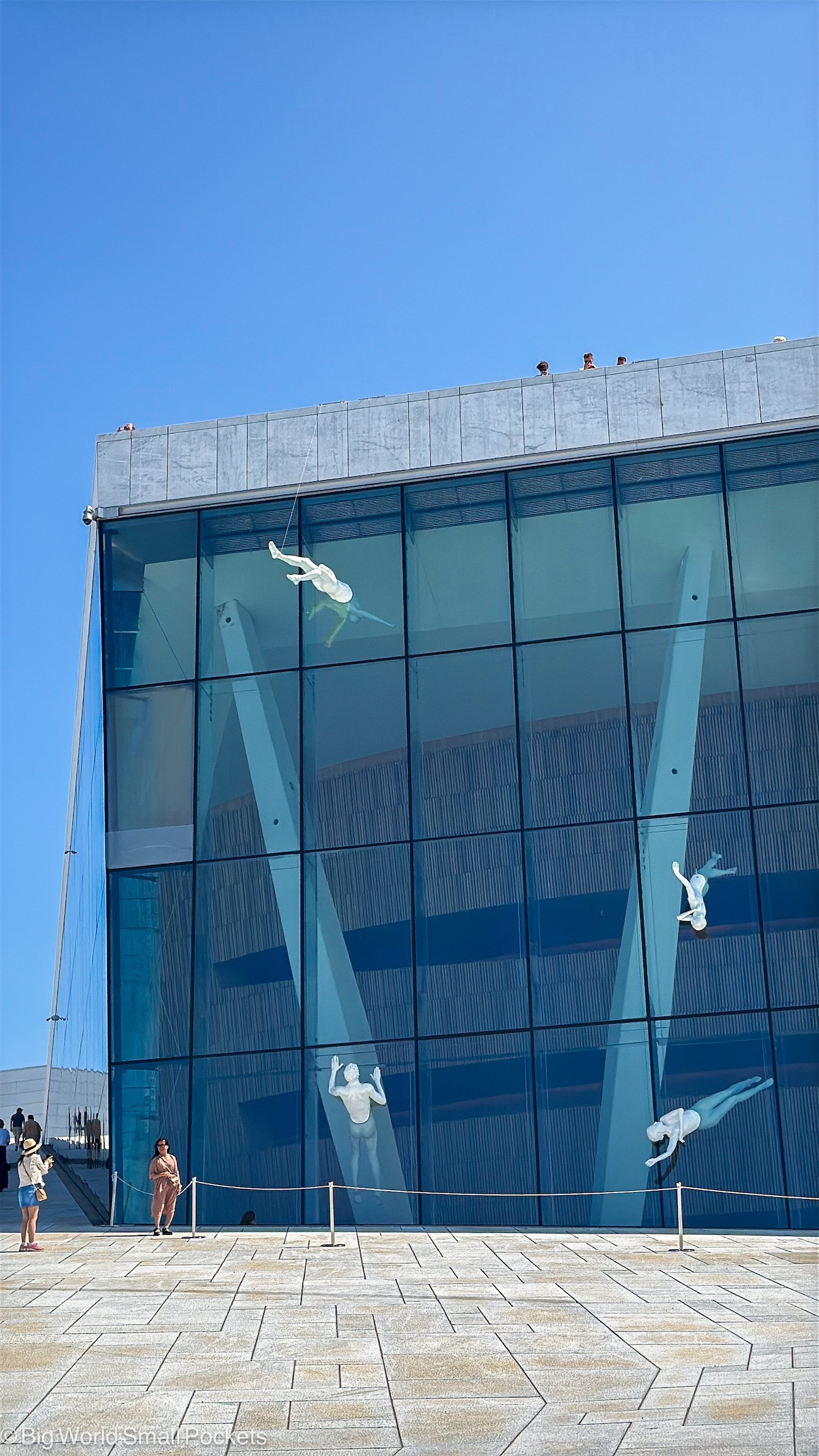
Start beside the fjord at the striking Oslo Opera House.
Its sloping marble roof rises directly from ground level, allowing visitors to walk to the top without paying an entrance fee.
From the roof, you can look across the waterfront, Barcode skyline, islands and surrounding hills.
Visit early in the morning for fewer people or shortly before sunset for softer light.
The surface can become slippery in wet or icy weather, so sensible shoes are more useful here than Scandinavian-chic footwear.
Walking on the roof is free, making this one of the best things to do in Oslo for budget travellers.
You can also look inside the public foyer, although performances and guided tours cost extra.
#2 Explore Deichman Bjørvika Library
Next to the Opera House, Deichman Bjørvika is Oslo’s main public library and one of the city’s most impressive modern buildings.
Spread across 6 floors, it offers reading areas, city views, exhibitions, workspaces and family-friendly sections.
Entry and wifi are free, making it a particularly useful stop when Oslo’s weather decides not to cooperate.
Even if you have no intention of borrowing a Norwegian crime novel, it is worth visiting for the architecture and views alone.
#3 See Edvard Munch’s Art for Free
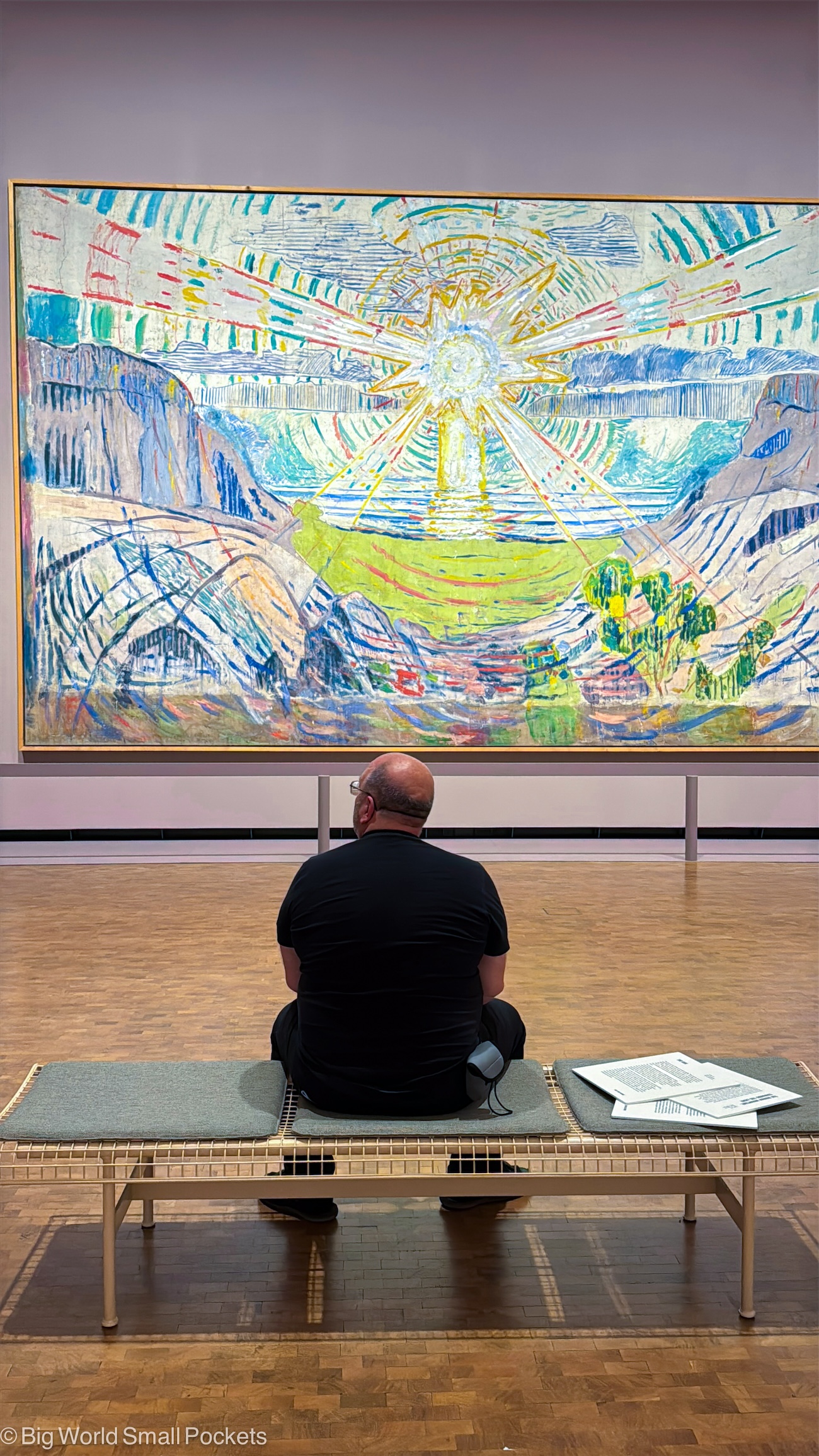
The MUNCH museum dominates Oslo’s waterfront and contains one of the world’s largest collections of works by Norwegian artist Edvard Munch.
Standard adult admission costs 280 NOK (approximately 24€) during the day, or 200 NOK (approximately 17€) during evening hours.
However, general admission is currently free on Wednesdays between 6-9pm.
Tickets may still need to be reserved and popular time slots can disappear quickly, so book through the official website.
Children aged 17 and under enter free at other times too.
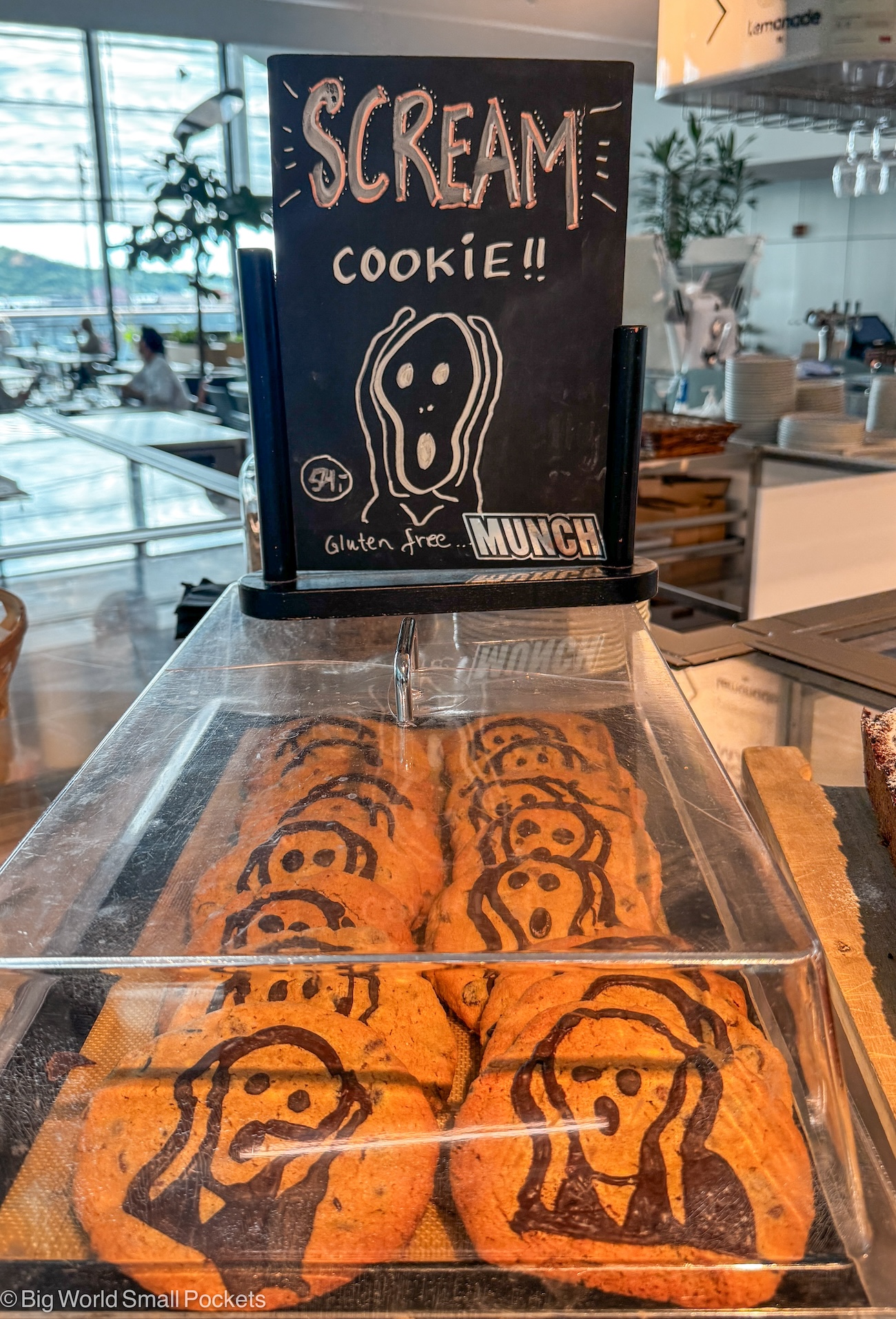
If your schedule does not include Wednesday, the National Museum displays a painted version of The Scream alongside an enormous collection of Norwegian and international art.
#4 Follow the Harbour Promenade
Oslo’s Harbour Promenade stretches for approximately 9km, but you can enjoy its central highlights without walking the entire route.
Begin around Bjørvika and continue past the Opera House, MUNCH and the floating saunas.
From here, walk towards Akershus Fortress, City Hall, Aker Brygge and Tjuvholmen.
This route links some of Oslo’s best modern architecture and waterfront neighbourhoods without costing anything.
Take a refillable bottle and pack a supermarket picnic to avoid the expensive restaurants around Aker Brygge.
#5 Visit Akershus Fortress
Standing above Oslo Harbour, Akershus Fortress has protected the city since the medieval period.
Access to the outdoor fortress grounds is generally free, although individual museums and guided tours charge admission.
Walk along the old stone walls, explore the courtyards and enjoy views over the harbour.
It is particularly atmospheric in the late afternoon, when the grounds are quieter and the light falls across the fjord.
Allow around an hour for a relaxed wander.
It is an easy addition to the Harbour Promenade and provides a welcome helping of history between Oslo’s glass-and-steel waterfront buildings.
#6 Discover Oslo City Hall
Oslo City Hall may look fairly stern from the outside, but its interior is far more interesting.
The building is decorated with murals illustrating Norwegian life, history and culture, and it is also where the Nobel Peace Prize ceremony takes place.
Entry is usually free when the building is open to visitors.
Access can be affected by official functions or security arrangements, so check the current opening information before arriving.
Outside, the City Hall carillon plays every hour between 7am and midnight.
It is an easy free stop between Akershus Fortress and Aker Brygge.
#7 See More than 200 Sculptures at Vigeland Park
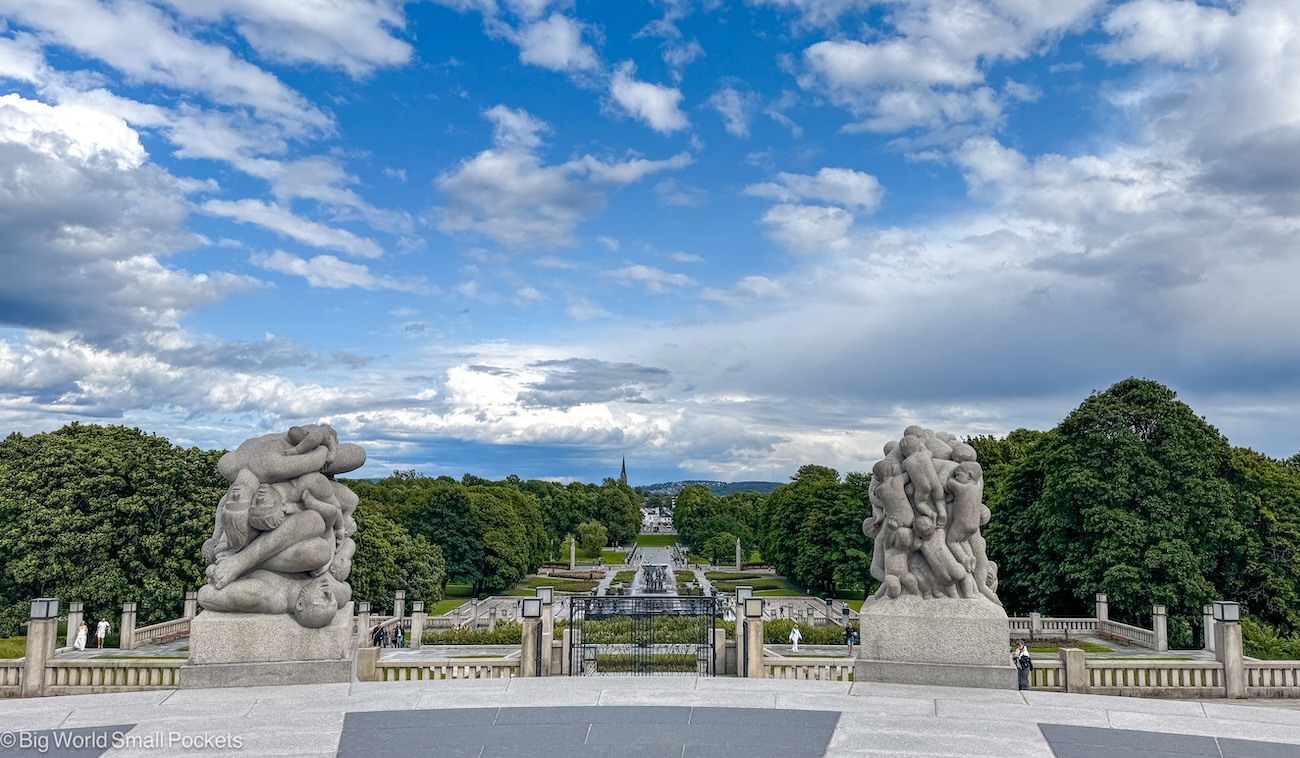
Vigeland Sculpture Park, located inside Frogner Park, contains more than 200 sculptures by Gustav Vigeland.
The collection includes the famous Monolith, the Wheel of Life and the surprisingly relatable Angry Boy.
The park is free and open 24 hours a day throughout the year.
Take tram 12 or bus 20 from central Oslo, both of which are covered by a valid Zone 1 Ruter ticket.
Allow at least 90 minutes to follow the main avenue and examine the sculptures properly.
Visiting early in the morning offers a quieter experience, while a picnic turns the excursion into an inexpensive half-day activity.
#8 Find Free Art & Views at Ekebergparken
For outdoor art with a woodland setting, visit Ekebergparken Sculpture Park.
Entry is free and the park remains open at all times.
Its trails combine contemporary sculptures with excellent panoramas across central Oslo and the fjord.
The landscape is believed to have helped inspire Munch’s The Scream, although hopefully your reaction to the uphill sections will be slightly less dramatic!
Take tram 13 or 19 towards Ljabru and get off at Ekebergparken.
Wear shoes suitable for woodland paths and allow around 2 hours.
#9 Ride the Metro to Holmenkollen
Holmenkollen is famous for its enormous ski jump and views over Oslo.
Entry to the Ski Museum and jump tower costs extra, but you do not need to buy a museum ticket to enjoy the journey or surrounding scenery.
Take metro line 1 from the centre to Holmenkollen.
The route climbs through residential districts and offers increasingly impressive views as it leaves central Oslo behind.
From the station, walk around the outside of the ski-jump complex or continue onto nearby forest trails.
The entire metro network lies within Ruter’s Zone 1, so Holmenkollen is covered by an ordinary city ticket.
Take a Budget Oslo Fjord Cruise
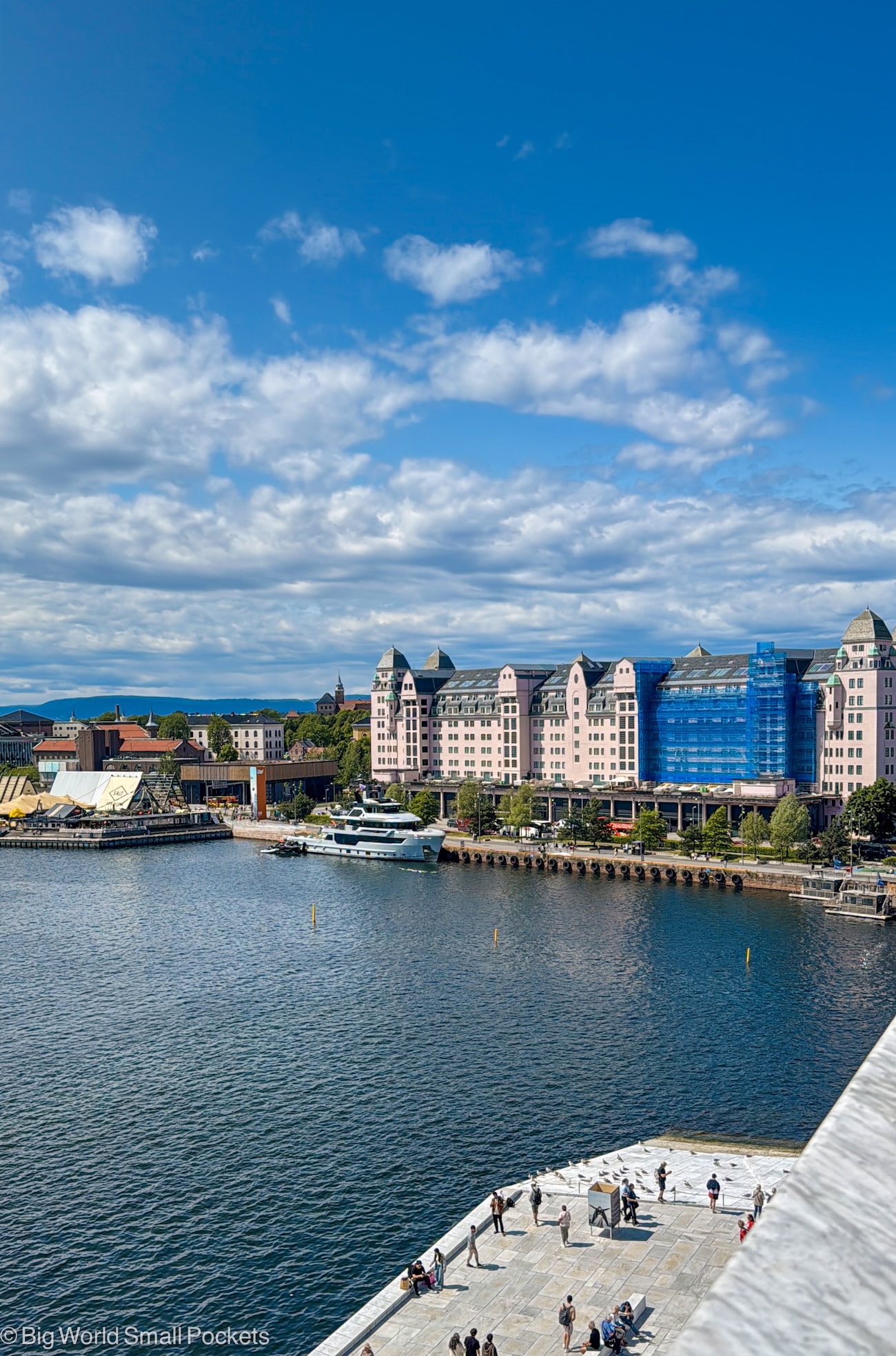
One of my favourite Oslo money-saving tips is to skip the commercial sightseeing cruise and board a public ferry instead.
Ruter’s island ferries depart from Aker Brygge and connect several islands in the inner Oslo Fjord.
Ordinary public transport tickets are valid, meaning you can enjoy fjord scenery for the price of a local journey.
Visit Hovedøya
Hovedøya is close to the city but feels wonderfully removed from it.
The island has woodland paths, beaches, picnic areas and the ruins of a medieval Cistercian monastery.
Bring food and spend a few hours walking or swimming.
There are limited facilities outside the main summer season, so carry water and check the return ferry times.
Continue to Lindøya or Gressholmen
Lindøya is known for its colourful wooden summer cottages, while Gressholmen offers quieter trails and natural scenery.
You can hop between islands as long as your ticket remains valid, or use a 24 hour ticket for a more relaxed day.
Langøyene is another good summer option, with a larger beach and open spaces.
Ferry services are seasonal or reduced outside summer, so always check the Ruter app before setting out.
Choose 1 or 2 Paid Oslo Attractions
Trying to visit every museum can quickly destroy a budget.
Instead, choose the attraction that best matches your interests.
National Museum
The National Museum is the best all-round choice for art, architecture and design.
Adult admission costs 220 NOK (approximately 19€), while visitors under 18 enter free.
Reduced prices are available for eligible young adults and students.
The collection is vast, so allow at least 3 hours.
This is also where you can see one of Munch’s painted versions of The Scream.
Get your National Museum tickets here.
Fram Museum
The Fram Museum is my top choice for families and anyone interested in polar exploration.
Visitors can step aboard the original Fram polar ship and learn about expeditions into the Arctic and Antarctic.
Adult admission costs 180 NOK (approximately 15€), and a family ticket covering 2 adults and up to 5 children costs 400 NOK (approximately 34€).
The museum is on the Bygdøy peninsula, accessible year-round by bus 30.
Get your Fram Museum tickets here.
Is the Oslo Pass Worth Buying?
The Oslo Pass includes entry to more than 30 museums and attractions, Ruter public transport across several zones and selected discounts…
| Pass Duration | Adult Price |
| 24 hours | Approximately 49€ |
| 48 hours | Approximately 72€ |
| 72 hours | Approximately 85€ |
The pass can offer good value if you plan to visit at least 3 paid attractions in one day and use public transport several times.
For example, combining the National Museum, Fram Museum and another Bygdøy museum could make a 24 hour pass worthwhile.
It is less useful if your plans mainly involve free parks, waterfront walks and island hopping.
List your intended admission costs before buying rather than assuming every city pass automatically saves money.
One useful benefit is that the pass includes travel on Vy local trains between Oslo Airport Gardermoen and the city.
It does not cover the faster Flytoget Airport Express Train – although I recommend taking the Vy train anyway.
Buy your Oslo Pass here
Save Money on Transport in Oslo
Central Oslo is easy to explore on foot, so avoid buying a travel pass automatically.
A Zone 1 single ticket costs 46 NOK (around 4€), and remains valid for 60 minutes, including transfers between Ruter buses, trams, metro trains and ferries.
Children under 6 travel free.
A 24 hour ticket normally becomes better value when you expect to make more than 3 journeys in 1 day.
Buy tickets through the Ruter app before boarding, as purchasing onboard a bus or boat costs more.
You cannot buy tickets onboard trams or metro trains.
As I mentioned above, I recommend that for Oslo Airport, you use a Vy regional or local train rather than Flytoget if saving money is the priority. The journey is only slightly slower, but much cheaper.
Affordable Places to Eat in Oslo
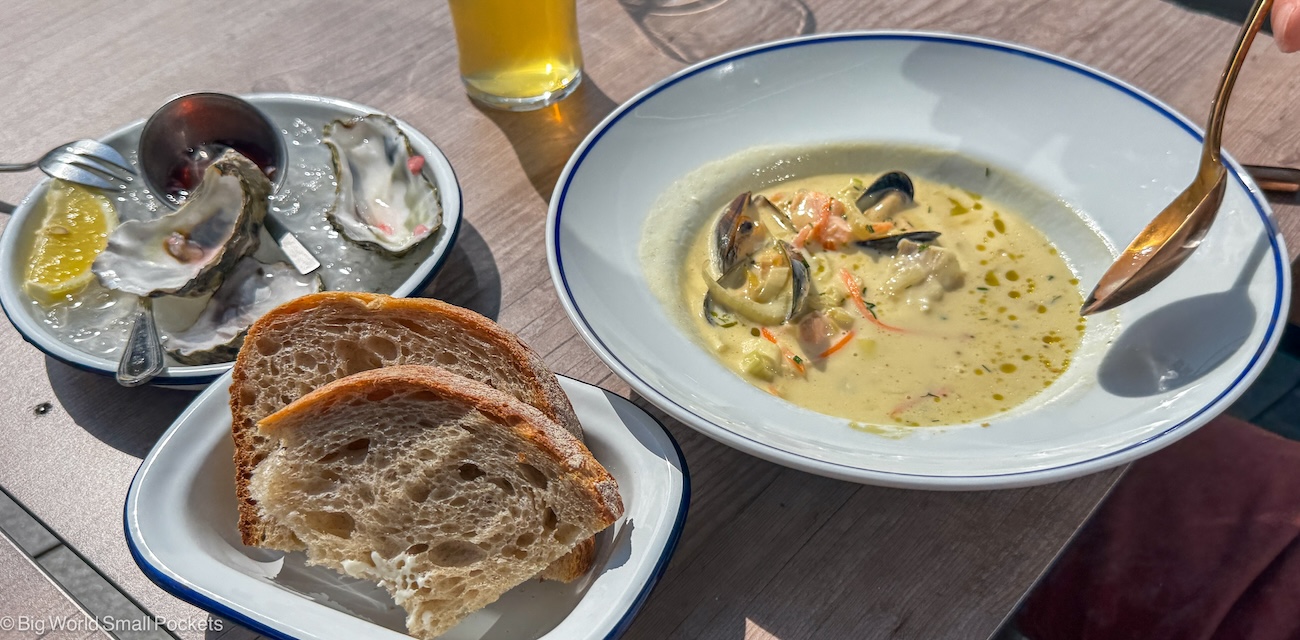
Eating out is often the biggest challenge for budget travellers in Oslo, but you do not need to survive entirely on emergency cereal bars!
Visit Mathallen Food Hall
Mathallen in Vulkan brings numerous independent food businesses together under one roof.
It is not necessarily cheap by European standards, but sharing dishes or choosing a smaller lunch can make it more manageable than a formal restaurant.
The surrounding Vulkan and Grünerløkka neighbourhoods are also good areas to search for casual cafés, bakeries and international food.
Try Norwegian Waffles & Hot Dogs
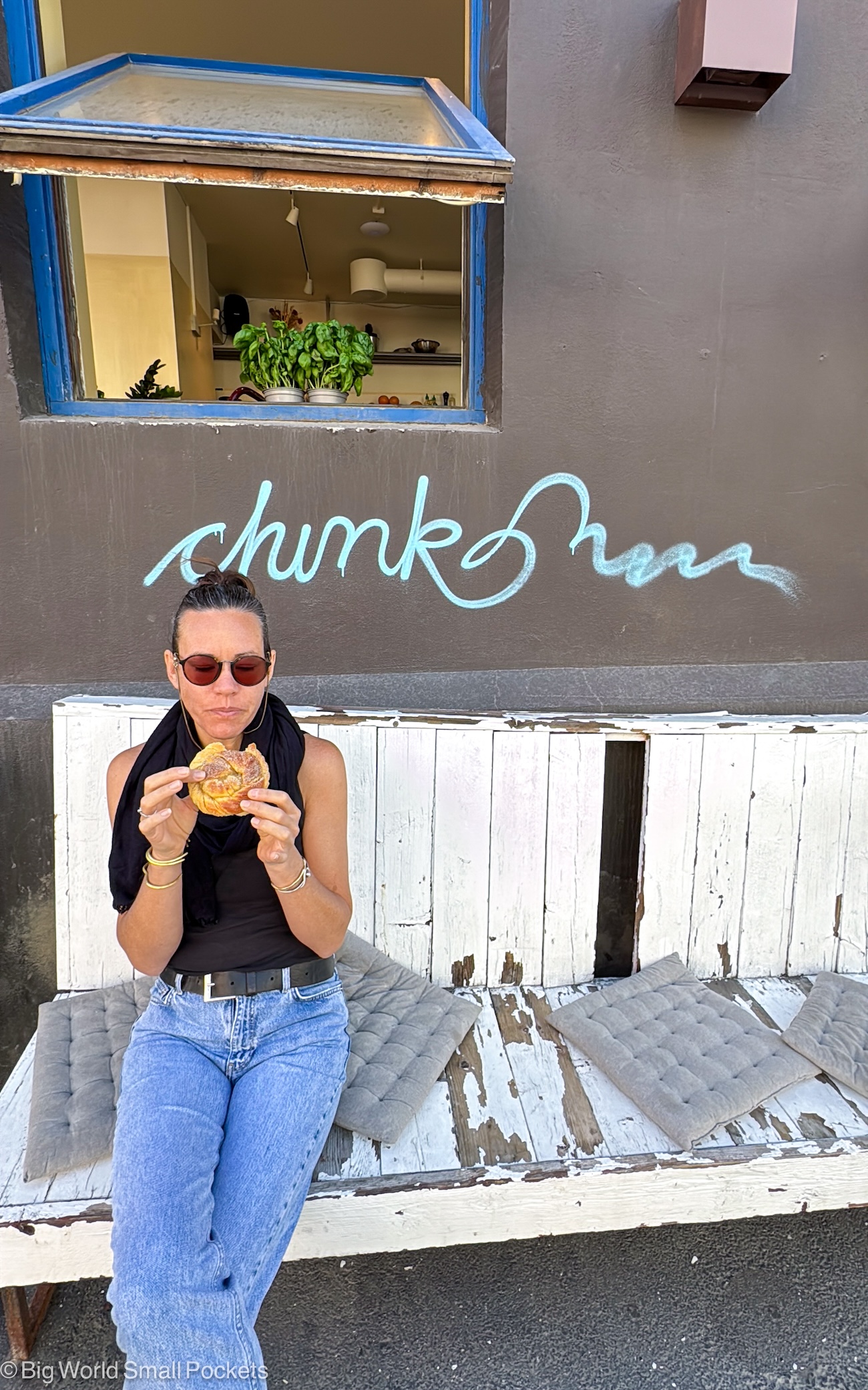
For an inexpensive Norwegian snack, look for heart-shaped waffles served with brown cheese, jam or sour cream.
Haralds Vaffel is one of Oslo’s best-known waffle specialists.
Hot dogs are another comparatively affordable option and a huge deal in Norway… who knew!
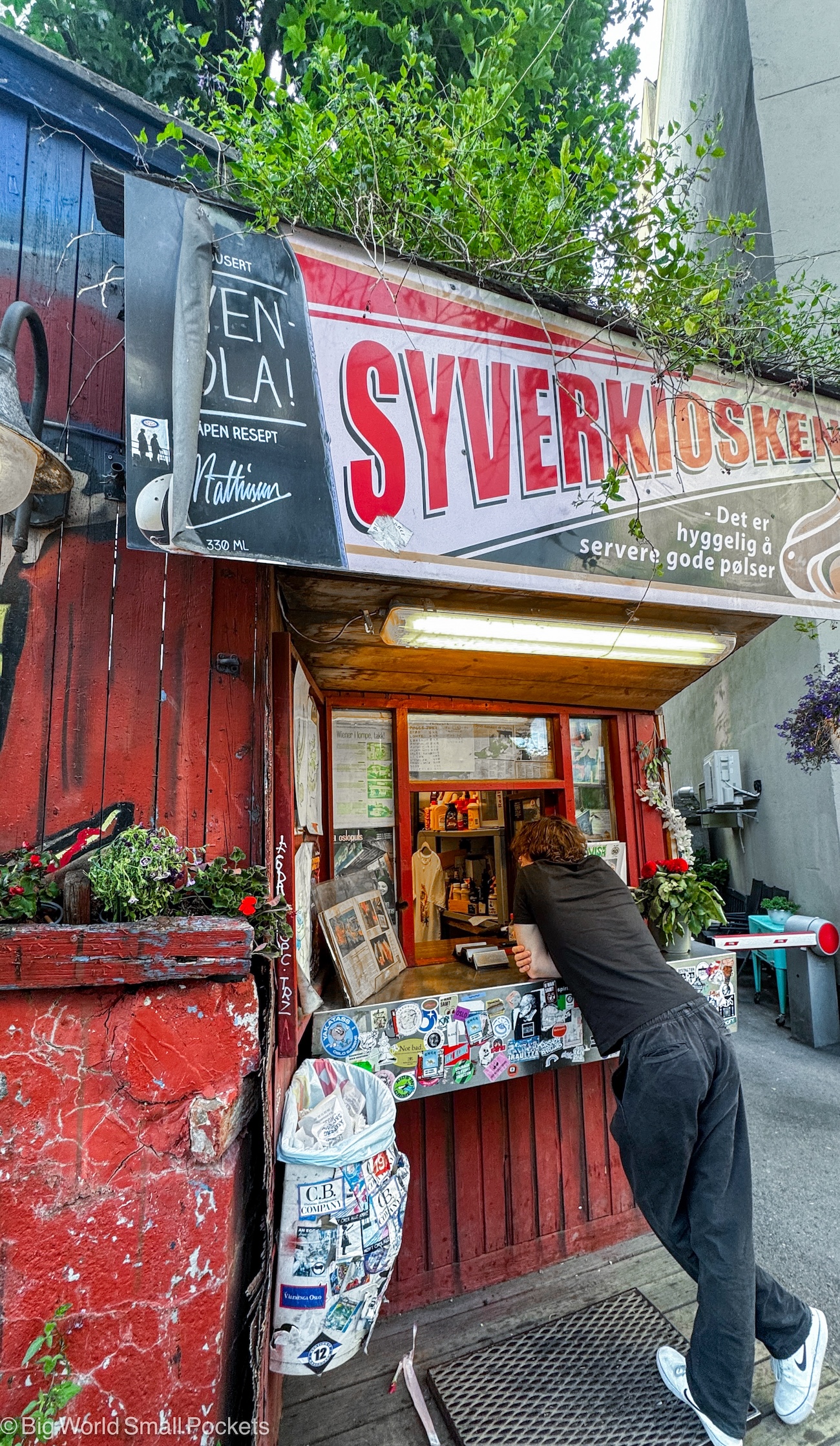
Syverkiosken is a tiny traditional kiosk known for Norwegian-style sausages. It’s super authentic and always has a queue full of locals.
Otherwise, convenience stores such as Narvesen and 7-Eleven sell quick meals for considerably less than most sit-down restaurants.
Make Lunch your Main Meal
Many restaurants offer better-value lunch specials before the evening service.
Asian, Middle Eastern and pizza restaurants around Grønland and Torggata are often more affordable than waterfront venues.
Tap water is safe to drink and is normally provided free in restaurants.
Alcohol significantly increases the bill, so buying beer from a supermarket and enjoying it at your accommodation can protect the travel budget. Or try a sober trip!
Supermarkets such as Kiwi, Rema 1000 and Extra are generally more economical than small convenience shops.
Buy bread, cheese, fruit and yoghurt for breakfast or prepare a picnic lunch.
Where to Stay in Oslo on a Budget
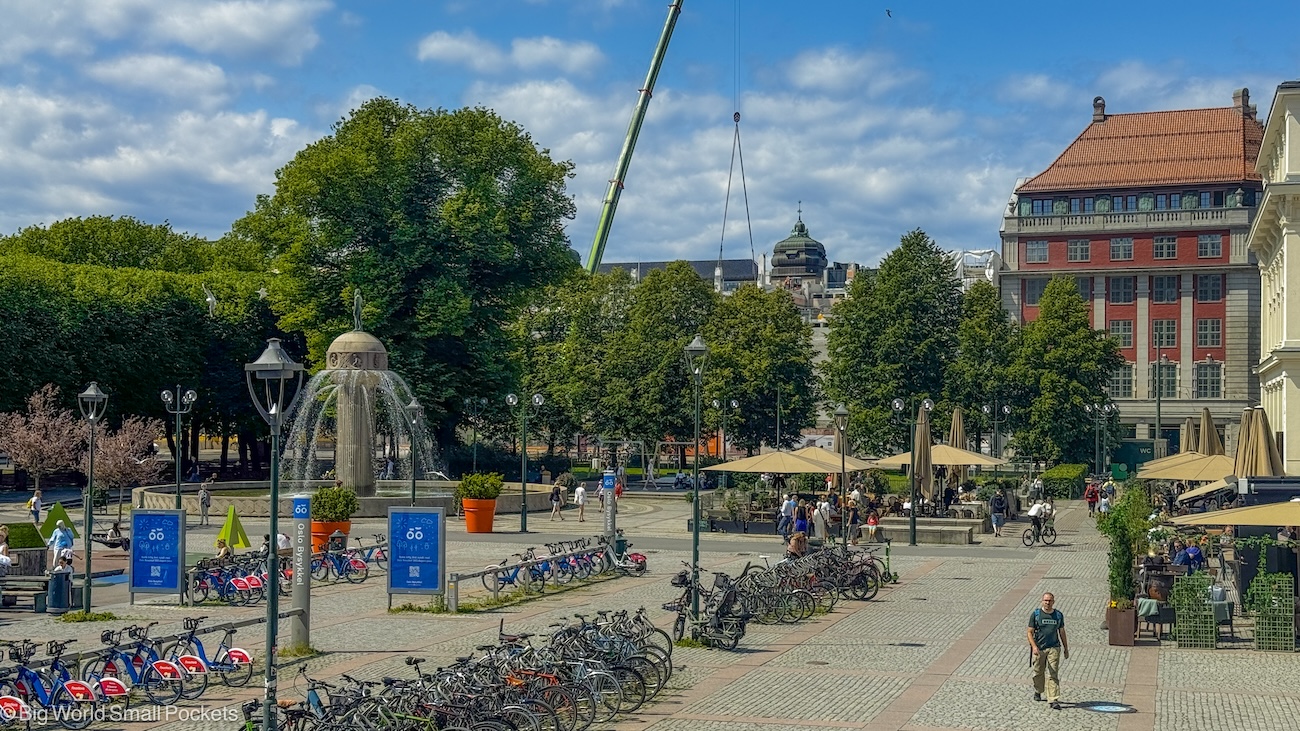
Stay close to the centre or a metro station, even if the room costs slightly more.
Saving 10€ on accommodation is less impressive if you then spend it on transport every day.
Good-value areas include…
- Sentrum – for first-time visitors who want to walk to most major attractions
- Grønland – for affordable food and easy access to Oslo Central Station
- Grünerløkka – for independent cafés, nightlife and a more local atmosphere (this is where I stayed)
- Majorstuen – for metro connections and access to Frogner Park
- Ankerløkka and the northern city centre – for hostels and budget hotels
Anker Hostel and Cochs Pensjonat are established budget options, while the Citybox and Smarthotel brands can offer relatively affordable private rooms.
Prices change considerably according to season and events, so compare the total cost, including breakfast.
Accommodation is usually cheaper during winter, at weekends when business demand drops and outside major events.
Booking a place with a kitchenette through Airbnb can also save more than choosing the absolute cheapest hotel. This is what we opted for, but sadly the place we stayed is no longer on the platform.
Best Budget Day Trips from Oslo
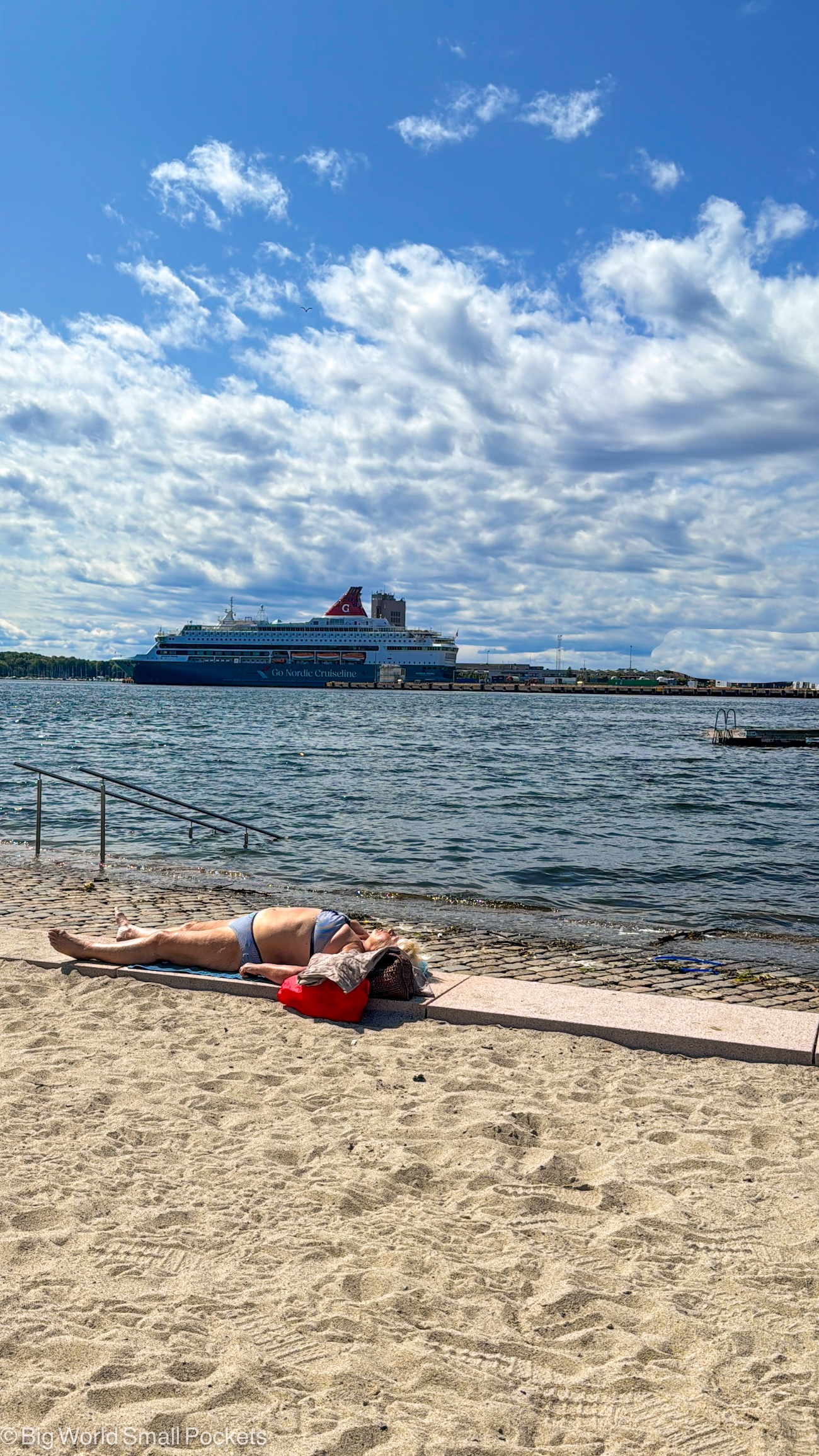
#1 Island Hop Around the Oslo Fjord
The inner-fjord islands are the easiest and cheapest Oslo day trip because public ferries are included in ordinary Ruter tickets.
Combine Hovedøya with Lindøya or Gressholmen and pack a picnic.
#2 Visit Drøbak & Oscarsborg Fortress
Drøbak is a pretty waterfront town south of Oslo, known for its wooden houses, harbour and year-round Christmas connections.
Ruter buses 500 and 505 connect Oslo with Drøbak.
From Drøbak, a short ferry crosses to Oscarsborg Fortress.
In summer, Ruter routes B21 and B22 also operate between Aker Brygge, Drøbak and Oscarsborg on selected days.
The trip requires multiple transport zones, so check the Ruter app for the correct fare.
Explore the fortress grounds, harbour and walking paths, then return to Drøbak for a stroll through the centre.
This is an excellent day trip for history and fjord scenery without paying for an organised excursion.
#3 Hike around Sognsvann
Take metro line 5 to Sognsvann, at the northern edge of Oslo.
The lake sits at the entrance to the Nordmarka forest and is surrounded by an easy walking circuit.
The journey is covered by a Zone 1 ticket and access to the lake and trails is free.
In summer, bring swimming gear.
In autumn, expect colourful woodland.
And in winter, the area becomes popular for skiing and snowy walks.
FAQ: Things to Do in Oslo
What are the Best Free Things to Do in Oslo?
The best free things to do in Oslo include walking across the Opera House roof, visiting Vigeland Sculpture Park, exploring Akershus Fortress, following the Harbour Promenade and enjoying the views from Ekebergparken.
Deichman Bjørvika Library and Oslo City Hall are also free to enter during normal visitor hours.
Is Oslo Expensive for Tourists?
Oslo can be expensive for accommodation, alcohol and restaurant meals.
However, many major outdoor attractions are free, tap water is safe to drink and public transport includes buses, trams, metro trains and selected ferries.
Supermarket meals and public transport passes can reduce daily costs significantly.
How Many Days Do You Need in Oslo?
3 days is enough to see Oslo’s principal sights, visit 1 or 2 museums and explore the waterfront.
4 or 5 days allows time for island hopping, forest walks and a day trip to Drøbak or Oscarsborg.
Is the Oslo Pass Worth It?
The Oslo Pass is worth considering if you plan to visit 3 or more paid attractions in a short period and use public transport frequently.
It is unlikely to save money if your itinerary mainly includes free parks, walks and public ferry trips.
Can You See the Oslo Fjord Cheaply?
Yes.
Ruter public ferries connect Aker Brygge with islands including Hovedøya, Lindøya and Gressholmen.
Standard public transport tickets are valid, making this significantly cheaper than most commercial sightseeing cruises.
What is the Cheapest Way to Get Around Oslo?
Walking is the cheapest way to explore central Oslo.
For longer journeys, use the Ruter network.
A Zone 1 ticket covers buses, trams, metro services and selected ferries, with transfers permitted during its validity period.
Where Can You Get the Best Free View of Oslo?
Excellent free views are available from the Oslo Opera House roof and Ekebergparken.
The metro journey towards Holmenkollen also provides impressive views, while the surrounding paths can be explored without purchasing a ski museum ticket.
What is the Best Budget Day Trip from Oslo?
Hovedøya and the other inner-fjord islands offer the cheapest day trip because ordinary Ruter tickets cover the ferries.
Drøbak and Oscarsborg Fortress are better for travellers who want a full day combination of history, traditional architecture and fjord scenery.
Practical Tips for Visiting Oslo
Getting There
Oslo boasts 2 airports. As always, I use Skyscanner to find the best flight deals.
I recommend using the VY train to get directly to the city centre.
Best eSIM for Norway
Holafly offer unlimited data eSIMs for Norway that are perfect for staying connected across the country.
Travel Insurance
World Nomads offer simple and flexible travel insurance. Buy at home or while travelling and claim online from anywhere in the world.
Heymondo offers extensive cover for medical emergencies, cancellations, lost luggage and adventure activities, plus there’s 24/7 assistance if anything goes wrong while you’re away.
Travel Money
Norway use the Norwegian Krone (NOK).
I always travel with my Wise card, which makes spending abroad cheaper with real exchange rates and no sneaky transaction or ATM fees – grab yours here.
Luggage Storage
Store your luggage in Norway for less with LuggageHero.
SAVE THIS ARTICLE TO PINTEREST!


Oslo rewards travellers who enjoy walking, nature and good urban design.
Plan one geographical area each day to reduce transport journeys, fill your bottle with tap water and check free museum hours before purchasing tickets.
Use public ferries for fjord views, supermarkets for breakfast and lunch, and spend money on the attractions that genuinely interest you.
A carefully planned Oslo trip can include world famous art, forests, islands and waterfront architecture without requiring a world-famous bank balance.
This page contains affiliate links meaning Big World Small Pockets may receive a small commission on any purchases at no extra cost to you.
