


This 1 week Switzerland to Italy itinerary proves you really can have it all without blowing your budget.
In just 7 days, you’ll glide across the Alps on one of Europe’s most spectacular train journeys, ski at an affordable Italian resort, soak up the glamour of Lake Como and finish with culture and food in Milan.
What makes this route so good value is how seamlessly everything connects.
Trains are frequent and reliable, distances are short, accommodation options are varied, and costs can be tightly controlled with a bit of planning.
It is diverse without being rushed, scenic without being remote, and perfect for travellers who want iconic experiences without luxury price tags.
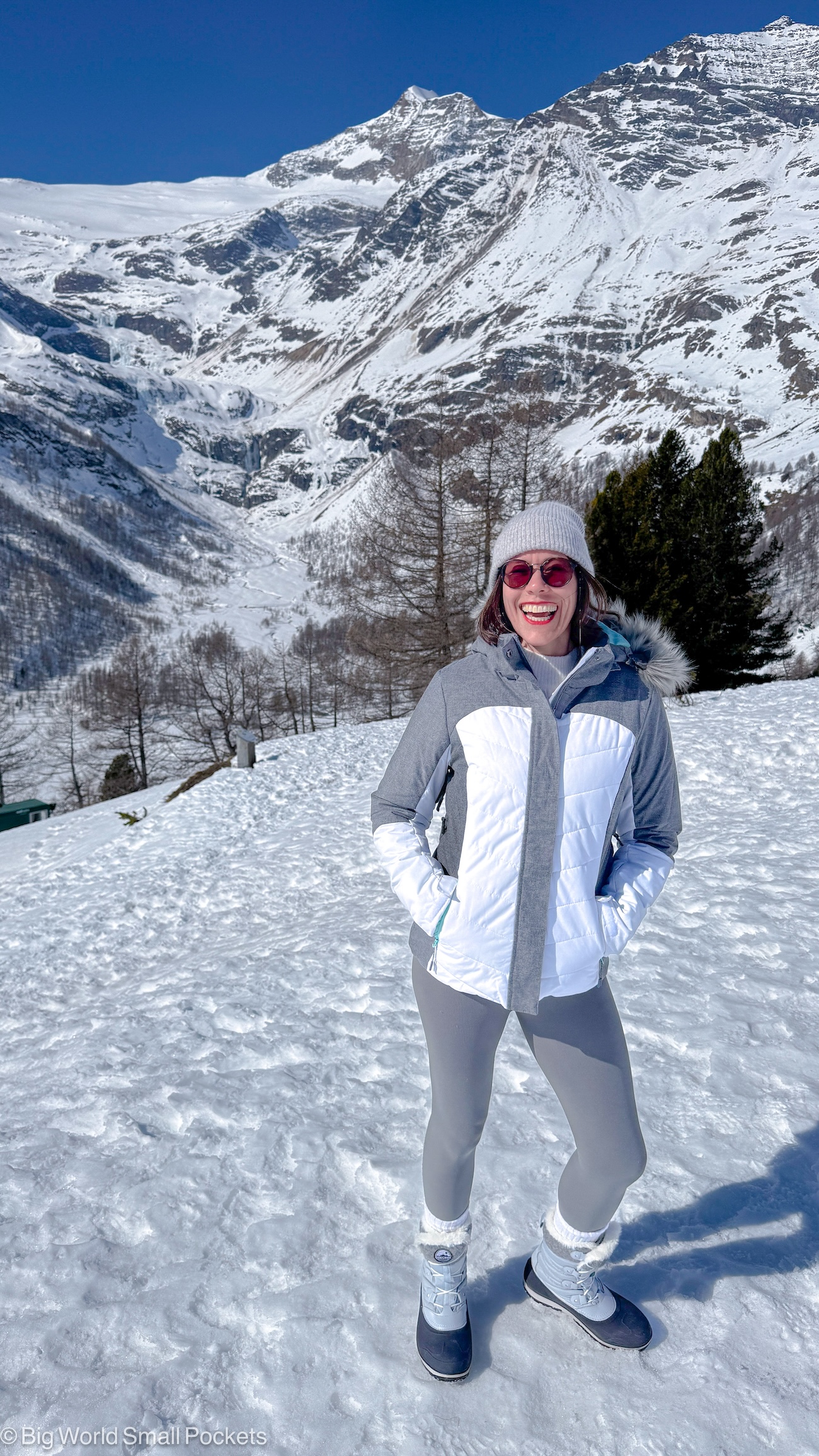
This itinerary even works brilliantly in winter and early spring, especially if you want snow, quieter lakeside towns and cheaper accommodation…
Related Posts
- The Budget-Friendly European Ski Resort You Haven’t Heard Of
- How to Visit Lake Como on a Budget
- Complete Bernina Express Planning Guide
Why This Budget Itinerary Works so Well
This route combines 4 very different experiences in a logical flow.
You start in Switzerland, where flights are plentiful and public transport is world class.
You then take the iconic Bernina Express into Italy, switching immediately to lower daily costs for food, accommodation and skiing.
Aprica offers proper Alpine skiing without resort prices, Lake Como delivers classic Italian scenery, and Milan finishes the week with easy onward flights and fast rail connections.
It is also ideal for travellers who prefer trains over driving, as every leg can be done comfortably by public transport – better for budgets and carbon footprints too!
Day 1: Zurich to Chur

Getting to Chur from Zurich Airport
After flying into Zurich Airport, head straight to the train station located beneath the terminal. Direct trains to Chur run at least twice per hour.
Swiss trains are famously punctual and easy to use, with clear signage in English, so this should be straightforward.
Journey Time: around 1 hour 15 minutes to 1 hour 30 minutes
Typical Cost: £25 to £40 if booked in advance
Tickets can be booked via the Swiss Federal Railways SBB or Trainline.
Why to Stay in Chur
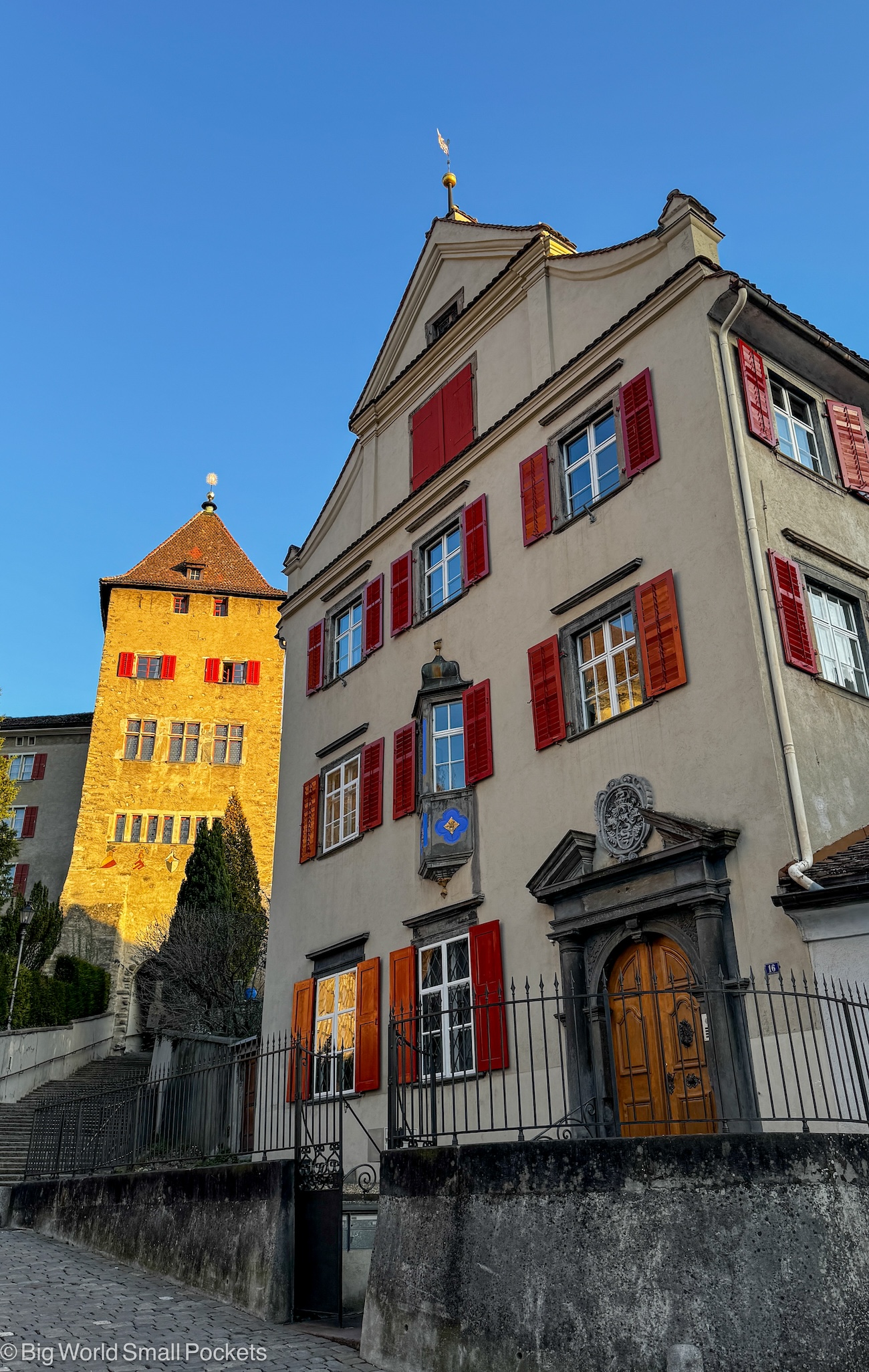
Chur is the oldest city in Switzerland and the official starting point of both the Bernina Express and the Glacier Express.
It has a compact old town that’s pedestrianised, mountain views, some great street art and far more affordable accommodation than Zurich.
Highly recommended is Hotel Stern, an independent hotel, which is well located near both the train station and the Old Town, with a good breakfast and comfortable rooms.
Typical price: £110 to £150 per night for a double room – again very good by Swiss standards!
Things to Do in Chur
Spend the afternoon wandering the old town’s cobbled streets, popping into small cafes and browsing local shops.
Stroll the river, check out the street art murals, pop into a museum or gallery and then, for sunset, walk or bus up to the nearby lookout points above the city for sweeping views across the Rhine valley.
Discover more about the top things to do in Chur in this article I wrote.
Where to Eat in Chur
KostBar is a local favourite, known for seasonal menus, excellent wine and a relaxed atmosphere.
Expect mains around £18 to £25, which is very reasonable by Swiss standards.
Day 2: Bernina Express from Chur to Tirano

Why the Bernina Express Is Worth It
The Bernina Express is one of Europe’s most famous train journeys and is listed as a UNESCO World Heritage route.
It crosses 196 bridges, passes through 55 tunnels and climbs to over 2,200 metres above sea level, all without a single cogwheel.
This is slow travel at its best, with glaciers, frozen lakes, forests and mountain villages rolling past your window.
Read more about my Bernina Express experience here.
Bernina Express Overview
Route: Chur to Tirano
Journey Time: around 4 hours
Seat Reservation: required on panoramic trains
Bernina Express Tickets
Standard 2nd Class Ticket: £40 to £70 depending on season and booking time
Seat Reservation: around £20
You need to buy both a seat ticket and a seat reservation to ride the Bernina Express.
These can be booked via the SBB website or Trainline.
Learn more about how to prep and book this journey here.
Budget Alternative to Bernina Express
A key budget tip is that you can make the exact same train route on regular regional trains instead of the Bernina Express.
The views are the same, you don’t need to paying the seat reservation fee, and seat tickets are usually cheaper too.
Learn more about how to ride the Bernina Express for half the price in this article.
Arriving in Tirano
Tirano is a small Italian town with a charming historic centre, cafés and a noticeably lower cost of living than Switzerland.
Spend the afternoon exploring its historic streets and courtyards on foot, grabbing gelato, and enjoying your first Italian dinner of the trip.
Where to Stay in Tirano
Hotel Bernina is right by the station, making it ideal after a long scenic journey.
Typical Price: £70 to £100 per night
Day 3: Aprica Ski Resort
Getting from Tirano to Aprica
Aprica is just 30km from Tirano and very easy to reach by public bus.
Bus Journey: around 1 hour
Cost: roughly £5 to £7
Tickets can be purchased at the Tirano bus station on the day of travel using cash or card.
Luggage is charged separately, but still only costs a couple of euros.
Buses are most frequent in winter during ski season.
Check local Bus Perago bus timetables in advance for the latest times.
Why Ski in Aprica?
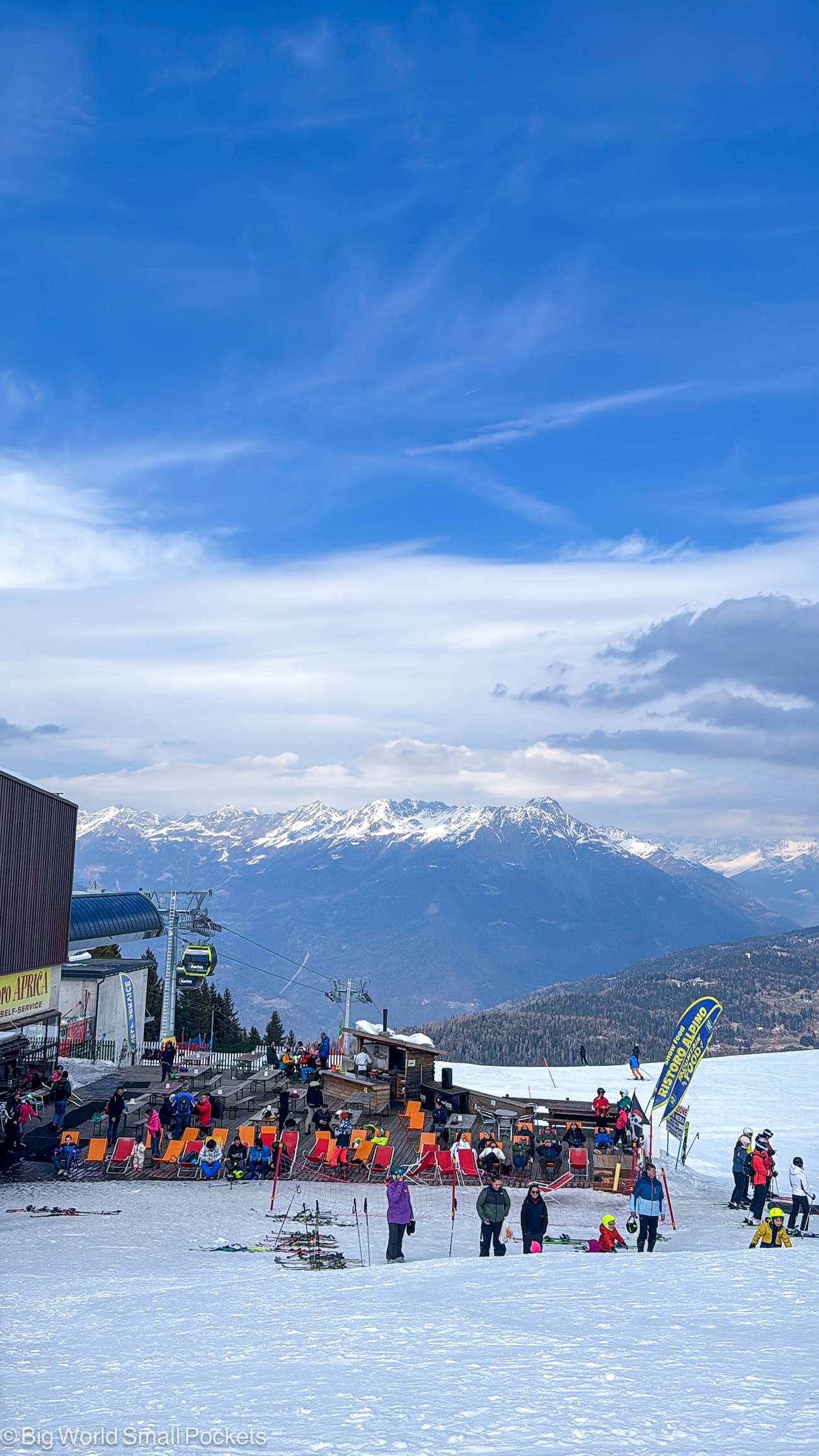
Aprica is a brilliant budget ski resort that flies under the radar.
It is popular with Italian families, which keeps prices sensible and crowds manageable.
It offers over 50km of pistes, good snow reliability, and a friendly, low key atmosphere.
Ski Costs in Aprica
Here’s how Aprica compares to larger Alpine resorts…
| Item | Aprica | Large Alpine Resorts |
| Lift pass per day | Around £30 | £60 to £80 |
| Ski hire per day | Around £20 | £35 to £50 |
| Lunch on mountain | £10 to £15 | £20 to £30 |
Check current prices via the Aprica ski area website and learn more about why I rate this as a fab budget ski resort.
Day 4: Skiing in Aprica
What to Expect on the Slopes
Aprica is not about wild après ski or luxury chalets.
It is about relaxed skiing, well-groomed pistes and great value food.
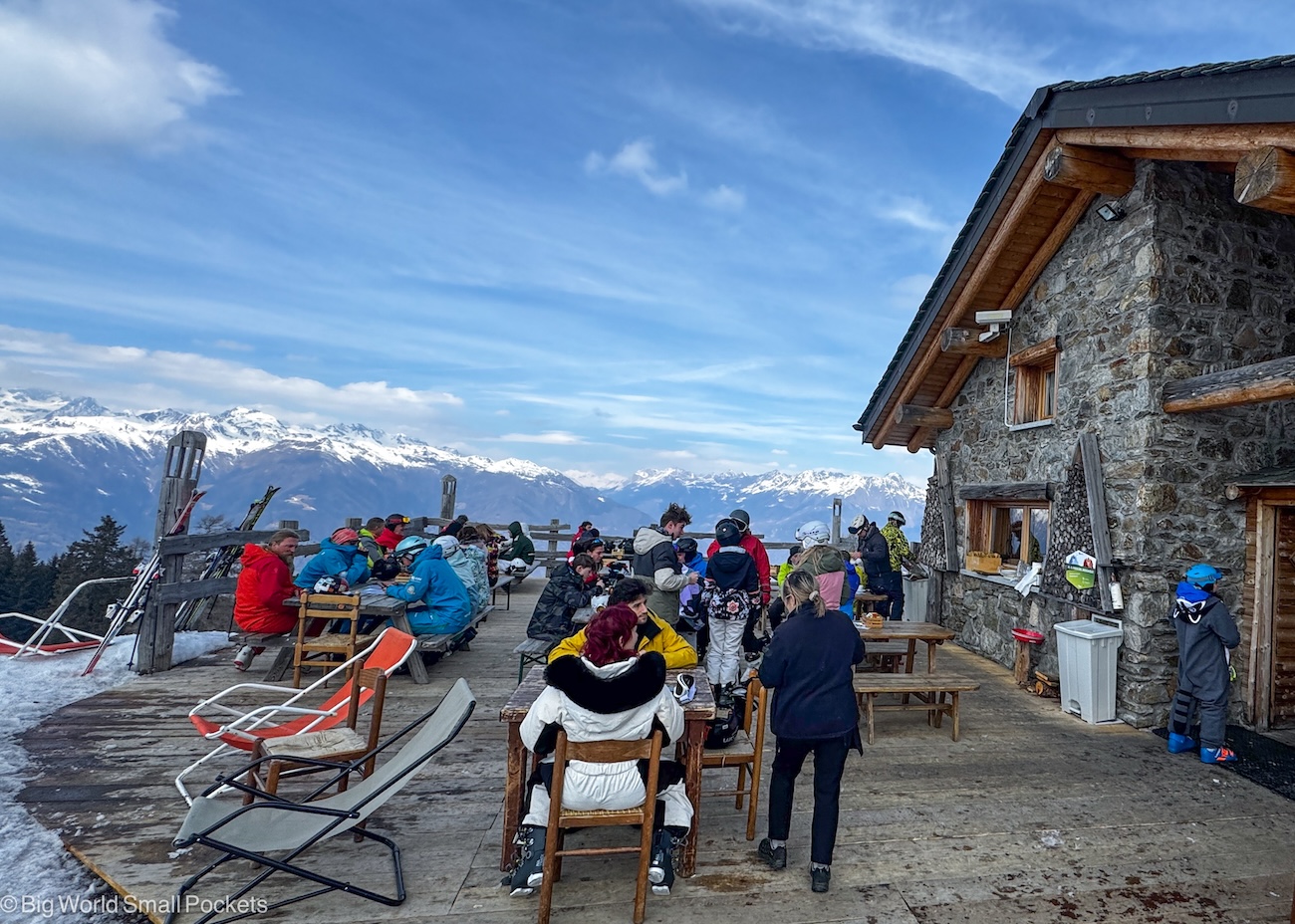
Lift queues are short, slopes are quiet, and everything feels refreshingly local.
Where to Eat on the Mountain
Agriturismo Malga Magnolta is a standout.
Expect hearty Italian mountain food like polenta, pasta and grilled meats.
Typical Lunch Cost: £12 to £18
Day 5: More Skiing and Staying in Aprica
Accommodation in Aprica
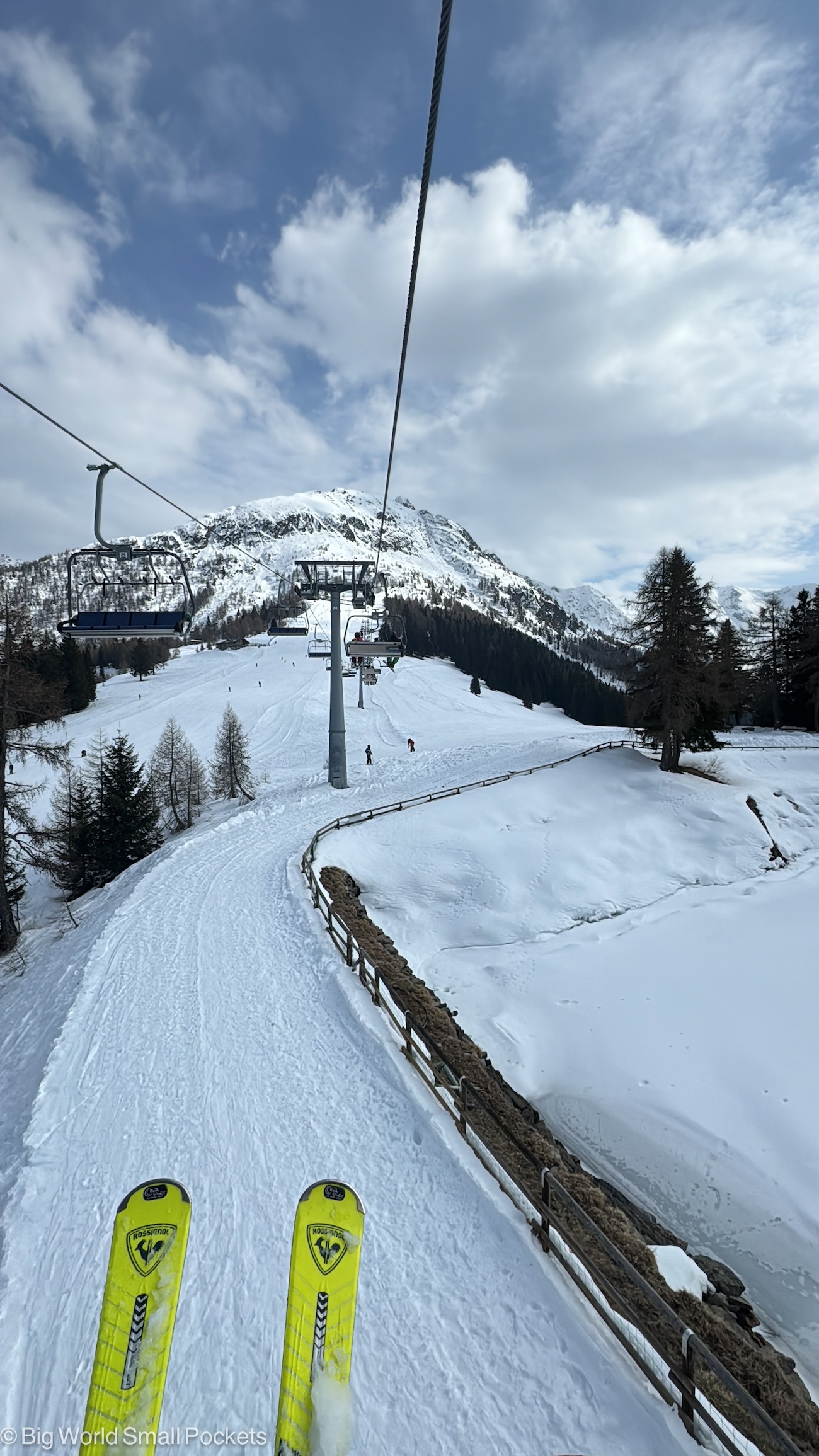
Rocca Fiorita Apartments are excellent value and located close to the ski lifts, making early starts easy.
We stayed in their 1 bedroom apartments, which had separate lounge / diner with kitchen and bathroom with good hot water and pressure.
There was also a lovely balcony with a view of the slopes.
Typical Cost: around £60 per person per night based on sharing
Self catering is a big money saver here, especially with local supermarkets, just a few minutes walk away, offering affordable fresh produce.
Evening Atmosphere
Aprica evenings are quiet and cosy. Think wine bars, pizzerias and early nights ready for the slopes.
The resort also boasts night skiing on the famous Superpanoramica slope (the longest illuminated run in Europe).
This usually operates on specific evenings during the winter season.
The slope is illuminated from 7:30pm-11pm, giving you a chance to carve under the stars.
Typical night skiing opps in Aprica are on Thursday, Saturday and Sunday evenings.
These schedules can vary by season and weather conditions, so check when you arrive for the latest updates.
Day 6: Aprica to Lake Como
Getting from Aprica to Lake Como
This is a surprisingly simple travel day, although you will need to set off as early as possible to get the most from your day.
First take the local bus from Aprica to Sondrio
Then take the train from Sondrio to Varenna-Esino
Total Journey Time: around 3 hours
Total Cost: approximately £10 to £15
It’s best to book the train journey ahead of time using Trainline and check the bus timetable to ensure your journeys match up.
Why Disembark at Varenna-Esino
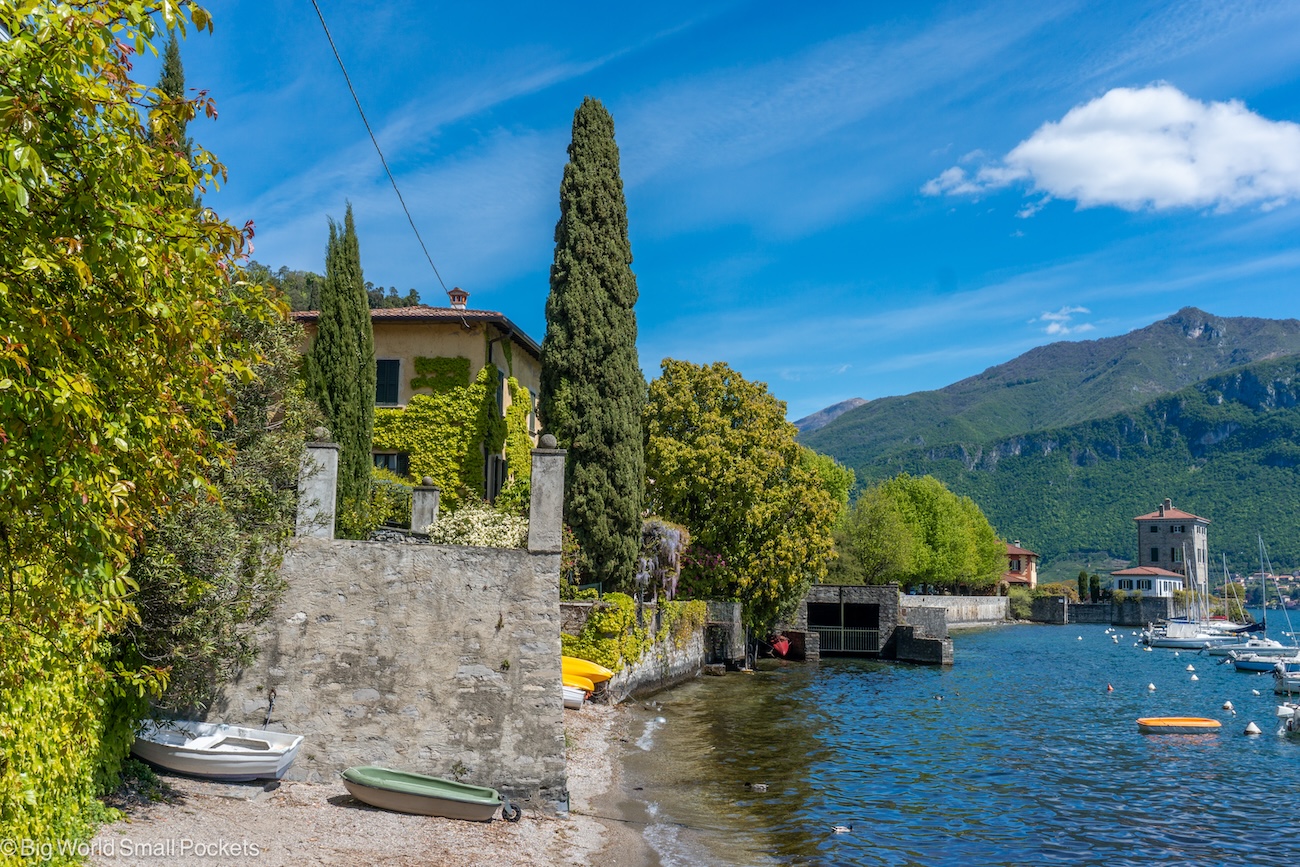
Varenna-Esino is the best station for Lake Como’s prettiest towns in the central lake area.
You can easily walk from the train station to the ferry terminal in Varenna and enjoy some of the most scenic towns on the lake.
Varenna-Esino is a much better option than getting the train to Como town itself.
Learn why in the perfect Lake Como day trip itinerary I created.
Ferry to Bellagio
From Varenna, ferries run frequently to Bellagio – one of the most iconic towns on Lake Como.
Crossing Time: around 15 minutes
Cost: roughly £5
Learn more about how to buy ferry tickets at Lake Como.
Evening in Bellagio
Bellagio is magical in the evening once day trippers leave.
Wander the narrow lanes, enjoy lakeside views and have dinner overlooking the water.
Where to Stay in Bellagio
- Nenè-Il Vicolo Apartments and Rooms
- B&B Lake IT Bellagio
- Antica Filanda
- Acero Rosso
- Blue Bellagio
- Appartamenti Casa La Rosa
Day 7: Lake Como to Milan

Morning in Lake Como
Spend your final morning enjoying the lake atmosphere.
A short walk, a coffee by the water and a ferry ride back to Varenna makes for a relaxed start.
If you have time, the Villa Monastero in Varenna is well worth a visit.
Entrance starts from just 10€.
Train to Milan
From Varenna-Esino, direct trains run to Milan Centrale.
Journey Time: around 1 hour
Cost: £7 to £15
Book in advance using Trainline.
Exploring Milan
On arrival in Milan Centrale, use the left luggage at the station to drop your bags and then hop on the metro to head straight to the Duomo, one of Europe’s most impressive cathedrals.
Booking tickets for this huge cathedral online in advance definitely saves time and often money.
Don’t miss climbing up onto the roof terraces either – this is the best bit!
Get your skip-the-line Duomo terraces tickets in advance.
Ticket Prices: around £15 to £20.
Learn more about how to spend the perfect one day in Milan.
Where to Eat in Milan
Risoelatte is a great budget friendly option close to the Duomo, serving classic Milanese comfort food in a stylish retro setting.
Mains typically cost £12 to £18.
Leaving Milan
Milan works well as a final stop thanks to its two major airports and extensive rail connections across Italy and Europe.
Evening flights home mean you do not need a final hotel night.
As always, I use Skyscanner for the best light deals.
Mini Travel Guide
Getting There
I recommend Skyscanner for getting the best flights deals and Trainline for booking trains across Switzerland and Italy.
Best eSIM
Holafly offer unlimited data eSIMs for Italy and Switzerland – perfect for staying connected across both countries.
Travel Insurance
World Nomads offer simple and flexible travel insurance. Buy at home or while travelling and claim online from anywhere in the world.
Travel Money
Switzerland uses the Swiss Franc (CHF) and Italy use the Euro (€).
I always travel Europe with my Wise card, which makes spending abroad in both countries cheaper with real exchange rates and no sneaky transaction or ATM fees – grab yours here.
Luggage Storage
Store your luggage for less with LuggageHero.
SAVE THIS ARTICLE TO PINTEREST!


This itinerary delivers exceptional variety in just 7 days.
You experience Swiss efficiency, Alpine landscapes, world class rail travel, affordable skiing, iconic Italian lakes and a major European city.
It works because it is logical, scenic and budget conscious.
Each leg is short, costs are manageable, and the experiences feel far more expensive than they are.
For travellers who love trains, mountains and good food on a budget, this route is hard to beat!
This page contains affiliate links meaning Big World Small Pockets may receive a small commission on any purchases at no extra cost to you.
