


Venice has a reputation for being wildly expensive, mostly because it can be!
If you follow the crowd into the first café on St Mark’s Square, order a gondola on impulse, and rely on single vaporetto tickets like they’re bus fares, your bank card will start sweating.
But Venice can also be brilliant value, especially if you plan around 2 things – where you base yourself and how you move around the lagoon.
This guide focuses on practical, budget-first choices that still give you the full Venice magic – sunrise canals, cicchetti (little bar snacks), wandering quiet backstreets, and hopping to colourful islands without taking out a small loan.
Related Posts
- How to Day Trip to Lake Como For Less
- Ideal 3 Day Rome First Timer Itinerary
- How to Spend One Day in Trieste, Italy
5 Quick Tips for Visiting Venice on a Budget
- Stay in the right area
For the best balance of price, atmosphere, and easy access, look at Cannaregio on the main island, or Mestre on the mainland if you want the absolute cheapest sleeps. - Visit in the shoulder season
Aim for late autumn to early spring (avoiding major holidays) for noticeably lower accommodation prices and fewer crowds. - Use a transport pass, not single tickets
ACTV travelcards can save you a lot if you plan to use vaporetti more than a couple of times a day. Official prices include 24h (25€), 48h (35€), 72h (45€), and 7 days (65€). - Choose the smartest way into Venice
From Marco Polo Airport, the bus to Piazzale Roma is often the cheapest straightforward option, with ATVO advertising airport services and info online. - Be strategic with discount cards and fees
If you are 6 – 29, the Rolling Venice card can unlock discounted offers (including a discounted 72 hour ACTV ticket).
Also keep an eye on the Venice Access Fee rules if you are day-tripping. The official Access Fee site posts updates on trial periods.
What “Budget Venice” Actually Means
Budget in Venice is less about doing everything for free (although wandering the city costs nothing and is genuinely one of the best bits), and more about avoiding the classic money traps…
- Paying premium prices in the most touristed squares
- Booking transport the expensive way
- Choosing accommodation locations that force you into pricey commutes
- Paying for attractions you do not really care about, just because everyone else is doing them
If you swap those for a smart base, cheaper cicchetti bars, and a pass-based transport plan, Venice becomes far more manageable.
Where to Stay in Venice for the Best Value
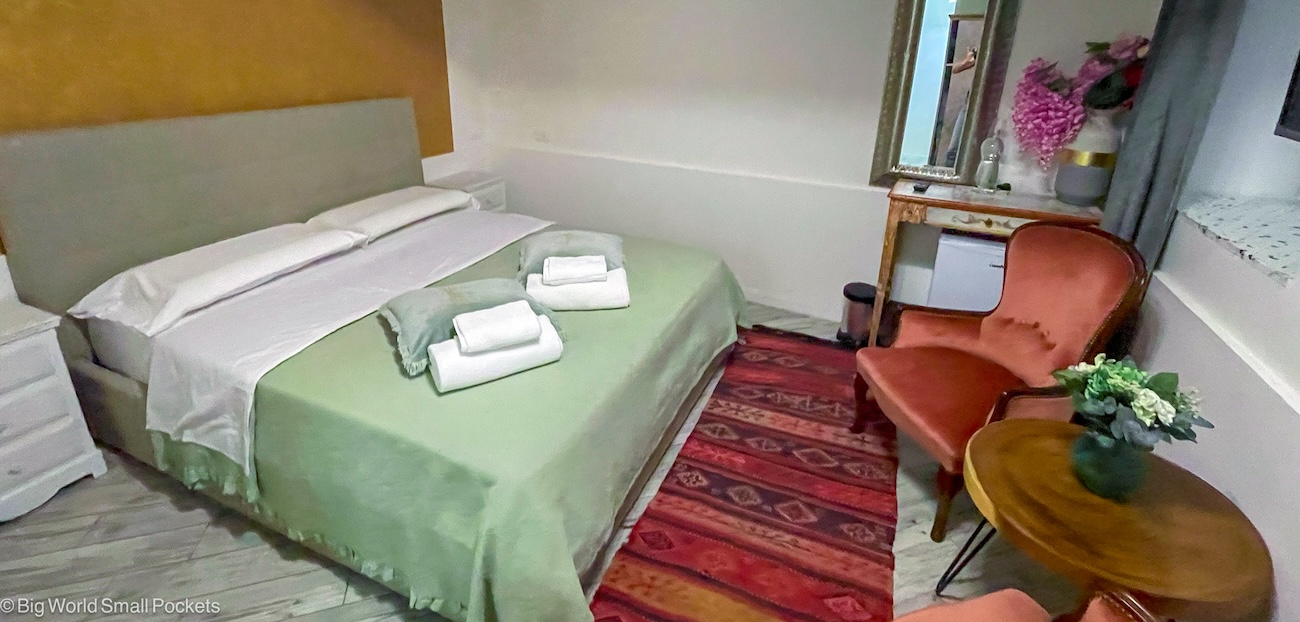
The biggest budget decision is whether you sleep on the islands (historic Venice), or on the mainland (Mestre or Marghera).
Both can work – it just depends on what you value more… waking up in the dreamscape, or saving serious cash.
Best Value on the Main Island: Cannaregio
Suits: First timers who want the Venice vibe without paying San Marco prices
Cannaregio is my favourite budget-friendly sweet spot on the main island.
It has a local feel once you step away from the station area, plenty of simple eateries, and excellent access to the Grand Canal and vaporetto routes.
You are close enough to walk to major sights, but far enough out to dodge some of the highest price tags.
Best Value with a Quieter Vibe: Dorsoduro
Suits: Travellers who want evenings that feel less like a theme park
Dorsoduro can be a great “calm but still central” option, especially around Campo Santa Margherita.
It’s walkable to a lot, has student energy in places, and is often better value than the most famous central zones.
Most Expensive (But Most Iconic): San Marco
Suits: Those enjoying a special occasion trip
San Marco is the postcard.
It’s also typically the priciest for accommodation and dining.
If your budget is tight, you can still spend loads of time here, just do it by day, then retreat to a better-value neighbourhood for dinner.
Cheapest Sleep: Mestre (Mainland)
Suits: budget travellers, families needing bigger rooms, and anyone who values space
If your priority is price, Mestre is where the bargains are.
You will trade some romance (you are not stepping out into a canal at 7am), but you can save a chunky amount on accommodation and still be in Venice quickly via train or bus.
Which Area Makes Sense for Your Budget?
| Area | Typical Price | What You Get | Watch Outs | Best For |
| Cannaregio | Mid | Main island atmosphere, good links | Near station can feel busy | Best overall value on-island |
| Dorsoduro | Mid to mid-high | Calmer streets, great walking | Fewer “big name” sights right there | Slower-paced stays |
| San Marco | High | Ultimate convenience, iconic views | Expensive cafés and hotels | Short splurge trips |
| Mestre | Low | Cheaper hotels, bigger rooms | Commuting, less Venice magic at night | Strict budgets |
Best Time of Year to Visit Venice for Lower Prices
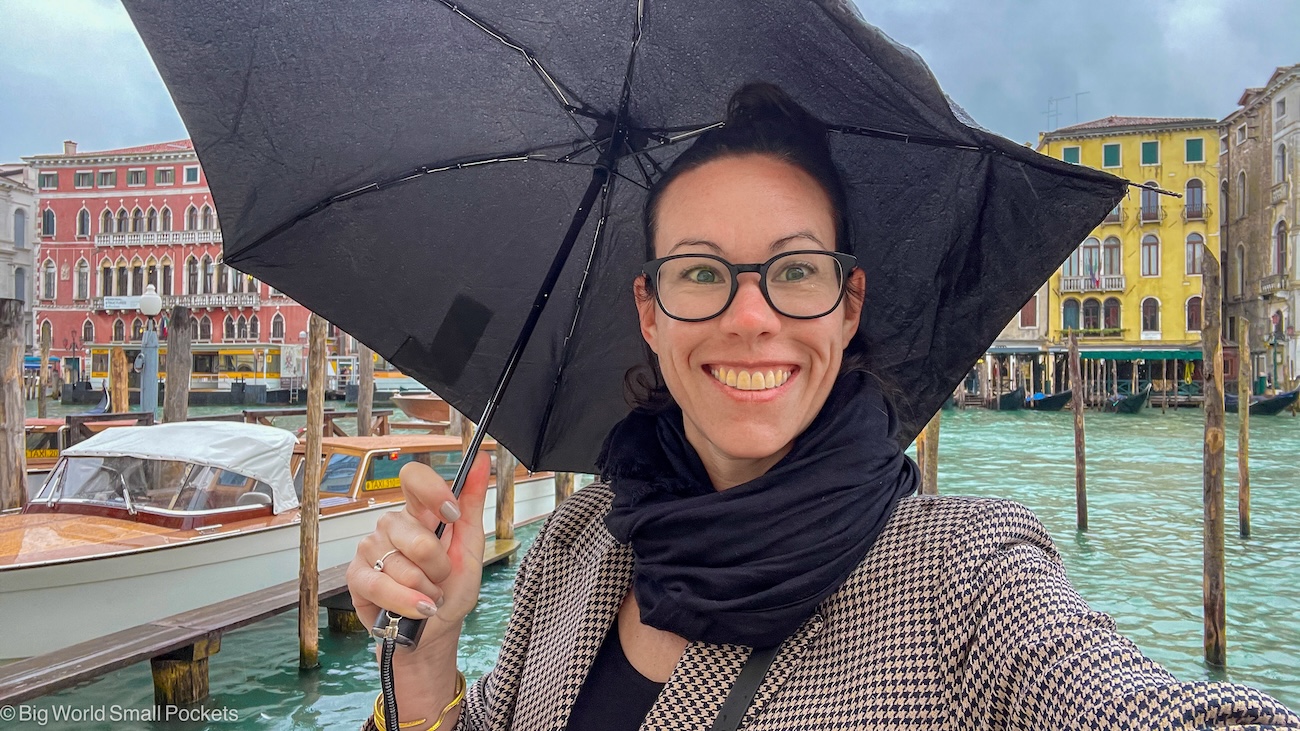
Venice pricing is heavily seasonal, and it’s not subtle about it.
Shoulder Season Winners: Late Autumn & Winter (excluding holidays)
Late autumn and winter can be excellent for budget travellers, with lower hotel rates, easier restaurant bookings, and more space on the streets.
Yes, it’s colder and sometimes misty, but Venice in atmospheric fog is basically a film set.
Spring & Early Autumn: Great Weather, Higher Prices
Spring and early autumn are gorgeous, but you will generally pay more for accommodation.
If you travel at this time, focus on savings through location (Cannaregio or Mestre) and food (cicchetti instead of sit-down tourist menus).
Crowd Management & Day Trip Fees
Venice has trialled an Access Fee for day visitors on certain peak days,
Since 2025, there has been a 5€ daily fee fee for Venice day trippers, applying in specific hours.
If you are staying overnight, you may be exempt, but always check the current rules for your travel dates.
How to Get to Venice Cheaply (From the UK & Beyond)
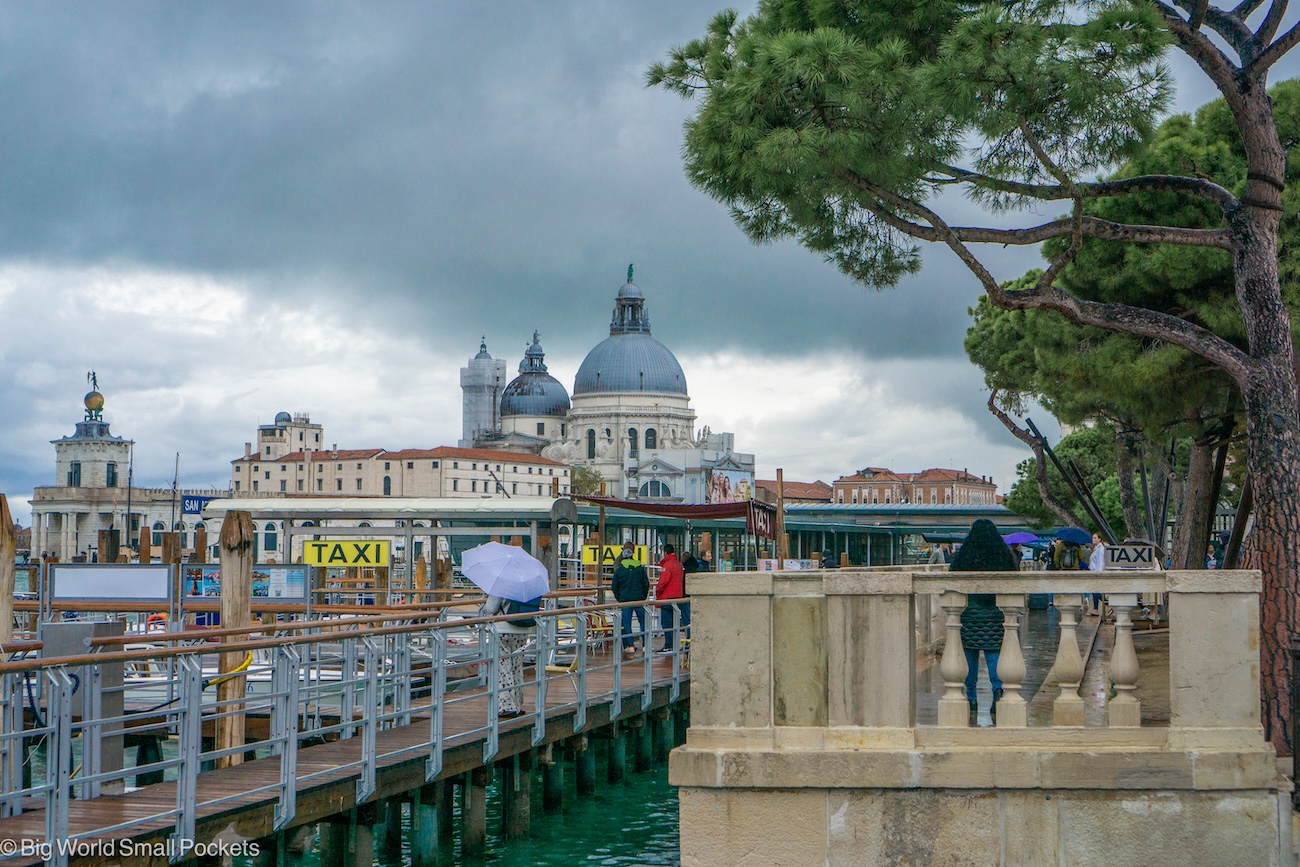
Flying to Venice
Most travellers fly into Venice Marco Polo Airport (VCE).
As always, I recommend Skyscanner for finding the best flight prices.
Bus from Marco Polo Airport to Venice (Piazzale Roma)
ATVO runs a direct airport bus service.
Once you arrive at Piazzale Roma, you are at the edge of car-free Venice and can walk or take a vaporetto onwards.
Budget Logic: Bus is cheaper than water-based options, and simpler if you are staying near the station or in Cannaregio.
Water Bus from Marco Polo Airport (Alilaguna)
Alilaguna is the public water service linking the airport to Venice and lagoon stops.
This can be a lovely arrival experience because Venice appears in front of you like a stage reveal, but it does cost more than the bus.
Budget Logic: Pay extra for the water bus experience, or if it drops you closer to your accommodation and saves you additional vaporetto trips.
Train into Venice
If you are coming from elsewhere in Italy or Europe, the main station is Venezia Santa Lucia, which is already on the island.
This is the easiest “arrive and walk into Venice” option.
Book your trains to Venice from Rome, Milan and elsewhere in Europe using Trainline.
FlixBus to Venice
If you are travelling Venice on a tight budget, long distance coaches are often cheaper than trains, especially when booked last minute or during busy travel periods.
One of the most popular options is Flixbus, which connects Venice with cities across Italy and much of Europe.
Typical routes where FlixBus operate include….
- Milan to Venice
- Florence to Venice
- Rome to Venice
- Munich, Vienna, Ljubljana, and Zagreb to Venice
On longer European routes, overnight buses can also double as accommodation, which helps stretch a travel budget even further.
Most FlixBus services arrive at either…
- Venice Tronchetto bus station
- Mestre bus station
From Tronchetto, you can take the People Mover to Piazzale Roma, then walk or hop on a vaporetto.
From Mestre, Venice Santa Lucia station is just a short regional train ride away, often costing only a few euros and taking around 10 minutes.
Budget Tip: If you are staying in Mestre, arriving there directly can save both time and money.
FlixBus is particularly good value if you are…
- Booking late and train prices are high
- Travelling overnight and want to save on a hotel night
- Crossing borders within Europe where train connections are slower or require multiple changes
- Based in Mestre rather than the historic centre of Venice
How to Get Around Venice without Overspending
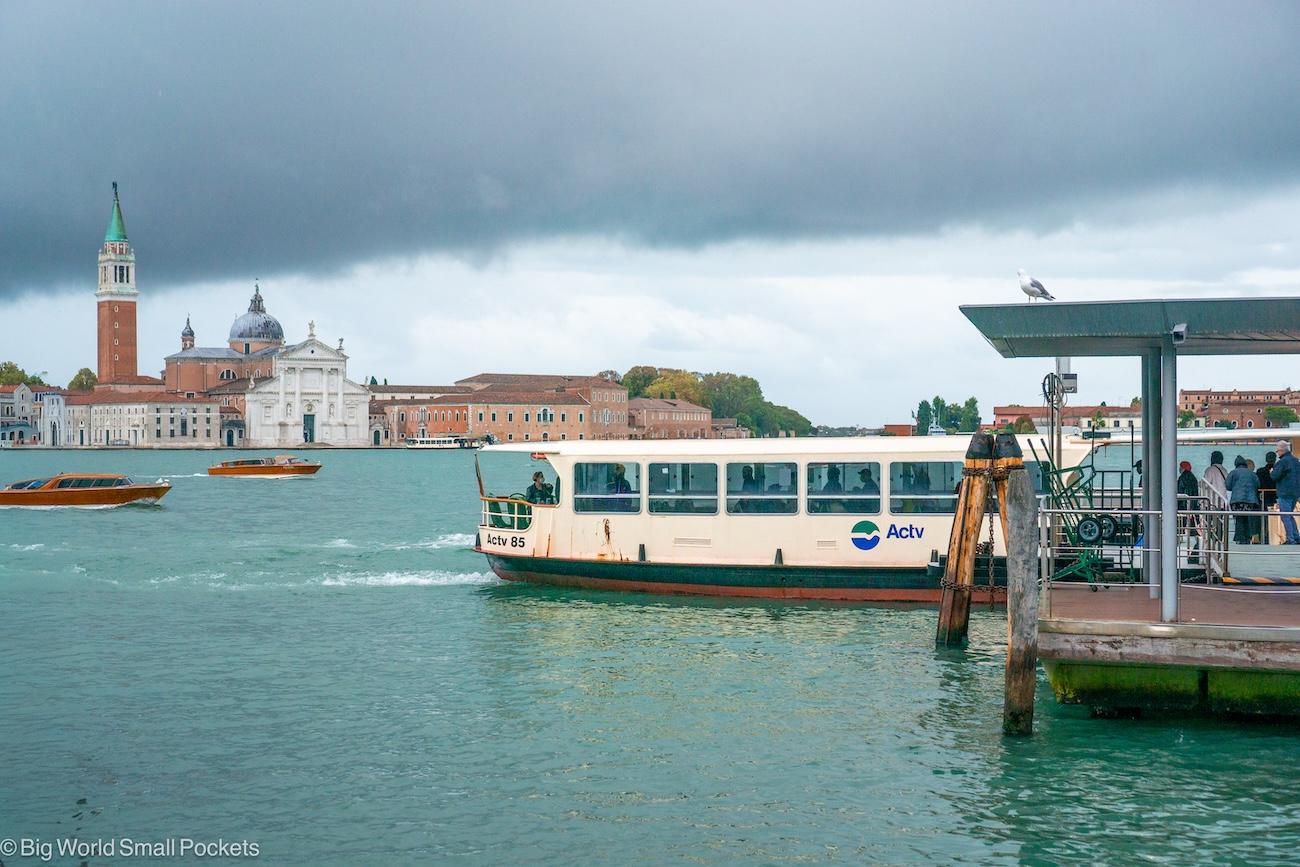
Venice is a walking city with boat “public transport” stitched through it.
Your budget success depends on knowing when to walk, when to take the vaporetto, and when not to.
Walk More Than You Think
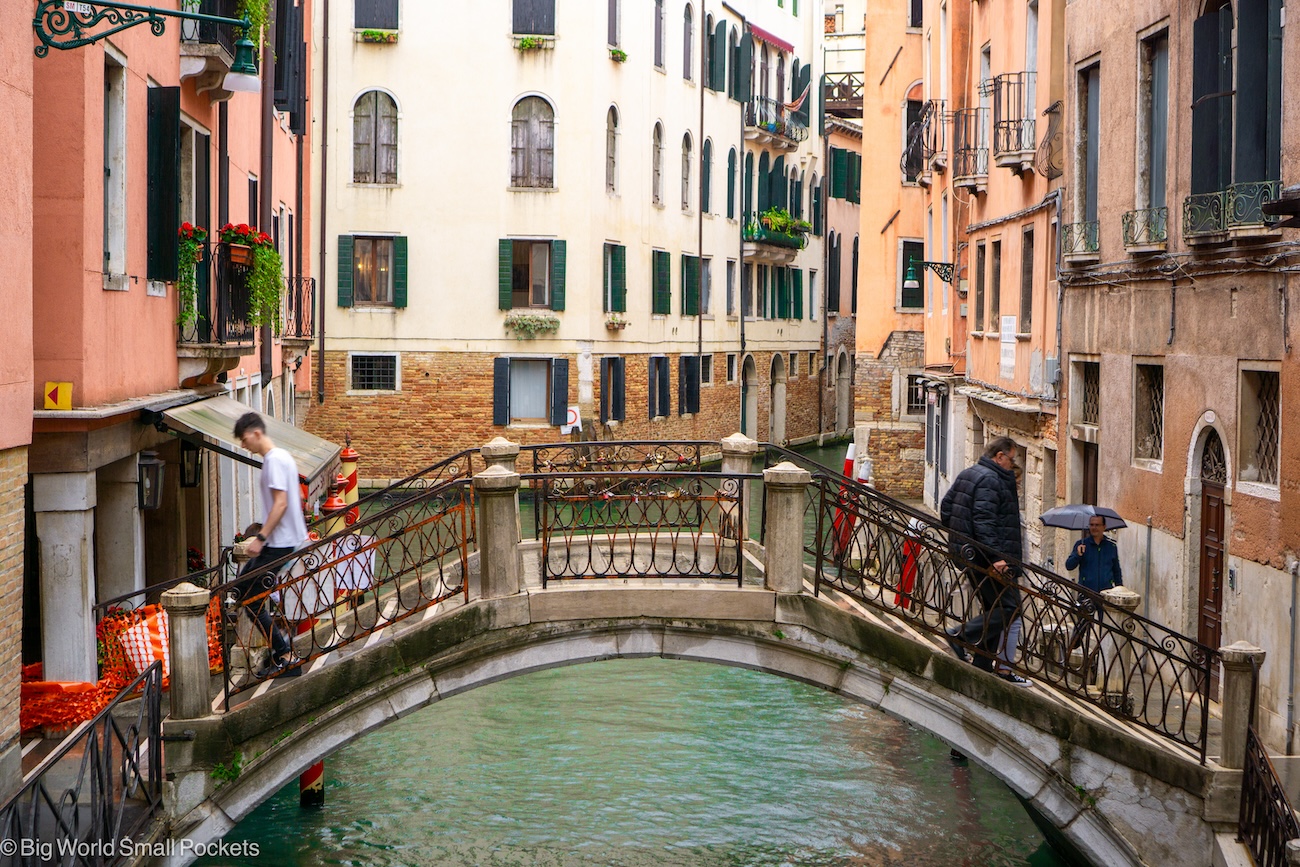
A lot of Venice is best experienced slowly – little bridges, quiet alleys, surprise canals, and accidental beautiful courtyards.
Walking is also the cheapest way to get around, obviously, and it often beats the vaporetto for short hops once you get your bearings.
Vaporetto Tickets: Basics to Know
Single tickets are expensive, so they only make sense if you will use the vaporetto once, maybe twice.
Venezia Unica’s website lists current standard public transport ticket pricing, including…
- 75 minute ticket – 9.50€
- 24h – 25€
- 48h – 35€
- 72h – 45€
- 7 days – 65€
When a Transport Pass Pays Off
If you will use the vaporetto more than twice in a day, a 24 hour pass can start making sense fast.
If you plan islands (Murano, Burano), sunset rides, and airport transfers, the maths usually favours travelcards.
People Mover & Buses
Venice also has the People Mover (handy between Piazzale Roma, Tronchetto, and the cruise terminal area), and there are buses and trams on the mainland side.
The key is to treat Mestre and Venice as one connected system if you are staying outside the historic centre.
Discount Cards & Passes
ACTV Travelcards
These are the big one for budget travellers who plan to use boats. The official prices above are the benchmark.
Rolling Venice (Aged 6–29)
If you are eligible, Rolling Venice is a genuine money-saver.
It’s a youth discount card sold via Venezia Unica, priced at 6€.
Venezia Unica also notes that Rolling Venice cardholders can access a discounted 72 hour ACTV ticket price (listed as 27€ instead of 45€).
Museum Passes
Venice is more about atmosphere than box-ticking attractions, but if you love museums and plan to do several, a pass can help.
Venezia Unica provides a portal for Civic Museums (MUVE) pass options.
Budget Advice: Do the free things first (wandering, viewpoints, neighbourhood exploring), then pay for the 1 – 2 attractions you truly care about.
Budget Itinerary for 2-3 days in Venice
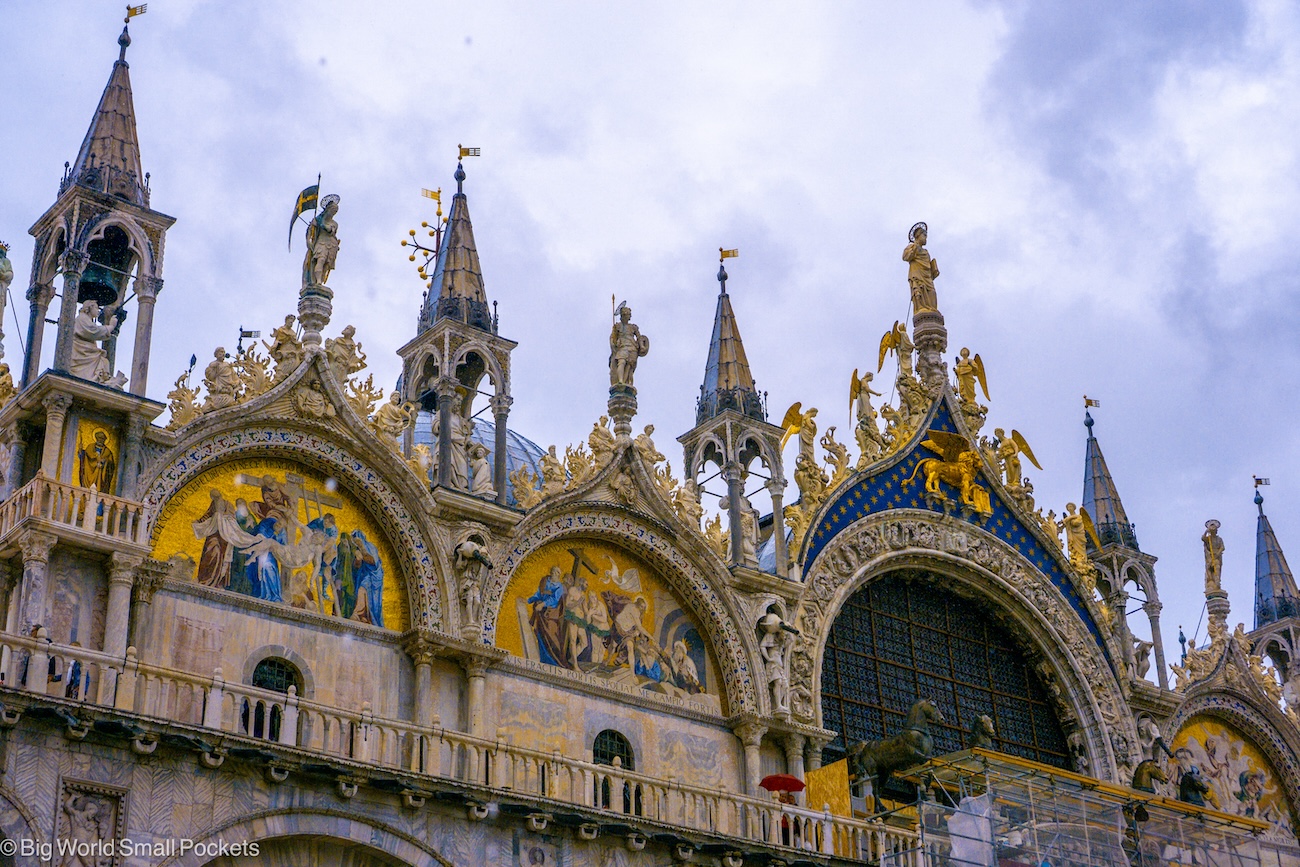
Day 1: Classic Venice, Mostly on Foot
- Arrive early, drop bags, walk from Cannaregio towards Rialto via backstreets
- Sunset walk along the Zattere (if based in Dorsoduro) or along quieter canals
- Dinner as cicchetti and a drink in a local bacaro instead of a sit-down tourist menu
Day 2: Island Day (Where Passes Help)
- Vaporetto out to Murano and Burano
- Back to Venice for an evening vaporetto ride down the Grand Canal (cheap “cruise” if you already have a pass)
Day 3: Choose 1 Paid Highlight
- Pick one: Doge’s Palace area, a museum cluster, or a church you really want to see
- Spend the rest simply getting lost, which is Venice’s best unpaid activity
Common Budget Mistakes to Avoid in Venice
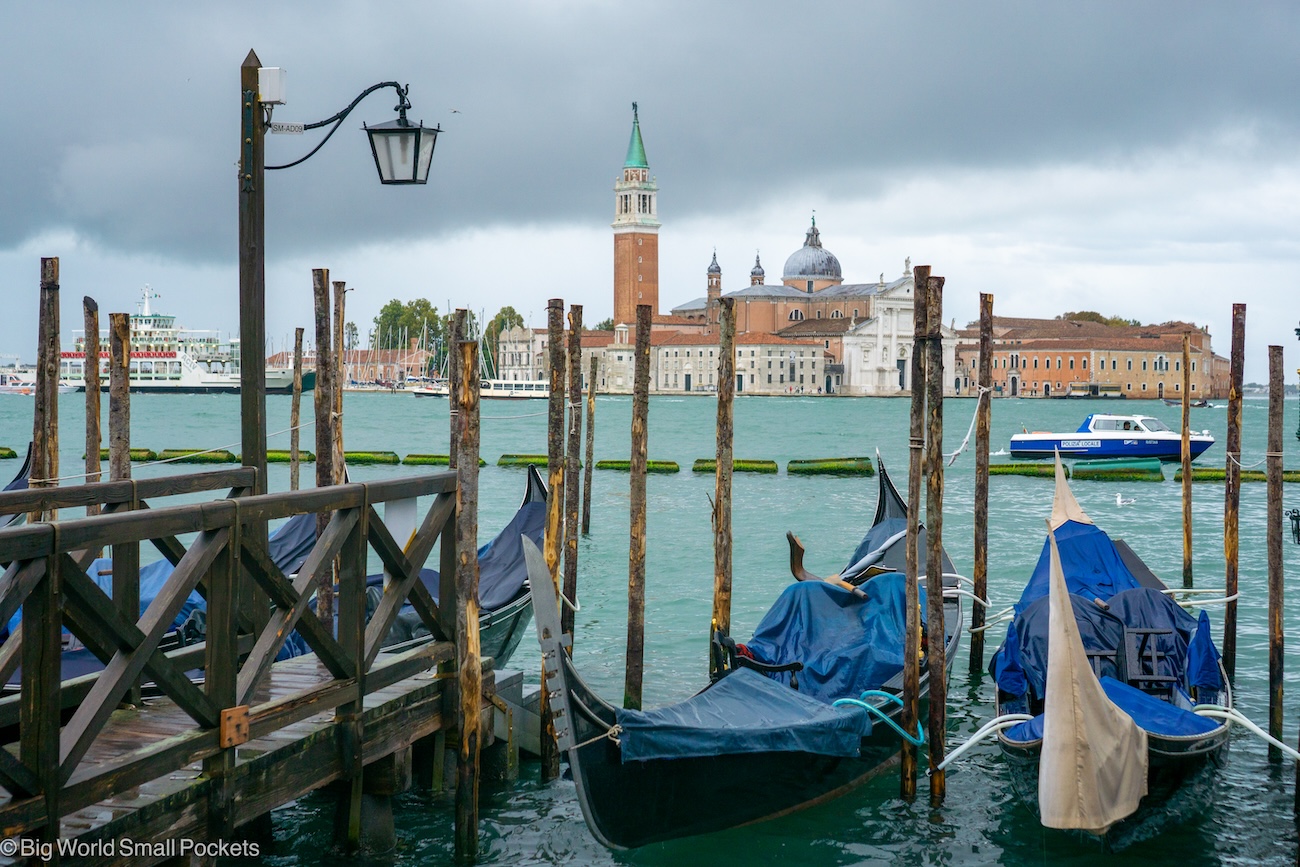
- Treating gondolas like public transport – they are a fun splurge, not a budget ride. Use the vaporetto for scenic cruising
- Staying too far out without a transport plan – Mestre can be excellent value, but only if you know your train or bus plan and timings
- Paying for single vaporetti repeatedly – the 75-minute ticket price makes this add up quickly.
- Eating in the most touristed squares – walk 2 or 3 streets away and prices often improve, plus the food does too.
Mini Travel Guide to Venice
Best eSIM for Italy
Holafly offer unlimited data eSIMs for Italy that are perfect for staying connected across the country.
Travel Insurance
World Nomads offer simple and flexible travel insurance. Buy at home or while travelling and claim online from anywhere in the world.
Travel Money
Italy use the Euro.
I always travel Europe with my Wise card, which makes spending abroad cheaper with real exchange rates and no sneaky transaction or ATM fees – grab yours here.
Luggage Storage
Store your luggage for less in Venice with LuggageHero.
SAVE THIS ARTICLE TO PINTEREST!


This page contains affiliate links meaning Big World Small Pockets may receive a small commission on any purchases at no extra cost to you.
