


Malta may be a small country, but it punches well above its weight when it comes to culture, history, beaches and unforgettable experiences.
Sitting proudly in the Mediterranean Sea, this island nation has been shaped by thousands of years of history, from prehistoric temples to the legacy of the Knights of St John and the scars left behind by World War II.
This complete guide to things to do in Malta brings together history, coastlines, cities, food and budget-friendly experiences across the Maltese archipelago.
Jam-packed with activities and unique places to add to your travel bucket list, whether this is your first visit or a return trip, here are the top things to do in this must-visit destination…
Related Posts
#1 Explore Valletta’s History & Culture

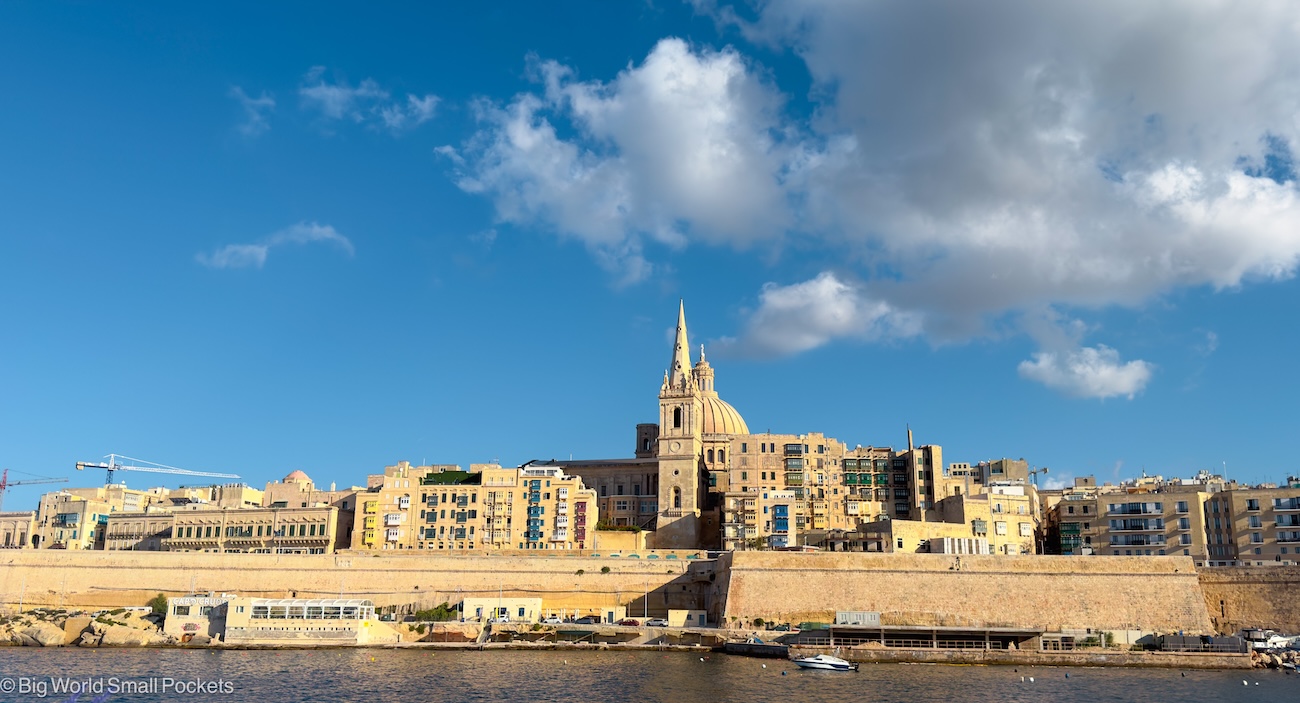
Malta’s capital may be compact (it’s only 1sqkm!), but it’s absolutely bursting with things to see and do.
A UNESCO World Heritage site, with 320 historic monuments dotting its tiny area, Valletta is actually one of the most concentrated historic areas in the world.
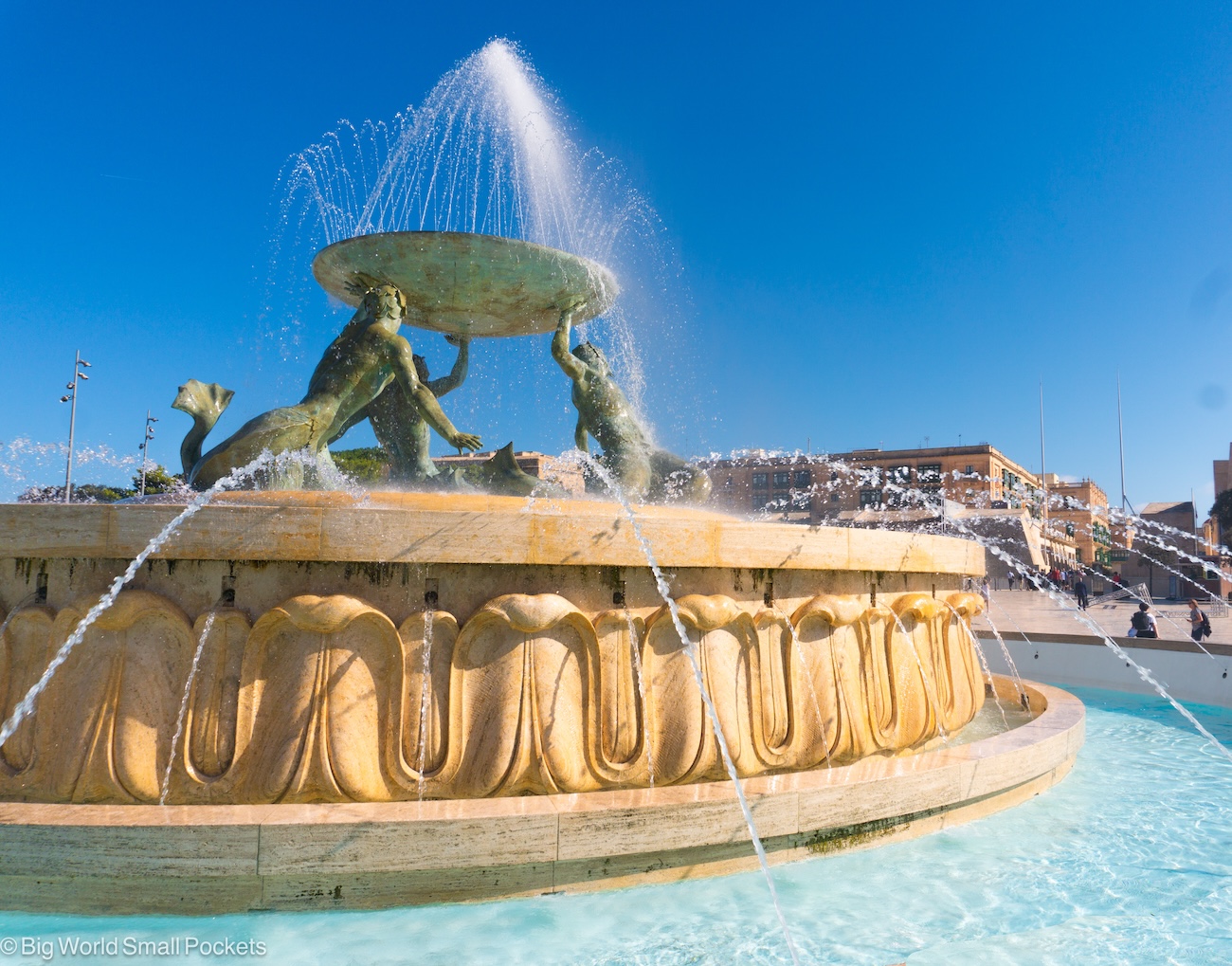
Start your visit at the majestic Triton Fountain, a 1950s masterpiece featuring 3 bronze sea gods hoisting a massive basin.
Once you’ve done your fair share of admiring, enter the city walls through the impressive City Gate and its visually stunning Parliament Building. Both of these architectural masterpieces were designed by renowned architect Renzo Piano in 2014.
A visit to St. John’s Co-Cathedral is a must in Valletta too, especially if you want to see Baroque architecture, elaborate marble carvings, and vaulted ceilings.
St. John’s Co-Cathedral also houses quite a few Caravaggio masterpieces, such as The Beheading of St John the Baptist, so don’t miss the exhibition about this incredible artist’s work upstairs – it’s free with your entrance ticket.
Sticking with the military theme, make sure you don’t miss the cannon firing ceremony at the Saluting Battery either – not only is it a nod to Valletta’s defensive tradition, but it’s also an excellent way to snap pics of the Grand Harbour.
Just don’t be late, though! The area gets crowded very quickly, so arriving before 11:30am is a must if you want a good view.
#2 Visit the Museums of Valletta

You can’t visit Valletta without stepping inside one of the city’s museums.
The star-shaped Fort St. Elmo is also one of this city’s must-see sights.
A historic fortress, which played an important role in defending this fortified city during the Great Siege of 1565, it now houses the fantastic National War Museum – actually far more interesting than it sounds!
Next up should be the Lascaris War Rooms.
It’s a series of underground tunnels used by the British during the war to plan top-secret military operations.
Oh, and don’t skip the National Museum of Archaeology, where you’ll find pieces like the Sleeping Lady and the Venus of Malta, excavated from the country’s prehistoric temples.
Want things to visit in Malta other than history?
Try the National Museum of Fine Arts or MUŻA.
Housed in a 16th-century Auberge d’Italie building, MUŻA has an impressive collection of Maltese and European art.
#3 Take in the Views at Barrakka Gardens

Valletta’s Barrakka Gardens is the perfect place for a spot of peace and quiet.
It’s actually split into Upper and Lower Gardens, which are within a 15 minute walk of each other.
Upper Barrakka Gardens is at the southeastern edge of Valletta, and it is the best place to be if you want a good view of the Grand Harbour.
Remember the Saluting Battery I mentioned earlier? That’s right below the Upper Barakka Gardens.
The ceremony takes place between 12pm to 4pm, and it’s not something you should miss.
The Lower Barrakka Gardens, on the other hand, is much quieter.
It’s generally more relaxed here, and you can easily spend hours watching ships go in and out of Malta’s port.
You’ll also find the Siege Bell Memorial here, which rings every day at noon to remember those who died during the Siege of Malta in World War II.
Check out my guide for exploring Malta’s capital for more unmissable things to do in Valletta.
#4 Cross the Grand Harbour & Visit the Three Cities (Vittoriosa, Senglea, Cospicua)

If you want to see Valletta from a completely different perspective, crossing the Grand Harbour to visit the Three Cities is one of the most rewarding experiences in Malta
This historic harbour is not only one of the most beautiful natural harbours in Europe, but also one of the most important in Maltese history, shaped by centuries of naval power, trade and conflict.
The Three Cities are Vittoriosa, Senglea and Cospicua.
Together, they form a quieter, more lived-in alternative to Valletta and offer a glimpse into everyday Maltese life away from the main tourist trail.
One of the best ways to reach the Three Cities is by traditional Maltese dgħajsa.
These small wooden boats have been ferrying people across the Grand Harbour for generations and remain one of the most atmospheric ways to travel.
The short journey offers fantastic views back towards Valletta’s city walls and waterfront, and costs very little, making it a great experience if you’re on a budget.
Historically, the Three Cities were home to the Knights of St John long before Valletta was established as Malta’s capital.
Vittoriosa
Vittoriosa, also known as Birgu, served as the Knights’ original base following their arrival in Malta in 1530.
Walking its narrow streets today, it is easy to see why this fortified settlement was chosen for its strategic position and defensive strength.
Vittoriosa is the highlight for most visitors and a great place to spend a few unhurried hours.
Fort St Angelo dominates the peninsula and played a crucial role during the Great Siege and later conflicts, including World War II.
Nearby, the Inquisitor’s Palace offers insight into Malta’s complex religious and judicial past, while the Malta Maritime Museum explores the island’s long relationship with the sea, from ancient shipbuilding to naval warfare.
Senglea
Senglea, perched on a narrow peninsula opposite Valletta, is known for its waterfront views and quieter atmosphere.
The Gardjola Gardens at the tip of Senglea provide panoramic views across the Grand Harbour and are a great spot for photos or a short rest.
Cospicua
Cospicua, the largest of the three, is surrounded by impressive fortifications and offers a more local feel, with residential streets, churches and small cafés.
Visiting the Three Cities is a great way to balance the busier pace of Valletta with something slower and more authentic.
It also adds depth to any Malta itinerary, helping you understand how this island nation evolved long before its modern capital existed.
#5 Wander Through the Medieval Streets of Mdina

With over 4,000 years of history under its belt, Mdina is an absolute must-visit and one of the most atmospheric places on the island of Malta.
Often referred to as Città Vecchia, or the Silent City, Mdina feels worlds away from modern Malta the moment you step through its ancient gates.
This hsitoric walled city was once Malta’s capital, and remains a perfectly preserved snapshot of life stretching back through the Middle Ages.
Its narrow streets twist between honey-coloured limestone buildings, palaces and churches, all enclosed by imposing city walls that hint at its defensive past.
Today, Mdina is home to just around 300 residents, which adds to its calm, almost suspended-in-time feel.
The contrast between Mdina and Valletta is genuinely striking.
Where Valletta is lively, bustling and full of cafés, shops and traffic, Mdina is quiet, slow-paced and largely car free.
Voices echo softly through the streets, doors remain closed, and even busy days never feel rushed.
It is this stillness that makes Mdina such a unique experience and one of the most memorable stops on any Malta itinerary.
Walking through Mdina is best done without a strict plan.
Let yourself wander along its narrow streets, peer through archways, and admire the blend of medieval and baroque architecture.
St. Paul’s Cathedral dominates the skyline and is well worth visiting for its interior and historical significance, while the views from the city walls stretch across much of the island, reinforcing just how small and compact Malta really is.
For the best experience, it is worth timing your visit carefully.
Morning hours in Mdina tend to bring organised tour groups, which can make the streets feel surprisingly busy.
Scheduling your visit for the afternoon is a better way to enjoy Mdina at a gentler pace, when the crowds thin out and the city regains its peaceful character.
An afternoon visit also sets you up perfectly for golden hour – as the sun lowers, the limestone walls glow warm shades of gold and amber, creating ideal conditions for photography.
Watching the light change over the rooftops and countryside beyond the walls is a quiet, reflective moment and a perfect way to remember your time in this old-world gem from the Middle Ages.
#6 Discover Famous ‘Game of Thrones’ Filming Locations
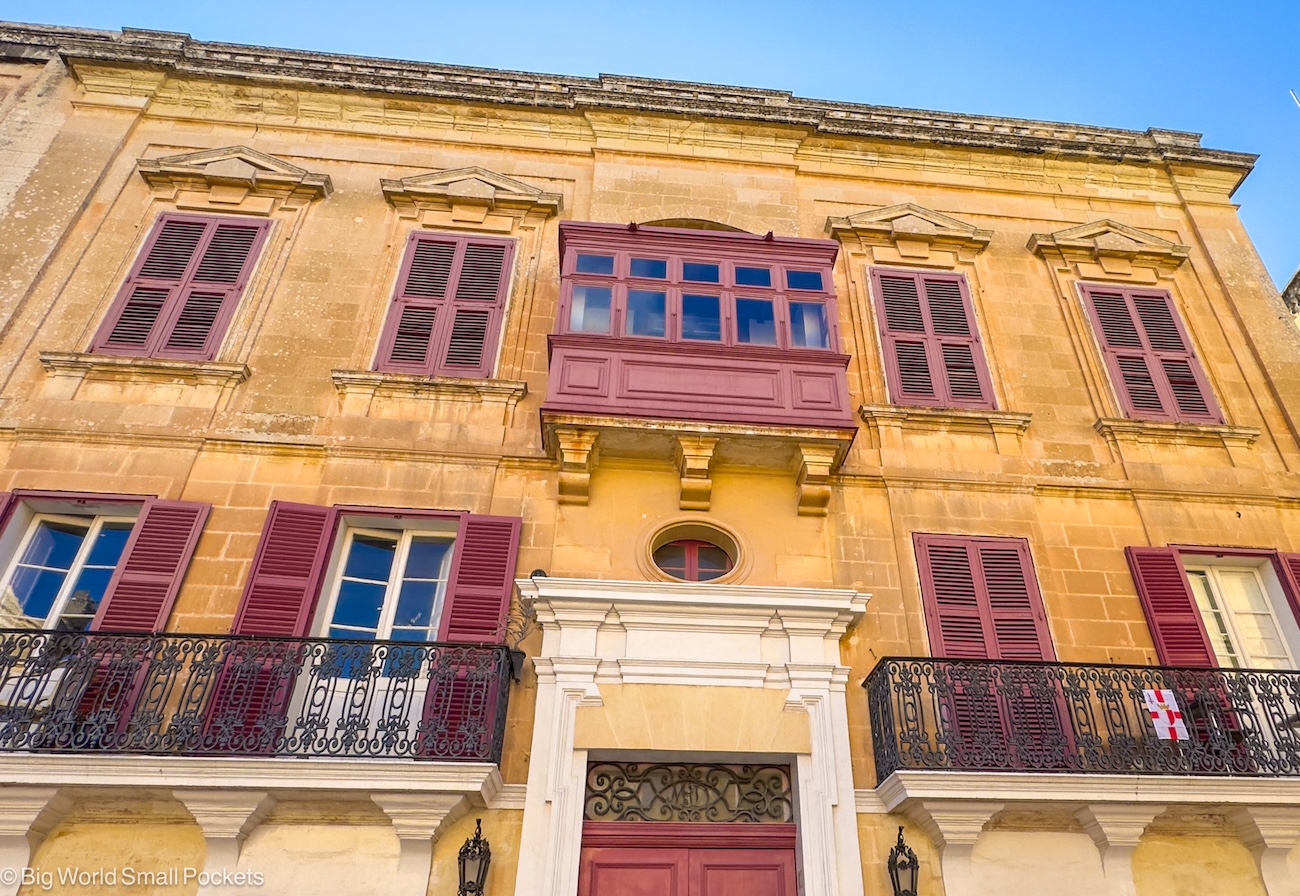
If you’re a Game of Thrones fan, you’ll want to pay attention to this one.
The Azure Window in Gozo always gets attention for being a GOT filming location (more about this later), but did you know Mdina also played a part?
The entire city of Mdina served as the location for King’s Landing during the show’s first season.
Mdina Gate was the gate into King’s Landing, where Catelyn Stark first entered the city.
And if you make your way to Mesquita Square, you’ll recognise it as the exterior of Littlefinger’s brothel. It’s where Littlefinger and Ned had an argument until Catelyn called Ned inside.
#7 Stop by St. Paul’s Cathedral
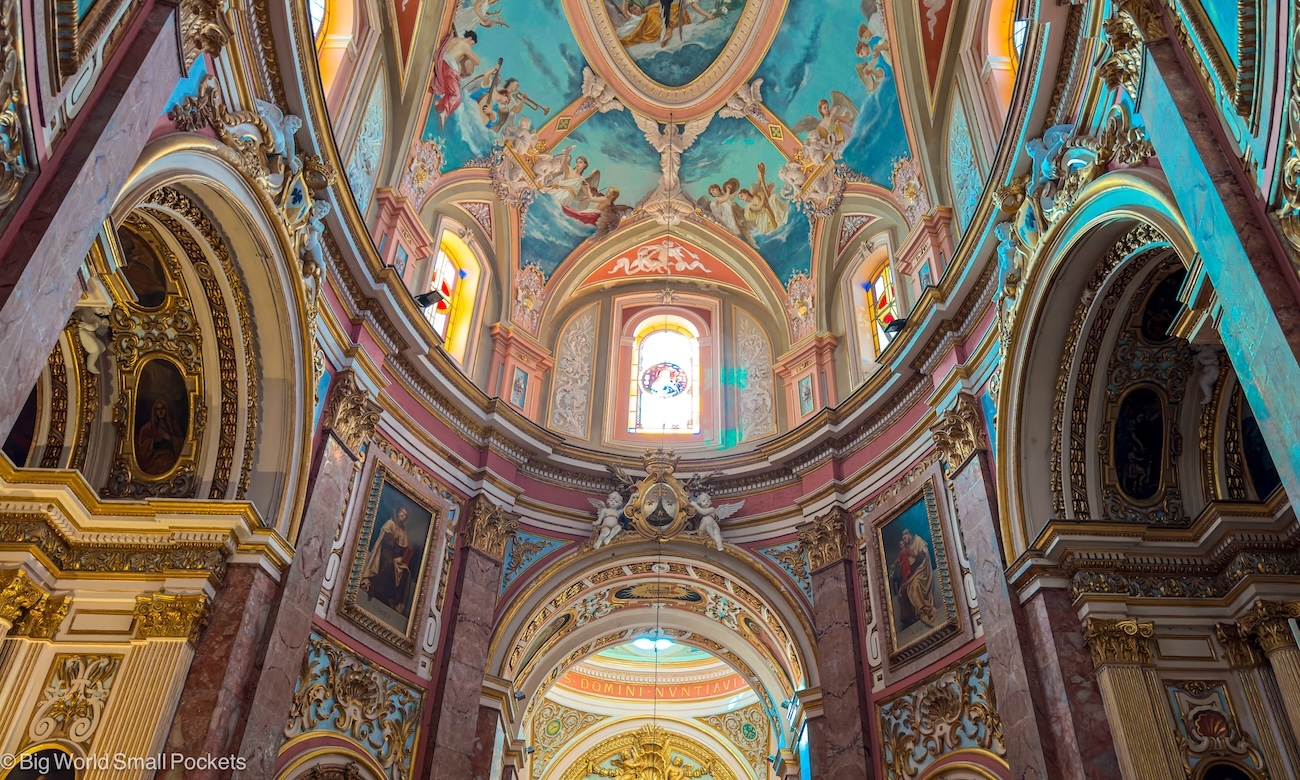
Once you step into Mdina’s main square, you can’t miss St. Paul’s Cathedral. It’s a magnificent Baroque masterpiece that dominates the skyline of Malta’s “Silent City.”
Designed by Lorenzo Gafà in 1702, this grand cathedral was built on the ruins of a 4th century church, allegedly marking the spot where St Paul converted Roman governor Publius to Christianity.
Inside, stained glass windows cast a colourful glow over inlaid tombstones, while the sacristy houses paintings by Mattia Preti and other master artists.
Aside from looking pretty, St Paul’s Cathedral is also deeply significant – it’s the seat of the Maltese Archbishop and the mother church of Malta, sharing its duties with St. John’s Co-Cathedral in Valletta.
#8 Catch a Glimpse of the Stunning Sunset at Dingli Cliffs – Malta’s Highest Point
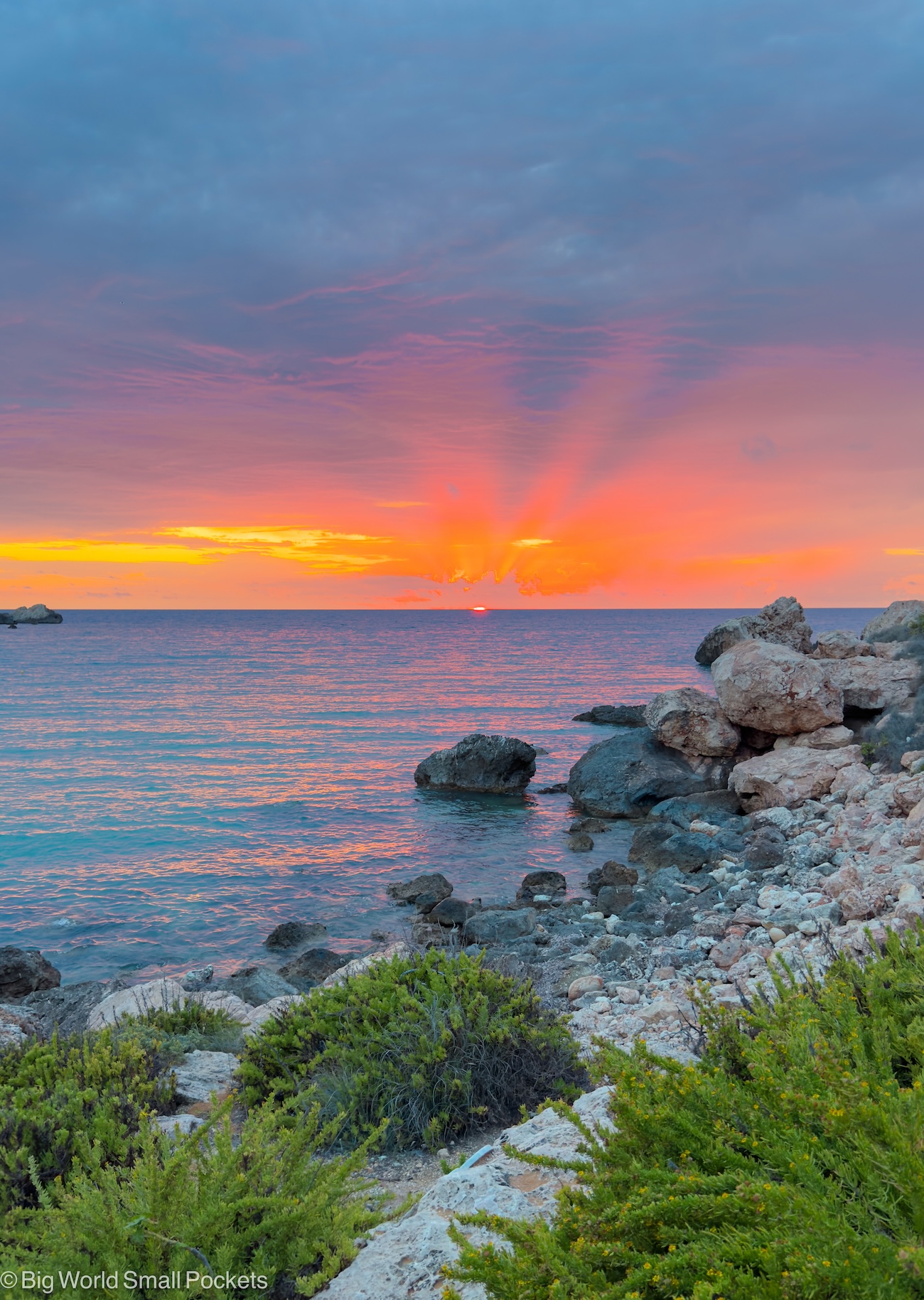
Dingli Cliffs sits 250m above sea level – the highest point on the island of Malta and hands-down the perfect place to get the best sunset views on the island!
For an unobstructed view of southwest Malta’s 2km coastline and the Mediterranean Sea beyond, head over to the cliffside walking path near the St. Mary Magdalene Chapel or along the Triq Panoramika.
You can also enjoy perfect Instagrammable shots by heading to the Dingli Cliffs Window near Siggiewi.
This naturally-formed frame gives you a ideal view of the white cliffs and the sunset together.
#9 Start Your Day at the Colourful Fishing Village of Marsaxlokk
For a true taste of the Maltese islands’ fishing heritage, you’ll want to head to Marsaxlokk.
It’s a charming seaside village on the island’s southeast coast primarily known for fresh seafood.
Visit Marsaxlokk on Sunday, when the fresh fish market is in full swing and make sure you try a Maltese Iampukki (also known as mahi-mahi elsewhere) from one of the numerous stalls and restaurants around the area.
Marsaxlokk is also where you’ll see the colourful luzzu boat – a traditional Maltese fishing vessel.
Most Luzzu boat owners offer boat rides around the bay, which are cool and unique ways to see the area from a different perspective.
#10 See What Makes Popeye Village So Unique
Originally built as the set for the 1980 musical film Popeye, this unique tourist attraction will give you loads of quirky nostalgia!
Located in Anchor Bay, where else would you be able to walk through Olive Oyl’s house, look inside Popeye’s room, or even catch a live-action reenactment of the musical?!
You can also tour the Robin Williams Museum once you’re done exploring Popeye Village.
#11 Experience Mellieħa Bay, Malta’s Largest Sandy Beach
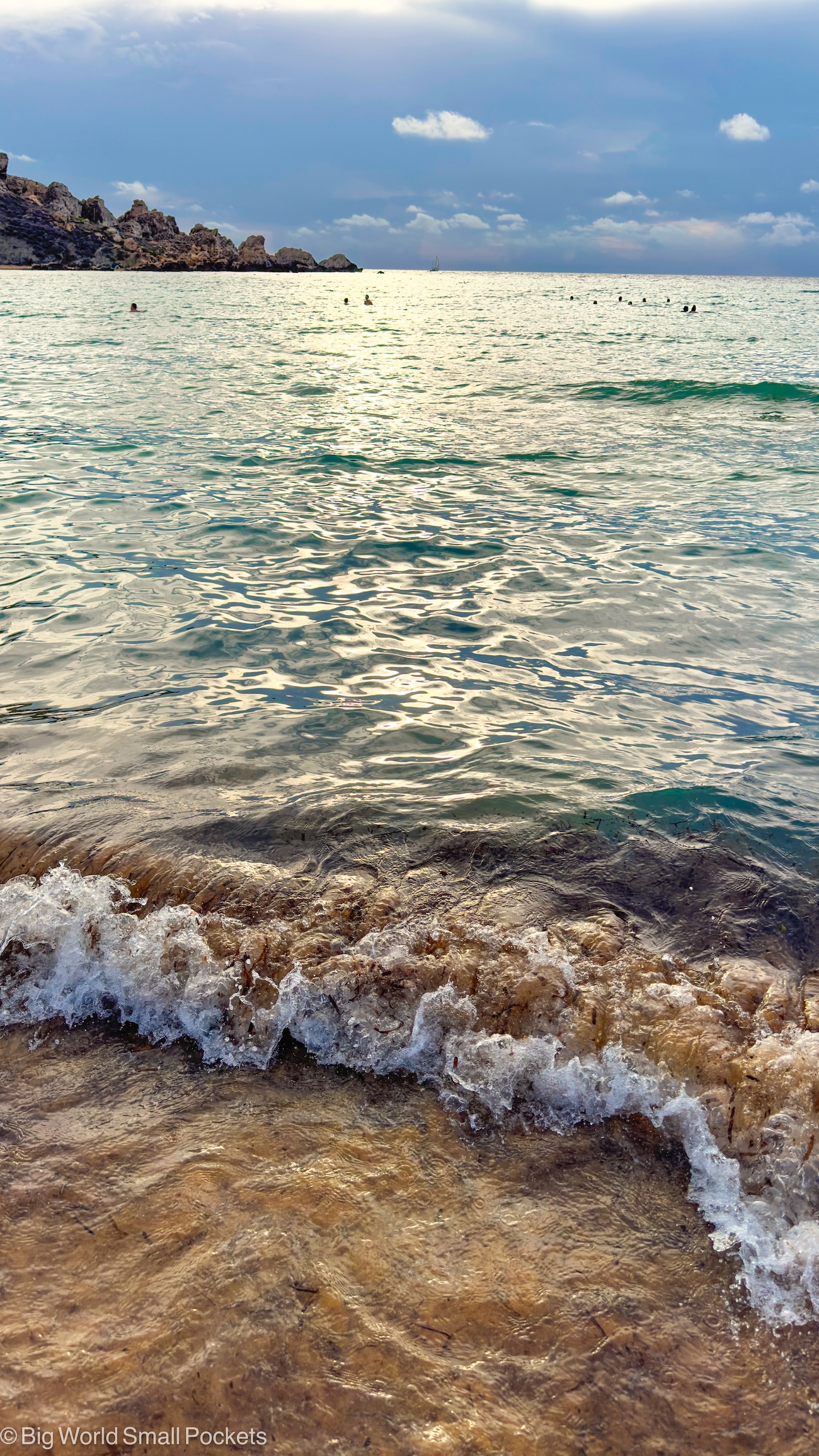
If it’s your mission to experience all of Malta Beaches, then Mellieha Bay definitely needs to be on your itinerary.
Home to Malta’s largest sandy beach, this is a great spot for outdoor activities, soaking up the sun, or just chilling with a cocktail in hand.
You can even try your hand at some water sports here, with both paddleboarding and banana boating on offer.
Beyond the beach, the cliffside Parish Church is a must-visit spot surrounded by some of Malta’s best restaurants and cafes.
Fancy a bit of history? Don’t forget to stop by the World War II shelters below the church.
Make sure you stick around after your beach day to catch a gorgeous golden hour sunset at Mellieha Bay.
#12 Escape the Crowds at the Secluded Ghajn Tuffieħa

Ghajn Tuffieħa is perfect for those who want a slice of Malta’s coastline without the crowds.
Also known as Riviera Beach, Ghajn Tuffieha is a stunning stretch of red-gold sand backed by green cliffs.
Its main advantage is letting nature do its thing, so it’s your best option for experiencing that rugged coastline feel.
That doesn’t mean you can’t lounge at Ghajn Tuffieha though.
There are a few umbrellas to rent, and some food trucks occasionally set up shops here.
For a little adventure, hike over from Golden Bay via the rocky ridge to get some epic views along the way.
Make sure you stick around for the epic sunset that coats the area in a lovely golden hue and, when the sun’s completely down, end your day with a wonderful dinner by the sea at Singita Beach Bistro.
#13 Shop & Cafe-Hop your Way around Sliema
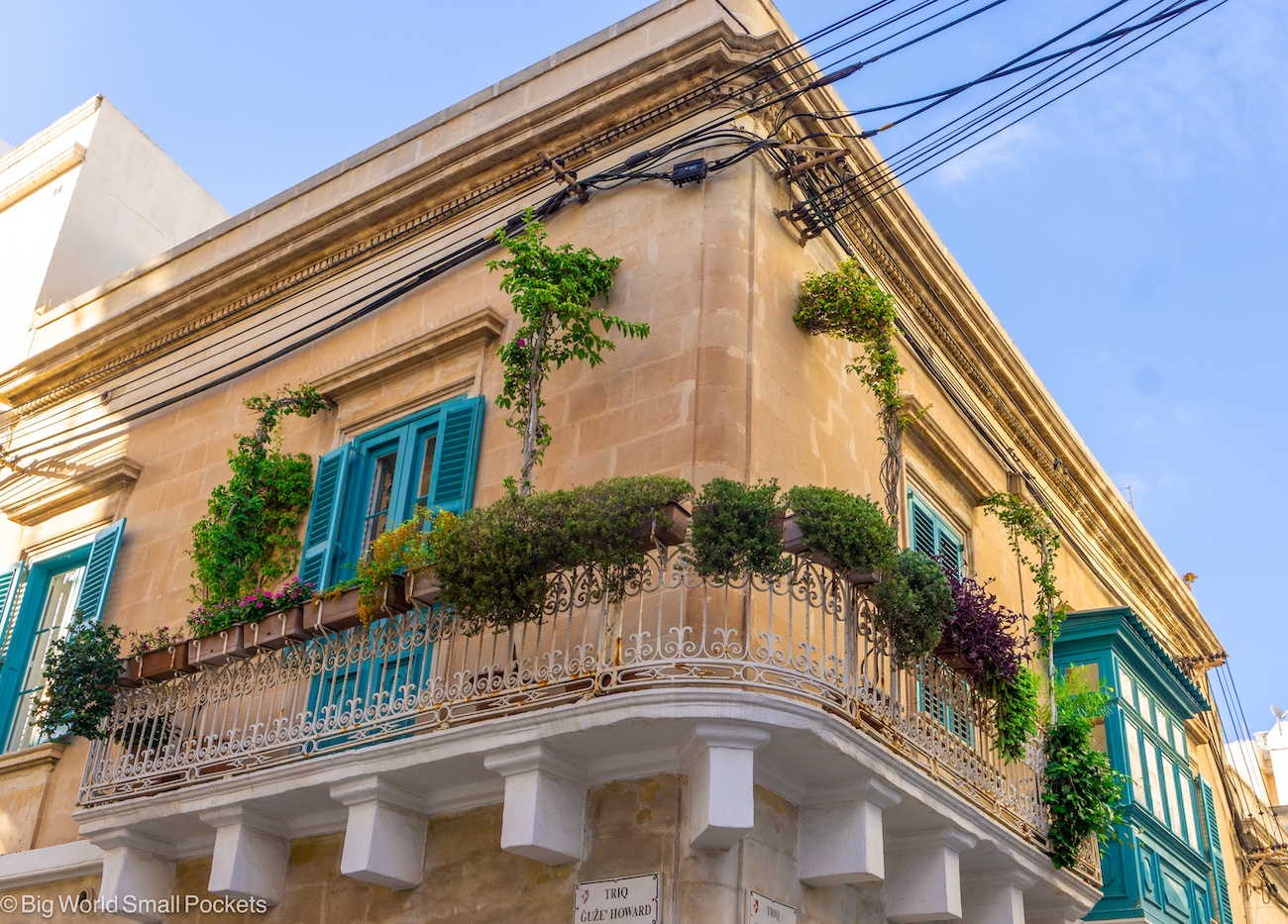
Sliema, once a quiet fishing village, is now Malta’s commercial heart.
If you want bars, boutiques, and shops, Sliema is a solid choice – with a lively atmosphere day and night.
For history lovers, there are a few sights worth checking out too, like Tigné Point’s historic fortifications, while the waterfront promenade is perfect for a sunset stroll with views over Marsamxett Harbour.
Sliema is also ideally placed for exploring, with Valletta just a short (and cheap!) ferry ride away – a much better option than battling the city’s road traffic.
#14 End tour Evening at St. Julian’s Bay
St Julian is Malta’s modern playground and one of the busiest areas on the island after dark.
Once a small commission fishing village, St Julian has evolved into a lively coastal hub filled with hotels, bars, restaurants and nightlife venues.
Paceville, located within St Julian, is Malta’s main nightlife district and attracts a younger crowd, particularly during the summer months.
While it may not suit every traveller, St Julian is still a great place to stay for those who want easy access to beaches, boat trips and a wide choice of dining options.
By day, St Julian feels very different.
The Spinola Bay area retains traces of its traditional village roots, with fishing boats bobbing in the harbour and waterfront cafés serving ice cream and coffee.
Walking the coastal path from St Julian to Sliema is one of the best ways to enjoy sea views for free while staying close to urban comforts.
St Julian also acts as a practical base for exploring the rest of the island, thanks to frequent public transport connections.
#15 Explore the National Aquarium
For a fun and fascinating experience, head to the Malta National Aquarium in St. Paul’s Bay.
With over 250 species to spot, including sharks, rays, and colourful fish, it’s a great place to explore, especially with kids.
The Aquarium is cleverly divided into zones that highlight different parts of the Maltese archipelago, from Valletta Harbour to Gozo and Comino.
The underwater tunnel is a real highlight, with incredible close views of the creatures as they swim all around you!
Plus, there’s a dedicated section all about local sea turtles like the Loggerhead and Green Turtle.
You may not always spot one, but you’ll leave with plenty of interesting facts about these incredible creatures.
#16 See the Prehistoric Ġgantija Temples in Gozo
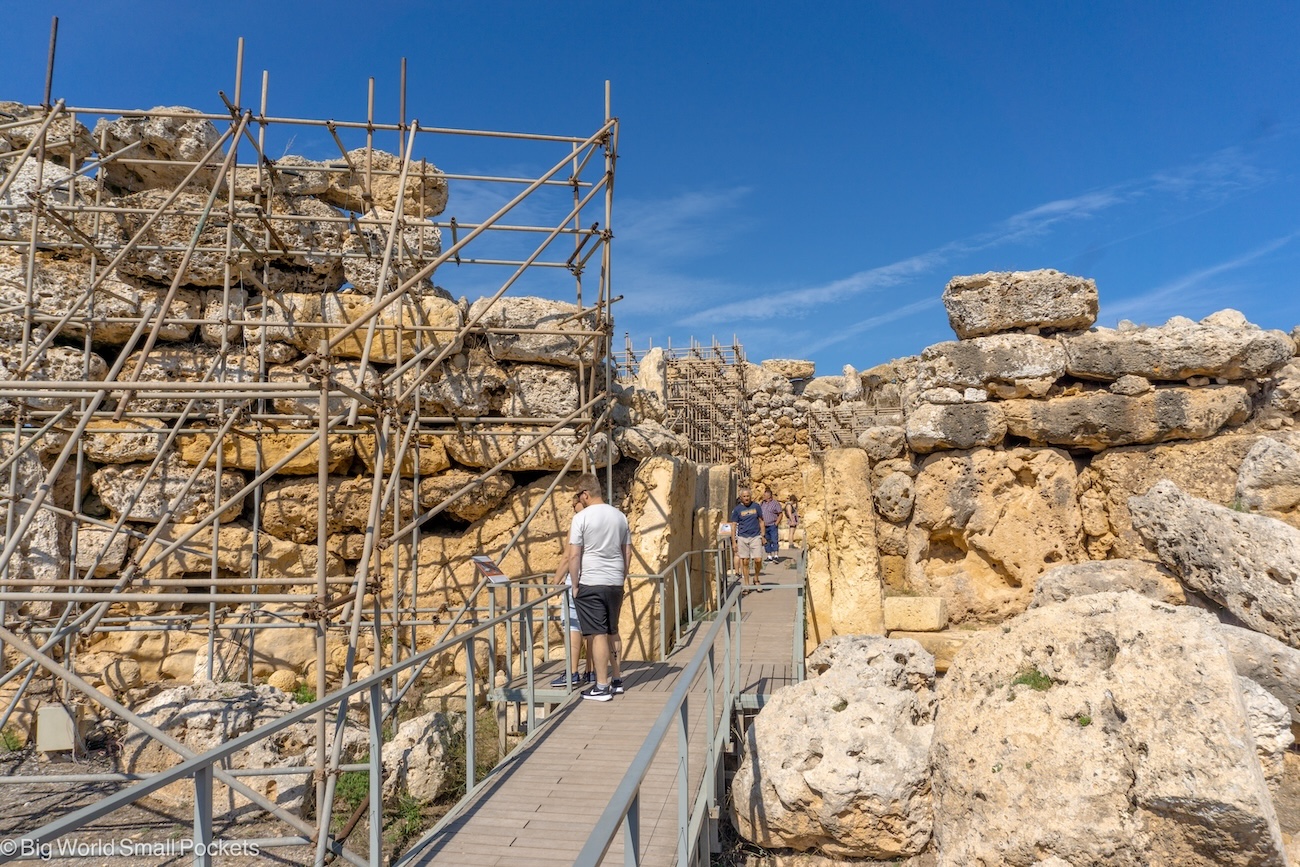
When you’re island-hopping from Malta to Gozo, you need to make sure the Ġgantija Temples are at the top of your list!
This UNESCO-listed site is one of the world’s oldest freestanding structures, dating back over 5,500 years, which makes them older than the Egyptian pyramids!
Perched on the Xagħra plateau, the Ġgantija complex consists of two massive stone temples built with limestone bricks that are sometimes over 5m long.
But before you step into these prehistoric ruins, make sure you explore the Ġgantija Archaeological Park Interpretation Centre to see how artefacts found around Gozo Island provide deeper insight into the amazing Neolithic communities that lived here,
#17 Explore Victoria’s Fortified Citadel
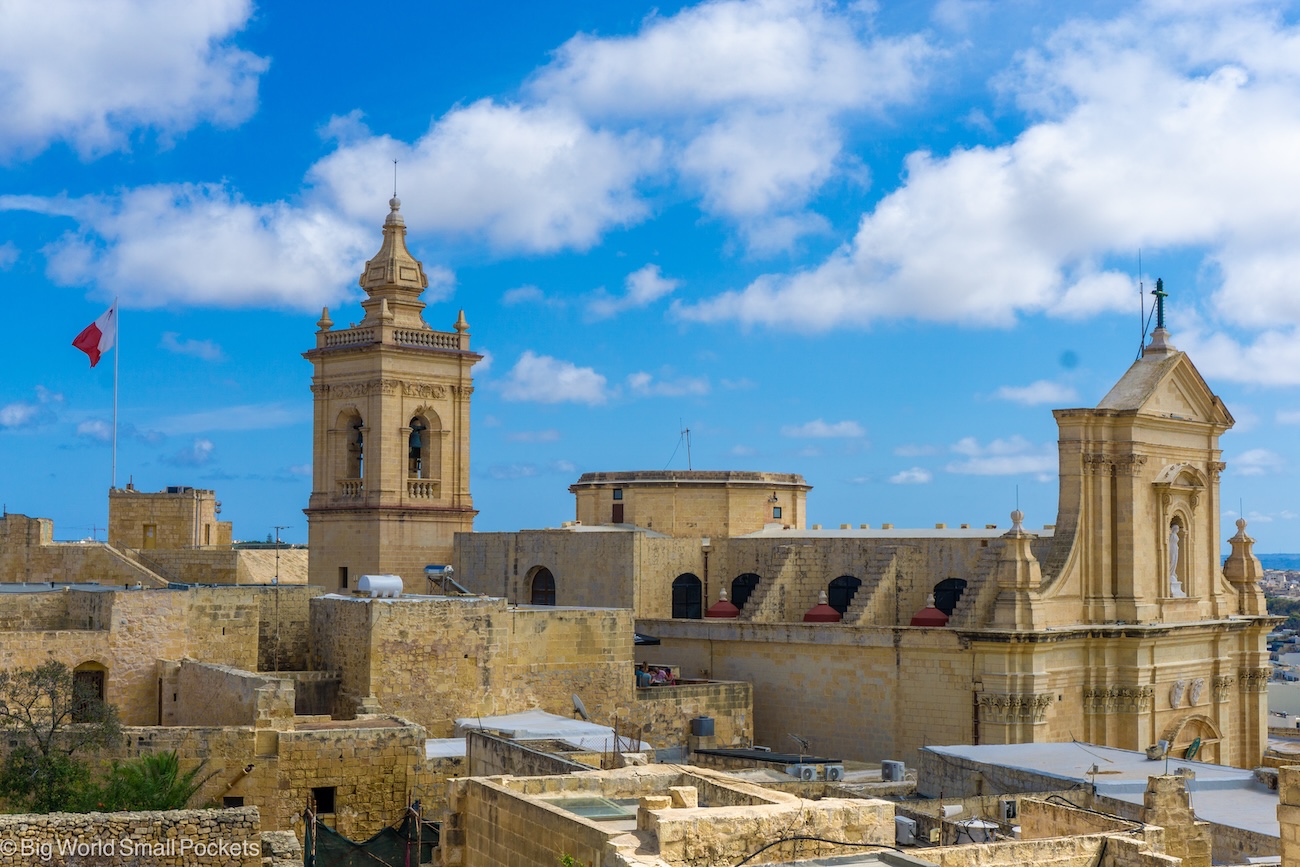
Sitting proudly in the heart of Gozo, Cittadella is an ancient fortress that’s been watching over the island for centuries.
Once a medieval stronghold, this place is now home to historic treasures like war bunkers, old grain silos, a majestic baroque cathedral, and a medieval prison.
As you walk through the Cittadella’s fortified walls you’ll discover small but fascinating museums like the Museum of Archaeology, the Folklore Museum, and the Gozo Nature Museum.
But the real showstopper here is the panoramic views from the battlements, where you can take in breathtaking views of Gozo, stretching all the way to the main island of Malta.
#18 Take in the Breathtaking Views at Tal-Mixta Cave
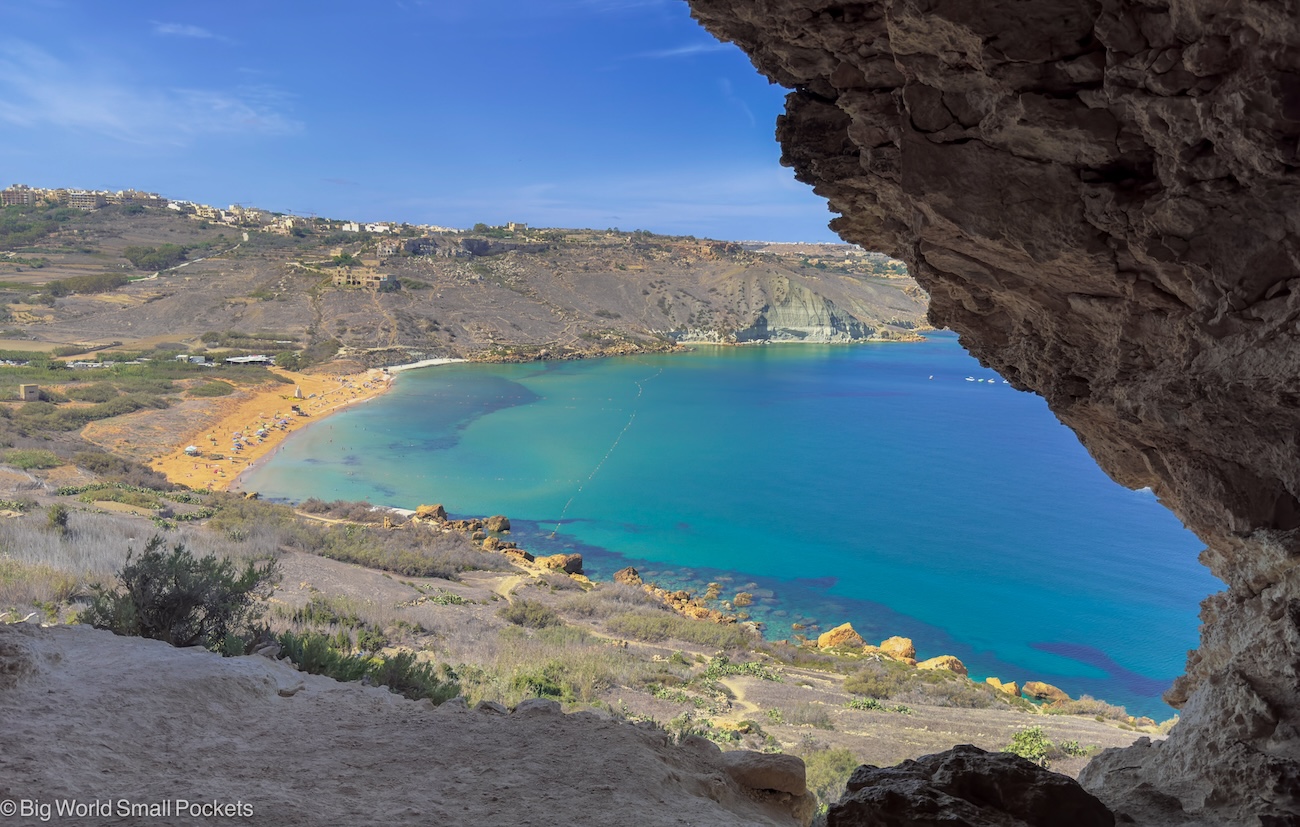
Perched high on a cliff above Ramla Bay, the Tal-Mixta cave is a picture-perfect window overlooking Gozo’s famous red-sand beach and the expansive Ramla Valley below.
But beware – getting here is an adventure in itself!
You can hike up from Ramla Bay if you’re feeling energetic, or take the easier route from Nadur.
If you follow Google Maps from Nadur, the last stretch is a short walk from the parking area, where a rock-cut staircase leads you down into the cave. It’s a bit rugged but totally worth it!
With its ever-changing light and panoramic views, Tal-Mixta Cave promises a unique experience at any time of the day.
Whether you’re a hiker, photographer, or just looking for that perfect Instagram shot, this natural cave is an absolute must-visit in Gozo!
#19 Relax on the Red Sands of Ramla Beach
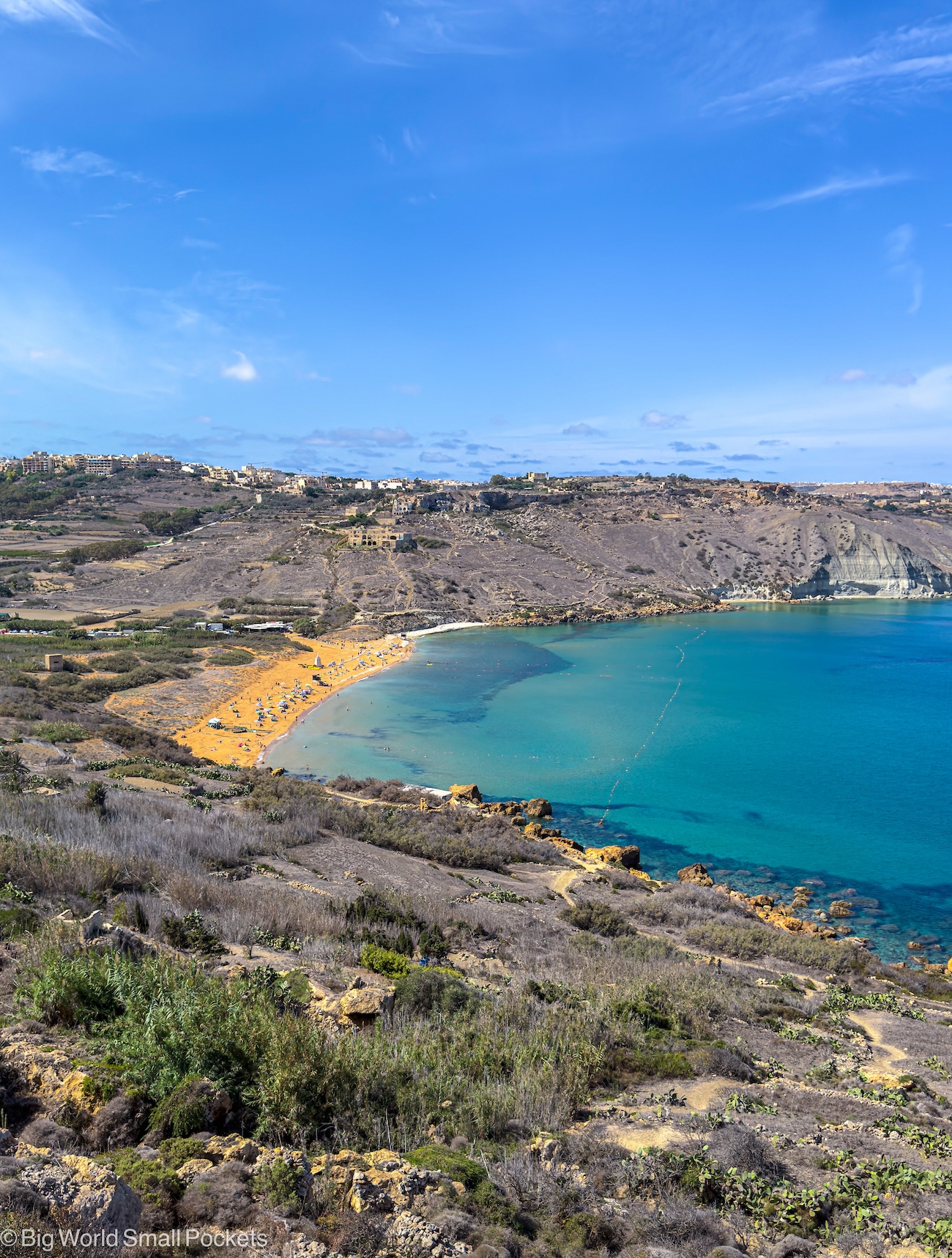
With its red-gold sand and crystal-clear waters, Ramla Beach – or Ramla il-Ħamra as the locals call it – is one of the most beautiful and best beaches in Gozo.
All the beauty without the overdevelopment, aside from a couple of small cafes and a refreshment stall, the beach here remains wonderfully wild and unspoiled.
In 2020, Ramla even made headlines when a turtle nest was discovered here for the first time in 70 years!
A Blue Flag beach, meaning top-quality waters and eco-friendly management, enjoy some downtime at Ramla Beach is definitely one of the best things to do in Malta.
#20 Experience the Paradise that is Blue Hole

The Blue Hole is hands-down one of the best dive sites in Europe.
It’s right where the Azure Window once stood before a fierce storm sent it crashing into the sea in 2017.
Carved out by centuries of wave action, Gozo’s Blue Hole drops to a depth of 60m, leading divers through a mesmerising underwater playground.
But be warned: reaching the Blue Hole isn’t for the faint-hearted.
The trek over sharp rocks is a challenge, but you’ll be rewarded with a world-class dive that’s worth every step.
And if you’re not a diver, don’t worry – snorkelers and swimmers can still enjoy the crystal-clear waters of the Blue Hole for free.
#21 Take a Comino Day Trip
Accessible only by ferry service from Malta (via Cirkewwa), or Gozo (via Mgarr), Comino is a 3.5km sq island that’s mostly uninhabited – except for a handful of locals.
It’s also completely free of traffic, making it perfect for a delightfully relaxed day-trip destination.
The Blue Lagoon is the undisputed star here, with its deep blue water attracting swarms of visitors during the high season.
If you want to escape the crowds, you can also take a leisurely 2 hour walk around the island or relax on the quiet shores of St Mary’s Bay.
Or, for a completely different perspective, hop on a boat trip around Comino!
#22 Swim in the Famous Blue Lagoon
Swimming in the Blue Lagoon is like swimming in a real-life postcard – it really is that gorgeous!
With its crystal-clear, turquoise waters and sandy-bottomed shallows, this slice of Comino is one of the Mediterranean’s most spectacular spots and it appears on almost every list of best things to do in Malta.
But I need to warn you, it gets BUSY.
Attracting up to 10,000 tourists a day during peak summer months of July and August (yes, really!), the Blue Lagoon can sometimes feel more like a packed swimming pool than a secluded paradise.
During high season, access is regulated and visitor numbers are capped, so to beat the crowds, arrive before 10am or after 4pm.
Or better yet, visit in May, June, September, or October when the weather is still warm, but the tourist things have thinned.
Boat tours that circle Comino often provide a better way to experience the lagoon while avoiding peak crowds and responsible tourism helps protect this fragile environment for future visits.
Malta Travel FAQs
Best Time to Visit Malta
| Season | Weather | Crowd Levels | Best Experiences |
|---|---|---|---|
| Spring | Mild | Medium | Sightseeing, hiking |
| Summer | Hot | High | Beaches, water sports |
| Autumn | Warm | Medium | Swimming, cultural visits |
| Winter | Cool | Low | Museums, walking tours |
Getting Around Malta
Despite being a tiny island, transport planning matters on Malta.
Public transport relies primarily on buses, which are affordable (think a couple of euros) but can be slow during peak hours.
A public bus top tip is to travel early in the morning or later in the evening to avoid congestion.
Ferries connect Valletta with the Three Cities and Sliema, offering scenic routes across the Grand Harbour.
For Gozo Island, regular ferry service operates from Ċirkewwa and Valletta, making day trips straightforward.
Hiring a car can be the easiest way to reach remote beaches and Dingli Cliffs, though parking in cities can be challenging.
Otherwise, Bolt is a great option for affordable taxi trips.
Malta Food and Drink
No visit to Malta is complete without samplijng some of the fab local food.
Eating your way around the island is one of the best ways to understand its culture, history and everyday life, especially in a small island nation where culinary traditions have been shaped by centuries of Mediterranean influences.
Traditional Maltese food is hearty, seasonal and rooted in local produce.
Pastizzi
Pastizzi are the most famous snack and a budget traveller’s dream.
These flaky pastries, usually filled with ricotta or curried peas, are sold in small bakeries across the island and cost very little.
They make a perfect breakfast on the go or a quick snack between sightseeing stops.
Lampuki
Lampuki, also known as mahi mahi, is another local favourite when in season and often appears grilled or baked in tomato-based sauces.
Seafood plays a major role in Maltese cuisine thanks to the island’s long fishing history.
Coastal villages are often the best places to enjoy fresh fish simply prepared, especially in traditional village restaurants where menus change daily depending on the catch.
Rabbit Stew
Rabbit stew is Malta’s national dish and reflects the island’s rural heritage.
It is slow-cooked, rich and filling, and well worth trying at least once during your stay.
Recommended Restaurants
If you are unsure where to start, Legligin in Valletta is a reliable and popular choice.
This small restaurant specialises in a multi-course blind tasting menu built around seasonal ingredients sourced locally on the day.
It is a great way to try several Maltese dishes in one sitting without needing to decode a long menu, and it suits solo travellers just as well as couples.
For those who prefer a view with their meal, Singita Restaurant at Għajn Tuffieħa Bay combines relaxed dining with one of the island’s most scenic settings.
Overlooking the beach, it serves fresh, flavourful dishes that work perfectly after a swim or coastal walk, and is a great spot for a sunset meal that feels far removed from the busier resort areas.
Beyond restaurants, visiting a local fish market or village bakery reveals daily life.
Marsaxlokk remains the most famous fish market, but smaller markets operate across the island.
Eating like a local, following seasonal produce and venturing slightly off the main streets is often the best way to discover Malta’s most memorable meals.
Malta Accommodation

AX Odycy Hotel
St Paul’s Bay, Malta
This revamped hotel sits right at the seafront, with plenty of bars and restaurants around. Excellent public transport links.
Casa Rocca Piccola
Valletta, Malta
Imagine staying in a 16th-century palace still lived in by a Maltese Noble family.
Land’s End Boutique Hotel
Sliema, Malta
A chic retreat with panoramic sea views, all within walking distance of Tigné Point Beach, bars, and restaurants.
The Duke Boutique Hotel
Victoria, Gozo
Perched right on top of a mall, perfect for all of your shopping needs.
Port View Guesthouse
Marsaxlokk, Malta
Located 20m from the seafront promenade, surrounded by seafood restaurants.
Travel Tips for Malta
eSIM for Malta
Holafly offer unlimited data eSIMs for Malta that are perfect for staying connected across the island.
Insurance
World Nomads offer simple and flexible travel insurance. Buy at home or while travelling and claim online from anywhere in the world.
Travel Money
Malta use the Euro.
I always travel Europe with my Wise card, which makes spending abroad cheaper with real exchange rates and no sneaky transaction or ATM fees – grab yours here.
SAVE THIS ARTICLE TO PINTEREST!


And there you have it – my top 22 things to do in Malta.
Balancing history, nature and modern life in a way few places manage. Malta rewards curious travellers willing to look beyond the obvious tourist attraction list.
From prehistoric temples and baroque architecture, to beaches, food and nightlife, the island offers variety without long travel times.
Whether its golden sunsets, history, or insanely good food, this lovely Mediterranean destination really does have a way of stealing your heart.
My trip was sponsored by Visit Malta but, as always, all views are my own.
This page contains affiliate links meaning Big World Small Pockets may receive a small commission on any purchases at no extra cost to you.
