

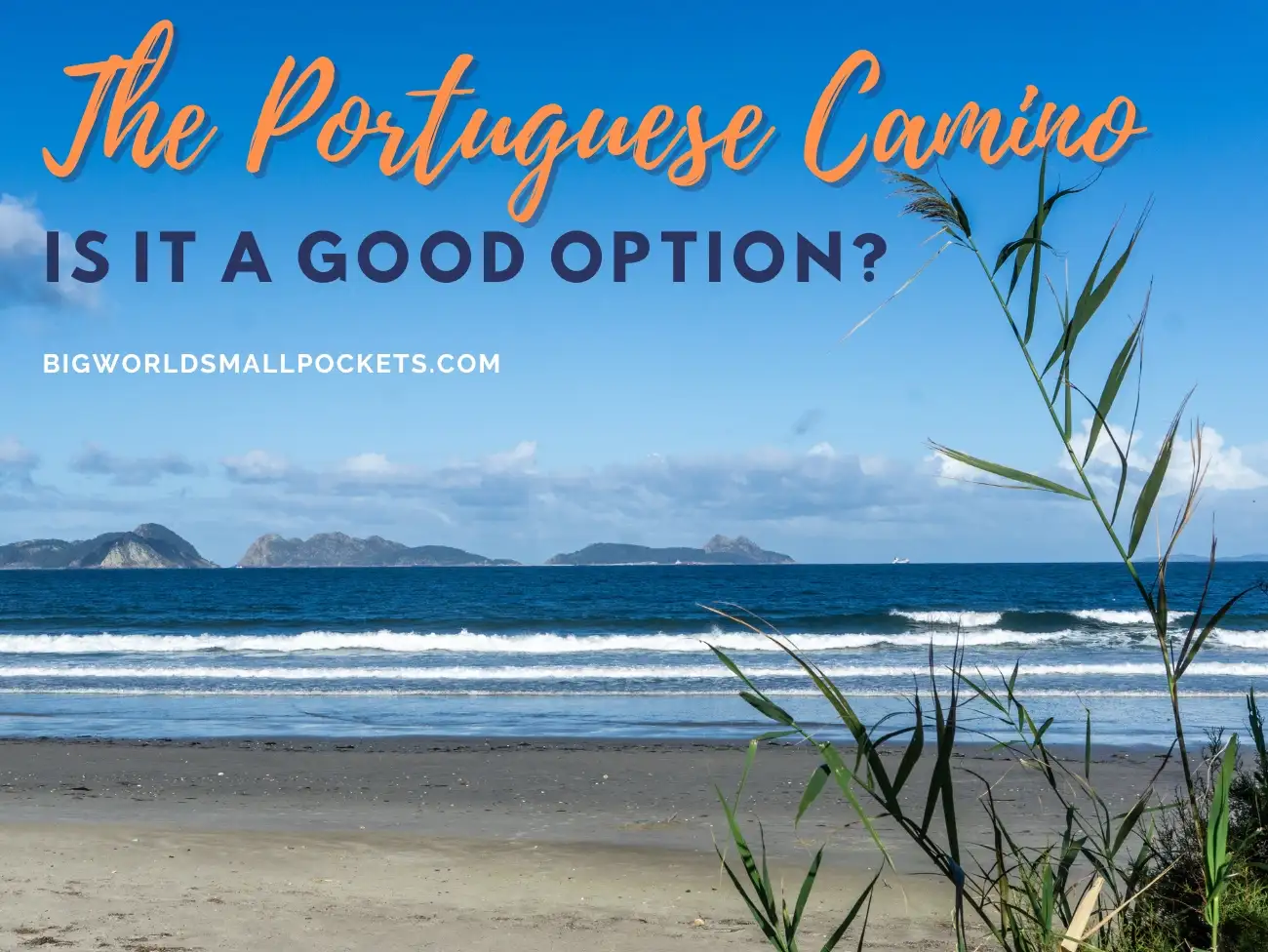
There is something irresistible about a long walk that leads you straight into the heart of history, community and a cracking plate of seafood.
The Portuguese Camino offers all of this in spades.
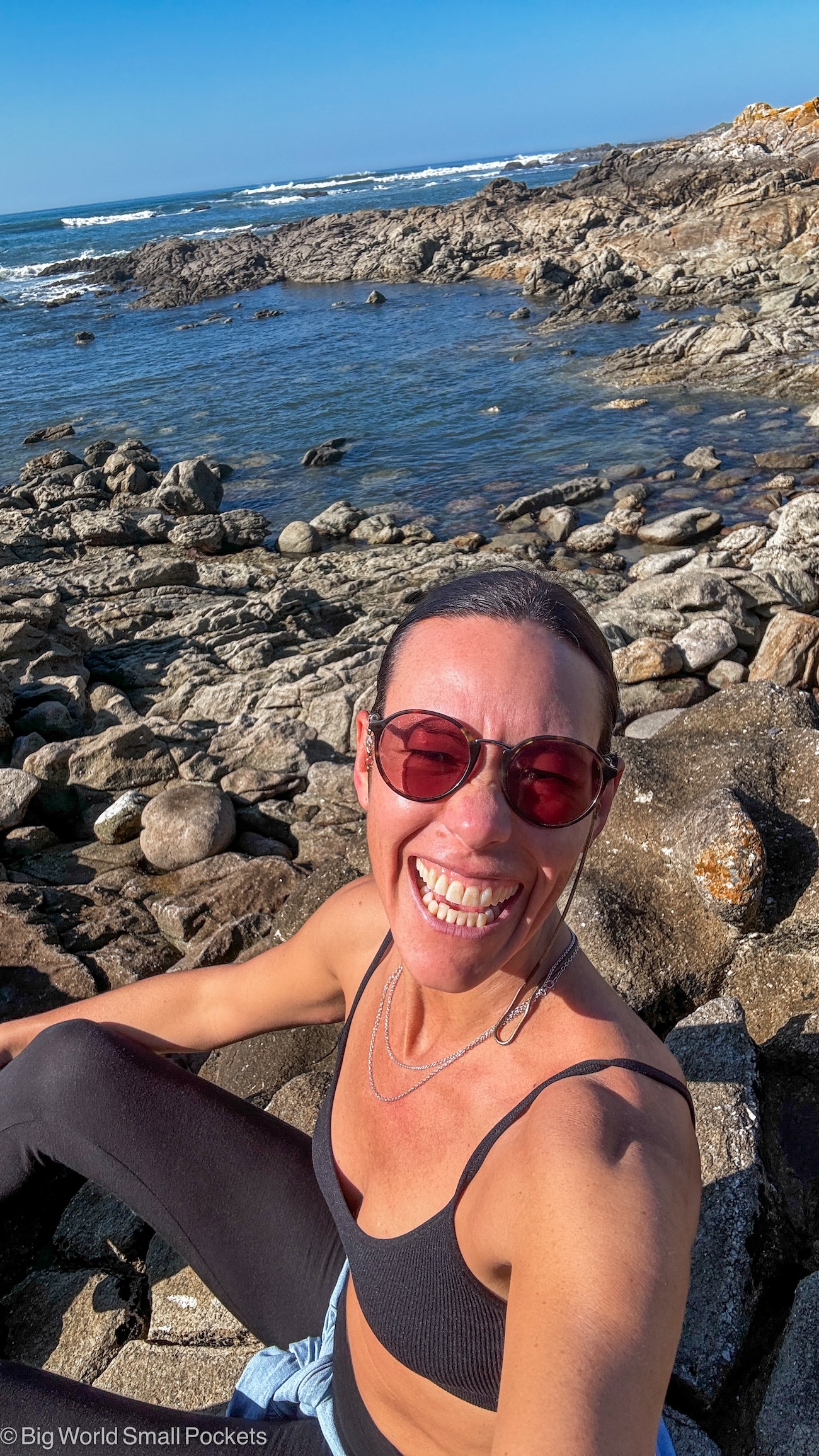
It is one of the most scenic and approachable routes to Santiago, weaving its way from Portugal into Spain along either an inland trail, or a coastal path that had me smiling like a contented seashell collector most mornings!
This guide brings together everything you need to know about tackling the Portuguese Camino.
Whether you want the full 2 week adventure from Porto to Santiago, a shorter 100km stretch to earn your Compostela certificate, or a peaceful stroll through fishing towns with Atlantic breezes for company, this route has a way of working its magic.
Let’s hop into the details…
Related Posts
- Hiking the Camino as a Solo Female: My Experience
- Complete Female Packing List for the Camino
- Planning Your First Camino: What to Expect
What is the Portuguese Camino?
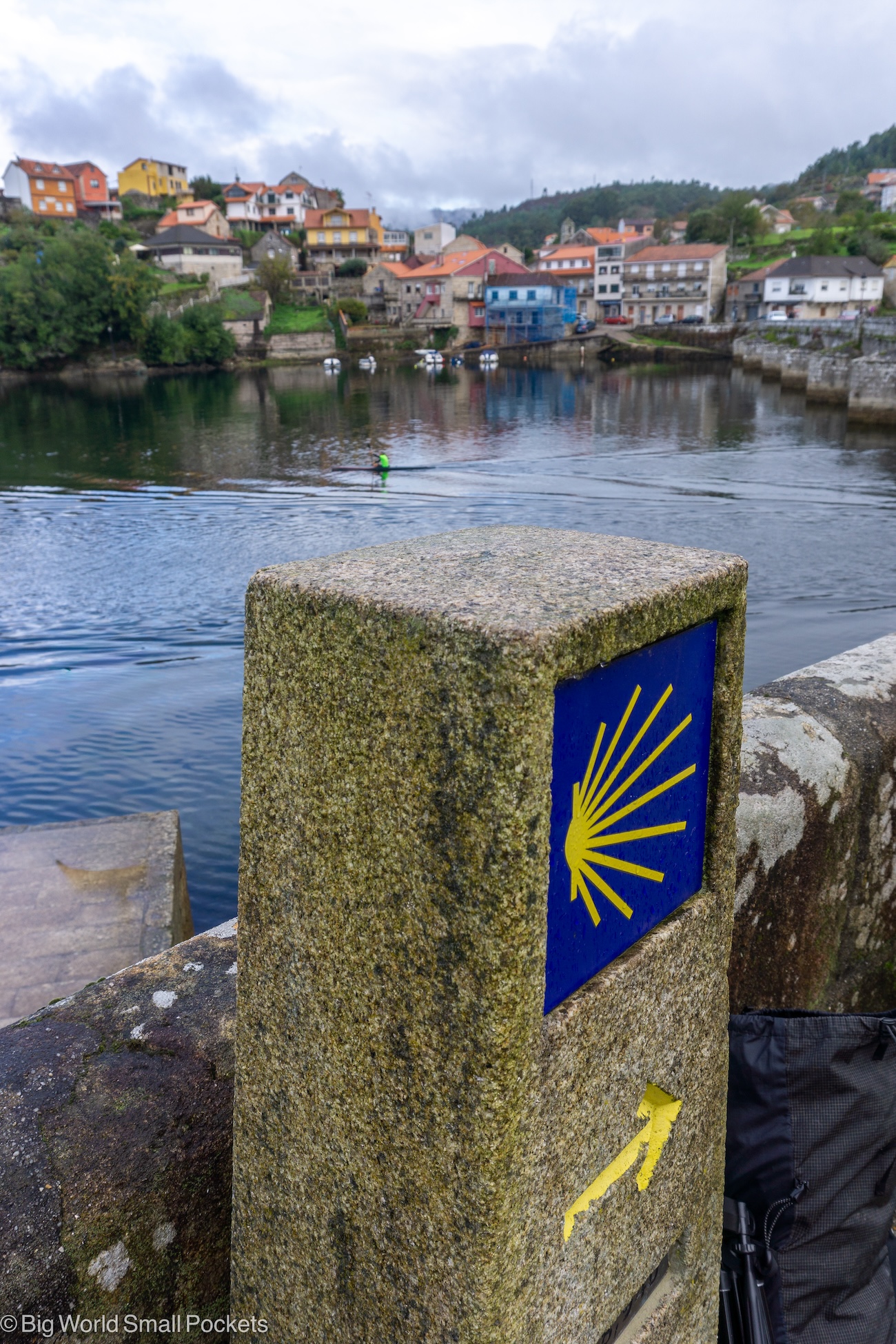
The Portuguese Camino, or Caminho Português, is a network of ancient pilgrimage routes that pilgrims have followed from Portugal to the shrine of Saint James in Santiago de Compostela for centuries.
Today it is the 2nd most popular Camino route after the French Way, mainly because it is well way-marked, achievable in a couple of weeks, and endlessly beautiful.
The two main variations are 1) the Portuguese Central Route, sometimes referred to as the inland route, and 2) the Portuguese Coastal Route.
A 3rd variant, the Senda Litoral, hugs the shoreline even more closely, but the bulk of walkers choose between the inland path or the coastal path.
I walked the Portuguese Coastal Camino and can confirm it is exactly as dreamy as it sounds – think boardwalks over dunes, wild Atlantic views, and evenings in breezy seafront towns that serve grilled sardines like they were born to do it.
Route Choices: Inland or Coastal
The inland route is the more traditional way and the one most pilgrims have followed historically.
It leads north from Porto through the country’s interior, passing vineyards, Roman roads, stone villages and some seriously atmospheric medieval towns.
It gradually crosses into Spain and continues through charming Galician settlements, before joining the same path as the coastal route in Redondela.
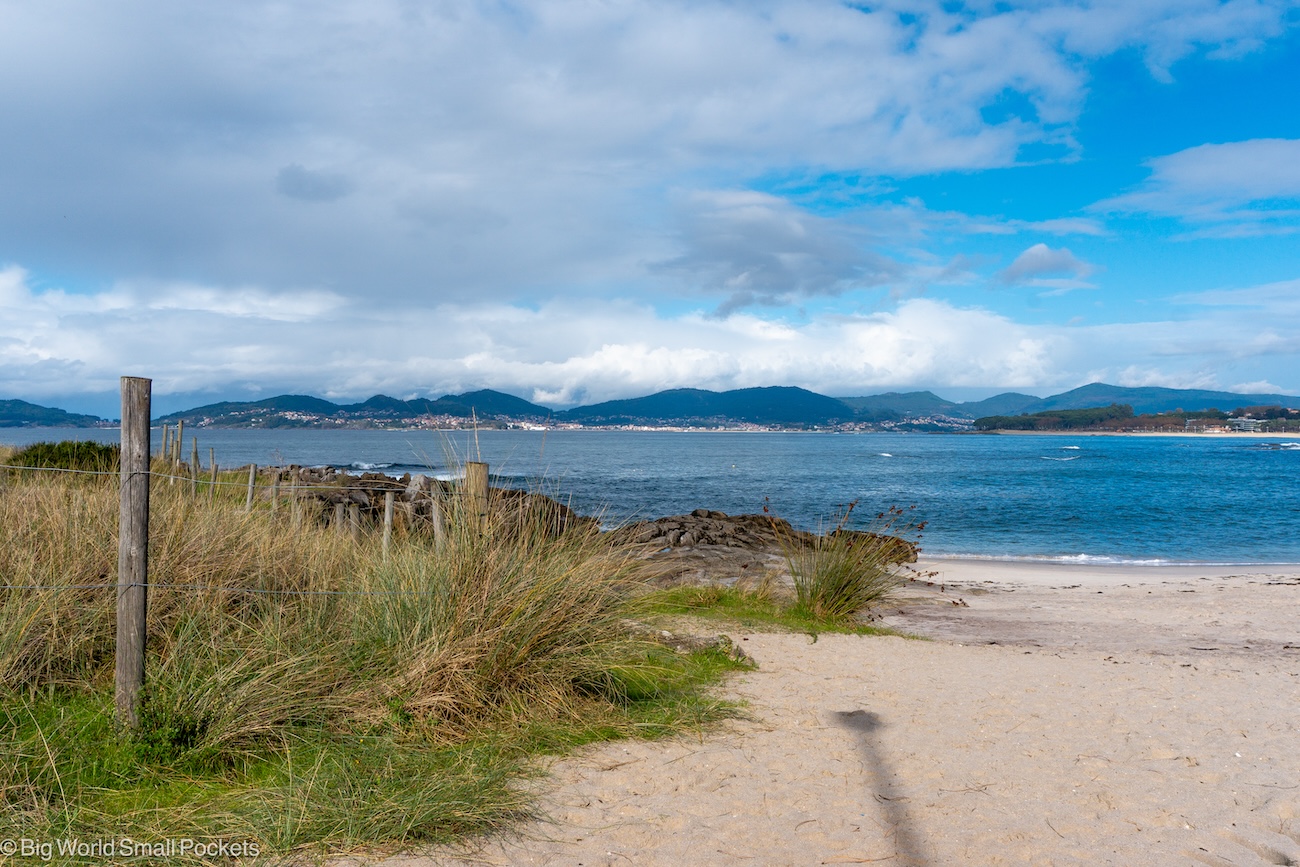
The coastal route takes a westerly turn out of Porto and follows the Atlantic coastline, passing sandy beaches, fishing towns and wide promenades.
It also has a gentler profile in terms of elevation and feels more spacious, thanks to the miles of ocean.
The coastal route joins the inland route at the same point in Spain, so whichever one you choose, you will share the final stretch into Santiago with pilgrims from both paths.
Route Distances and Duration
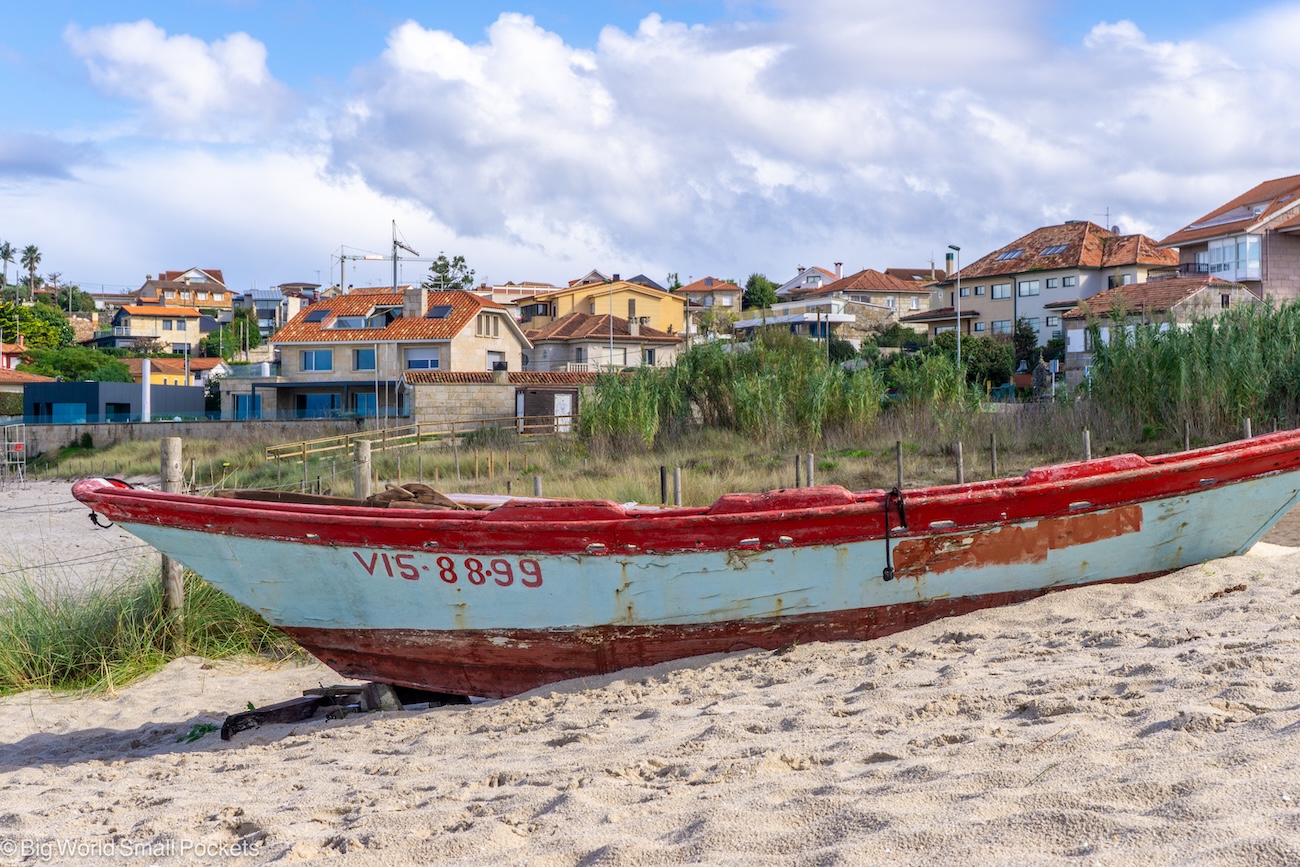
If you start in central Porto, on either the inland or coastal route, the total distance to Santiago is roughly 250km, depending on the exact variant you follow…
- The inland route is around 240km from Porto to Santiago.
- The coastal route is around 260km if you follow the full shoreline paths via Vila do Conde, Viana do Castelo and Caminha.
Most walkers complete these routes in around 12 to 14 days.
If you want to start in Lisbon, the entire Portuguese Camino stretches to over 600km – but only a small number of pilgrims walk this full distance!
Shorter Versions for the 100km Certificate
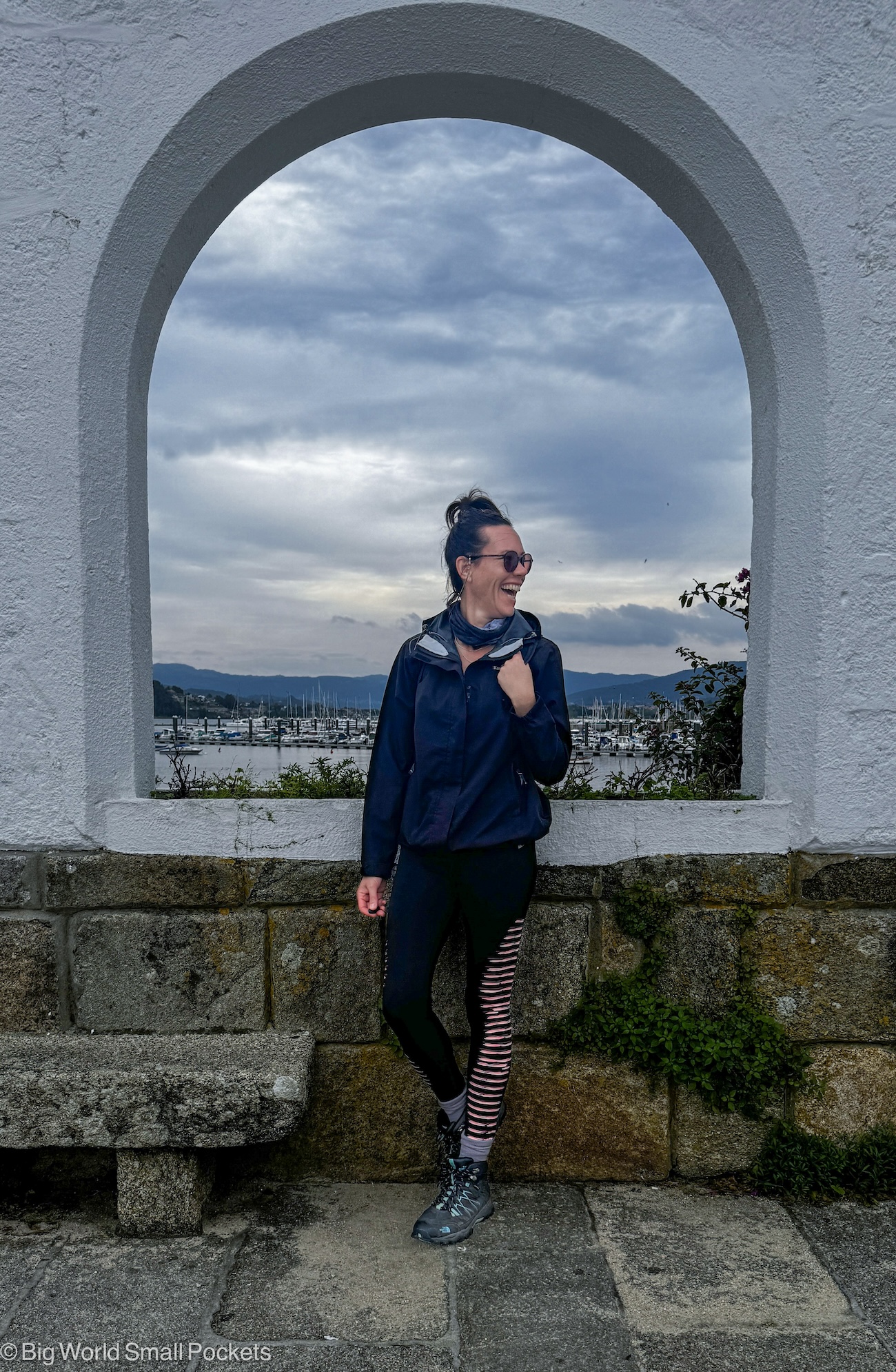
If your time on the Camino is limited, or your legs prefer a shorter flirtation with pilgrimage life, you can start closer to the Spanish border and still earn your Compostela certificate.
To receive the official certificate from the Pilgrims’ Office in Santiago, you must walk at least 100km.
Good starting points on the Portuguese routes include…
- Vigo or Oia on the coastal route, though most pilgrims choose Baiona, or even the border town of A Guarda (via ferry from Caminha) for a more relaxed introduction.
- Tui is the classic option for those walking the Central Route. It sits just over 100km from Santiago and is a popular choice for first timers who want the spiritual finish without committing to 2 weeks of walking.
- Another possible starting point on the inland route is Ponte de Lima – a day or 2 walking further than Tui.
Difficulty Level and Terrain
The beauty of the Portuguese Camino is that it is generally considered one of the easiest long distance Camino routes.
The elevation profile is fairly gentle, the daily distances are flexible and the infrastructure is well developed.
Most stages run between 18-25km, and you will find plenty of cafes where you can nurse a coffee and your preferred blister strategy.
That said, the inland route is tougher than the coastal one, as it involves a few punchy climbs, especially the stretch between Ponte de Lima and Rubiaes, which is famously hilly.
Anyone who enjoys vineyards, forest paths and rolling countryside will love it, but it is definitely more physically demanding.
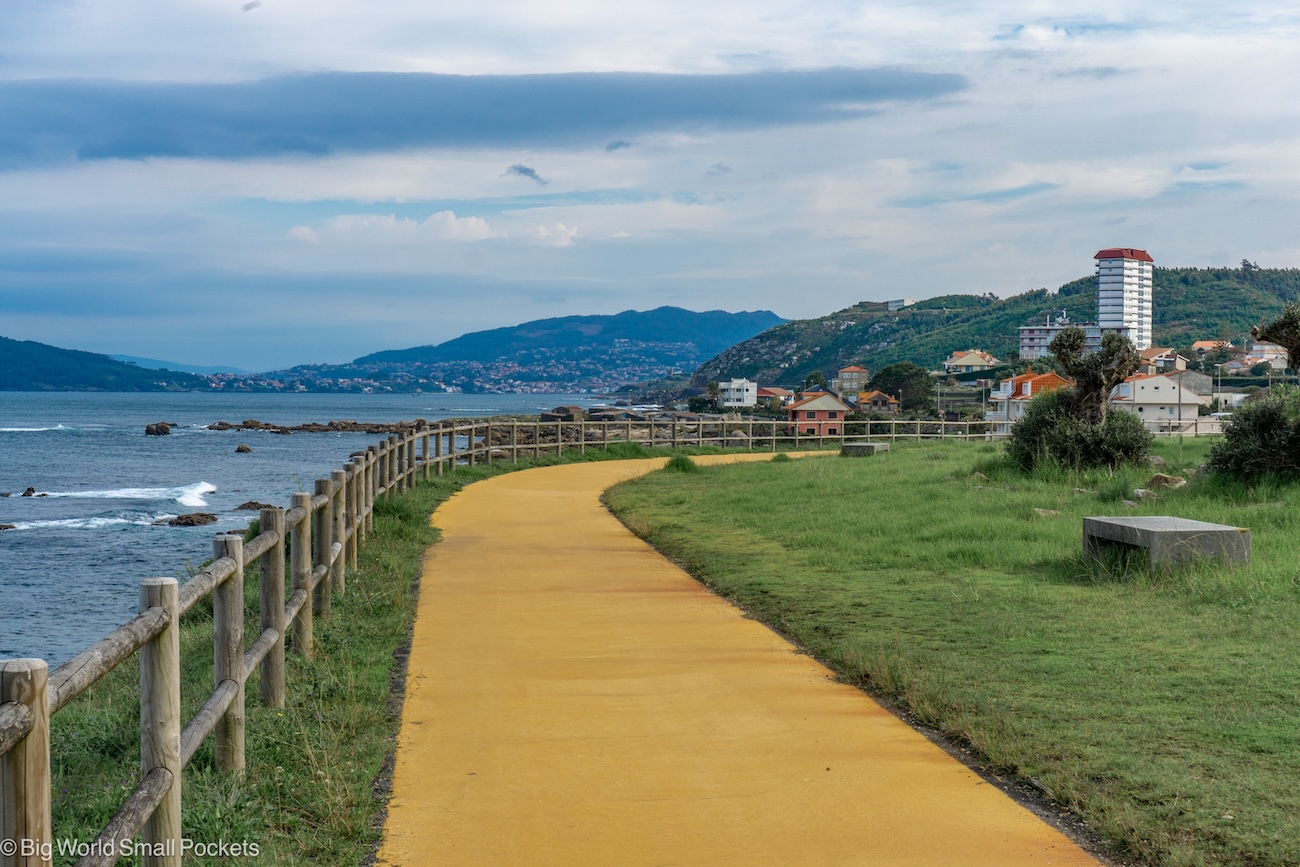
The coastal route, by contrast, feels like a breeze.
Much of it follows flat promenades and boardwalks, so the challenge here is more about the weather, as strong winds can turn your hair into a free form sculpture!
But in terms of effort, this is one of the most accessible and enjoyable paths for both new and experienced walkers.
I chose the Portuguese Coastal Camino and found it wonderfully peaceful, gentle and refreshingly varied.
Common Overnight Stops and Stage Layouts
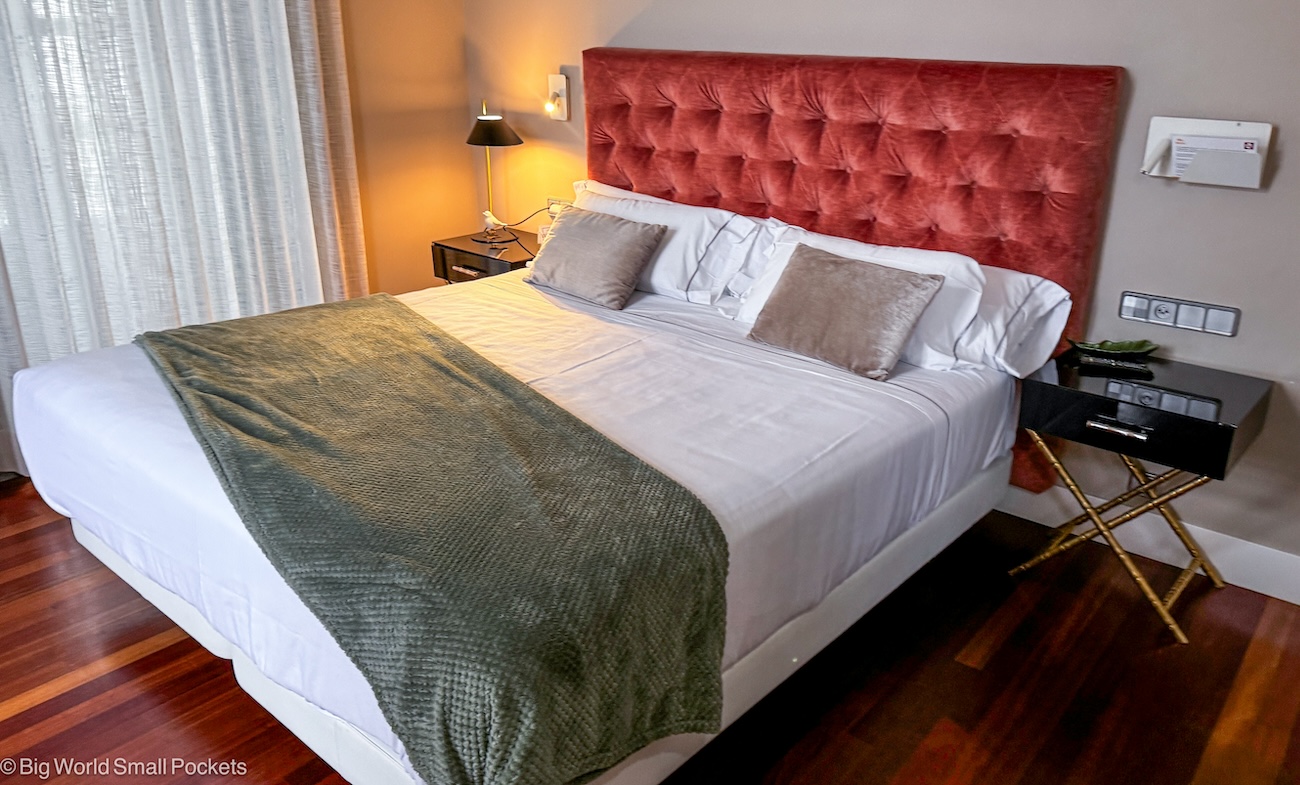
Whether you walk inland or coastal, the Portuguese Camino is rich with comfortable and interesting places to spend the night.
Accommodation ranges from traditional pilgrim albergues, to private guesthouses, boutique hotels and seaside apartments.
On the inland route, common stopping points include Barcelos, Ponte de Lima, Rubiaes, Tui, O Porriño, Redondela, Pontevedra, Caldas de Reis and Padron.
These towns are steeped in history, especially Ponte de Lima, which is considered one of the oldest villages in Portugal with its stunning Romanesque bridge and leafy squares.
On the coastal route, most walkers stop in Vila do Conde, Esposende, Viana do Castelo, Caminha, A Guarda, Oia, Baiona and Vigo.
Viana do Castelo is one of the real highlights with its hilltop basilica and laid back atmosphere.
Caminha is also a favourite, partly because the short ferry ride across the River Minho into Spain is a fun novelty.
After joining the inland route in Redondela, you’ll continue on to spend the nights at Pontevedra, Caldas de Reis and Padron.
Major Sights and Cultural Highlights
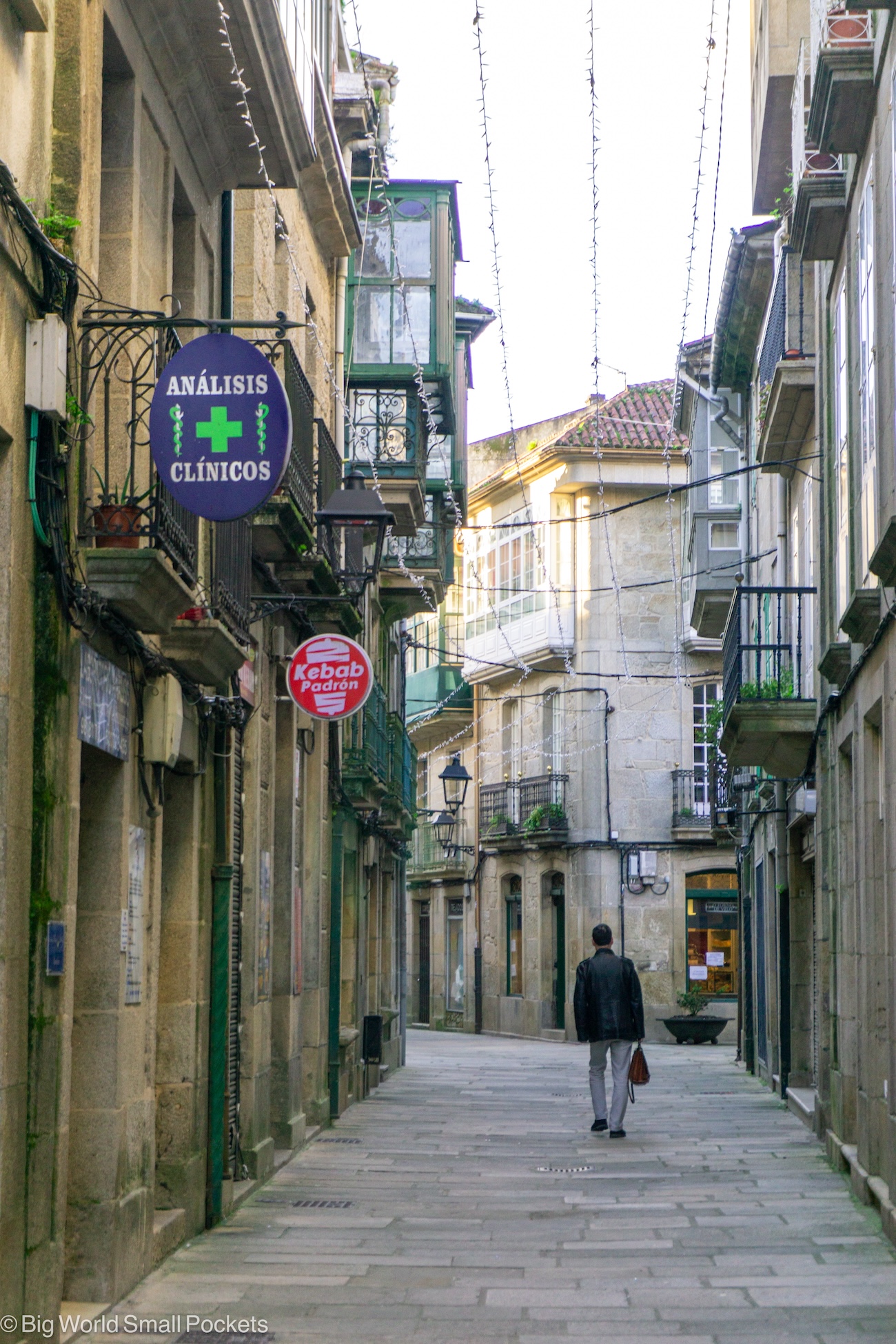
The Portuguese Camino is endlessly generous with its cultural treasures.
On the inland route, the historical architecture of Braga and Guimaraes lies not far from the trail, while Barcelos is famous for its pottery and weekly market.
Ponte de Lima is a slice of medieval charm, and Tui’s old quarter is a delight to wander.
The coastal route takes you past maritime history instead, with Viana do Castelo’s Sé Cathedral, the spectacular views from the Sanctuary of Santa Luzia, Caminha’s medieval towers, and A Guarda’s impressive Iron Age hillfort at Santa Trega, which is well worth the climb.
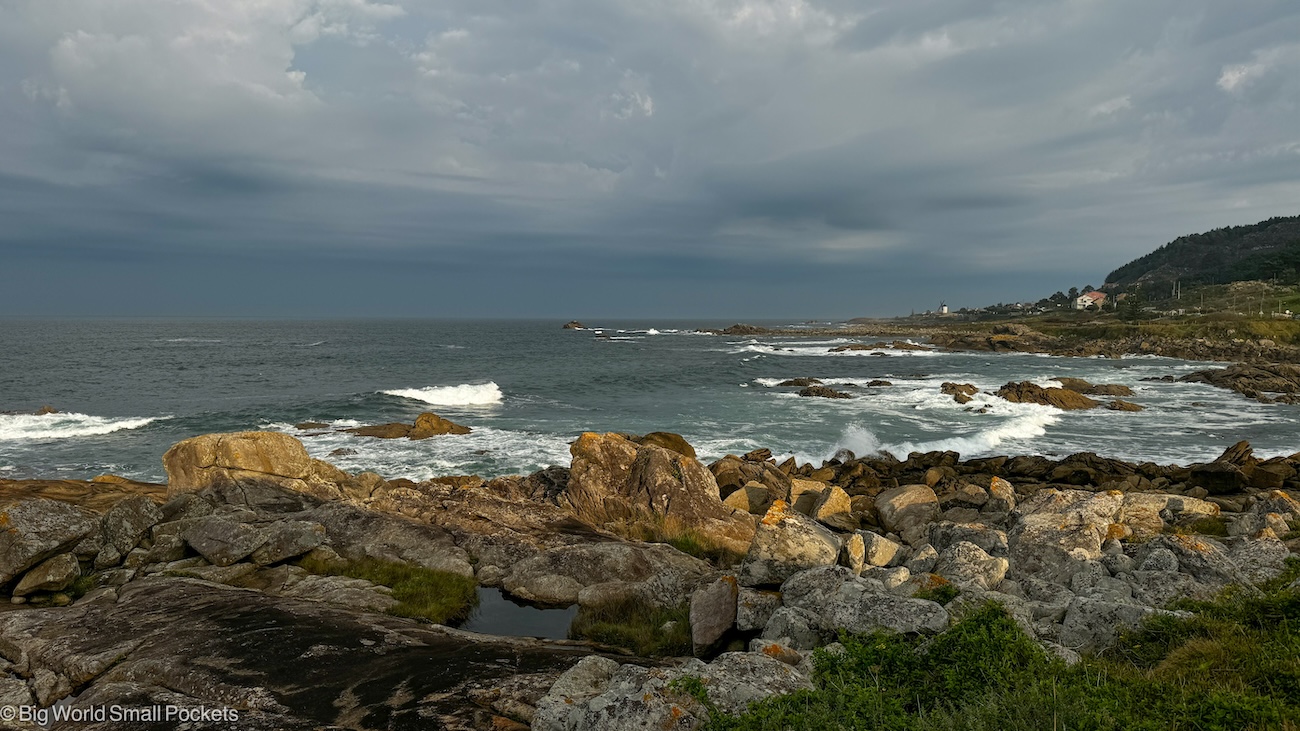
You will also pass countless fishing harbours, chapels perched on cliffs, and long stretches of dunes that feel wild even in summer.
Both routes take in the historic town of Padron which is, of course, home to the famous peppers!
Why Choose the Portuguese Camino?
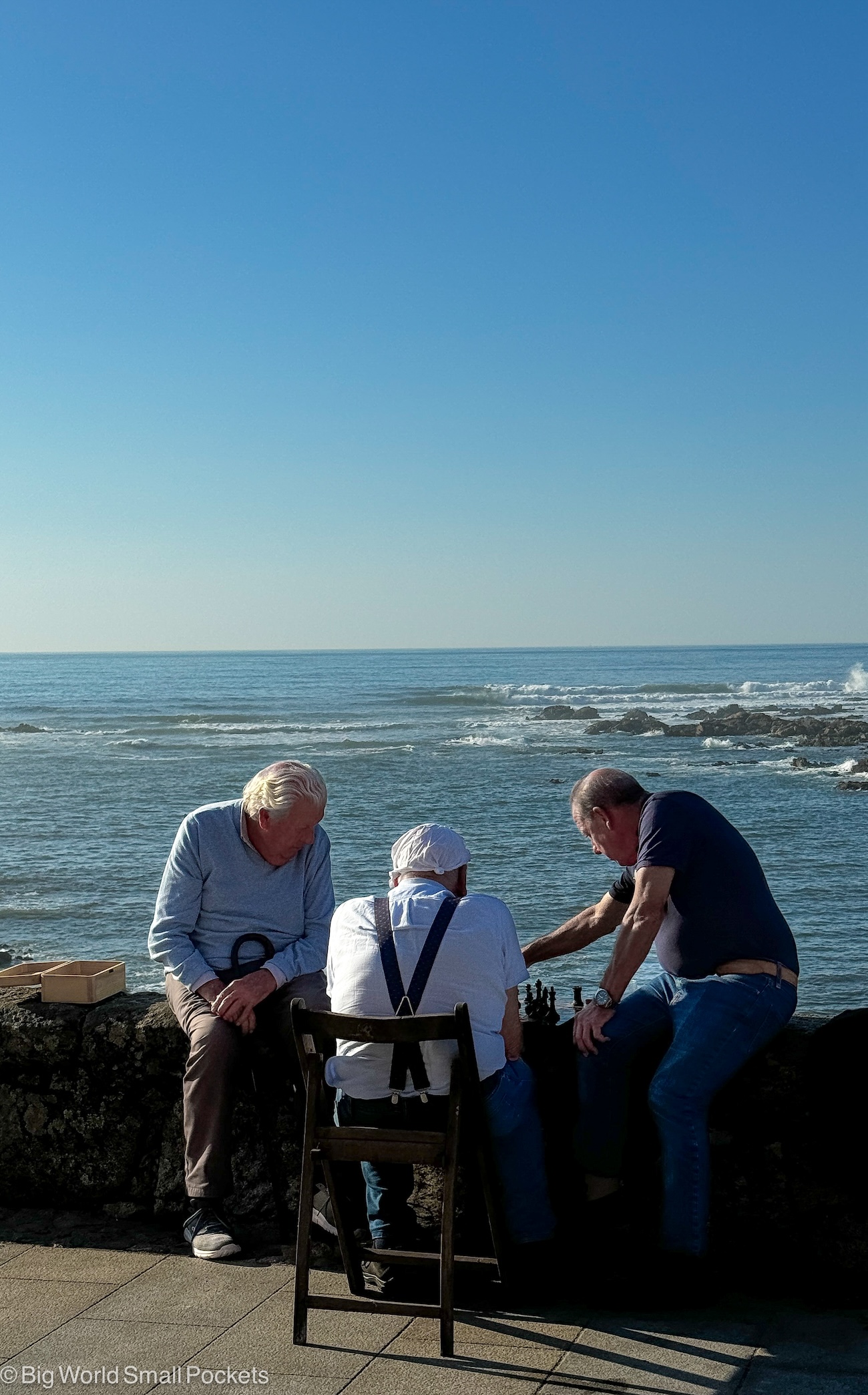
This route is popular for a reason.
Compared with the French Way, it is less crowded, has a milder climate and is packed with coastal scenery you can enjoy without marathon levels of fitness.
It feels sociable and safe too, especially for solo walkers, while still offering lots of opportunities for solitude if you crave a quiet moment.
Pros include the great food and wine, the gentle terrain, the flexible stage options and the mix of cities and nature; Porto at the start of the route is a joy in itself.
The inland route has a classical atmosphere with more historic architecture and rural scenery, while the coastal route has those breezy Atlantic views, soft sands and a slightly more relaxed vibe.
Cons-wise, the coastal route can be windy and exposed, especially outside summer, while inland route walkers should prepare for steeper hills and some long days without much shade.
In peak summer, the heat can be intense on both routes and accommodation books up quickly.
When to Walk the Portuguese Camino
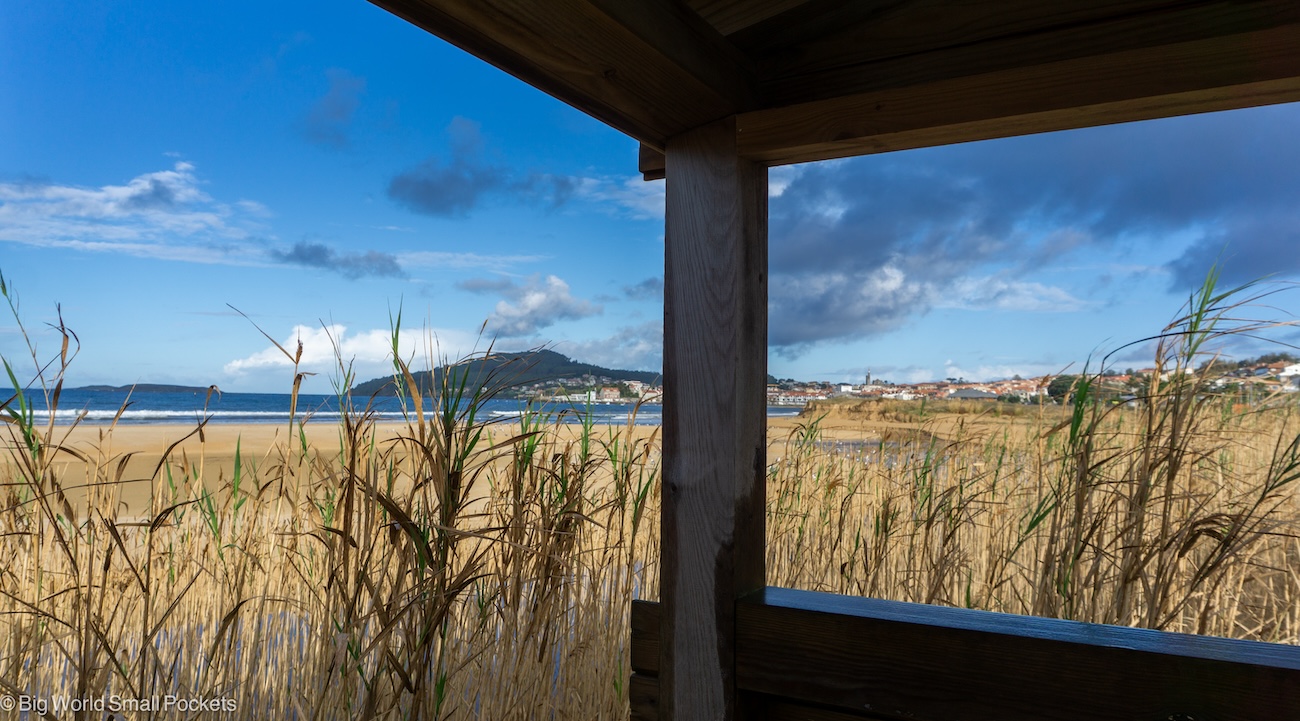
Spring and autumn are definitely the sweet spots for this route.
April to June, and September to October offer mild temperatures, blooming landscapes and manageable crowds.
Summer is doable, especially on the coast where sea breezes take the edge off, but it is undeniably busier and hotter.
Winter is much quieter and can be beautifully atmospheric, although storms can roll in off the Atlantic and the vast majority of accommodation options close.
If you want all the scenery with slightly fewer fellow pilgrims, aim for the months April, May or October.
My coastal Camino in late October gave me warm sunshine, bright evenings and only one day when the wind tried to blow me off my feet!
It was however the last week many of the places I stayed were open for the season, so while peaceful, I wouldn’t have liked to hike the Portuguese Camino any later in the year.
Luggage Support and Camino Organisation
You can walk the Portuguese Camino entirely independently, carrying your bag and booking accommodation as you go.
The signage is excellent and most towns have enough choice to keep things stress free.
However, if you prefer a smoother, more all-inclusive experience, you can go with a Camino tour operator who arranges your accommodation, luggage transfers and route notes.
Follow the Camino are one of the most experienced companies for this route and comes highly recommended for anyone wanting an organised introduction to Camino life.
They are ideal for first timers and solo walkers who want peace of mind, and I found their customer service excellent.
If you want to experience the magic of the Camino, then I highly recommend Follow The Camino who can help you organise every part of this incredible journey.
Get 10% off your Follow the Camino adventure with discount code: Steph10
If you want a middle option i.e. you’re happy to organise your camino independently, but would like luggage transfer, check out TopSantiago, Pilbeo and Caminofácil who all offer a bag courier service on the Portuguese Camino.
Read more about luggage transfer on the camino, including prices and how to book.
Packing Tips for the Portuguese Camino

Pack light!
Even on the coastal path, you will be grateful for a streamlined bag.
Comfortable walking shoes are essential, as are breathable layers and a lightweight waterproof.
Sun protection is vital on the coastal route where shade is limited.
If you are walking in spring or autumn, an extra layer or 2 for cooler evenings and dark morning comes in handy too.
A headtorch and a warm hat are also good ideas.
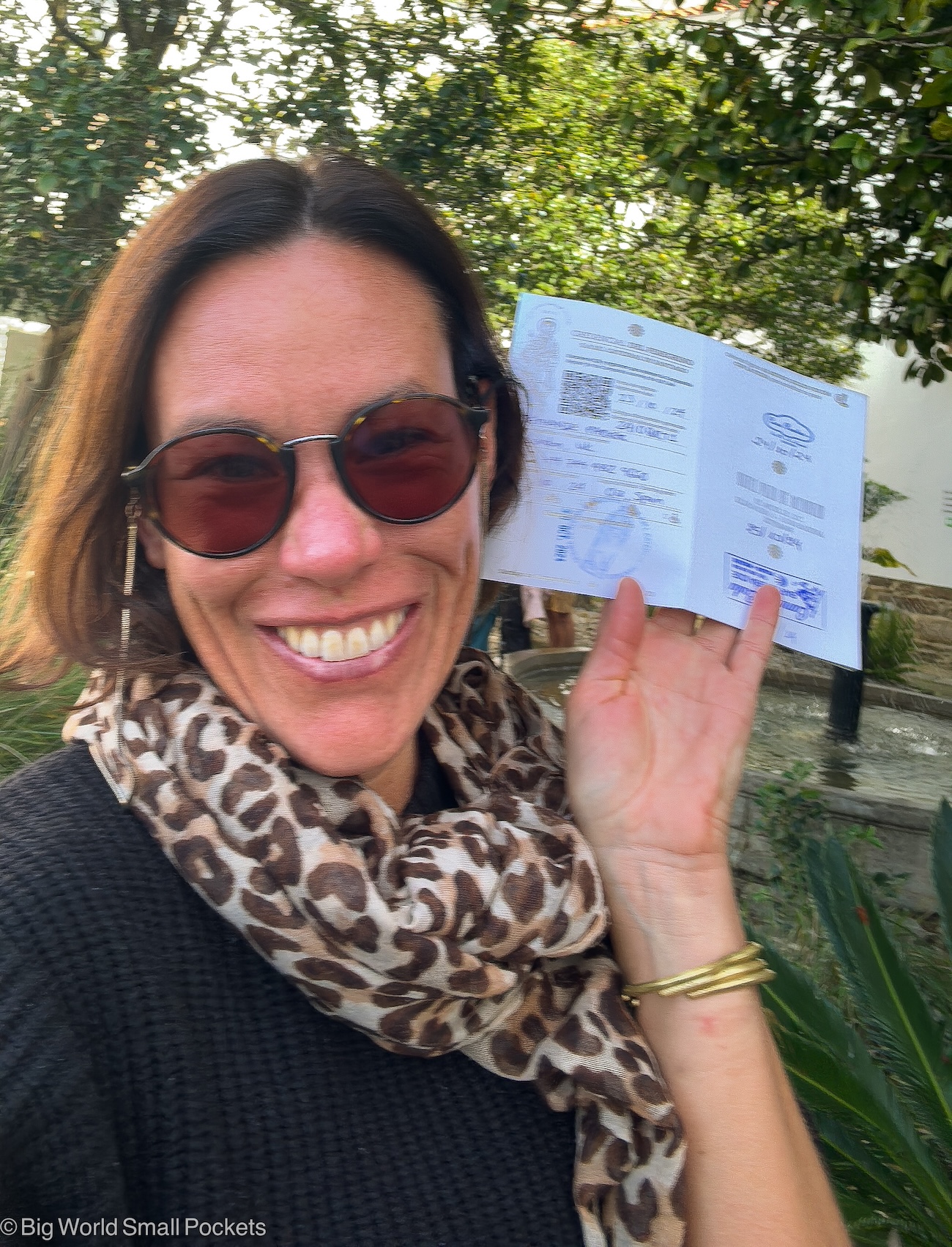
If you are collecting stamps for your pilgrim passport, make sure it is easily accessible within your day pack.
Both route variants have plenty of bars, chapels and cafes where you can get your stamps.
Food and Drink Along the Way
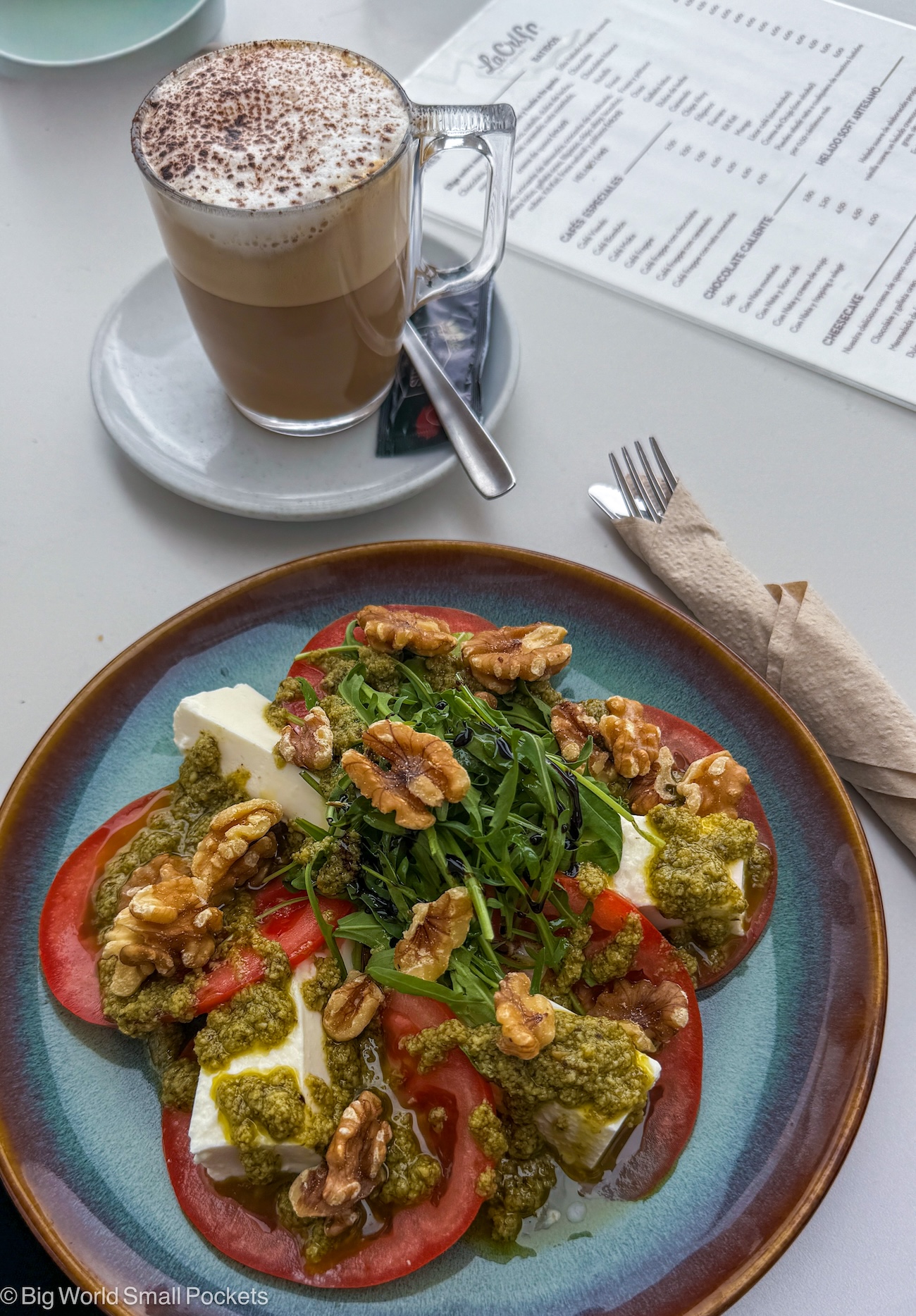
One of the joys of the Portuguese Camino is how easy it is to eat well.
Portugal is famous for its fresh fish, custard tarts and hearty northern dishes, while Galicia greets you with empanadas, pulpo and crisp local wine.
Even the smallest villages seem to take pride in their cooking.
On the inland route, you will find rustic eateries and vineyard taverns, while the coast offers beachfront restaurants where your meal often comes with a sunset.
Plenty of towns have bakeries where you can pick up a sweet pastel de nata to carry you through to the next stage and finding cheap pilgrim menus (usually 3 courses at dinner or lunch for a reasonable price) is easy.
Reaching the Start Points and Getting Home
Porto is the most common starting place for the Portuguese Camino and has excellent international connections, including a decent airport.
Use Skyscanner to find good flight deals, or Trainline to book rail journeys from across Europe.
You can reach the start of the inland route by simply walking out of the cathedral square in the heart of Porto.
The coastal route is accessed by walking down to the riverfront and following the mouth of the Douro to the shoreline.
If you start closer to the Spanish border for a shorter 100km route, say from places like Tui, Baiona and A Guarda , it’s easy to reach them by bus or train from larger cities such as Porto, Vigo or Santiago itself.
Santiago de Compostela at the end of the Camino also has a good airport and is connected by train to many major cities in Spain such as Madrid.
Portuguese Camino Quick Tips
When to Hike the Portuguese Camino?
I recommend Spring or Autumn for best weather, lowest crowds and reasonable prices.
eSIM for the Camino
Holafly offer unlimited data eSIMs for Spain and Portugal that are perfect for staying connected on the Camino.
Travel Insurance
World Nomads offer simple and flexible travel insurance. Buy at home or while travelling and claim online from anywhere in the world.
Travel Money
Spain and Portugal use the Euro.
I always travel Europe with my Wise card, which makes spending abroad cheaper with real exchange rates and no sneaky transaction or ATM fees – grab yours here.
SAVE THIS TO PINTEREST!
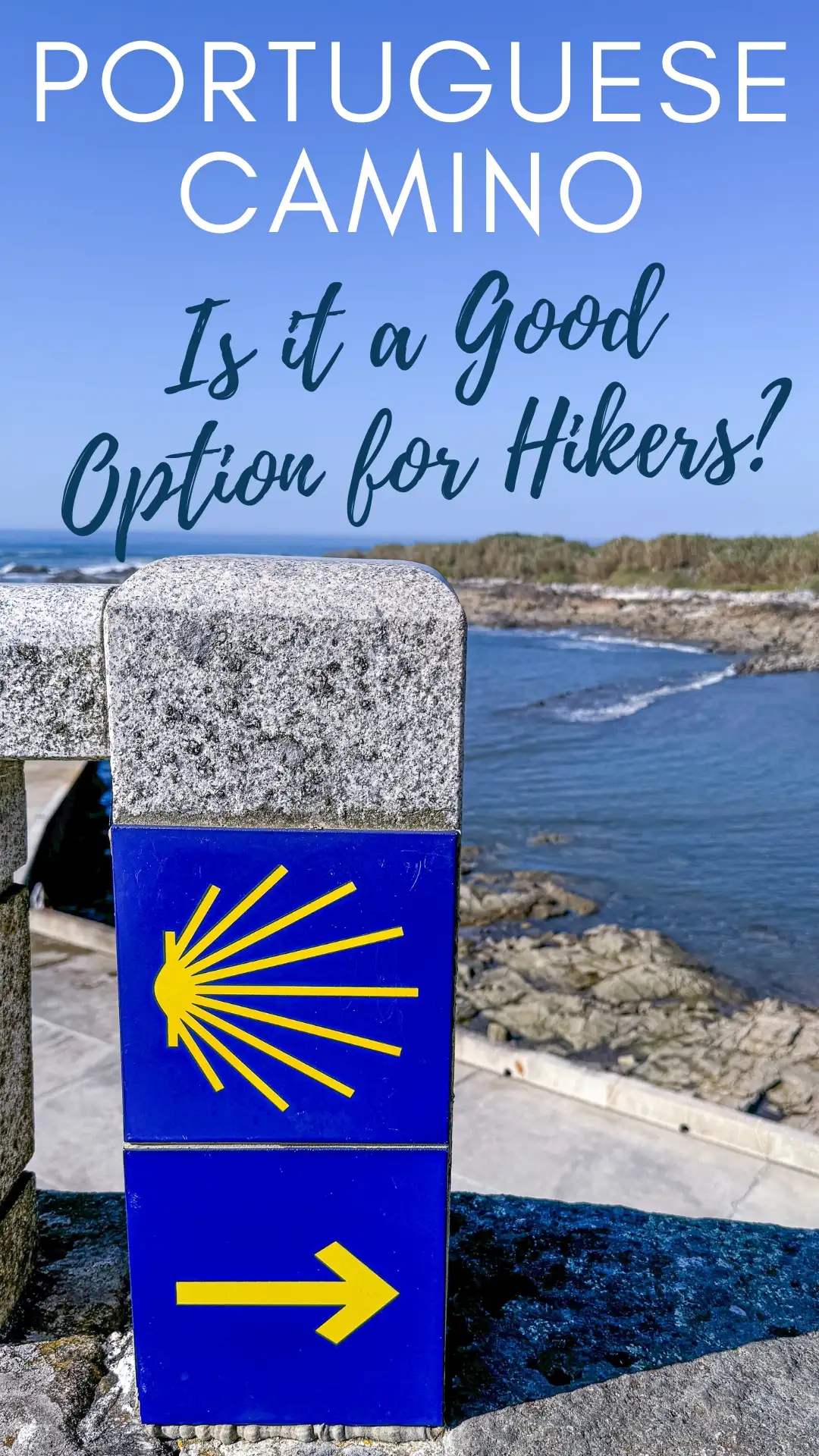
Walking the Portuguese Camino felt like being part of a warm, gentle procession of travellers who all shared the same goal.
Whether you choose the inland or coastal route, you will pass ancient churches, leafy forests, and small towns that welcome pilgrims with a quiet friendliness.
The coastal route that I followed was serene, light and endlessly uplifting.
Every day brought a new rhythm, from sunrise over the dunes, to evenings chatting with fellow pilgrims over a glass of vinho verde, so if you’re looking for a Camino that balances scenery with accessibility, and solitude with community, the Portuguese Camino might be the perfect choice.
Walk it independently, or with the help of a company like Follow the Camino if you prefer everything neatly organised.
Either way, the journey offers that wonderful blend of simplicity, discovery and slow travel that stays with you long after you have crossed the cathedral square in Santiago.
There is always another corner of the Camino world to explore, the Portuguese one just happens to be one of the most inviting.
My Camino trip was gifted by Follow the Camino but, as always, all views are my own.
This page contains affiliate links meaning Big World Small Pockets may receive a small commission on any purchases at no extra cost to you.
